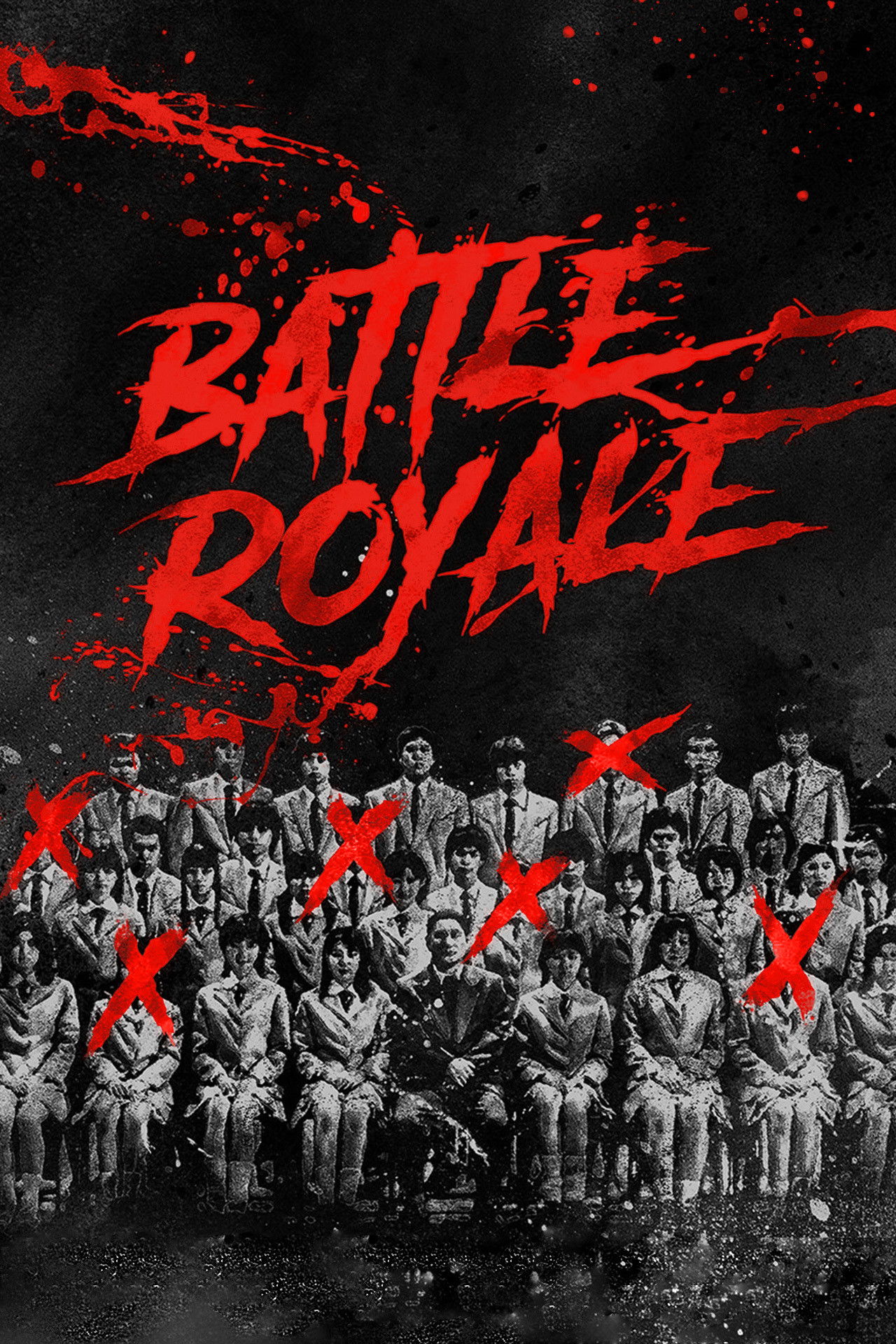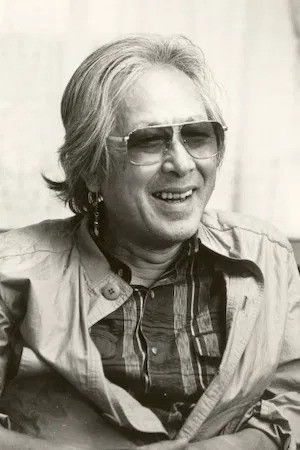
Kinji Fukasaku makes violent films that distrust the people giving orders. We value him most for taking the people beneath them seriously: Battle Royale is frightening because its teenagers remain children, even when its flashbacks labour the point.
Fi1m perspective
In Battle Royale (2000), a crush still matters after teenagers have been ordered to kill their classmates. Fukasaku gives teenage yearning time that a more efficient thriller would devote to escape plans. We were upset by the persistence of those feelings amid the killing, because the children cannot simply become the combatants adults demand. He understands that knowing someone makes the contest worse. These pupils have friendships to weigh against survival, and the film lets that terrible calculation remain untidy.
His breakthrough came with the gangster films of the late 1960s and 1970s, including Battles Without Honour and Humanity (1973). His handheld camera made the violence look chaotic and immediate, with little room for the underworld's supposed code of honour. Graveyard of Honour (1975) belongs to that same anti-heroic strain. Yet crime was never his only interest, and Shogun's Samurai (1978) is one marker of his work beyond it. With Battle Royale, his final completed feature, he returned to prominence without abandoning his distrust of authority.
Kenta Fukasaku's screenplay, adapted from Koushun Takami's novel, gives him classmates whose feelings cannot be put aside just because the rules have changed. Tatsuya Fujiwara's Shuya Nanahara and Aki Maeda's Noriko Nakagawa provide an earnest centre without making the other teenagers seem expendable. Fukasaku allows that earnestness to stand. Takeshi Kitano supplies a nastier humour, making adult menace personal rather than remote. The director keeps the jokes close to the violence, and the laughter feels uncomfortable because the children are the ones who have to endure the consequences.
The flashbacks in Battle Royale are a real weakness, pressing feelings that the performances have already made clear. We do not need the extra persuasion, and it makes an unruly thriller feel clumsy. Even so, the earnestness of Fujiwara and Maeda gives us enough reason to stay with it through the cruelty. Start there, but leave it for an evening when caring about the characters will not make the violence unbearable.
Biography
Kinji Fukasaku (1930–2003) was a Japanese film director and screenwriter. He was born in Mito, Ibaraki Prefecture, and studied at Nihon University before beginning his career at Toei studio as a scriptwriter and assistant director in the 1950s. He made his directorial debut in 1961.
Fukasaku became known for his gritty yakuza films, including the Battles Without Honor and Humanity series (1973–1976). He directed the Japanese sequences of the Hollywood production Tora! Tora! Tora! (1970) and later gained wider international recognition for Battle Royale (2000), on which he also served as producer. His son, Kenta Fukasaku, wrote the screenplay for the film. Fukasaku died in Tokyo from prostate cancer.