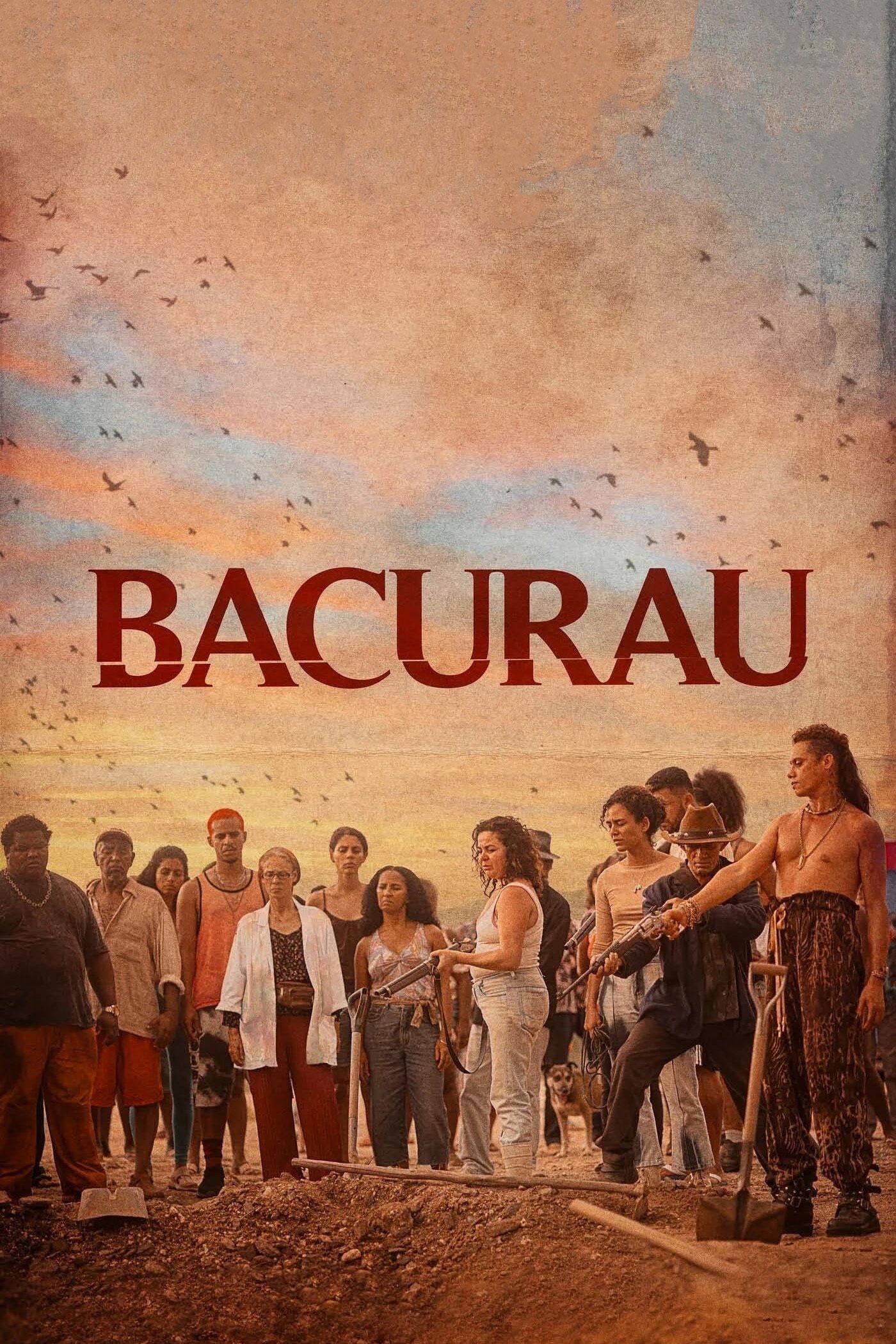
Kinji Fukasaku’s Battle Royale makes its teenage killing contest frightening by taking the teenagers seriously. The flashbacks labour the point, but the cruelty, foolishness and stubborn affection are hard to shake.
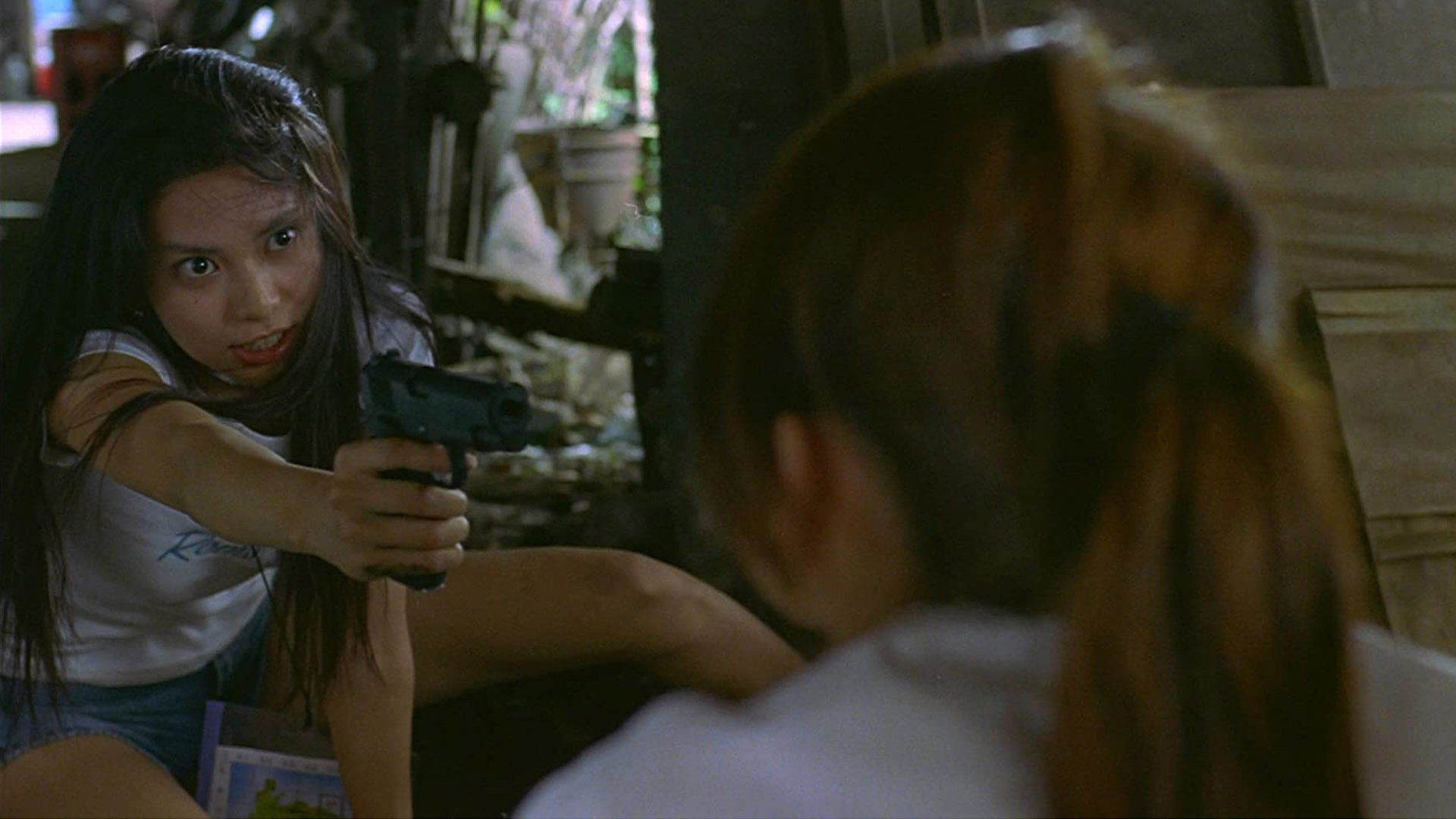
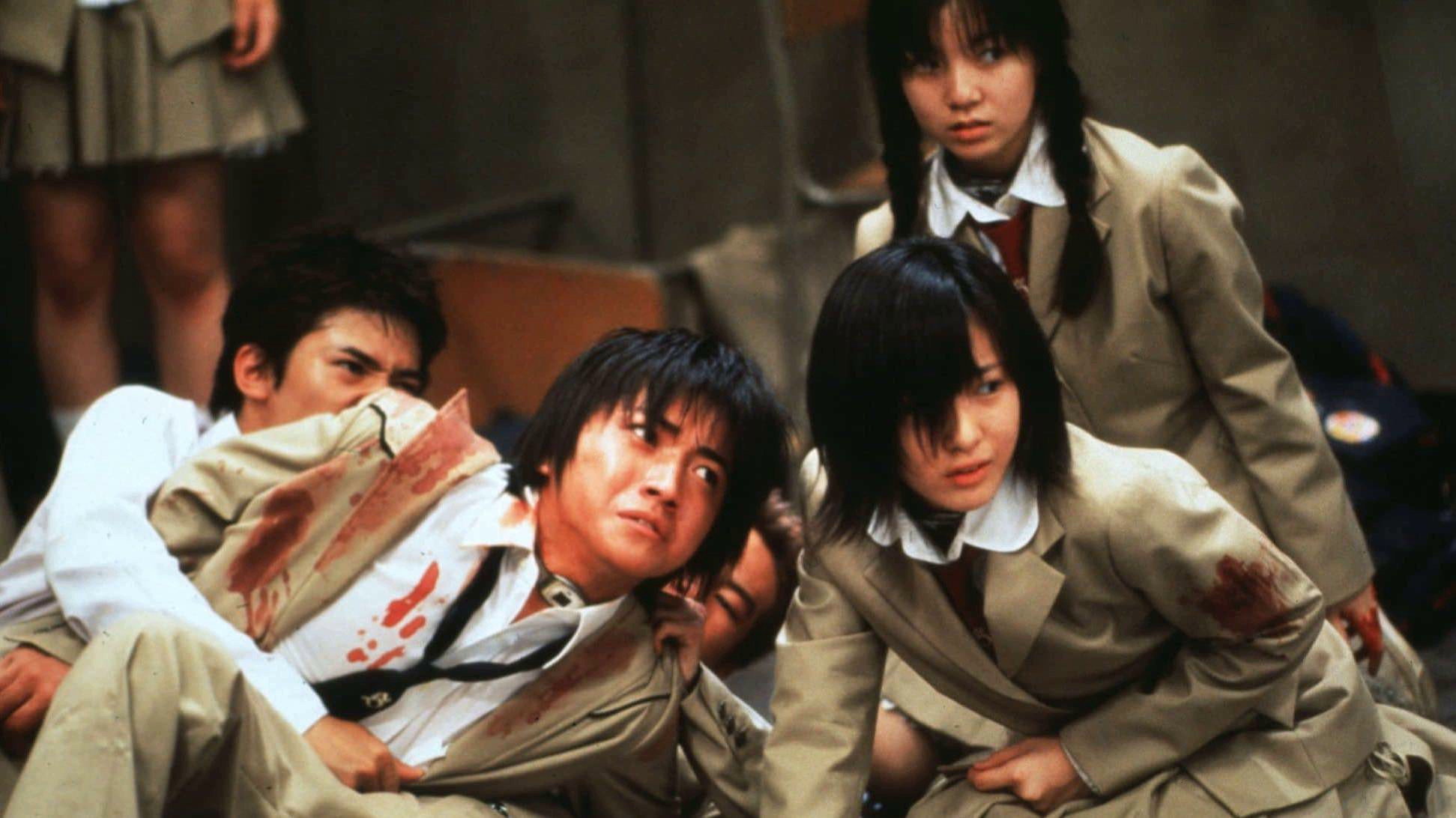
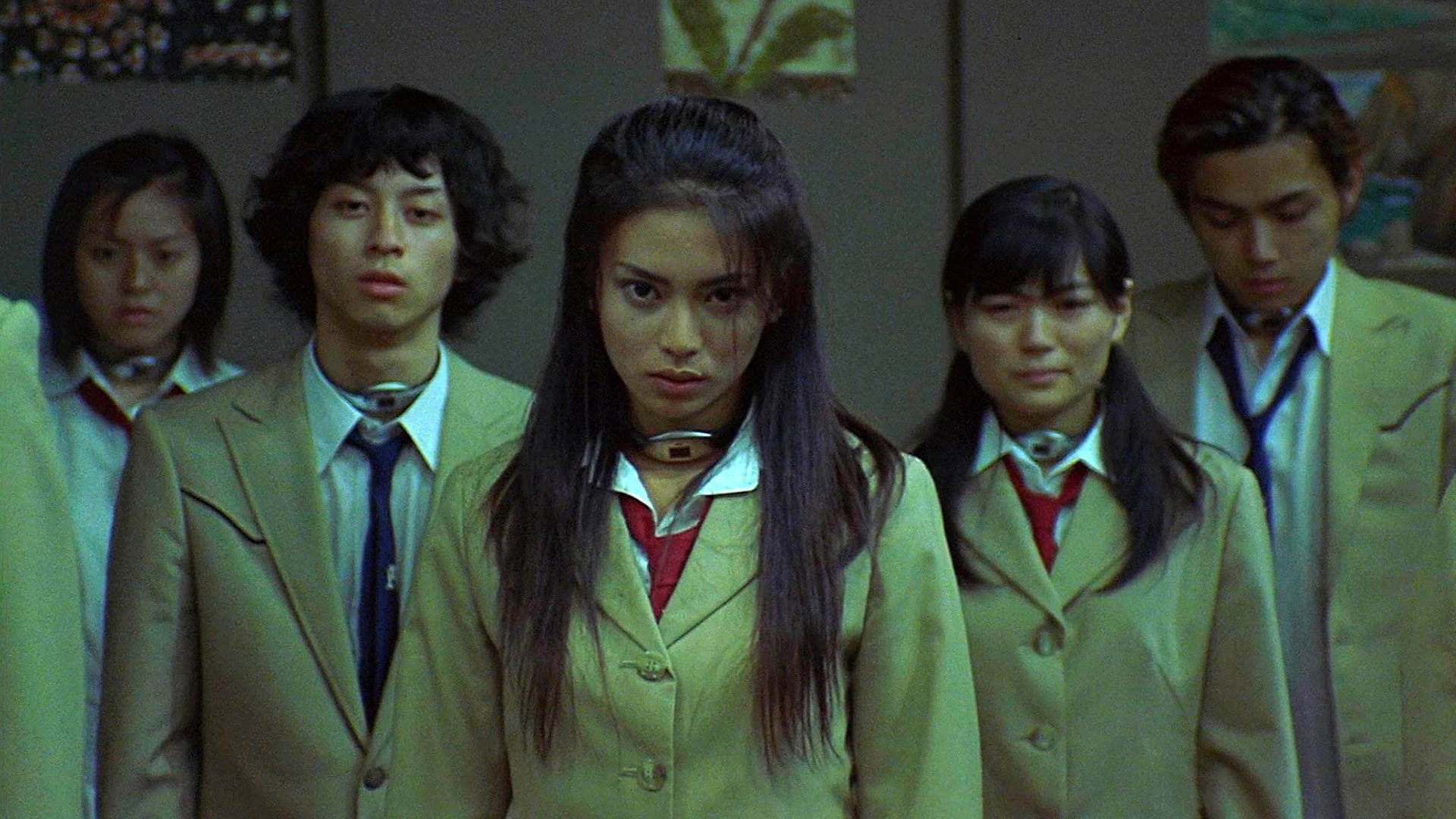
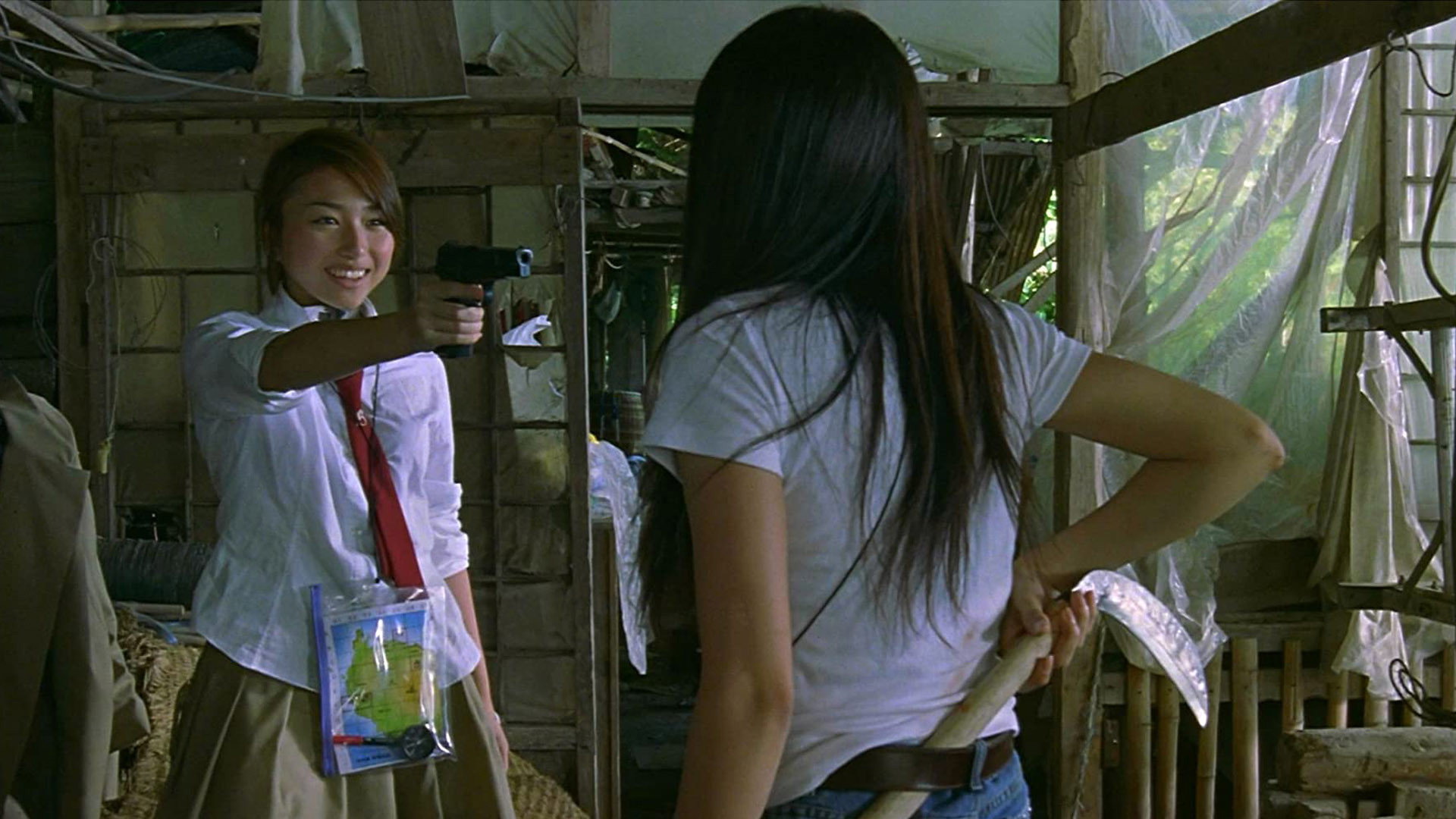
Kinji Fukasaku’s Battle Royale is a disturbing, sometimes clumsy thriller that earns its brutality by caring about the children subjected to it. Its government forces teenagers to kill their classmates, making adult hostility towards the young brutally literal. Kenta Fukasaku’s screenplay, adapted from Koushun Takami’s novel, gets considerable force from that choice of opponent: these people already know one another. The horror begins with the requirement that they decide what those existing friendships are worth.
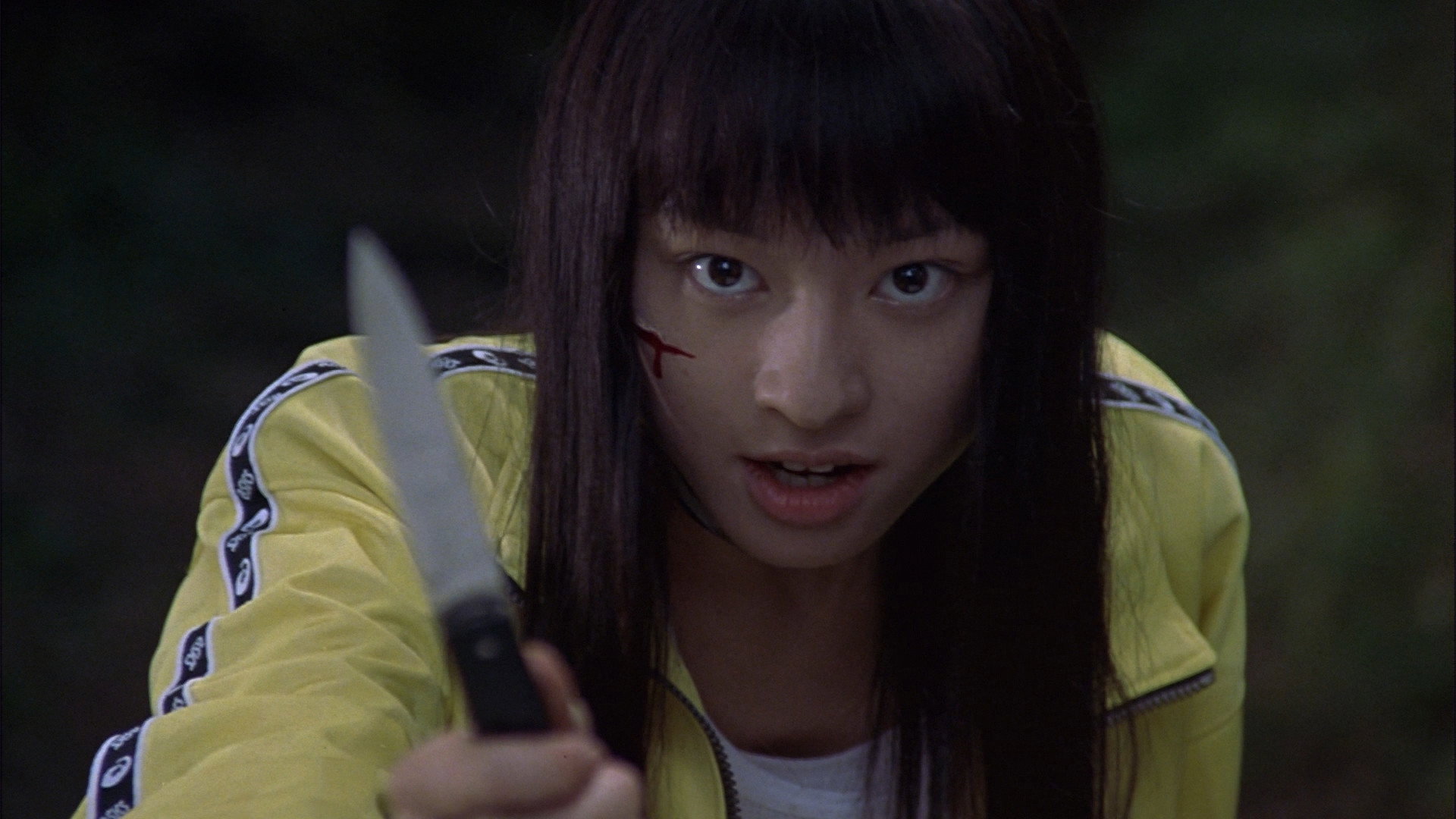
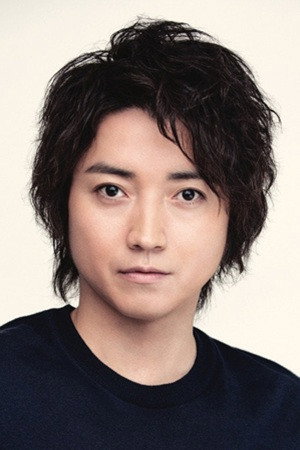
Tatsuya Fujiwara’s Shuya Nanahara and Aki Maeda’s Noriko Nakagawa give us people to care about without making the other teenagers feel disposable. Their earnestness suits a film in which adolescent feeling remains urgent even when survival ought to make everything else irrelevant. Fukasaku lets crushes and yearnings occupy space that a tidier action film would reserve for tactics. We were more upset than we expected by those crushes persisting amid the killing. The children cannot simply stop being children because adults have ordered them to.
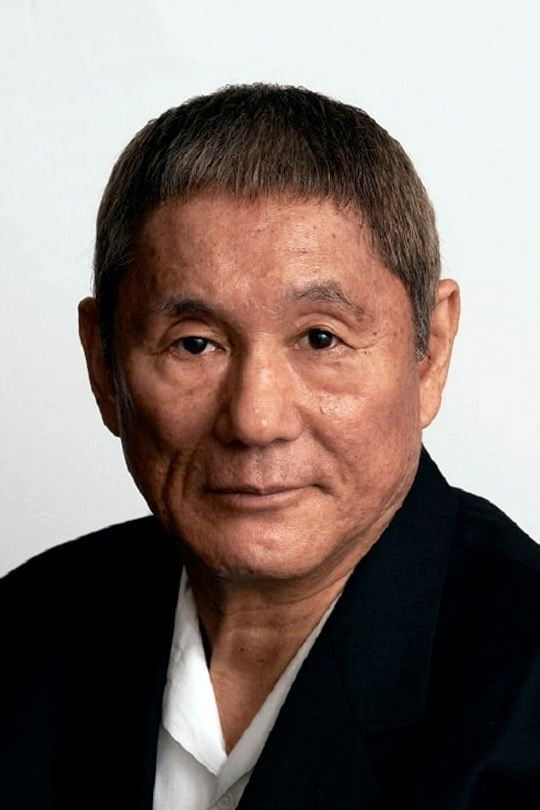
Takeshi Kitano is essential to the film’s unpleasant humour. His menace makes the adult cruelty feel personal, and his performance is funny without making the situation seem harmless. Fukasaku keeps comedy close enough to the violence that laughter can become uncomfortable almost as soon as it starts. The imbalance matters: adults have imposed this contest, while the teenagers must supply all its suffering.
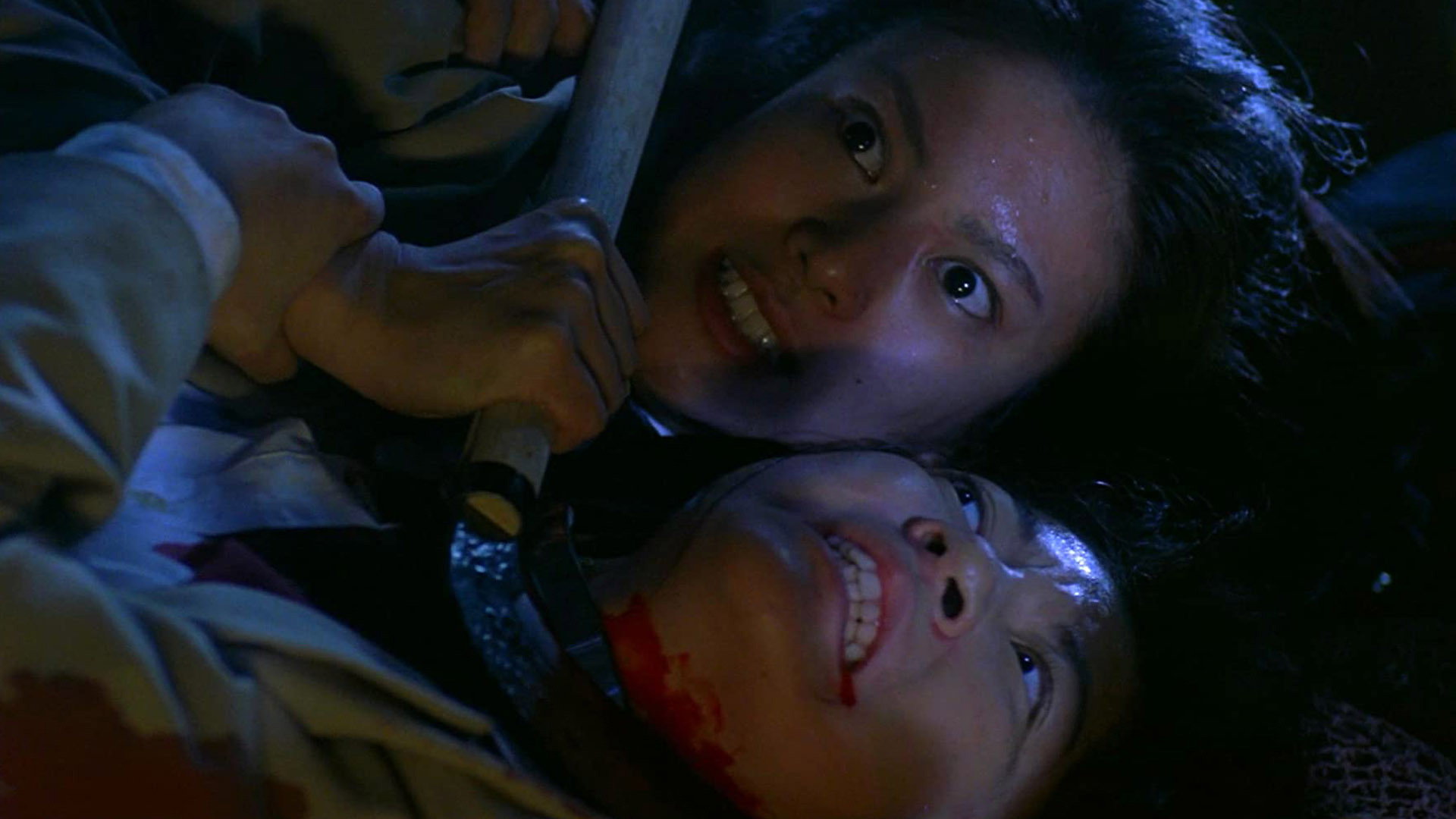
The craft serves that discomfort well. Katsumi Yanagijima’s cinematography makes the violent action horribly watchable, and its directness suits the film’s anger. Kyōko Heya’s production design is less assertive, and usefully so: our attention stays on the teenagers rather than their surroundings. Masamichi Amano’s music embraces the melodrama, giving the adolescent feelings a seriousness that another action film might be embarrassed to allow them.
Hirohide Abe’s editing is less persuasive when the film turns to flashbacks. Too often they repeat an emotion we have already understood, interrupting the immediate danger to underline the teenagers’ sadness. The screenplay also gives some of the young people too little beyond a crush or a grievance. At those points the sentimentality feels imposed, and the succession of killings begins to flatten differences the performances are working to preserve.
As a survival thriller, it keeps adolescent romance unusually close to the action. The crushes are embarrassing, persistent and recognisable, and the film does not demand that they disappear so the plot can get on with killing people. That choice gives its attack on adult power something firmer than a slogan. We understand the cruelty because we have been allowed to notice what else these teenagers might have been doing with their lives.
The ugliness is worth sitting through, despite the repetitions. At 113 minutes, Battle Royale has less need to explain itself than its flashbacks suggest, and we would gladly lose a few of them. The 18 certificate is a useful warning about the severity of the violence. Give it your attention, but do not choose it to unwind.