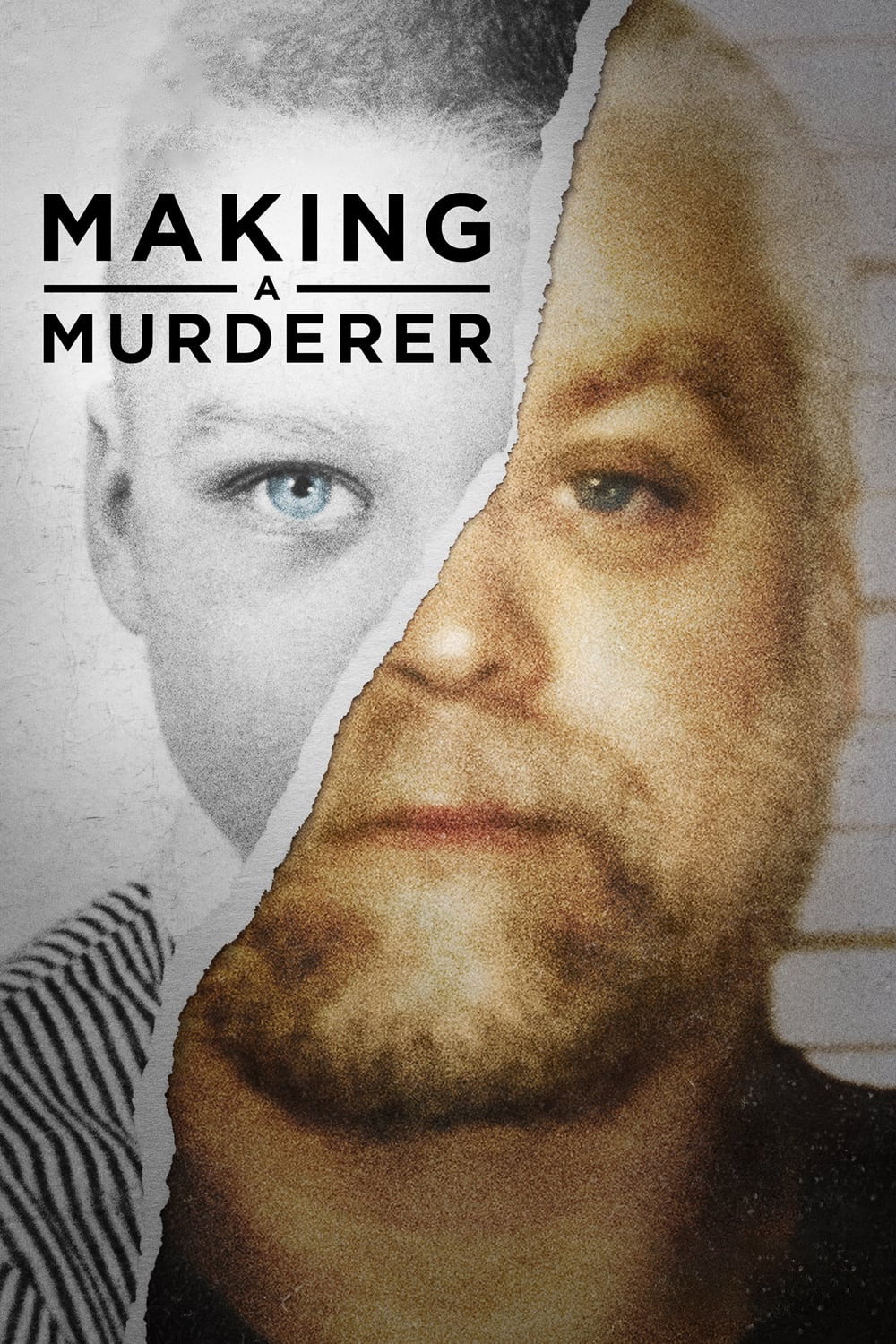
Laura Ricciardi, with Moira Demos, makes documentary the way a lawyer builds a case: hours of courtroom footage, no narrator, and a patience most true crime cannot afford. Part 1 of Making a Murderer is the argument for the method. Part 2 is the argument against it.
Fi1m perspective
A witness reads a document aloud and the camera waits for him to finish. Two lawyers argue about a key, then about a vial of blood, and the argument is given its full length. Nobody narrates. The filmmakers never appear. Steven Avery is a voice on a prison telephone. That is Laura Ricciardi's television, and once you have seen it the rest of the genre looks rushed.
She practised law before she went to film school, which explains a great deal. She met Moira Demos at Columbia, and in 2005 the two of them read a newspaper article about Avery and started filming. They spent ten years on it, eighteen months of them living in Wisconsin, and cut what they had into ten hour-long episodes released together on 18 December 2015. A second part followed in October 2018. Demos shot and edited as well as directing, so there is no clean line between what is hers and what is Ricciardi's; the two names travel together, and the work is best read as one sensibility with two people behind it.
The method works because the detail is the point. Dean Strang and Jerry Buting, tired and courteous, become the nearest thing the series has to leads, and by the time they stand up you have sat through enough testimony to argue with them. We expected the forensic hours to be a chore and they were not; somewhere in the middle of the trial we realised we had strong views about a vial of blood, which is not what we planned for an evening on the sofa. That is a real achievement, and it belongs to the two women who declined to hurry it.
It also has a problem at its centre. Ricciardi has said, "We have no stake in whether Steven is innocent or guilty." The screen says otherwise. The series is a defence brief that never admits to being one, and the complaint that it left significant details out has followed it since. Part 2, about the appeals, has the same patience and less to spend it on, and the hours that felt like evidence the first time start to feel like waiting. The method depends on a courtroom, a verdict and a clock, and without them it drifts.
Ricciardi and Demos have since turned to a podcast, Suspect. We would like to see them pick a case they have not already made their minds up about, sit in the courtroom for as long as it takes, and let us do the arguing. They have shown they can hold an audience for ten hours without a narrator. The next test is whether they can do it without a client.
Biography
Laura Ricciardi is an American filmmaker and writer. She co-created the Netflix documentary series Making a Murderer (2015) with Moira Demos, serving as writer, director and executive producer on all twenty episodes across two seasons.
Ricciardi and Demos met while graduate students in film at Columbia University School of the Arts. They founded the production company Synthesis Films in 2006 and spent ten years independently making the series, which premiered in December 2015; the second season followed in 2018. Ricciardi previously qualified as a lawyer after earning a JD from New York Law School and holds a BA from Manhattan College and an MFA from Columbia.
The series received critical acclaim and multiple awards, including three Primetime Emmys in 2016 for Outstanding Documentary or Nonfiction Series, Outstanding Writing for a Nonfiction Program and Outstanding Directing for a Nonfiction Program, all shared with Demos.