Series review

Making a Murderer

2015 · Created by Moira Demos, Laura Ricciardi · Series · 1h 00m · MPA TV-14

In a sentenceTen hours in a Wisconsin scrapyard, and we came out trusting nobody with a badge and only slightly more with a camera

DocumentaryCrime

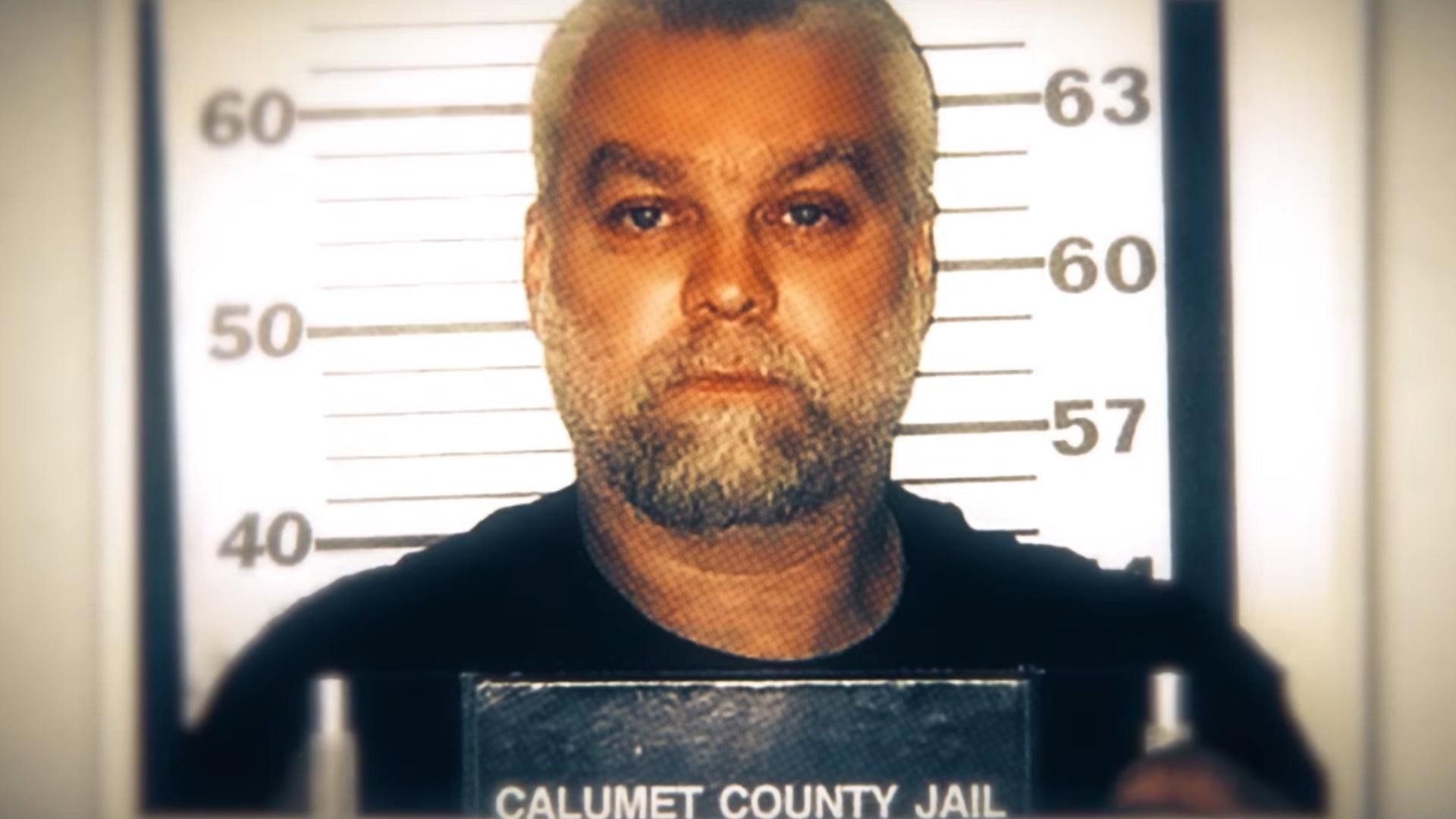
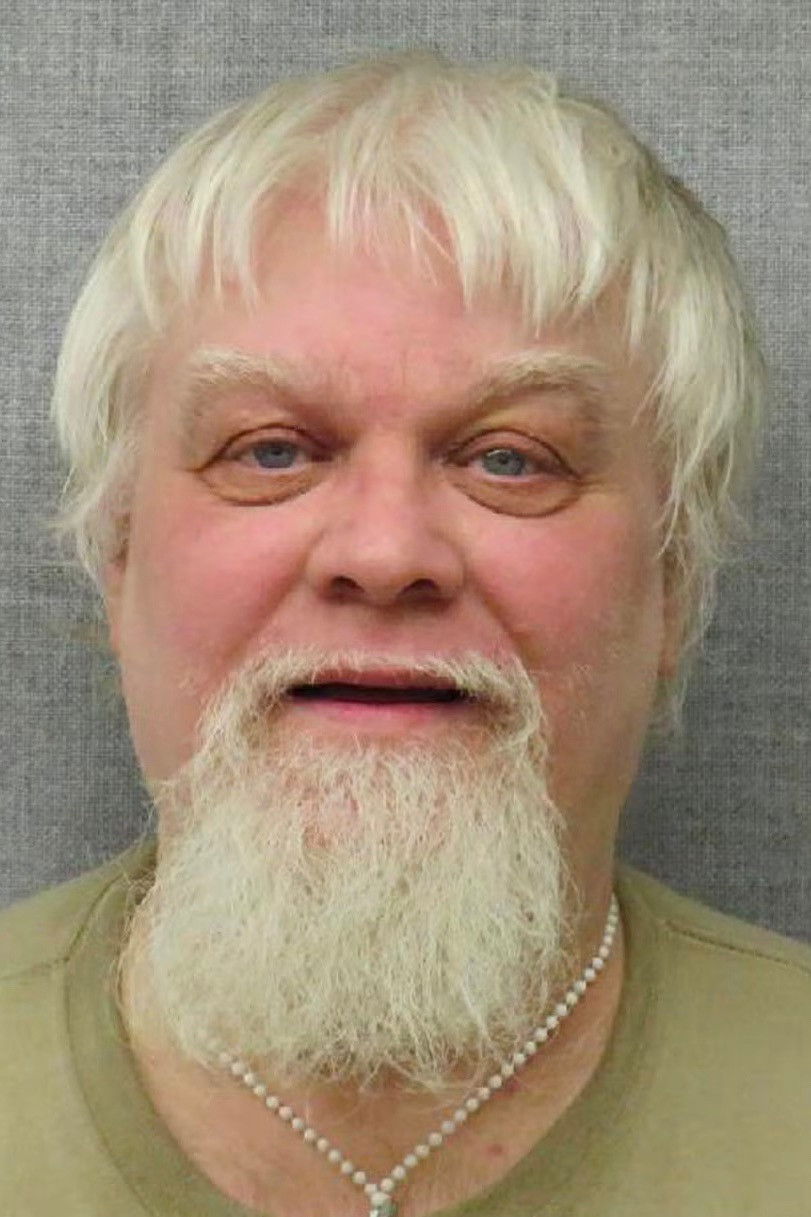
Manitowoc County, Wisconsin. Steven Avery, from a family that runs a salvage yard, serves eighteen years for a 1985 sexual assault he did not commit, and walks out in 2003 when DNA evidence clears him. He sues the county for thirty-six million dollars. Two years later Teresa Halbach, a photographer, drives to the Avery yard to photograph a vehicle for sale and does not come home, and the same sheriff’s department that put Avery away the first time arrests him for her murder. Moira Demos and Laura Ricciardi follow the family and his lawyers, Dean Strang and Jerry Buting, through the trial; his teenage nephew Brendan Dassey is drawn into the case; and, years on, the Chicago lawyer Kathleen Zellner takes over his appeal.

Plays from YouTube when you press play; nothing loads from them until then.

Fi1m review

Moira Demos and Laura Ricciardi spent a decade on Steven Avery, and Part 1 is patient, plainly made and hard to stop watching. It is also a defence brief that never admits to being one, and Part 2 spends the patience Part 1 earned.

Moira Demos and Laura Ricciardi followed the Steven Avery case for ten years and cut what they found into ten hour-long episodes, released together on 18 December 2015. Nobody narrates. The two of them never appear. The story is told by the people in it, by courtroom cameras and by Avery’s own voice on a prison telephone, and it is told slowly, in the order it happened. Part 1 is good television, better than most of the true-crime that followed it, and it has a problem at its centre that we will come to.

Demos shot it herself and edited it too, and the look is consistent because one pair of eyes chose it. Manitowoc County in winter is flat fields, bare trees and a sky the colour of dishwater, and she does not prettify any of it. The salvage yard is rows of wrecked cars under snow, filmed from the road as if the camera were not sure it was welcome. Court is fixed cameras and fluorescent light. The prison calls play over slow drives and old family photographs, and the music under them is sparse enough that you notice when it stops. It is a plain style, and the plainness is what makes it convincing.

The defence lawyers, Dean Strang and Jerry Buting, are the nearest thing the series has to leads, and it is easy to see why viewers took to them. They are tired, courteous, mid-western men who believe their client and know how that sounds. Demos and Ricciardi give the trial hours rather than minutes, so you sit through the forensic testimony, the arguments about a key and a vial of blood, the long pauses while a witness reads a document. We expected to be bored by this and were not. The detail is the point; by the time the lawyers stand up to argue, you have seen enough to argue back.

The moment that stayed with us is not in the courtroom. Partway through, the series shows a recorded police interview with a teenager, at length, without commentary, and we were angrier watching it than we have been at anything on a screen in a long while. We will not describe what is said. It is the way the room is arranged that does it: two adults, one boy, and nobody in the boy’s corner. Demos does not cut away or add music. She simply lets the tape run, and it is the strongest editing decision in the series.

Now the problem. Everything in Part 1 is filmed from Avery’s side of the table. The prosecution gets its hours in court, but outside the courtroom nobody speaks for it; the people who explain what happened, in interviews and on the telephone, are all people who want him out. That is a choice, and a legitimate one, but the series never says so. It presents itself as a record when it is a case for the defence, and a viewer who does not know that will come away certain about things the film has only implied. We were carried along, and afterwards we were slightly annoyed at how far.

Part 2 arrived on 19 October 2018, another ten episodes, with Kathleen Zellner, a Chicago appeals lawyer, now running things. Zellner is a formidable presence and a gift to a camera; she talks in headlines and stages experiments on cars and blood and bone to test the state’s story. But the experiments start to blur into one another, the family scenes repeat what the first series did better, and there is no trial to give the hours a shape. What took ten episodes to build in Part 1 is stretched over ten more with less to show for it. We watched it to the end out of loyalty, and loyalty is not the same as interest.

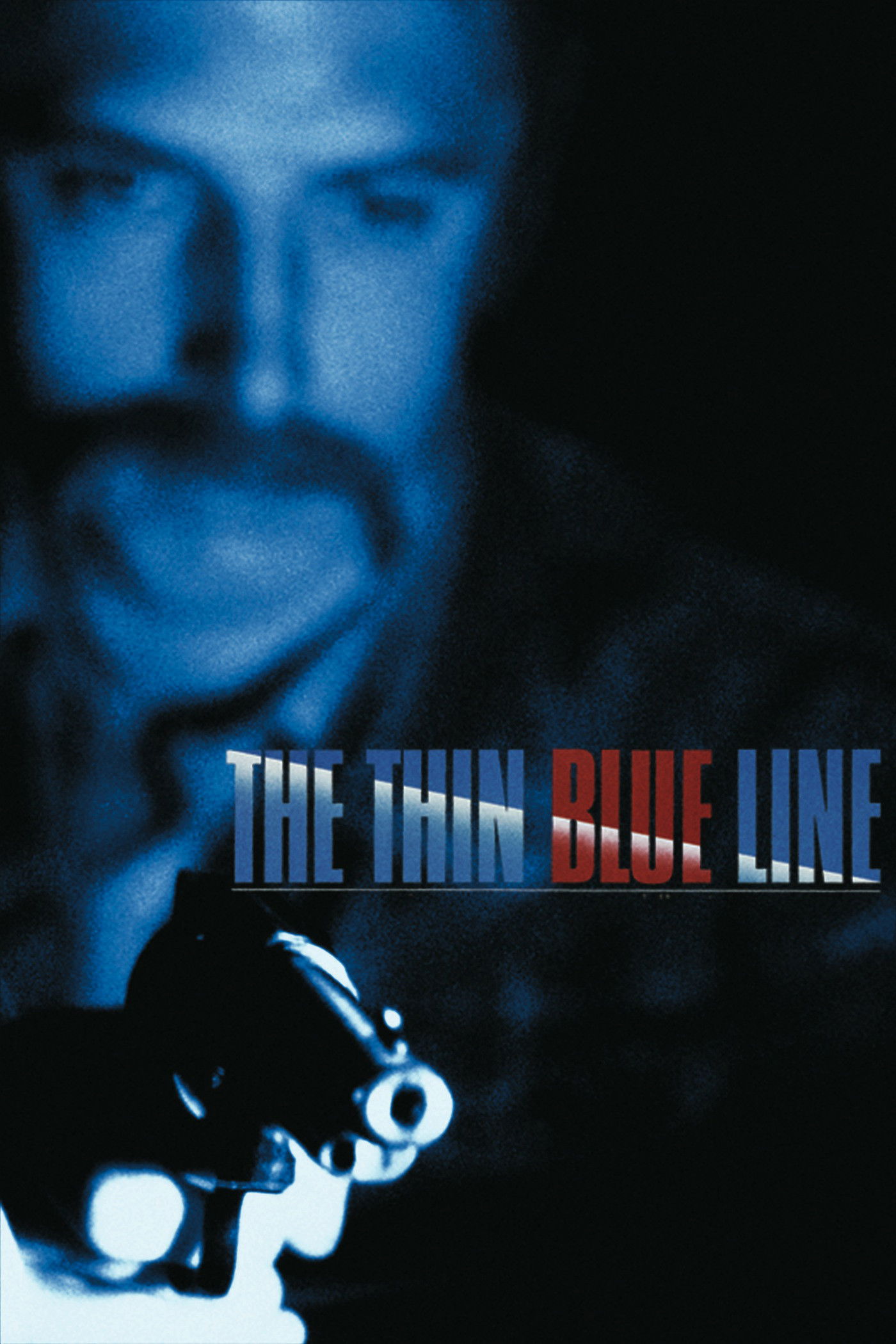
Set against the genre, this sits below The Thin Blue Line (1988), which did more in ninety minutes and was honest about its method, and above most of the streaming true-crime that copied its length without its patience. Watch Part 1 over a week rather than a weekend; the slowness works better when you have to wait. Treat Part 2 as optional. And keep in mind, all the way through, that you are hearing one side of an argument, told well.
Critical consensus AI synthesised

80
Positive
6
Mixed
1
Negative
0

Most critics are won over. The reviews lean strongly positive, six of seven recommending the series and none against it. The praise clusters on the grip of ten long episodes: several critics place it alongside Serial and The Jinx as the next step for long-form true crime, and find that the slow accumulation of footage and interviews, gathered over a decade, builds a persuasive and chilling picture of a justice system going wrong. The defence lawyers come in for particular affection.

The reservations concern what all that detail costs the viewer. Collider, the one mixed voice, finds it difficult, dark television whose immersion in the minutiae of the case ends without clear justice or simple answers. Empire and Vulture, both admirers, likewise note that it leaves the viewer frustrated and crushed, though they treat this as the point rather than a fault. The spread is narrow: nobody thinks it fails, and the disagreement is only over how much of an ordeal the watching is.

Variety
14 December 2015 · Brian Lowry
90*

The critic calls the series riveting and a stunning 10-part documentary that invigorates the true-crime form through traditional techniques. It meticulously crafts a chilling portrait of potential abuse of power and a miscarriage of justice spanning decades.

Read the full review →
Vulture
17 December 2015
90*

The critic finds the series as gripping and impactful as Serial and The Jinx, if not better, praising its exploration of hopelessness, class issues, and the justice system's flaws, while noting it leaves the viewer crushed and frustrated.

Read the full review →
The Guardian
17 December 2015
80*

The critic finds the Netflix series a frighteningly addictive true-crime tale made for binge-watching. The long-form documentary condenses a complex saga into an episodic narrative as compelling as any fictional counterpart.

Read the full review →
Empire
3 January 2016 · Emma Thrower
70*

The critic hails it as Netflix's first truly binge-worthy original that became a cultural phenomenon, praising its ten-year filming arc and charismatic defense lawyers while noting the frustrating lack of neat answers in a harrowing saga.

Read the full review →
The Hollywood Reporter
17 December 2015 · Daniel Fienberg
70*

The critic deems it a worthy entry into the burgeoning true-crime genre and the next step from works like Serial and The Jinx. It uses a slow-burn approach over 10 episodes that builds engagement through a complex, messy case of alleged wrongful conviction.

Read the full review →
Den of Geek
18 December 2015 · ★★★★★ · Tony Sokol
100

The critic calls it bold investigative journalism, recommends it strongly for its detailed look at corruption and conspiracy in the justice system, highlighting the long-form documentary's value.

Read the full review →

Cast

If you liked this, try…

The Thin Blue Line poster90

The Thin Blue Line

1988 · Errol Morris took a wrongful conviction apart in ninety minutes and invented the form.

The Staircase poster

The Staircase

2004 · A French crew embedded with an American defence team, and equally unsure who to believe.

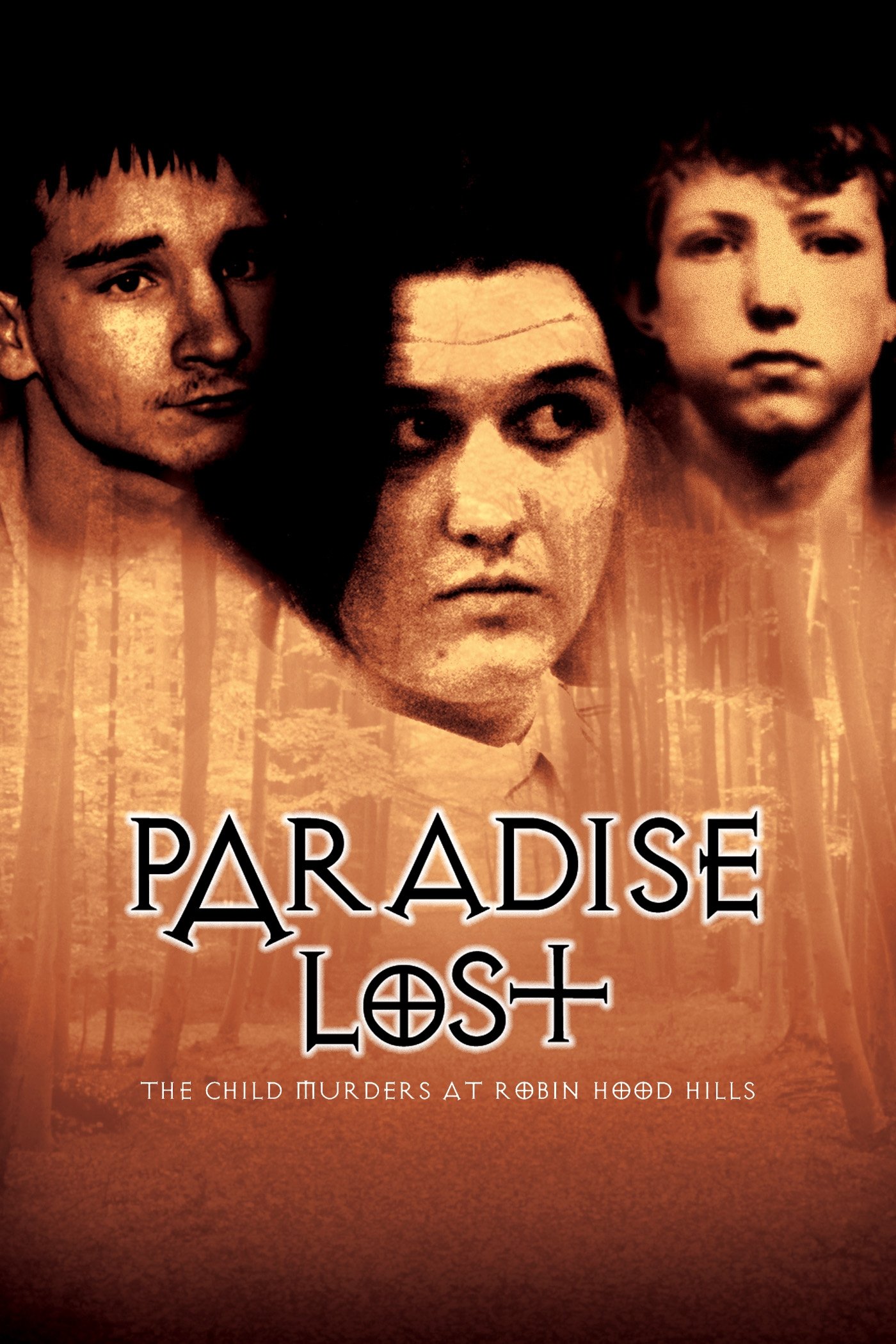
Paradise Lost: The Child Murders at Robin Hood Hills poster

Paradise Lost: The Child Murders at Robin Hood Hills

1996 · Small town, poor defendants, a court in a hurry; the template Avery’s story follows.

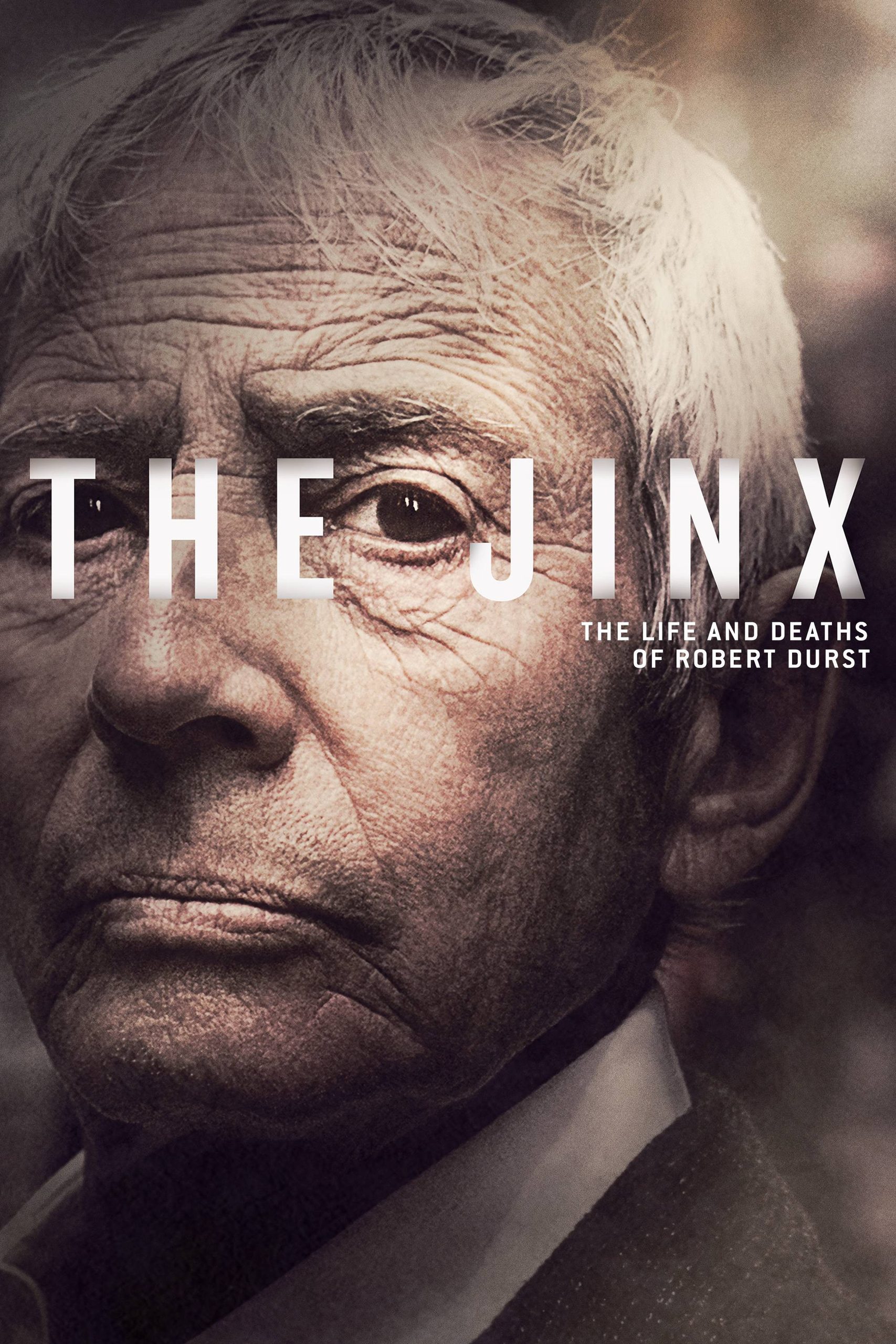
The Jinx poster77

The Jinx

2015 · The same year, the same length, and a subject far more willing to talk.

Capturing the Friedmans poster

Capturing the Friedmans

2003 · Home video and police interviews that leave you certain of less at the end than the start.