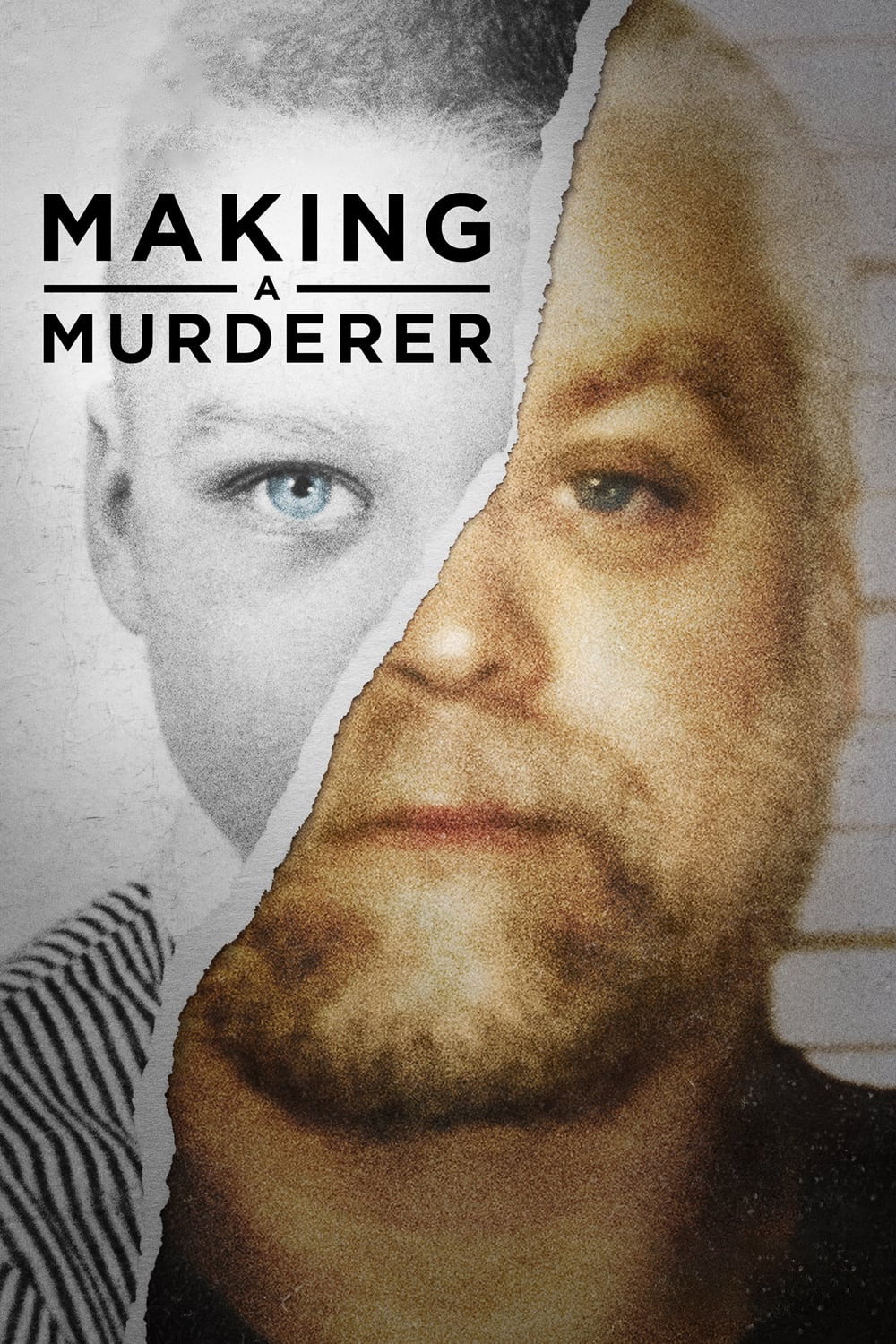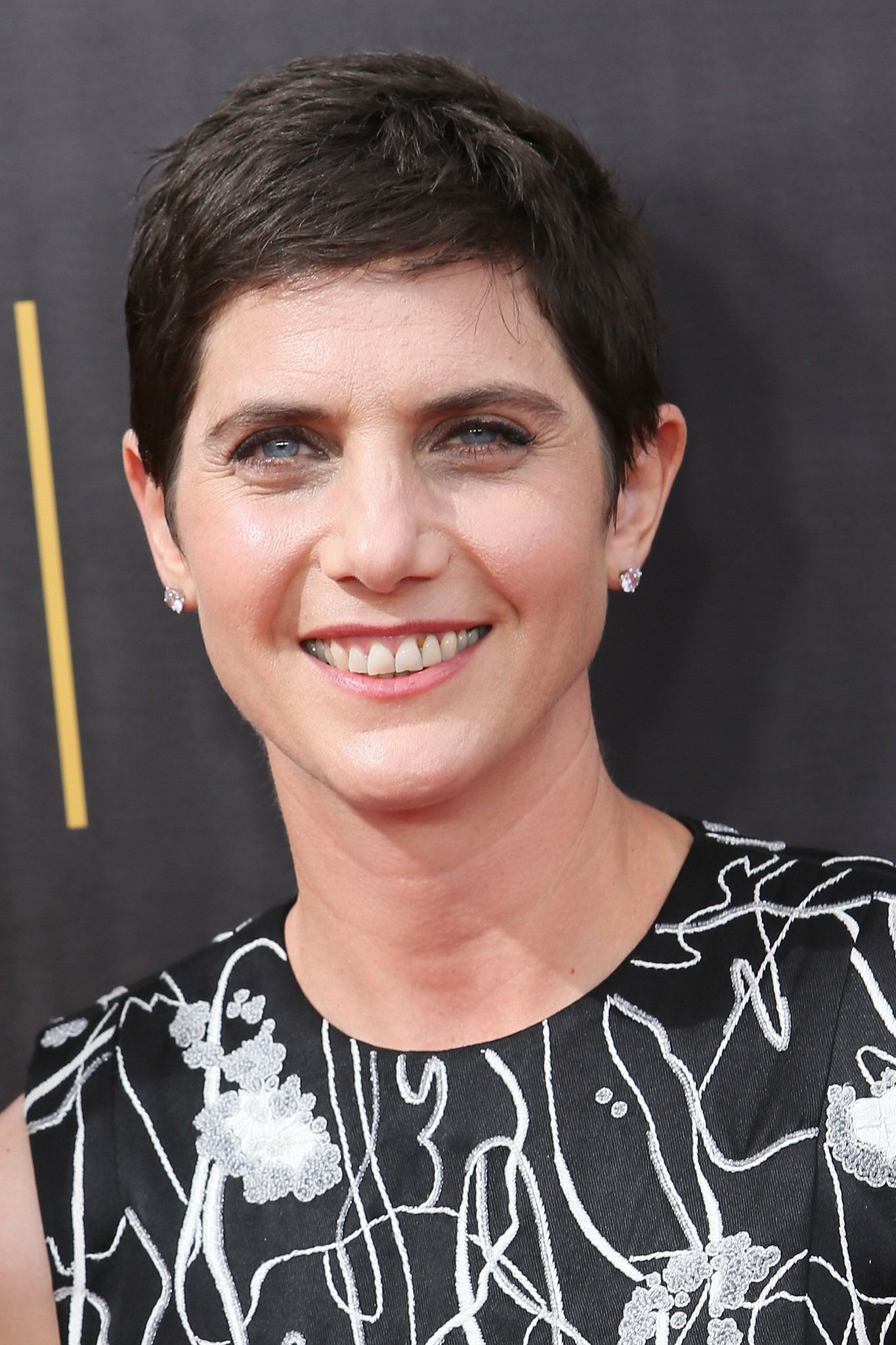
Moira Demos points a camera at a salvage yard in the snow, lets a police tape run without a cut, and trusts the plainness to persuade. Making a Murderer is patient, hard to stop watching, and a good deal less neutral than it says it is.
Fi1m perspective
The most telling thing Moira Demos does in Making a Murderer (2015) is nothing. Partway through Part 1 a recorded police interview with a teenager plays at length, with no music, no commentary and no cutaway: two adults, one boy, and nobody in the boy's corner. We were angrier watching it than we have been at almost anything on a screen, and every bit of that anger came from the room itself, because Demos declined to add a word. She shot the series and edited it, and that decision to leave the tape alone is the best piece of editing in ten hours.
The career behind it is short and unusual. Demos worked as a film electrician on Pollock and You Can Count on Me, cut shorts, went through Columbia, and met Laura Ricciardi there. In 2005 the two of them read a newspaper article about Steven Avery and started filming, paying for it themselves for years before anyone else did. The ten hour-long episodes arrived together on 18 December 2015; Part 2 followed in October 2018. Nobody narrates. Neither woman ever appears. The story is told by courtroom cameras, by the people in it and by Avery's voice on a prison telephone, in the order it happened.
The look holds because one pair of eyes chose it. Manitowoc County in winter is flat fields and a sky the colour of dishwater, and Demos does not prettify it. The salvage yard is rows of wrecked cars under snow, filmed from the road as if the camera were not sure it was welcome. Court is fixed cameras and fluorescent light; the prison calls play over slow drives and old photographs, with music sparse enough that you notice when it stops. She gives the trial hours rather than minutes, so the defence lawyers, Dean Strang and Jerry Buting, become the nearest thing to leads, and by the time they stand up to argue you have seen enough to argue back.
The problem is what the plainness is used for. Part 1 is a defence brief that never admits to being one, and the complaint that it left evidence out and leaned to one side has followed it since. Demos's answer was that "We were not putting on a trial, but a film." That is fair as far as it goes. The film she and Ricciardi put on has a client, and Part 2 spends the patience Part 1 earned.
Since 2005 she has made one thing, twice. It shows she can hold a camera still and a viewer still with it, which is rarer than it sounds. The question for whatever comes next is whether she can point that camera at a case she is not on the side of.
Biography
Moira Demos is an American filmmaker, writer, director, producer and editor. She graduated from Columbia University in 1996 with a BA and later completed an MFA in film there. Before directing, she worked as a film editor and as an electrician on feature films including Pollock (2000) and You Can Count on Me (2000), as well as on short documentaries such as Ferry Tales (2003).
Demos is best known for co-creating, co-directing, writing, editing and shooting the Netflix documentary series Making a Murderer (2015) with her partner Laura Ricciardi. The project, which followed the Steven Avery case over ten years, premiered in 2015; a second season followed in 2018. She received four Primetime Emmy Awards for the series, including for directing, writing and picture editing.