Series review

The Jinx

2015 · Created by Andrew Jarecki, Marc Smerling, Zac Stuart-Pontier · Series · MPA TV-MA

In a sentenceA property heir sits down with a film crew against all sensible advice, and keeps sitting

DocumentaryCrime

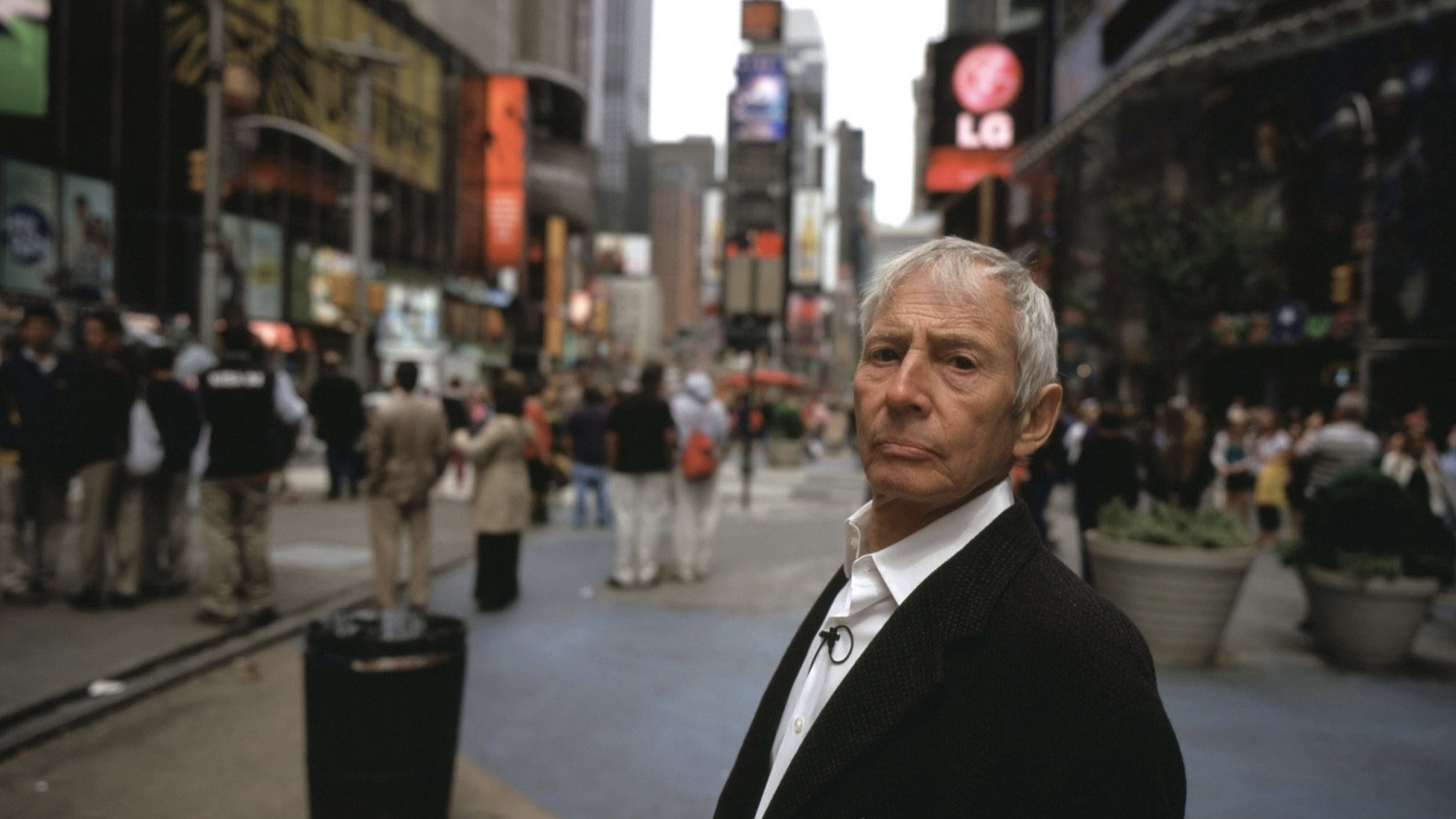
In 2001 a torso is pulled from Galveston Bay, Texas, and the man arrested for the killing is Robert Durst, heir to a New York property fortune, who has been living in the town disguised as a mute woman. Director Andrew Jarecki has already made a feature about him, All Good Things (2010), and after seeing it Durst telephones and offers to be interviewed. Those interviews run alongside the two earlier cases that shadow him: the disappearance of his wife Kathleen Durst in 1982 and the shooting of his friend Susan Berman in Los Angeles in 2000. Kathleen’s friend Gilberte Najamy, Galveston detective Cody Cazalas and prosecutor Jeanine Pirro give their accounts, and Durst gives his.

Plays from YouTube when you press play; nothing loads from them until then.

Fi1m review

Andrew Jarecki’s six-part documentary is superbly cut and hard to stop watching, and it is uncomfortable to enjoy. Robert Durst talks and the editors let him; only the slow-motion reenactments and a swelling score stand between it and something remarkable.

Andrew Jarecki had already made a feature about Robert Durst, All Good Things (2010), when Durst rang him and offered to talk. That phone call is the foundation of The Jinx: six episodes, first shown on 8 February 2015, built around some 20 hours of interviews with the heir to a New York property fortune about the three deaths that have followed him for thirty years. It is superbly made, and it is uncomfortable to have enjoyed as much as we did. Both of those come from the same source, which is Durst himself.

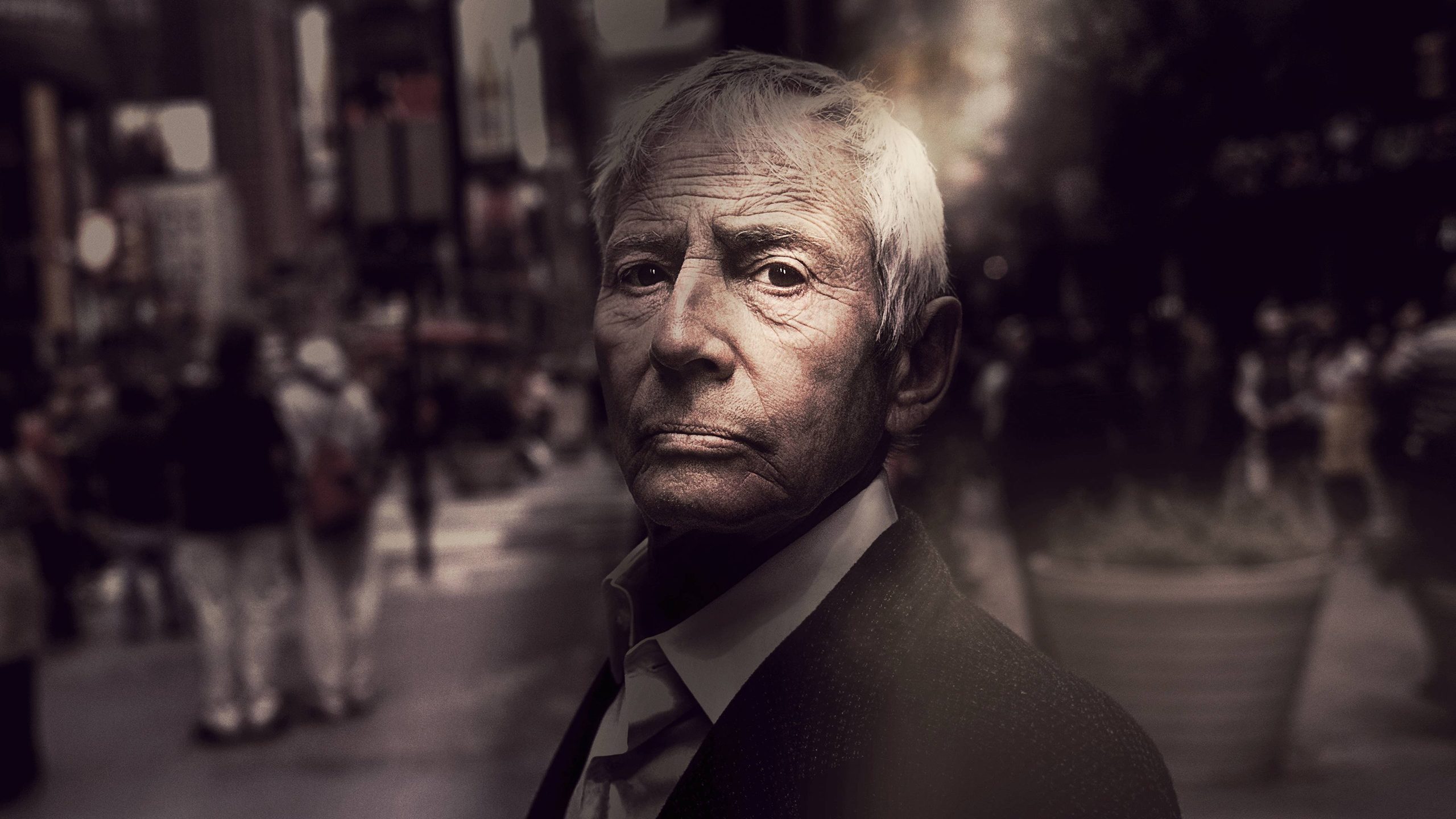
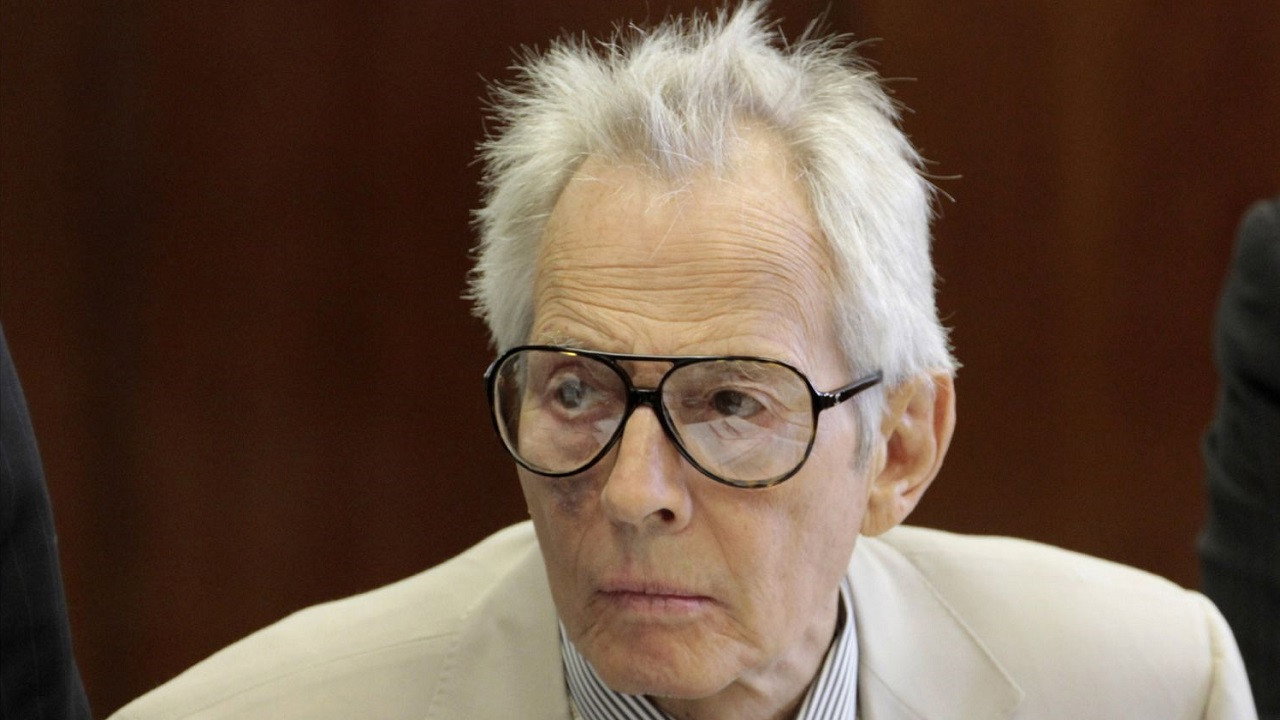
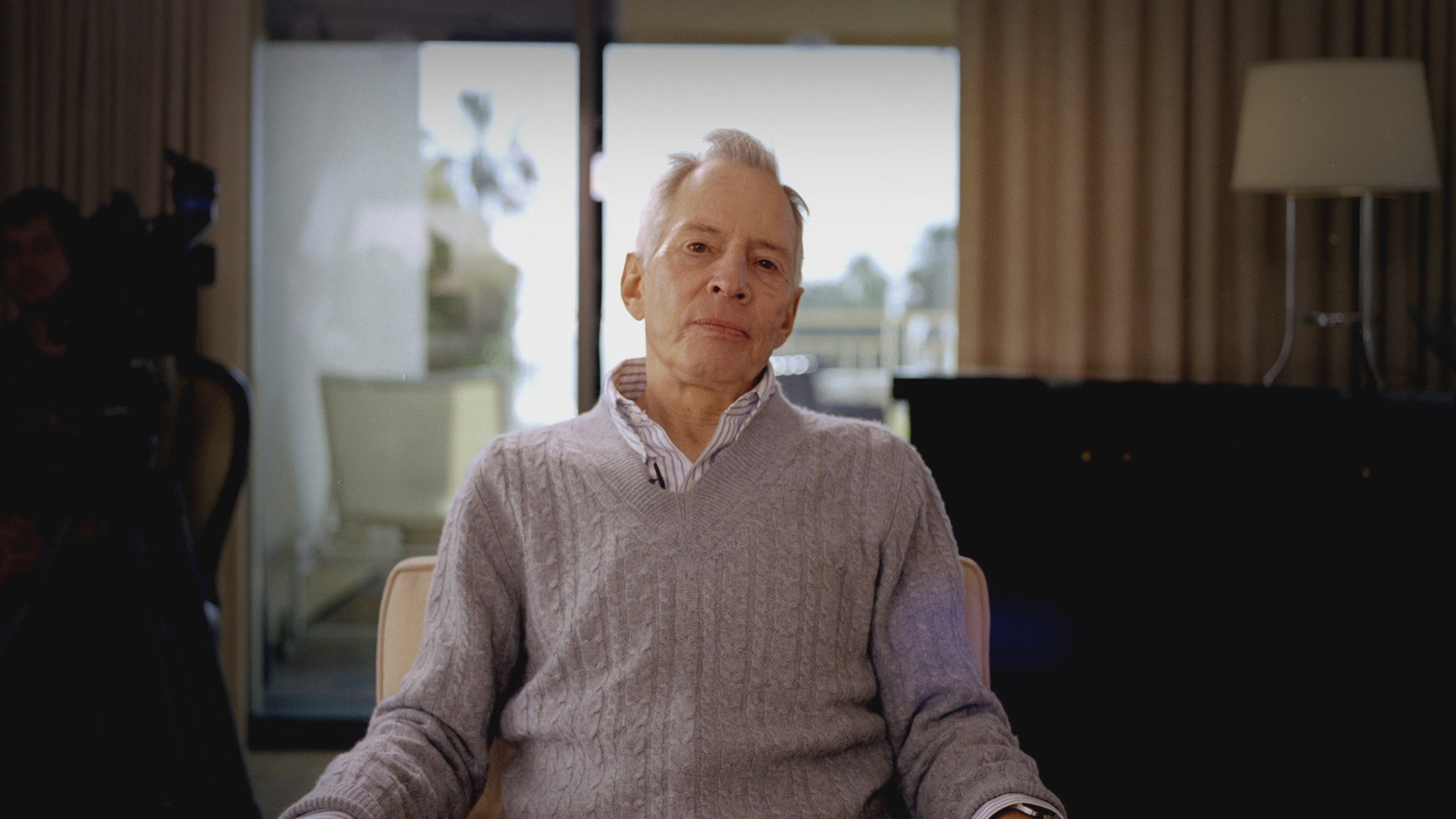
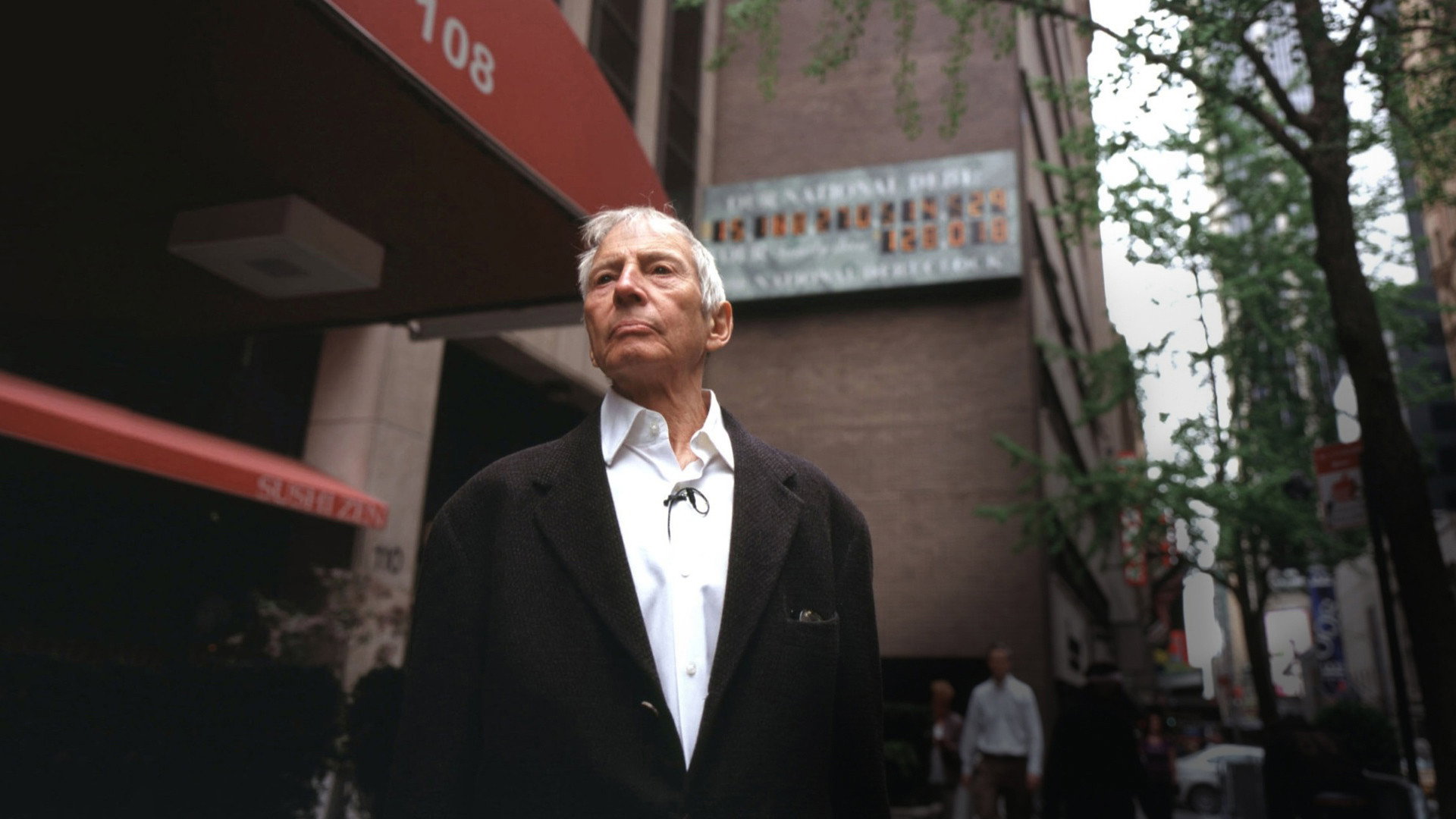
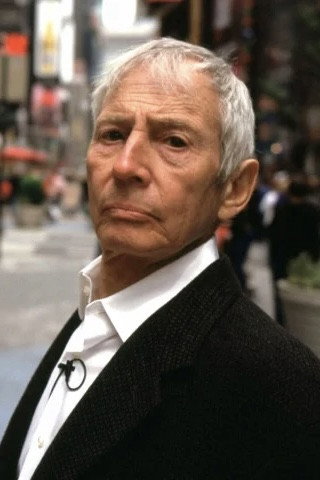
David Paul Jacobson and Marc Smerling shoot him close, in a dark room, with nothing behind him to look at but his own face. He blinks a great deal. He answers questions no lawyer would let him answer, about the body he cut up in Galveston, Texas, in 2001, in a flat, reasonable voice, as if describing a difficult afternoon at the tip. Zac Stuart-Pontier, who created the series with Jarecki and Smerling and is one of its seven credited editors, holds the shot after each answer is finished, and those held seconds are where the programme lives. We spent them leaning forward.

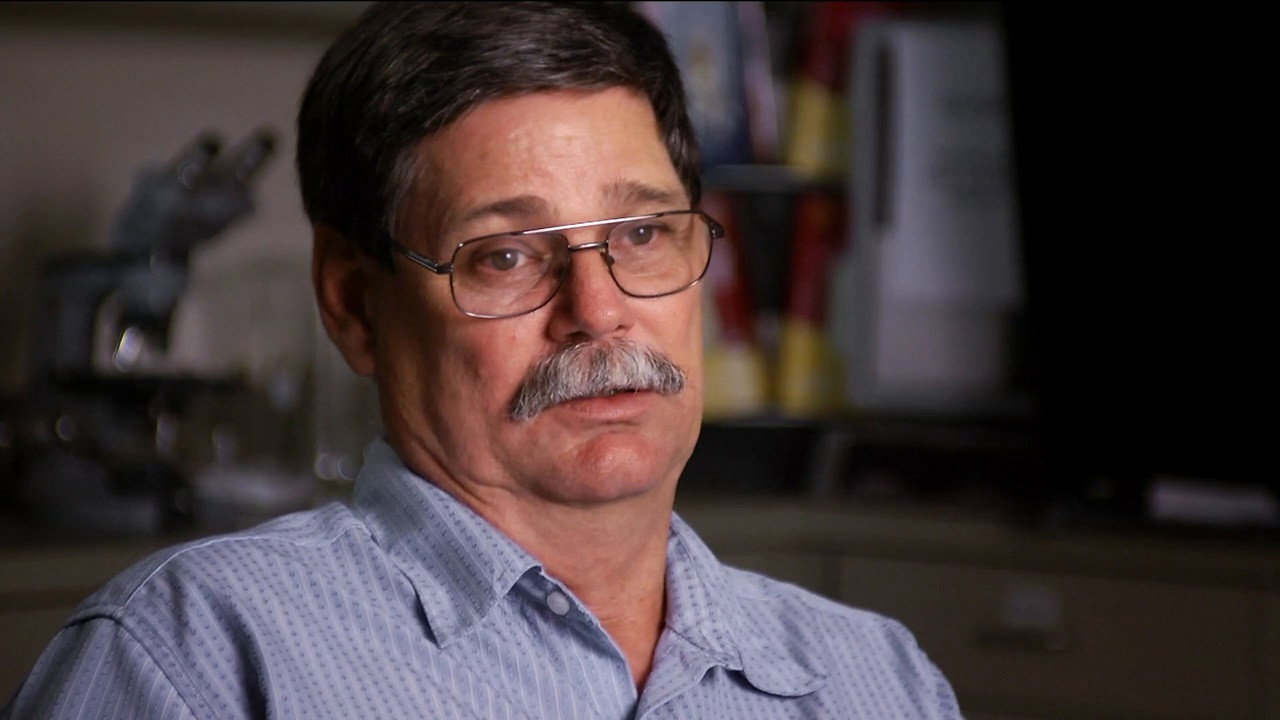
The structure is three cases in turn: the disappearance of Durst’s wife Kathleen Durst in 1982, the shooting of his friend Susan Berman in Los Angeles in 2000, and the killing in Galveston. Around the interview the editors lay archive, court tape, local news and the people who were there. Jeanine Pirro, the prosecutor who reopened the Kathleen case, is sharp and plainly enjoys the camera. Cody Cazalas, the Galveston detective, is the opposite, a man who says what he found and stops. Charles Bagli, the New York Times reporter who has covered Durst for years, supplies the family history.

It is Kathleen’s friends who keep the series honest. Gilberte Najamy and Ellen Strauss talk about her as a person rather than a case, and Najamy’s anger has not softened in three decades. It moved us more than we expected; for a few minutes the programme is about a young woman who was training to be a doctor and not about the odd man who married her. Those minutes are rare, and the series knows it, and it goes back to him.

What does not work is everything that tries to make this look like a thriller. The reenactments are shot in slow motion with the colour drained out: a car on a wet road, bin bags in dark water, a woman’s back walking away. West Dylan Thordson’s score, strings over a low pulse, swells under them every time, and under a good deal else. None of it is needed. The facts are strange enough on their own, and each time the series dresses them up we were reminded that somebody was deciding how a real death should look.

The larger discomfort is Durst. He is odd, dry and now and then funny, and by episode four we realised we were enjoying his company. Then he would describe something involving a saw and we would remember what we were enjoying. The series is built to produce exactly that lurch and it produces it well, but a programme that puts its subject this close for this long is making a bargain with him, and the people he is accused of harming are on screen for a fraction of his time. Jarecki and Smerling appear as themselves, on the telephone and in edit suites, and by the last two episodes the series has quietly become about their pursuit of him. That is gripping. It is also a change of subject.

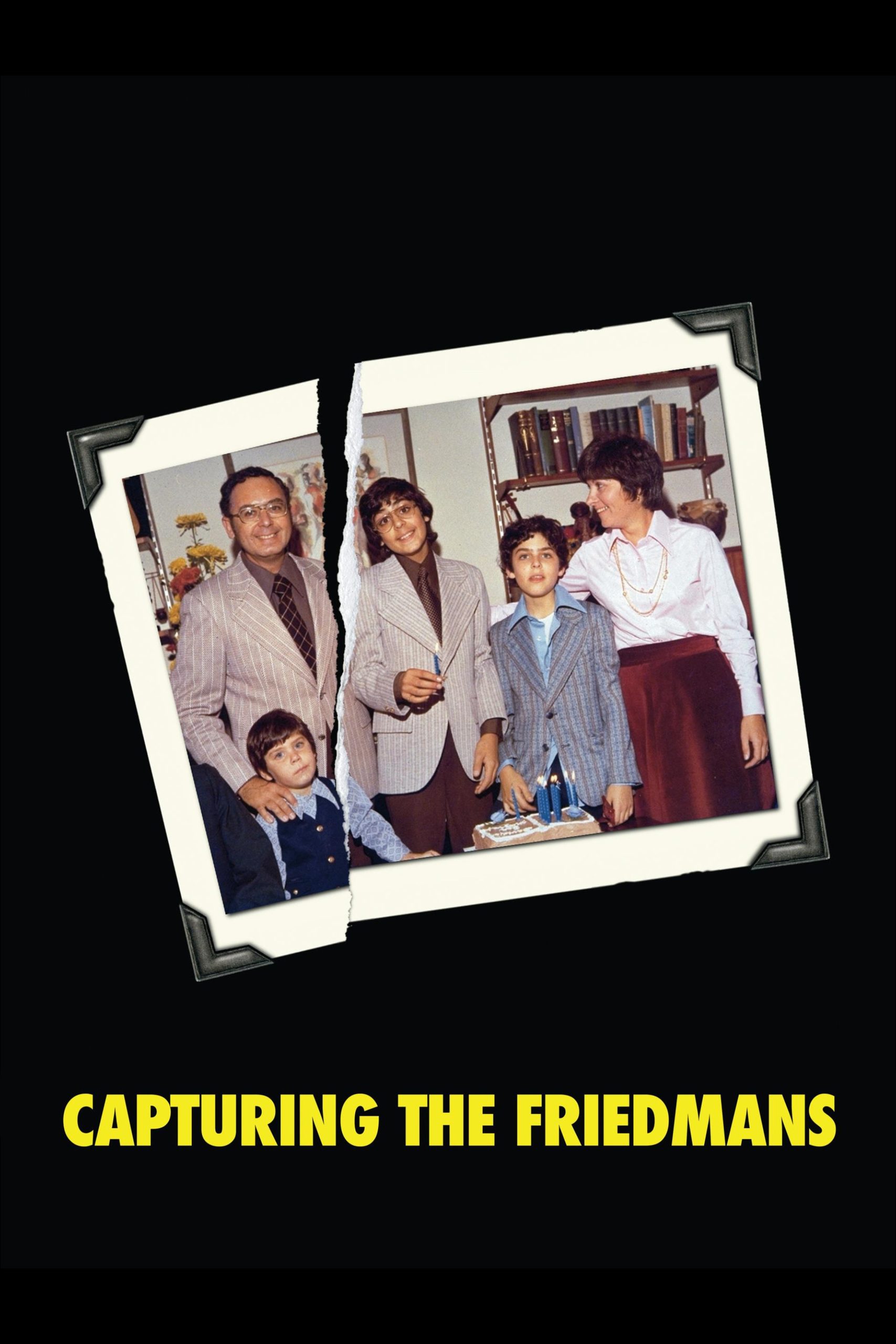
Jarecki’s Capturing the Friedmans (2003) set two accounts of a crime against each other and refused to choose. The Jinx chooses, and it chooses with the tools of drama rather than of evidence. That is why it is hard to stop watching. It is also why you should keep your judgement about you while you do. The final minutes of episode six we will not describe, and you should not let anyone describe them to you either.

A second run of six episodes, Part Two, followed on 21 April 2024. Watch the first six one a night, with someone to argue with, and keep the light on for the last one.
Critical consensus AI synthesised

69
Positive
5
Mixed
0
Negative
1

Most critics are gripped. Five of the six reviews are positive, and the praise clusters on the access: Jarecki’s hours of interviews with a media-shy subject, and the strange story of how Durst came to sit down at all. Several reviews call the six parts absorbing and note that they build towards a dramatic close. The craft is generally rated above the run of true crime, and one review picks out the recollections of Kathleen Durst’s friends as what keeps the story anchored to real people.

The reservations are about ethics rather than execution. Two of the positive reviews are uneasy about how much room the series gives Durst and how little it gives his victims. Variety finds the reenactments and scoring too cinematic for the material. The one outright dissent is Vulture, which sees only prurient attention to a repellent man and no insight to justify it. The spread is wide, from warm to hostile.

The Guardian
20 August 2015
90*

The gripping six-part documentary tells the stranger-than-fiction story of Robert Durst and builds to a jaw-dropping climax. Jarecki's access to the media-shy subject, including 20 hours of interviews, keeps viewers locked in despite the unsettling subject matter.

Read the full review →
The AV Club
6 February 2015 · B · Joshua Alston
77

The critic calls the series impressively crafted and technically superior to similar true-crime works but finds it morally troubling for handing a platform to Durst, who admits to dismembering a body. It singles out the ethical problems of focusing on the perpetrator rather than victims or potential exoneration.

Read the full review →
The Independent
16 April 2015
70*

Sky Atlantic's HBO import moves true crime upmarket with slick storytelling and unprecedented access to Durst. The series is compelling and jaw-dropping, working towards a dramatic ending, though the approach to real victims raises some discomfort.

Read the full review →
Variety
5 February 2015 · Brian Lowry
70*

The six-part HBO docuseries is gripping and slightly unnerving thanks to Durst’s own interviews and the bizarre backstory of how he came to participate. The absorbing material is let down slightly by unnecessary reenactments and scoring that give it an overly cinematic feel.

Read the full review →
Vulture
6 February 2015 · Matt Zoller Seitz
30*

The review finds the series irksome and troublesome for its prurient focus on Durst as an entitled, emotionally defective figure without deeper insight or redemption. It singles out the subject's revolting presence and the show's approach of presenting him up close as its central flaw.

Read the full review →
Collider
6 February 2015 · ★★★★ · Allison Keene
80

The series is a promisingly twisted true-crime journey that elevates the material with artful reenactments and engaging visuals. It singles out the emotional recollections from Kathleen Durst's friends for grounding the story in reality and empathy.

Read the full review →

Cast

If you liked this, try…

Capturing the Friedmans poster

Capturing the Friedmans

2003 · Jarecki’s earlier film, which asks the same questions and refuses to answer them.

The Thin Blue Line poster

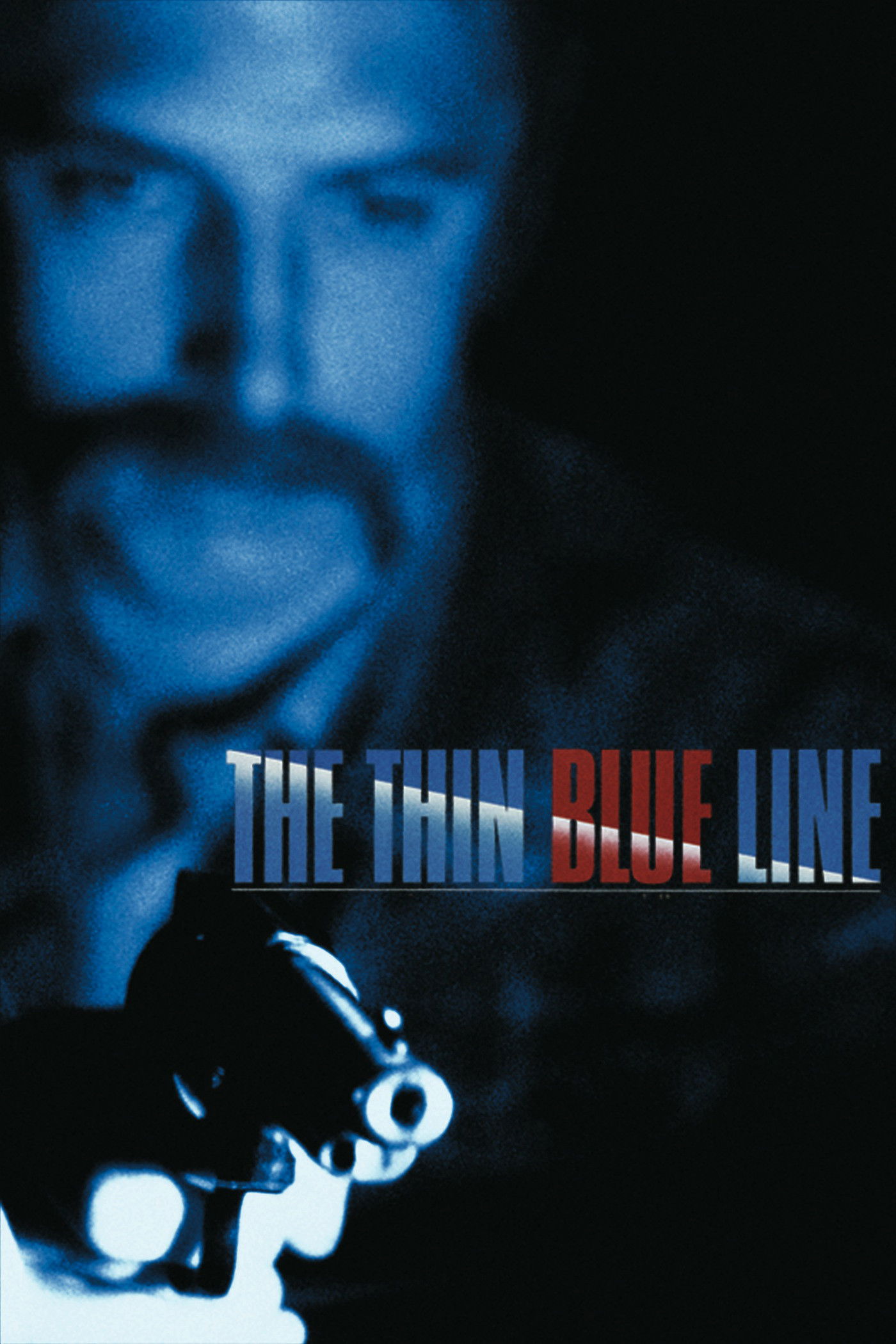
The Thin Blue Line

1988 · Errol Morris invented the reenactment for a reason; here it is used properly.

The Staircase poster

The Staircase

2004 · A French crew follows one American murder trial for years and stays scrupulously unsure.

The Act of Killing poster88

The Act of Killing

2012 · Killers restage their crimes on camera and the discomfort is entirely the point.

The Imposter poster

The Imposter

2012 · A liar tells his own story to camera and you will believe him for a while.