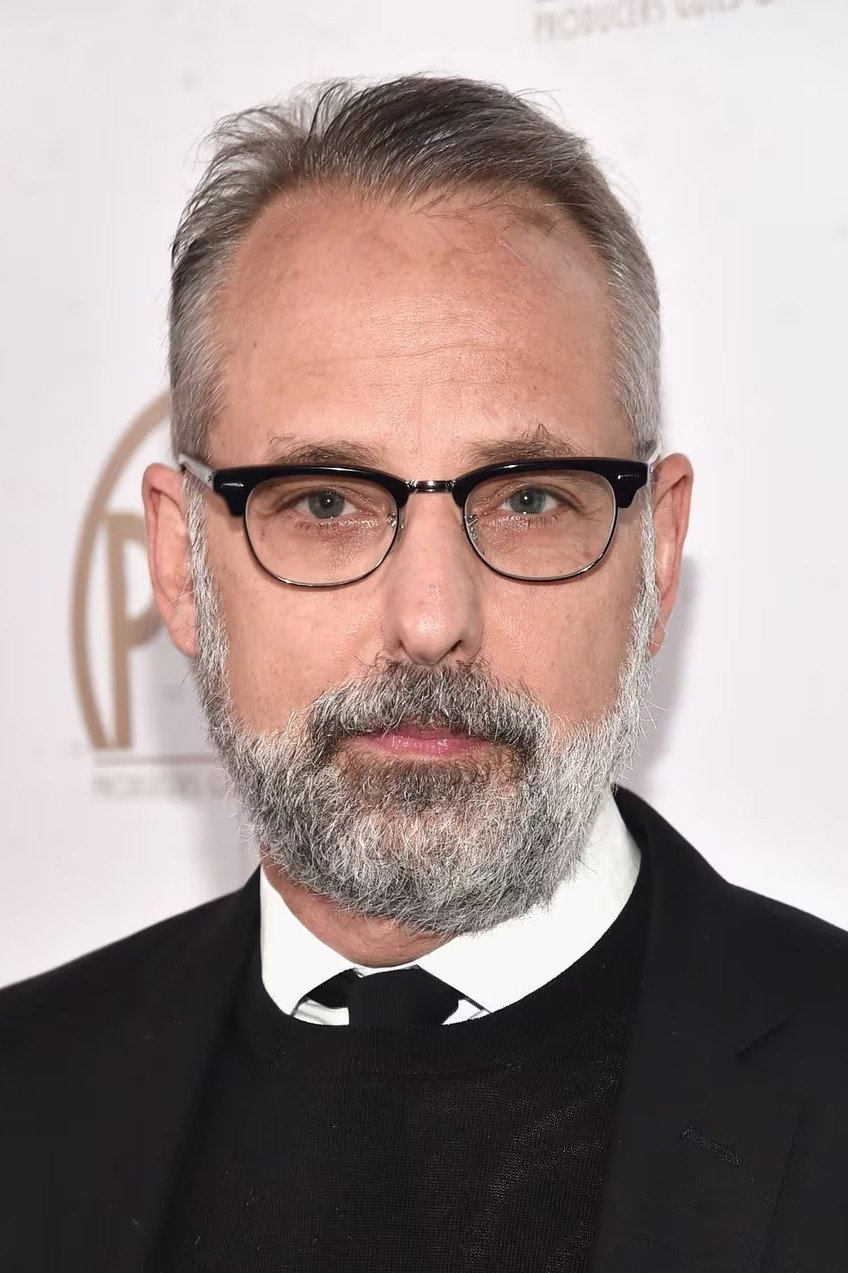
Marc Smerling is the man behind the camera in The Jinx, holding Robert Durst in a dark room until he says too much. Patience is his gift, and the closeness that patience buys is also the thing we worry about.
Fi1m perspective
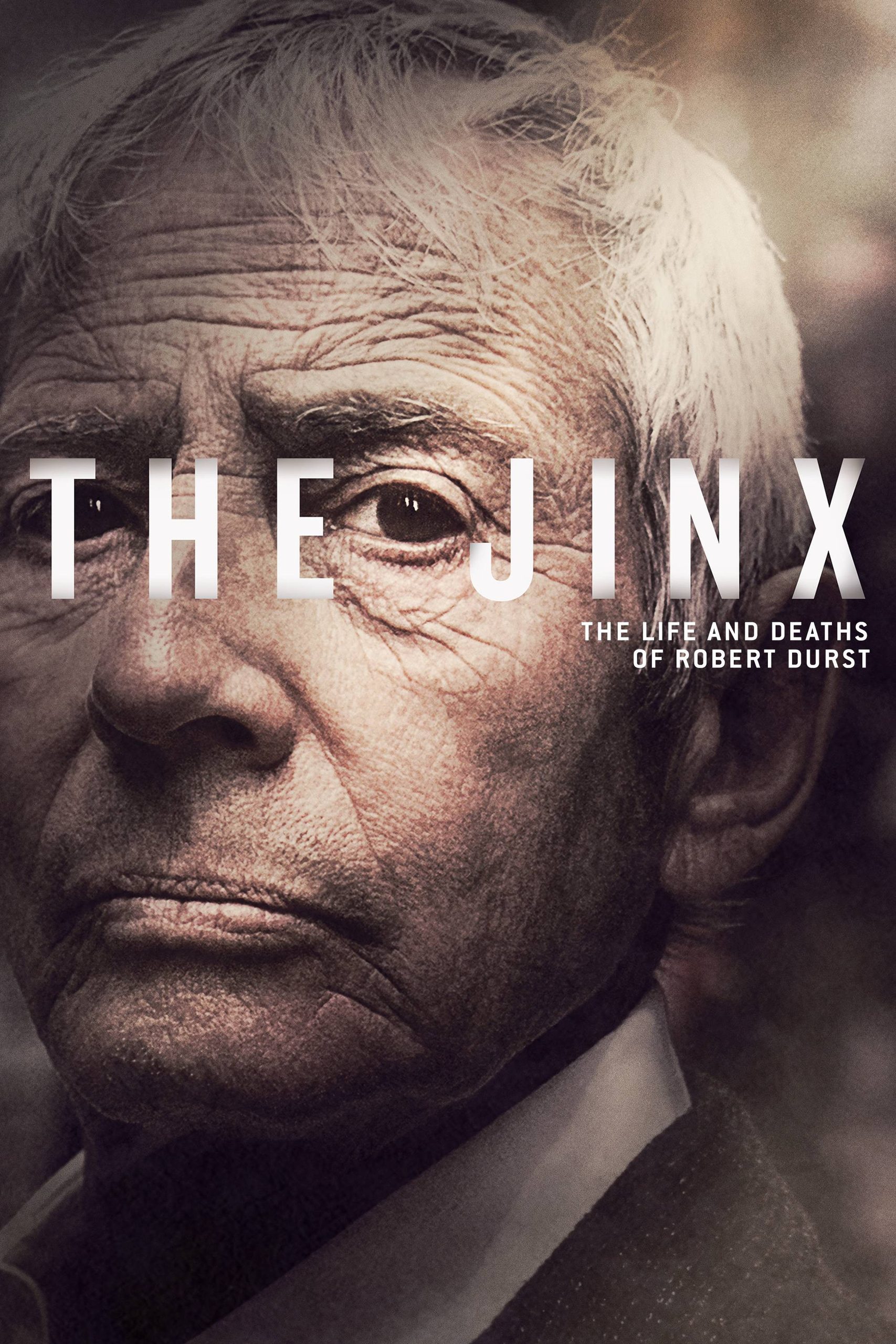
In The Jinx (2015), Robert Durst sits in a dark room with nothing behind him but shadow, and the camera does not move. He blinks a great deal. He describes cutting up a body in Galveston, Texas, in 2001 in the voice of a man recounting a difficult afternoon, and the shot stays on him after the sentence has ended. Smerling shot those interviews with David Paul Jacobson, and the decision to give Durst nowhere to look and nothing to do with his hands is the making of the series. We spent those held seconds leaning forward, and we were not comfortable about it.
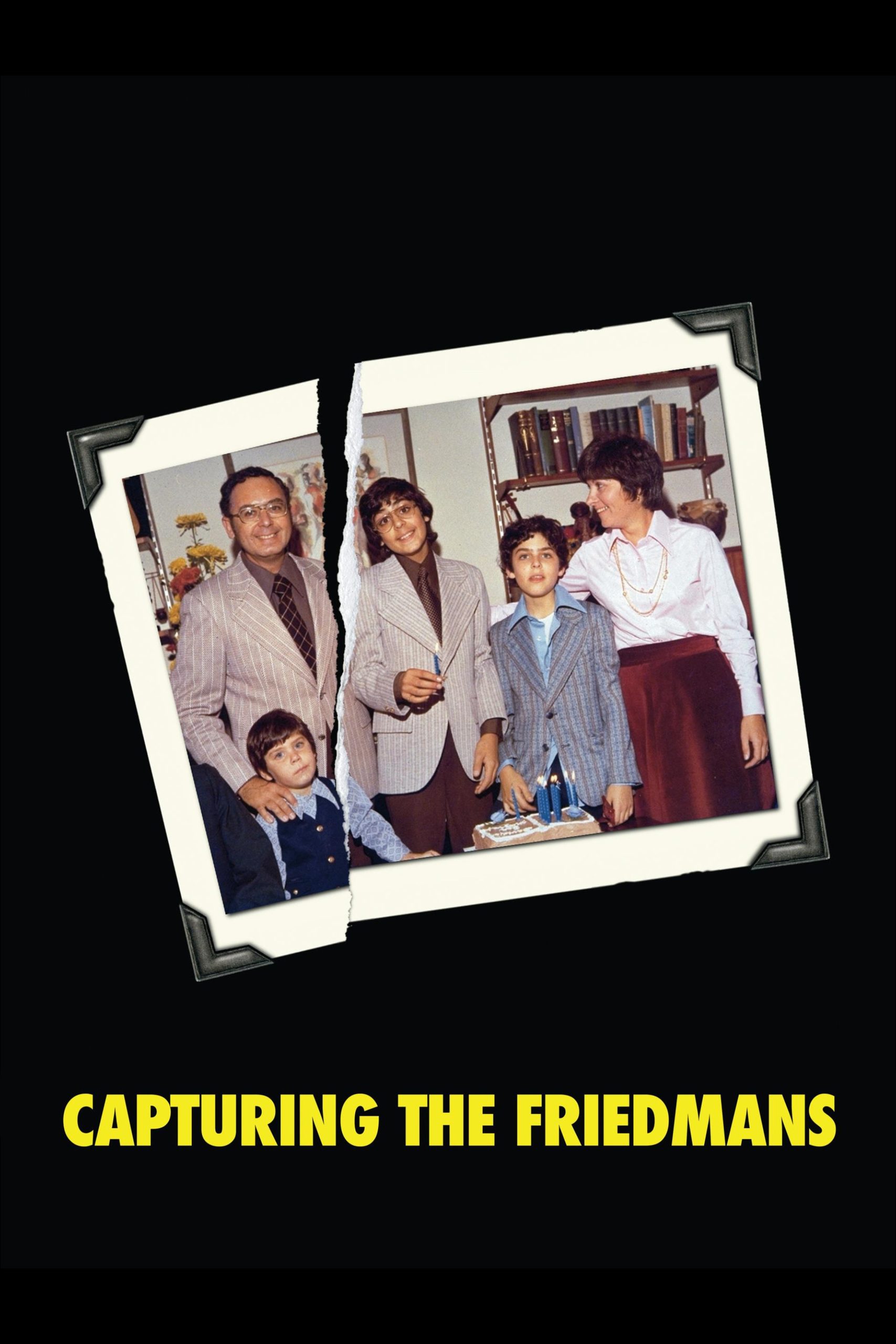
Smerling came to documentaries from newspapers, as a reporter in upstate New York and then an associate producer on NBC documentaries with Tom Brokaw in the late 1980s. He ran a company making commercials and music videos before joining Andrew Jarecki, and it is that partnership that defines the work. He produced Capturing the Friedmans (2003) and Catfish (2010) with Jarecki, then wrote and produced All Good Things (2010), a narrative feature that told the Durst story with actors. From that came The Jinx, which he co-created with Jarecki and Zac Stuart-Pontier, co-wrote, and photographed. Since then he has directed A Wilderness of Error (2020) for FX and turned to podcasts, Crimetown among them.
What he does well is research and patience. His projects arrive with evidence other people did not have, and with a willingness to sit opposite a subject for as long as it takes. In The Jinx the digging and the camera work together: the interviews pay off everything the team has found, and Stuart-Pontier's cutting turns Smerling's held frames into the programme's best minutes. It falters when the makers stop trusting the material. The slow-motion reenactments and the swelling score are the work of people who do not quite believe an old man talking in the dark is enough, when it plainly is.
The larger question is the bargain. A series that puts a man accused of killing people this close, for this long, is making a deal with him, and by episode four we found we were enjoying Durst's company, which the series intends and which we did not thank it for. In the last two episodes Jarecki and Smerling appear as themselves, on the telephone and in edit suites, and the programme becomes about their pursuit of him rather than about the people he is accused of harming. It is gripping. It is also a change of subject, and it suggests a filmmaker drawn to the getting of a story at least as much as to the story itself.
We have only the one series to judge him by here; the rest of the career we know by reputation. On that evidence he is a fine documentary cameraman and a shrewd builder of true-crime stories, at his best when he lets the shot run and at his worst when he decorates it. If he sits down opposite another Durst, we hope he keeps the lights low and leaves the score at home.
Biography
Marc Smerling is an American film producer, writer, cinematographer and director. He is a graduate of Syracuse University’s Newhouse School of Journalism and holds a Master’s degree in film production from the University of Southern California.
Smerling produced the documentary Capturing the Friedmans (2003), which was nominated for an Academy Award for Best Documentary Feature. He co-wrote and produced the narrative feature All Good Things (2010) and produced the documentary Catfish (2010). He served as producer, writer, cinematographer and creator on the HBO series The Jinx (2015), for which he received an Emmy Award as producer and a nomination for cinematography. He directed the FX docuseries A Wilderness of Error (2020).