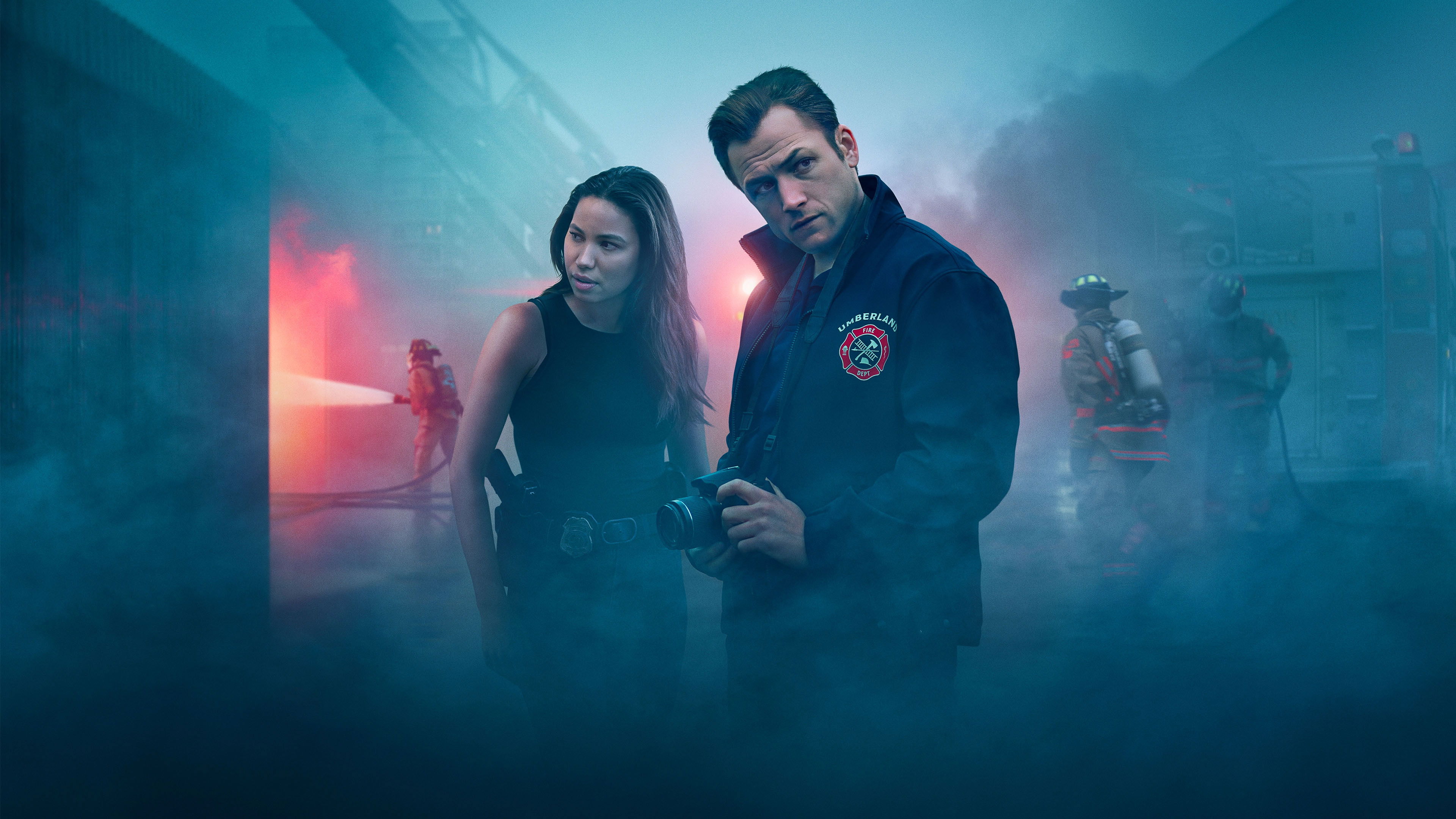
The cast makes Smoke worth considering, especially Taron Egerton and Ntare Guma Mbaho Mwine, but the arson investigation cannot sustain nine episodes. Its later repetitions turn a disturbing crime drama into a frustrating one.
Smoke is worth considering for its cast, though anyone coming chiefly for a tightly plotted crime story should be wary. Across nine episodes, an arson investigation becomes a way of looking at delusion, trauma and the stories people tell about themselves. Dennis Lehane and his fellow writers have good reason to look beyond the business of finding the culprits. The difficulty is that the investigation still has to hold our attention, and too often it seems to be waiting for the characters to finish explaining themselves.
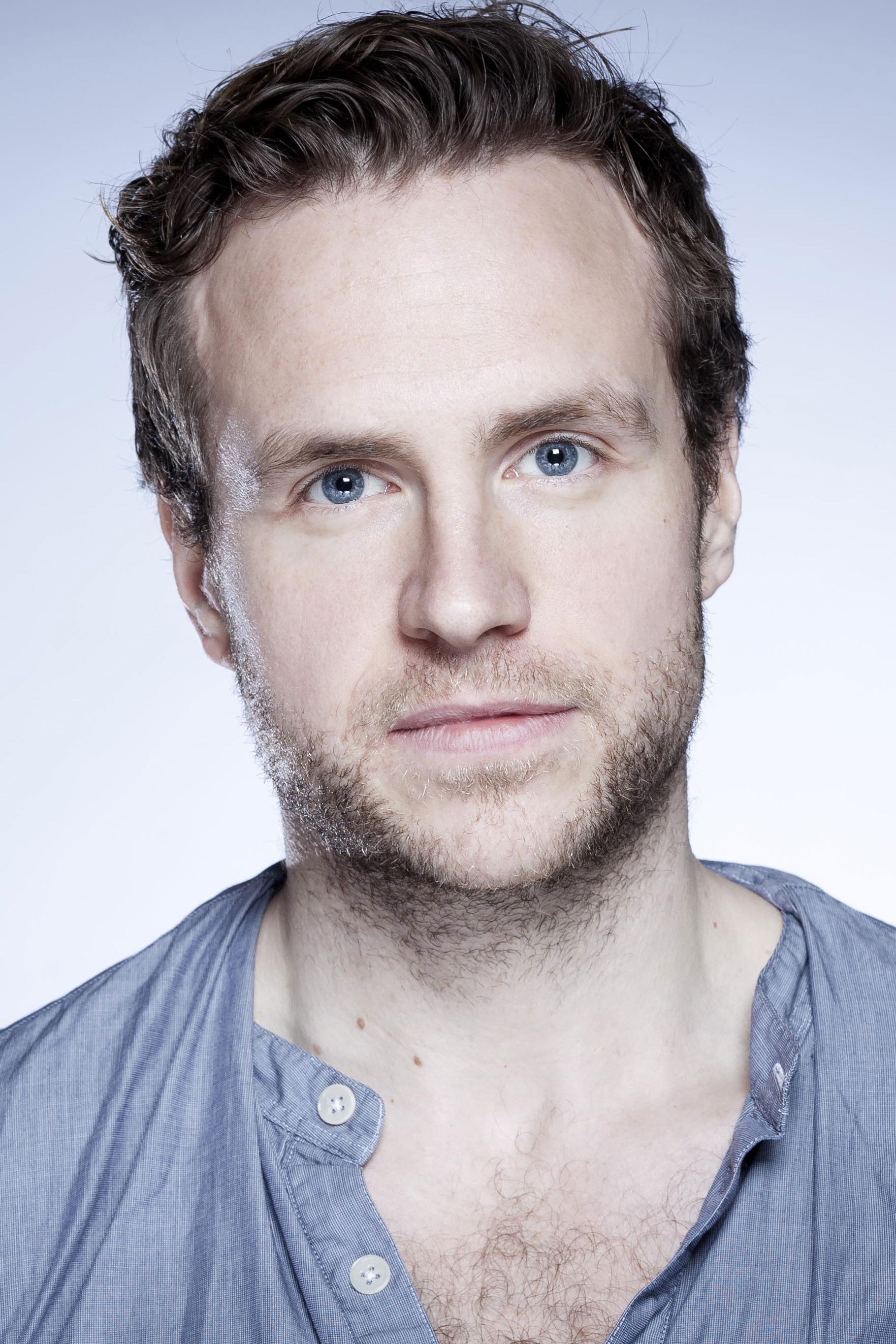
Taron Egerton plays Dave Gudsen with a disquieting confidence that makes his account of himself hard to take at face value. We were unnerved by him: Dave seems so persuaded by his own explanations that there is little chance of talking him out of them. This is difficult acting to sustain, since the audience must remain interested in a man it cannot comfortably accept on his own terms. Egerton manages it, even when the writing makes the same point about him again.
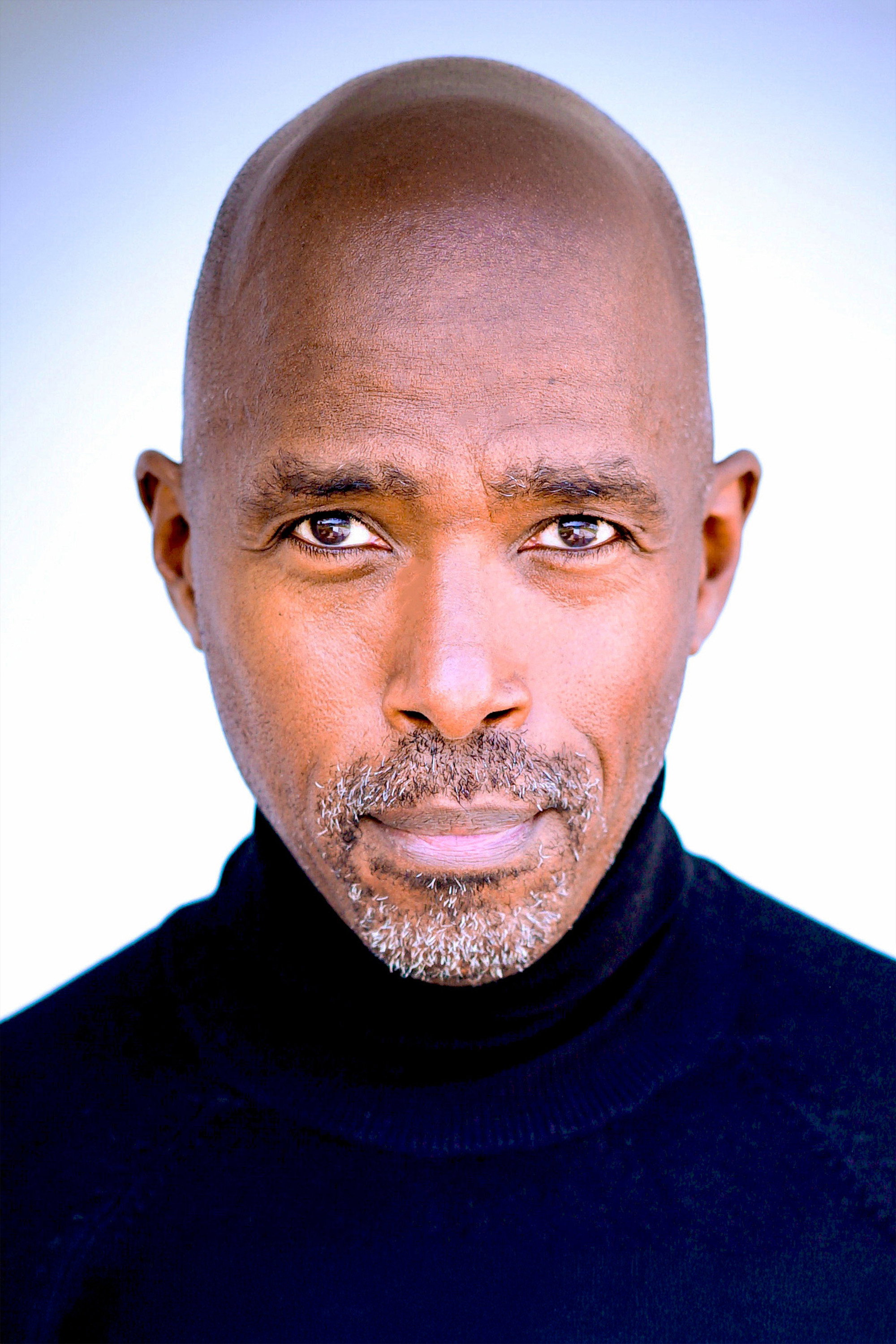
Ntare Guma Mbaho Mwine, as Freddy Fasano, is the stronger reason to stay. He makes Freddy’s distress difficult to treat as just another clue, and the performance remains troubling when the mechanics of the case have become tiresome. Jurnee Smollett-Bell’s Michelle Calderone gives the series another performance worth attending to, though Egerton and Mwine make the stronger impression. There is enough care in the acting to keep these people interesting through passages that do little to advance the pursuit.
François Dagenais and Sam McCurdy make the fires hard to stop watching. Their cinematography makes watching something burn disturbingly attractive, a useful discomfort in a story about arson. Jeremy Stanbridge’s production design is less memorable; the carefully finished surroundings do not tell us much more about the people occupying them. Directors Jim McKay, Joe Chappelle and Kari Skogland give the series a consistent visual confidence, and the images retain their force even when the investigation starts to feel overextended.
The music by Saunder Jurriaans and Danny Bensi sustains a sense of threat, although it cannot supply the urgency missing from the plotting. A cat-and-mouse thriller needs each encounter to change what the pursuer or the pursued can do. Here, the later episodes repeat what the actors have already told us about the characters, and the pursuit loses momentum. Questions about how the plot fits together become harder to ignore as its developments grow less persuasive. The writing needs to make those developments convincing before asking the cast to sell them.
This suits an evening when we want to watch actors working through difficult characters and do not mind taking the long route. It is a poorer choice for anyone hoping to examine the evidence and keep pace with a neatly assembled case. Settle in for the performances, but do not expect the investigation to become more disciplined.