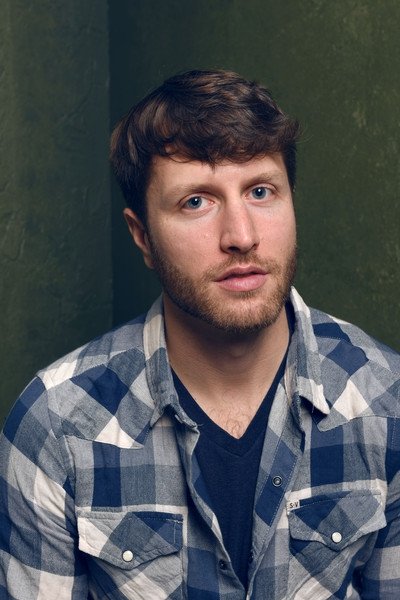
Matthew Heineman makes documentaries by standing where the danger is and keeping the camera running. The footage is often extraordinary. What he does with it afterwards, the questions he asks and the ones he lets go, is where our doubts begin.
Fi1m perspective
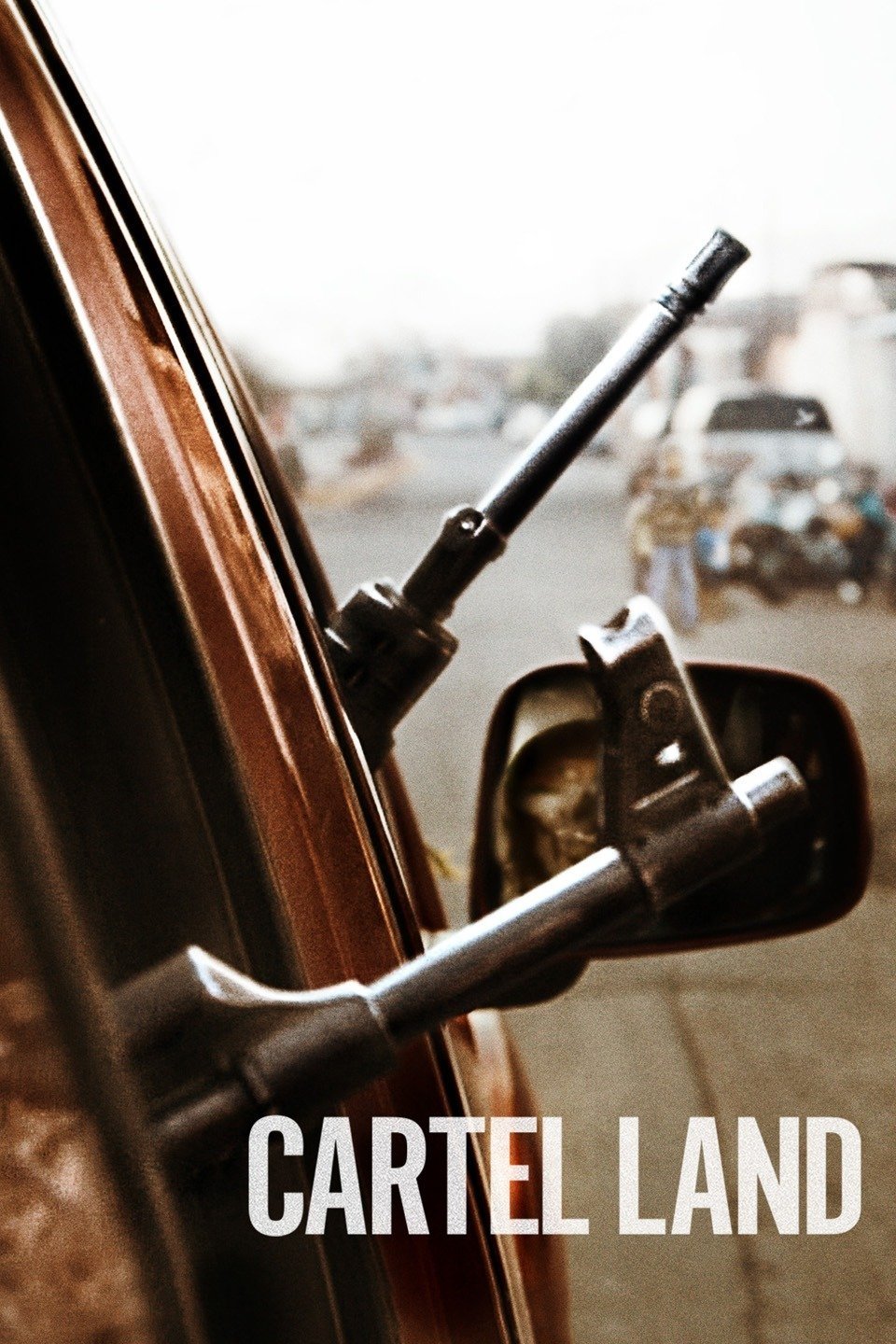
In Cartel Land (2015) a militia rolls into a Mexican town, the shooting starts, and Heineman keeps filming from behind a car door while rounds crack off the walls. The camera drops, swings and finds a face. We were frightened, more than at any staged gunfight we can remember, because nobody had blocked this out and the men in frame did not know how it would end either. That is the Heineman method in one shot: go where the guns are, point the lens at them, and do not narrate.
He came to film sideways, with a history degree from Dartmouth and a camera on a road trip, and has said his aim is "to put my camera in the middle of the action, to show people a world they've never seen before". Our Time (2009) and Escape Fire (2012), co-directed with Susan Froemke, are a warm-up. Cartel Land is the arrival. City of Ghosts (2017) follows Syrian citizen journalists exposing what ISIS was doing in Raqqa. Retrograde (2022) is on the ground for the last days of the American withdrawal from Afghanistan, including at Kabul airport. American Symphony (2023) stays close to the musician Jon Batiste as he writes a symphony while his wife goes through cancer treatment. A Private War (2018), his one scripted feature, is about the war correspondent Marie Colvin, which tells you what kind of person he thinks is worth a film.
What works is the access and the nerve. In Cartel Land he shares the camera with Matt Porwoll and gets into trucks, town squares and meth kitchens. He uses no experts, no talking heads and no voice telling us what to think, and trusts a face to carry an argument. Dr José Manuel Mireles, the physician who raised the Autodefensas, is the face he trusts: easy in front of a crowd and easy in front of a lens. Heineman knows what he has in him and gives him room.
Room is also the problem. The film moves fast, at 101 minutes, and Heineman rarely stops to ask Mireles the questions we were asking from the sofa: who chooses whom to hood, what happens to the men driven off in trucks, whether this is justice or a new set of bosses. The footage raises those questions on its own. The director does not always stay to hear the answer. The story turned out murkier than he had planned, and you can feel it in the cut he shares with Bradley J. Ross, Pax Wassermann and Matthew Hamachek. The Arizona half, a footnote the film insists is a chapter, suggests he sometimes settles the shape before the material has.
He is still the documentary maker we would most want holding the camera when something goes wrong. We would like, just once, to see him put it down and ask the follow-up.
Biography
Matthew Heineman is an American documentary filmmaker, director, producer, cinematographer and editor. He graduated from Dartmouth College in 2005, where he studied history, and founded the New York-based production company Our Time Projects in 2009.
He is best known for Cartel Land (2015), on which he served as director, editor, cinematographer and producer. The film received an Academy Award nomination for Best Documentary Feature, a BAFTA nomination and three Primetime Emmy Awards. His other notable works include City of Ghosts (2017), A Private War (2018), The Boy from Medellín (2020) and American Symphony (2023).