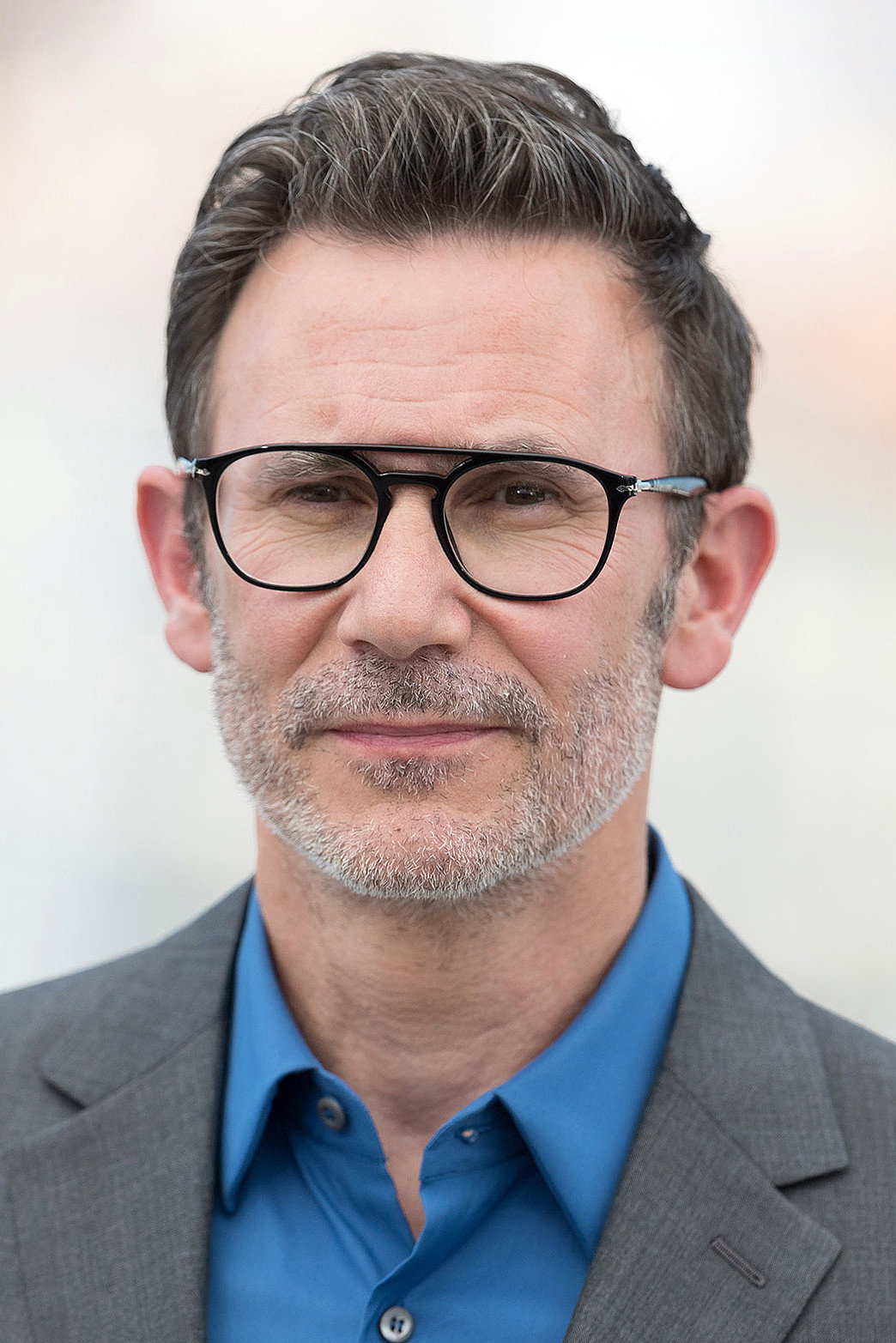
Michel Hazanavicius makes older film styles welcoming, with clear emotions and comedy that need no specialist knowledge to enjoy. We value the warmth; the reservation is that his nostalgia can leave a familiar story looking simpler than it should.
Fi1m perspective
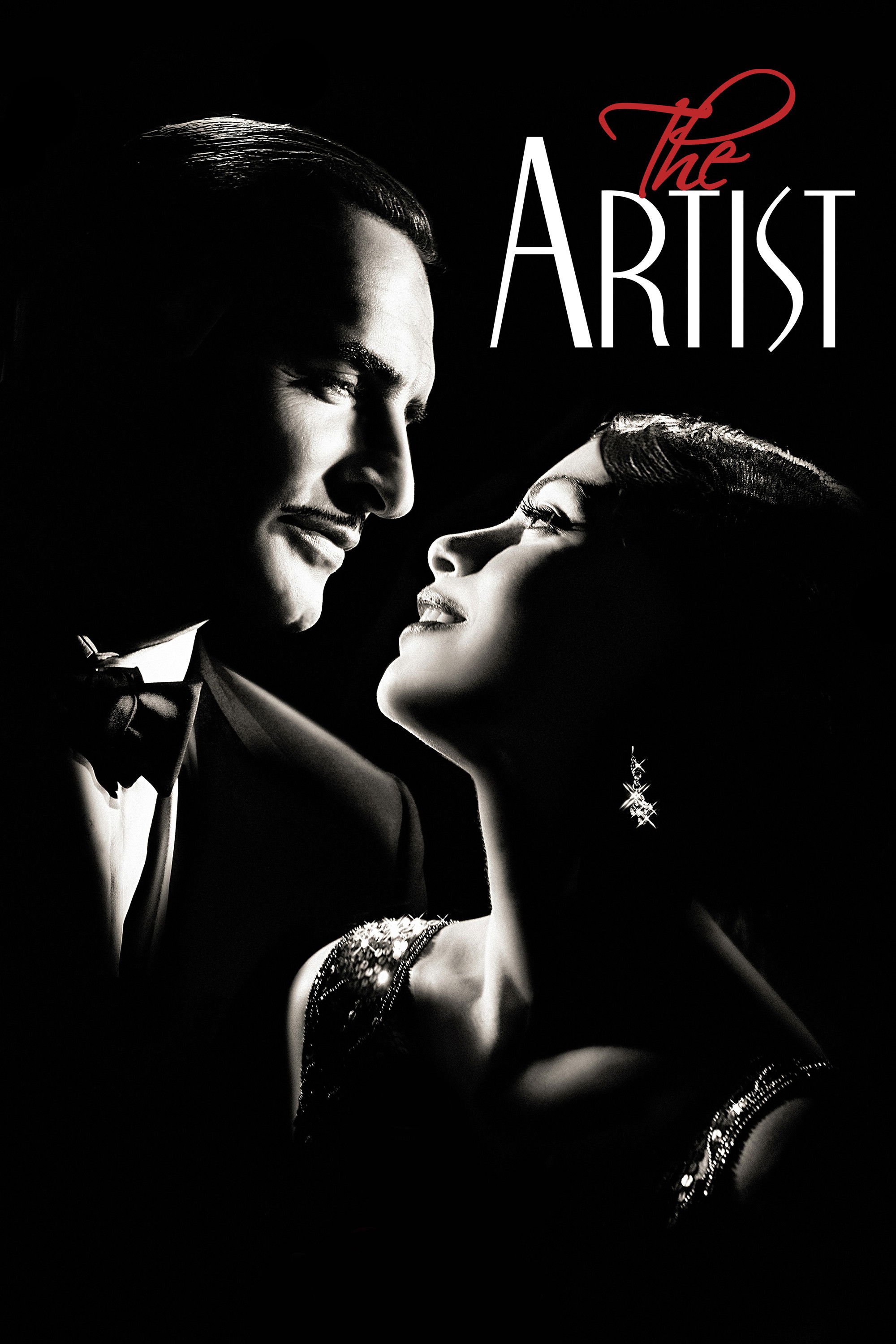
In The Artist (2011), a silent star struggles with talking pictures, and Michel Hazanavicius lets broad gestures and plainly shown feelings tell the story. There is no need to know the films he is borrowing from. We recommend it for its comedy and romance, with a reservation about how long it indulges its hero’s wounded pride. It makes a persuasive case for a director whose interest in old films is most useful when it helps people enjoy a new one.
His fondness for older styles was already clear in OSS 117: Cairo, Nest of Spies (2006) and OSS 117: Lost in Rio (2009), spy parodies built around the conventions of 1960s cinema. The first established his partnership with Jean Dujardin. The move from those spoofs to silent Hollywood in The Artist changed the period, but kept the task of making an old style readable to a modern audience. Guillaume Schiffman is a recurring cinematographer in his work.
Dujardin and Bérénice Bejo give The Artist much of its warmth. We were touched by the romance because their mischief keeps the broad gestures from feeling laboured. Ludovic Bource’s score helps us follow the changes from comedy to sadness without continually telling us how much to feel. Hazanavicius and fellow editor Anne-Sophie Bion keep the comic timing alert.
The difficulty comes when Hazanavicius asks us to keep feeling sorry for George. Bion and Hazanavicius let his troubles repeat an emotional point that is already clear, and the middle grows slow. Nostalgia also makes the upheaval around him seem simpler than it should. The changing film business gets less attention than one man’s bruised pride, so a familiar story is asked to do more than it can.
The Search (2014) marked a turn towards dramatic subjects. Godard Mon Amour (2017) returned to cinema itself through a biopic of Jean-Luc Godard’s early career, while The Most Precious of Cargoes (2024) took Hazanavicius into animation. Those changes are reason enough not to assume that each film will offer the comforts of his period comedies. Start with The Artist, provided a little extended sulking will not spoil the evening.
Biography
Michel Hazanavicius is a French film director, screenwriter and editor. He is best known for The Artist (2011), which he wrote, directed and co-edited. The black-and-white silent film won five Academy Awards, including Best Picture and Best Director for Hazanavicius.
Born in Paris in 1967, Hazanavicius began his career in television on Canal+ in 1988 and later directed commercials. His first feature, Mes amis (1999), starred his brother Serge Hazanavicius. He achieved commercial success in France with the spy parodies OSS 117: Cairo, Nest of Spies (2006) and OSS 117: Lost in Rio (2009), both starring Jean Dujardin. He is married to actor Bérénice Bejo, who appeared in several of his films.