Michel Hazanavicius makes silent-film storytelling feel easy to enjoy, with Jean Dujardin and Bérénice Bejo giving the romance warmth and mischief. The middle dwells too long on wounded pride, but the pleasure is considerable.
Michel Hazanavicius’s The Artist is funny, touching and worth an evening, with one reservation: it spends too long feeling sorry for its hero. The writer-director takes a silent star’s difficulty with the arrival of talking pictures and tells it through silent-film techniques. There is a romance here, and a comedy about professional pride. Neither needs an acquaintance with early cinema to work, although an affection for broad gestures and clearly stated feelings will help.
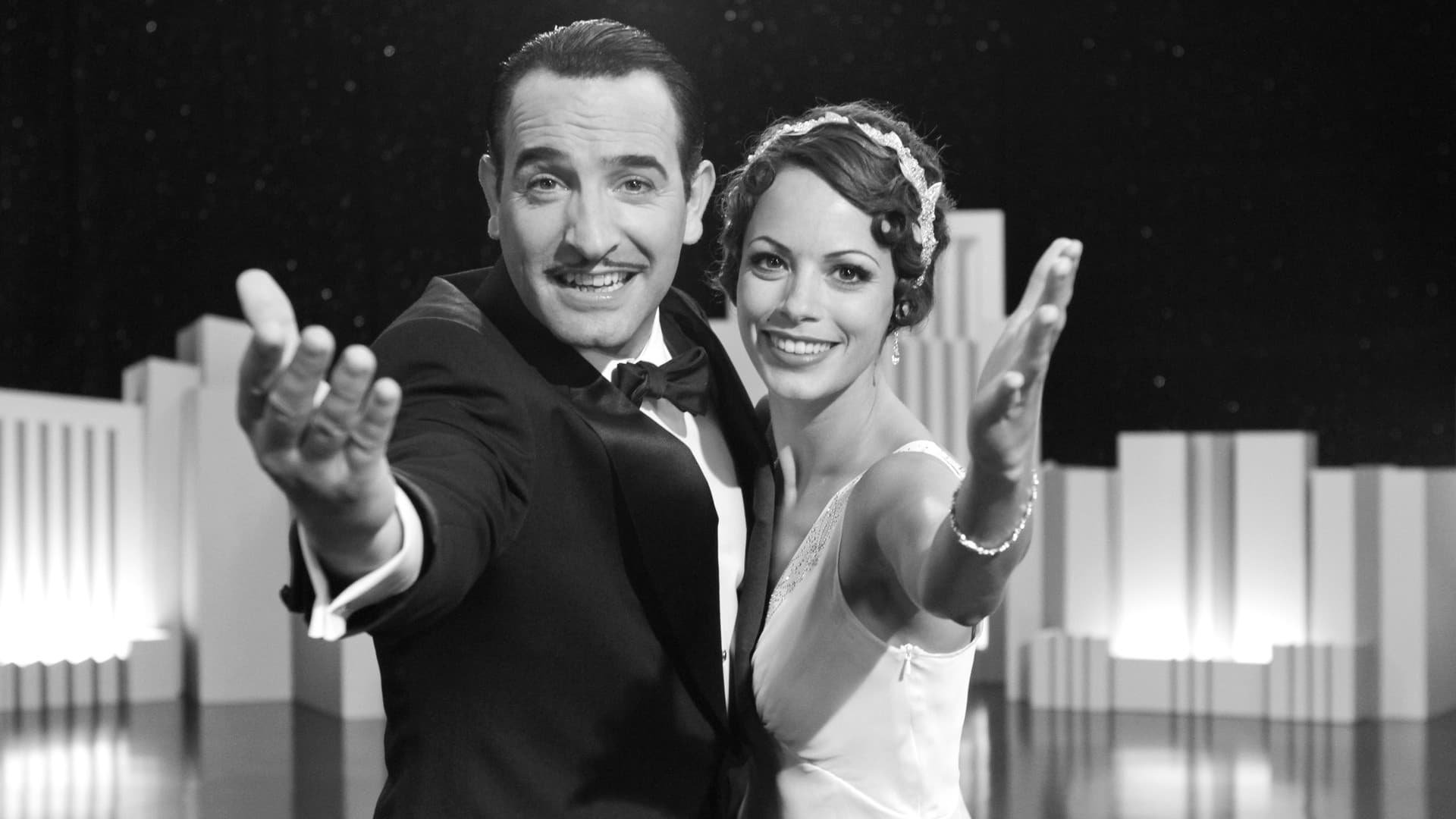
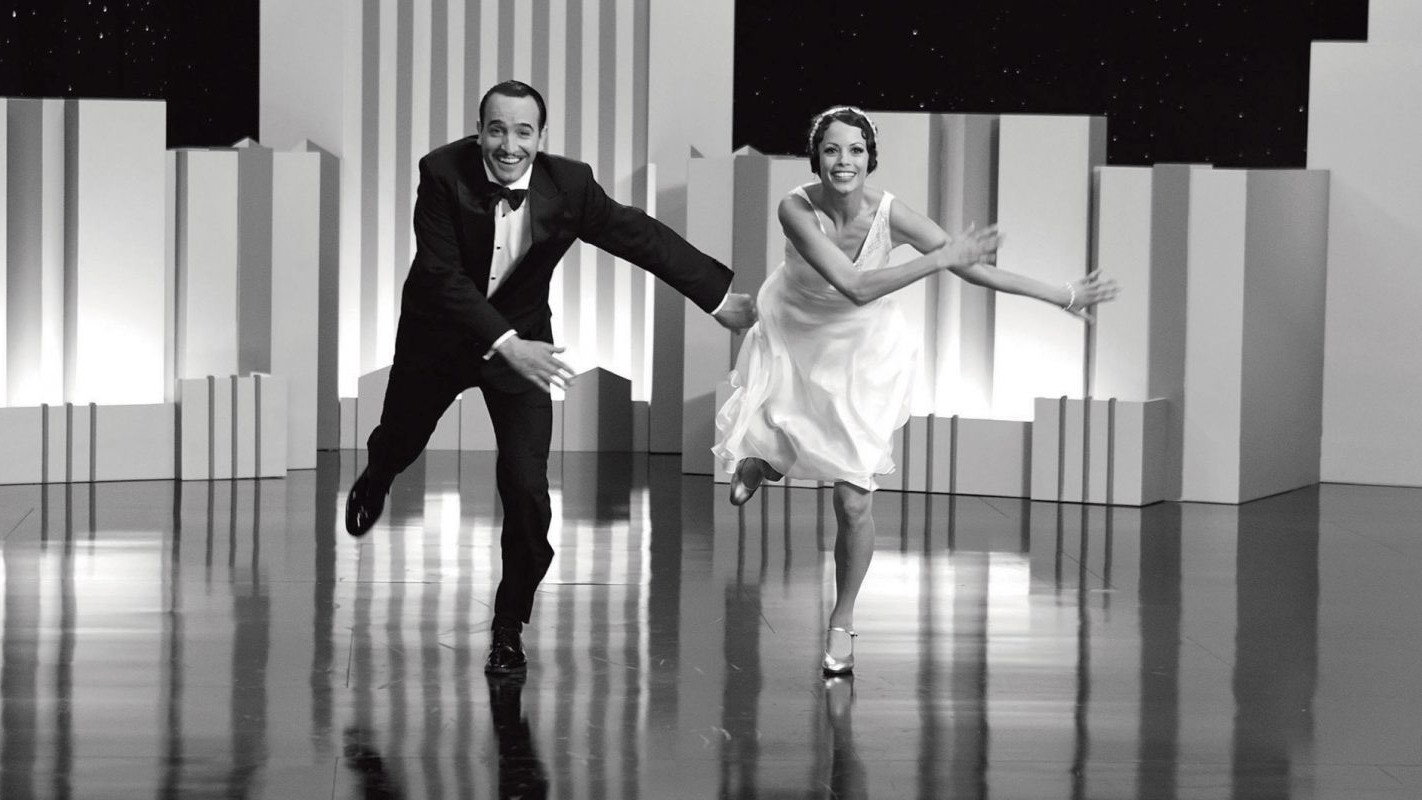
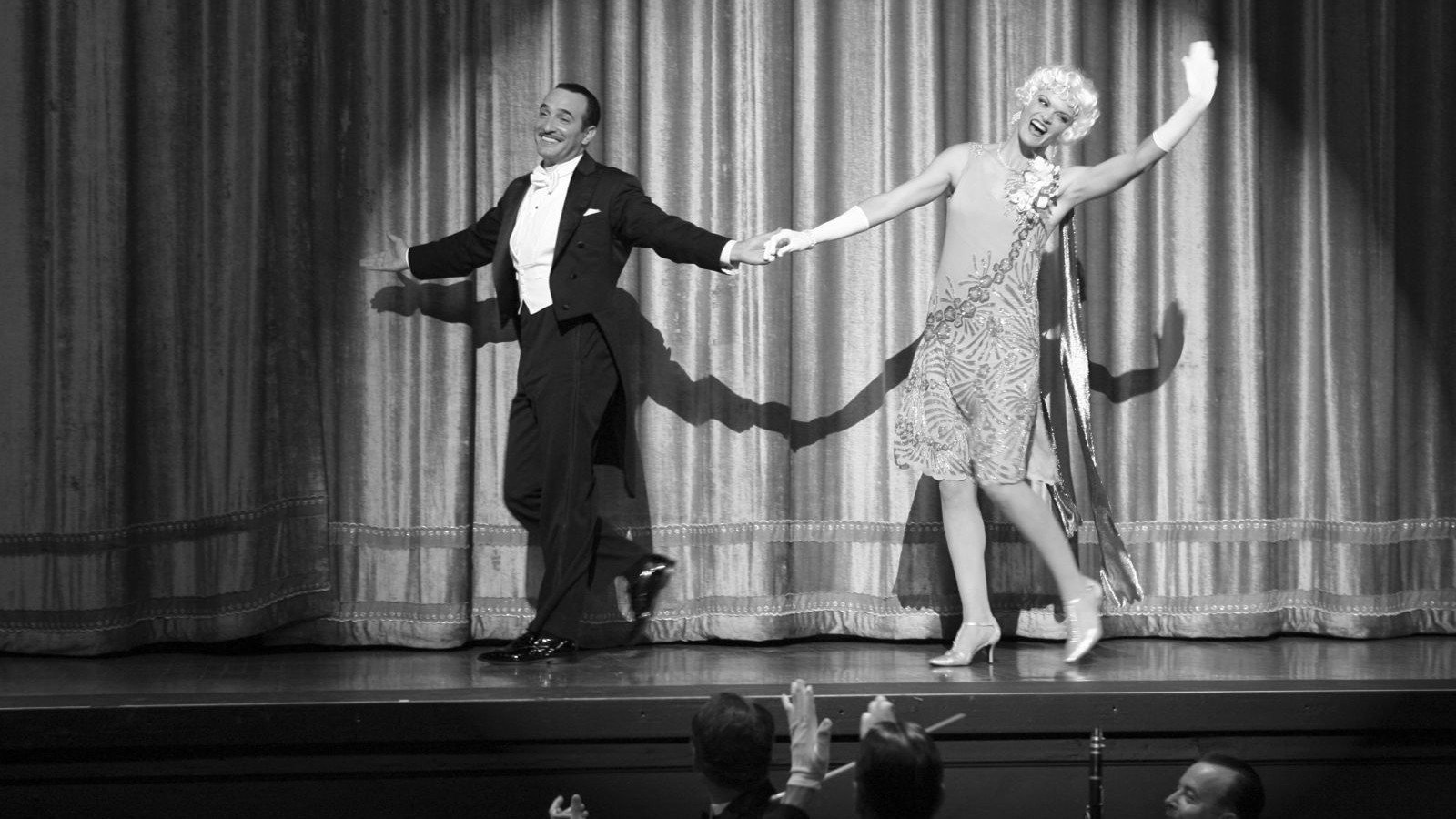
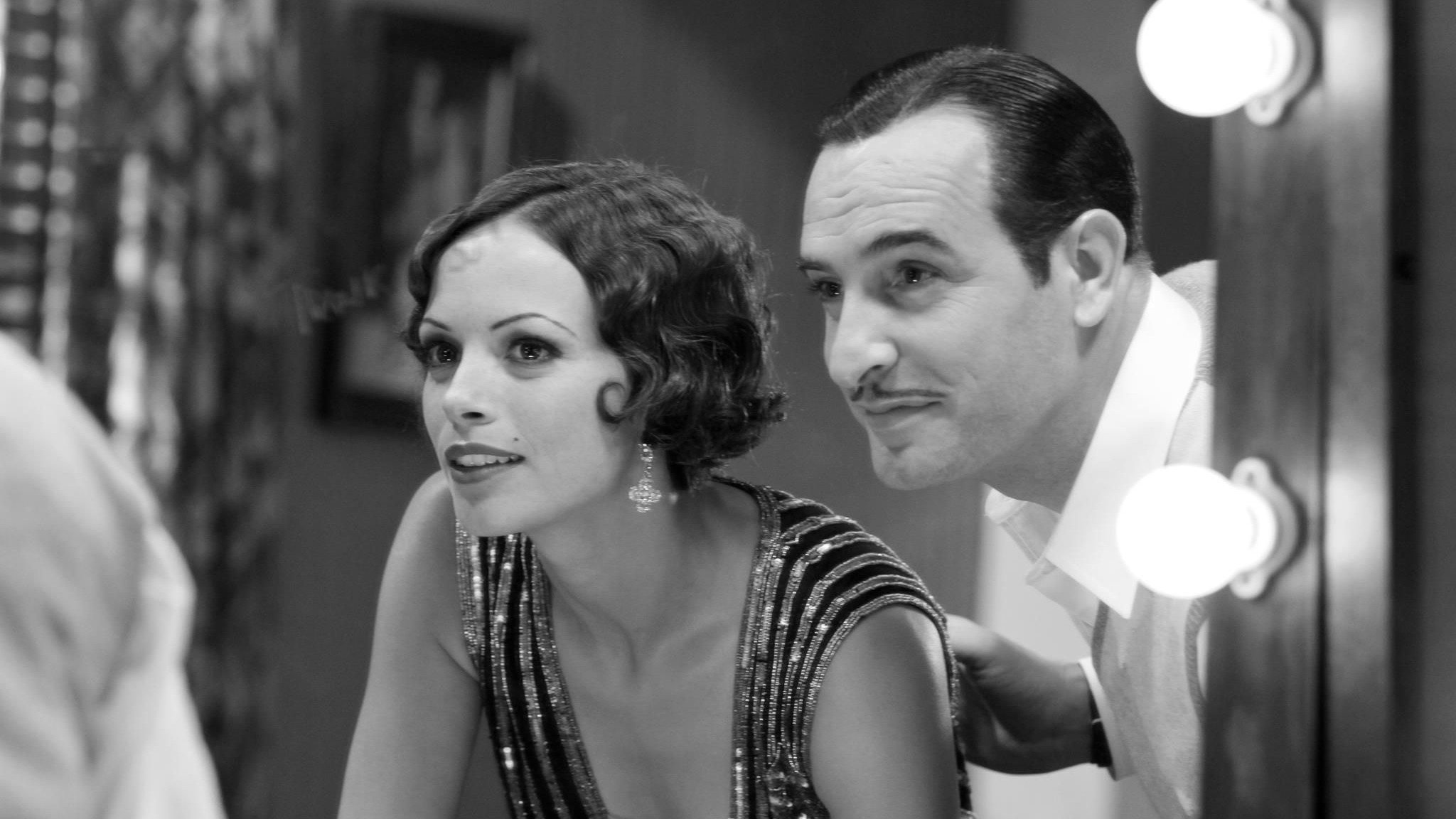
Jean Dujardin plays George Valentin with the confidence of someone accustomed to being watched. His charm matters because George’s pride could otherwise make him tiresome company; Dujardin lets us enjoy the self-importance before asking us to see what it costs. We laughed at Dujardin’s expansive posing, then felt protective of George when his confidence began to fail. It was the contrast between those two ways of carrying himself that got to us. The performance remains clear without making every feeling look simple.
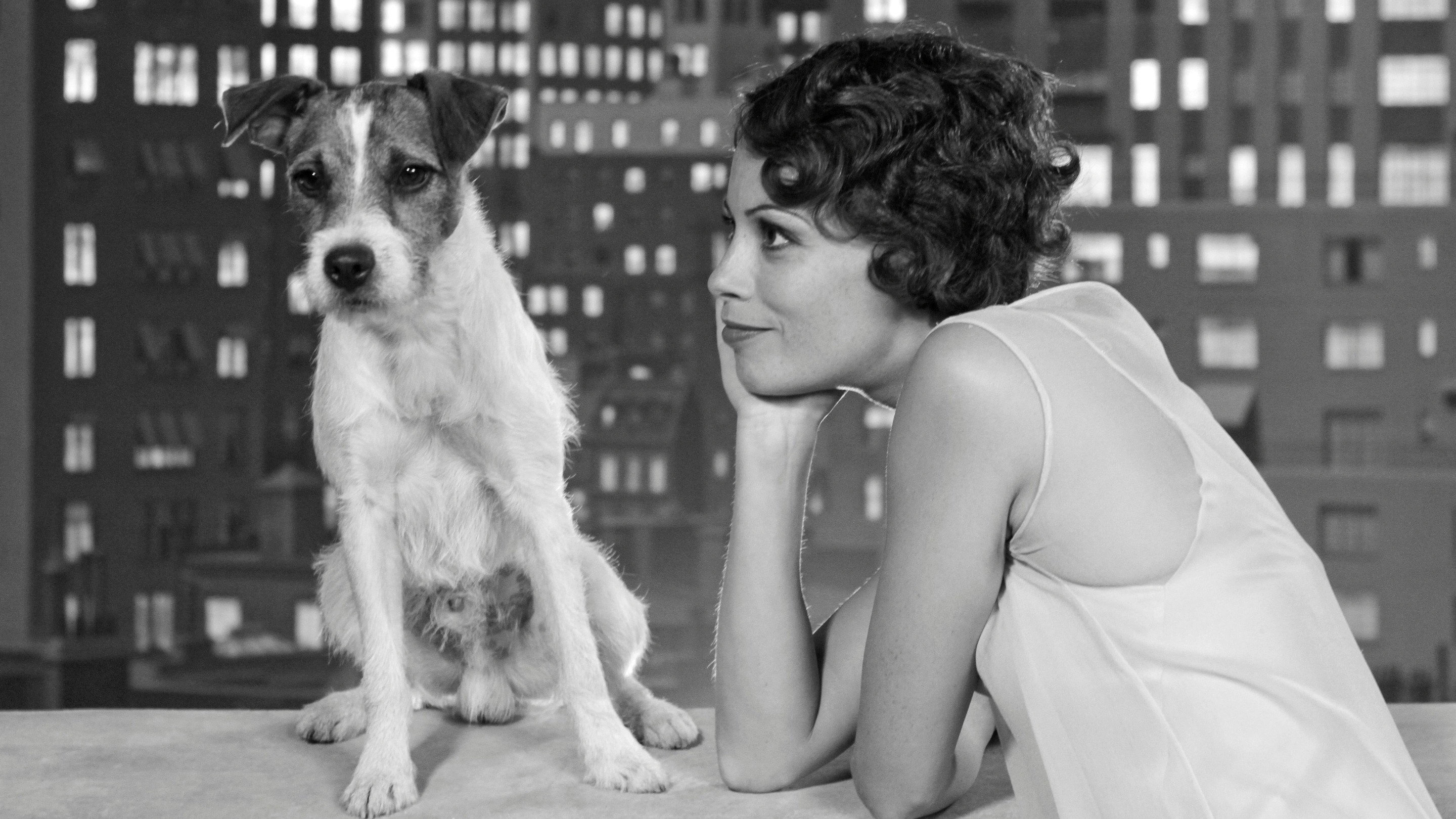
Bérénice Bejo’s Peppy Miller gives him someone worth paying attention to besides himself. Bejo is lively without making the romance feel weightless, and the two performers make attraction readable without spoken explanation. Their exchanges are the strongest answer to the idea that the whole thing depends on the novelty of its presentation. We could have spent more time with them and less with George’s wounded pride.
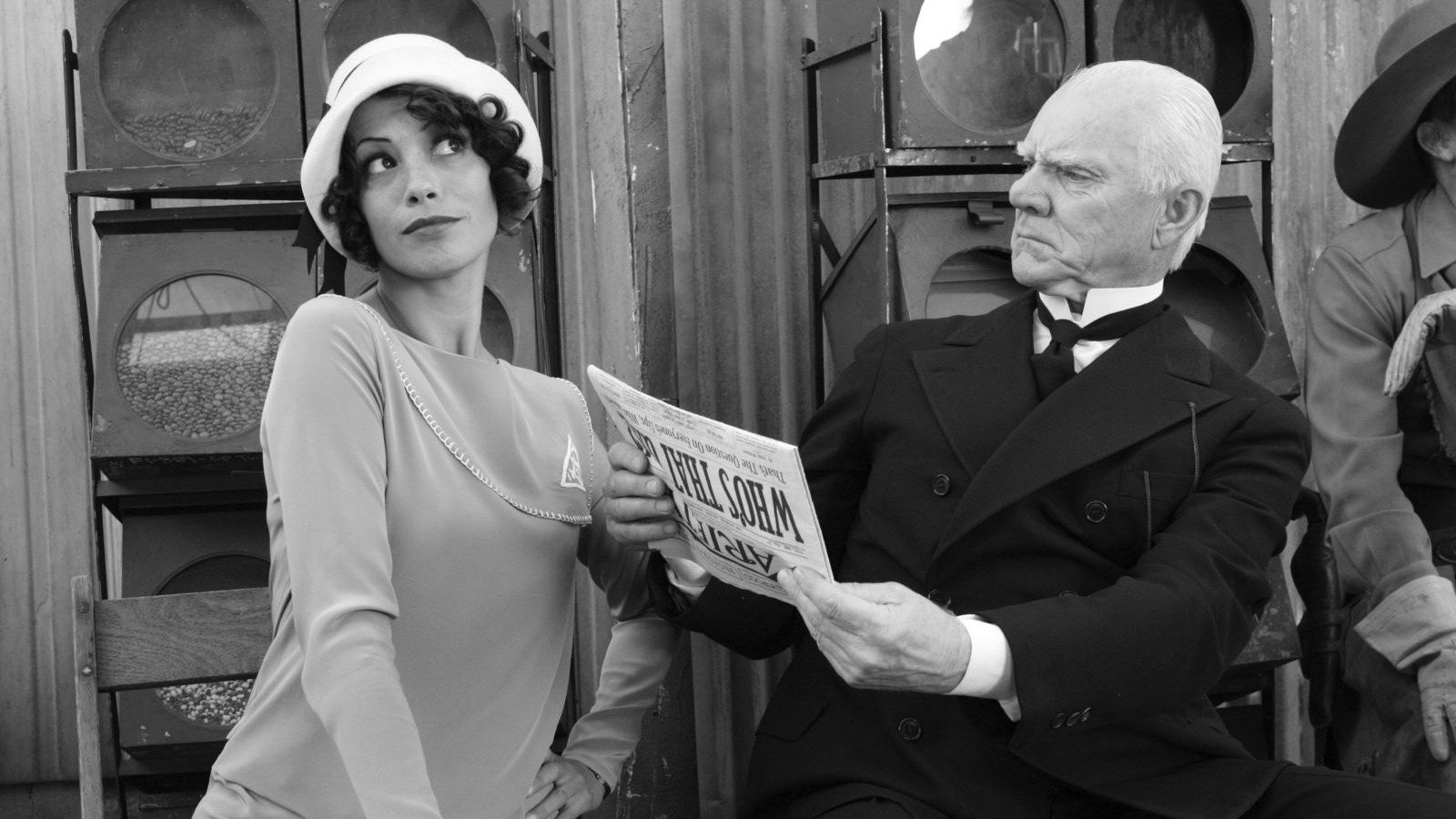
Guillaume Schiffman’s black-and-white cinematography makes the close-ups count: a change of expression is allowed to carry the scene. The images let us follow the actors without straining to interpret them. Laurence Bennett’s production design supplies a convincing old Hollywood setting, though the recreation can feel too tidy for an industry being unsettled by change. That prettiness is pleasant to sit with; it also keeps the story’s harder feelings at a comfortable distance.
Ludovic Bource’s score has a substantial job when so much must be understood without dialogue, and it makes the shifts between comedy and sadness easy to follow. It supports the actors without continually insisting that we admire their feelings. Editors Anne-Sophie Bion and Hazanavicius are less consistent: the comic timing is alert, but the passages devoted to George’s troubles repeat an emotional point we have already understood. At 100 minutes, the film still has room to lose a little.
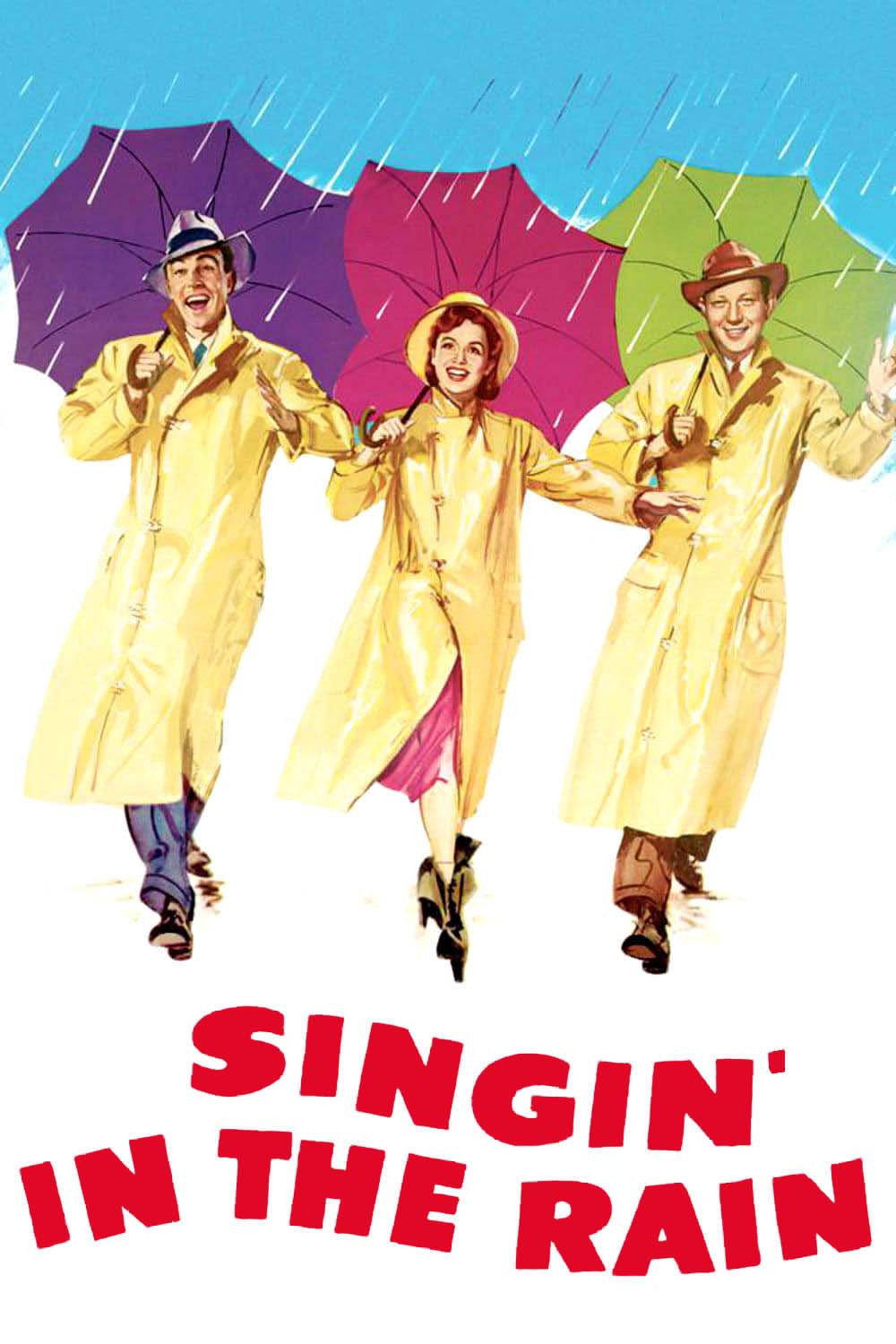
The comparisons with A Star Is Born and Singin’ in the Rain make sense. Hazanavicius uses a familiar Hollywood story to make silent storytelling accessible, and there is no need to recognise its influences to enjoy it. The limitation is that nostalgia can make the upheaval seem simpler than it should. We learn more about the bruising of one man’s pride than about the business changing around him.
Anyone looking for a searching account of the transition to sound should look elsewhere. This is for an evening when a little sentiment seems welcome, and broad comedy does not need an apology. Watch it for the romance, and allow George rather more patience than he has earned.