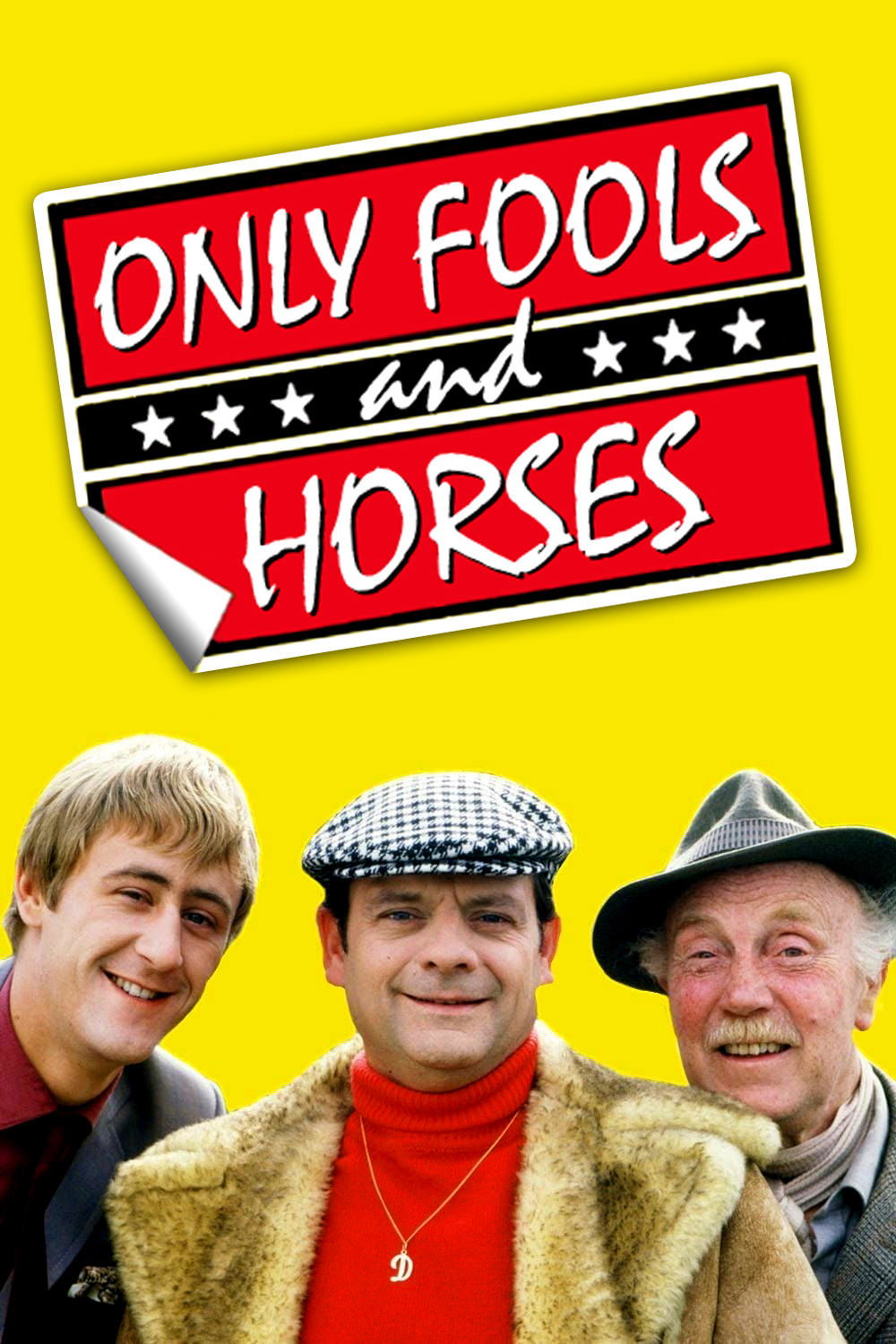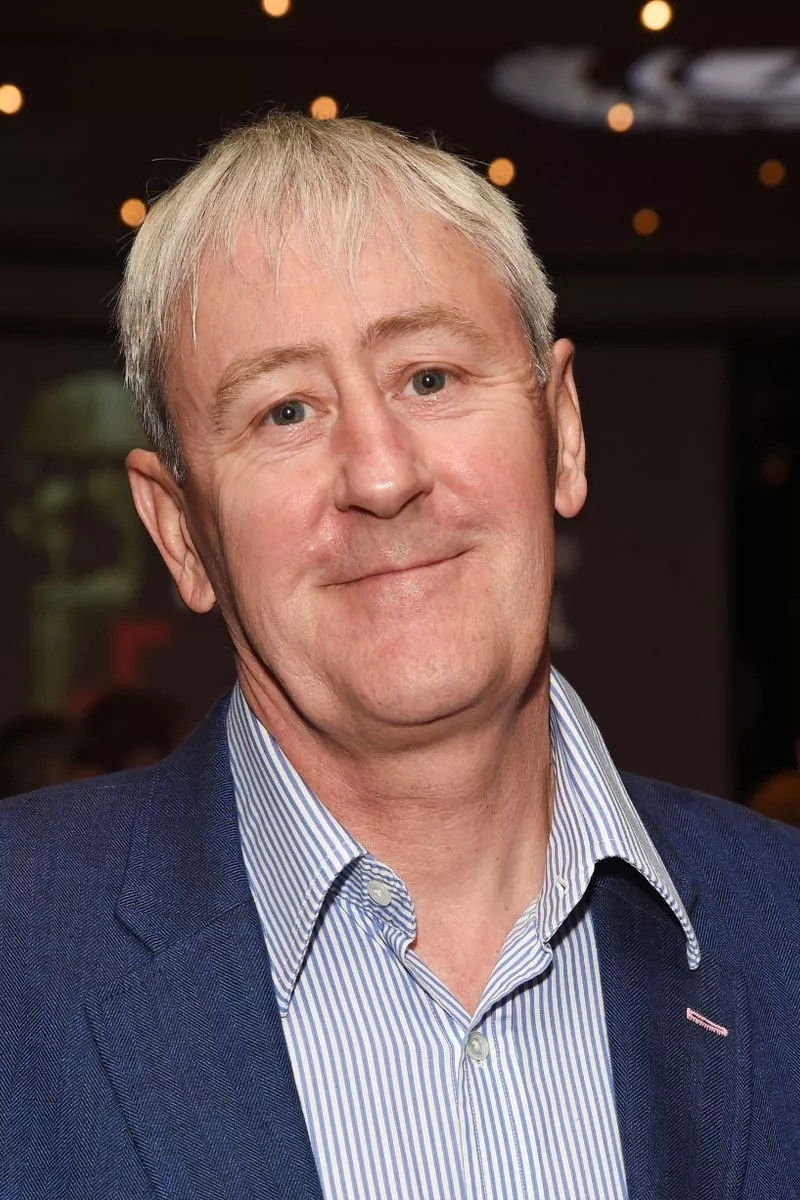
Nicholas Lyndhurst's gift is the slow face: the long pause before a character realises what has just been done to him. It made Rodney Trotter, and it has followed him, for good and ill, through more than forty years of television.
Fi1m perspective
Watch Nicholas Lyndhurst find out. Del has explained a scheme, all hands and cuff-tugging, and Lyndhurst's Rodney takes it in by stages: the eyes first, then the mouth opens a little, then the whole long face falls, and only then does the outrage arrive, a beat later than anyone else in the flat would manage. Most sitcom actors reach for the reaction. Lyndhurst lets it come to him, and the wait is the joke.
He had been working since childhood, in Heidi (1974) and The Prince and the Pauper (1976), and had already played one of Wendy Craig's sons in Carla Lane's Butterflies (1978–1983) and a part in Going Straight (1978) before John Sullivan cast him in Only Fools and Horses (1981). He stayed until 2003, across 64 episodes and specials. The part could have been nothing, the dim younger brother the older one shouts at, and critics have not been shy about how often he has played that figure since. We think this misses what he did with it. Rodney grows up over the run, an inch a series rather than in a leap, and Lyndhurst keeps the face the same while changing what is behind it. In David Jason he had the right partner: Jason plays Del as a man who knows he is fooling himself, and Rodney's job is to be the one who says so and then joins in anyway.
The scenes we come back to are the two of them alone in the flat at night, the schemes exhausted, saying the sort of thing brothers say when they have run out of jokes. We sat down expecting to laugh, and did, and then found ourselves quiet, because Lyndhurst plays Rodney's disappointment in Del as something he has decided to live with rather than fix, and it is close to love. Lennard Pearce's Grandad, in the armchair, undercuts both of them without appearing to move. Nothing else in the series is as good, and not much else on British television is.
He spent the years alongside and after it showing he could carry a show, in The Two of Us (1986–1990), The Piglet Files (1990–1992) and Goodnight Sweetheart (1993–1999), where Gary Sparrow ran to six series and a 2016 special. We have not reviewed them and will not judge them here; we will only say that the leads he took were still men things happen to. Uriah Heep in David Copperfield (1999), opposite Daniel Radcliffe and Maggie Smith, showed what else the face can do, which is unsettle. New Tricks (2013–2015) gave him Danny Griffin and Dennis Waterman for company. Then the Frasier revival (2023–2024), as Alan Cornwall, beside Kelsey Grammer, with whom he had already shared a stage.
Frasier is the career told back to him: forty years on, an American sitcom hires him to stand next to the lead and wait. He is good at waiting. We would like, once, to see someone write him a man who does something to somebody else, and find out what the face does then.
Biography
Nicholas Lyndhurst is an English actor. Born on 20 April 1961 in Emsworth, Hampshire, he trained at the Corona Theatre School and began his career as a child actor in the 1970s.
He is best known for his role as Rodney Trotter in the BBC sitcom Only Fools and Horses (1981–2003) and as Gary Sparrow in Goodnight Sweetheart (1993–1999, with a 2016 special). Other television roles include Adam Parkinson in Butterflies (1978–1983), Danny Griffin in New Tricks (2004–2015) and Alan Cornwall in the US series Frasier (2023).
Lyndhurst received two National Television Awards for Goodnight Sweetheart and three BAFTA Television Award nominations for Only Fools and Horses.