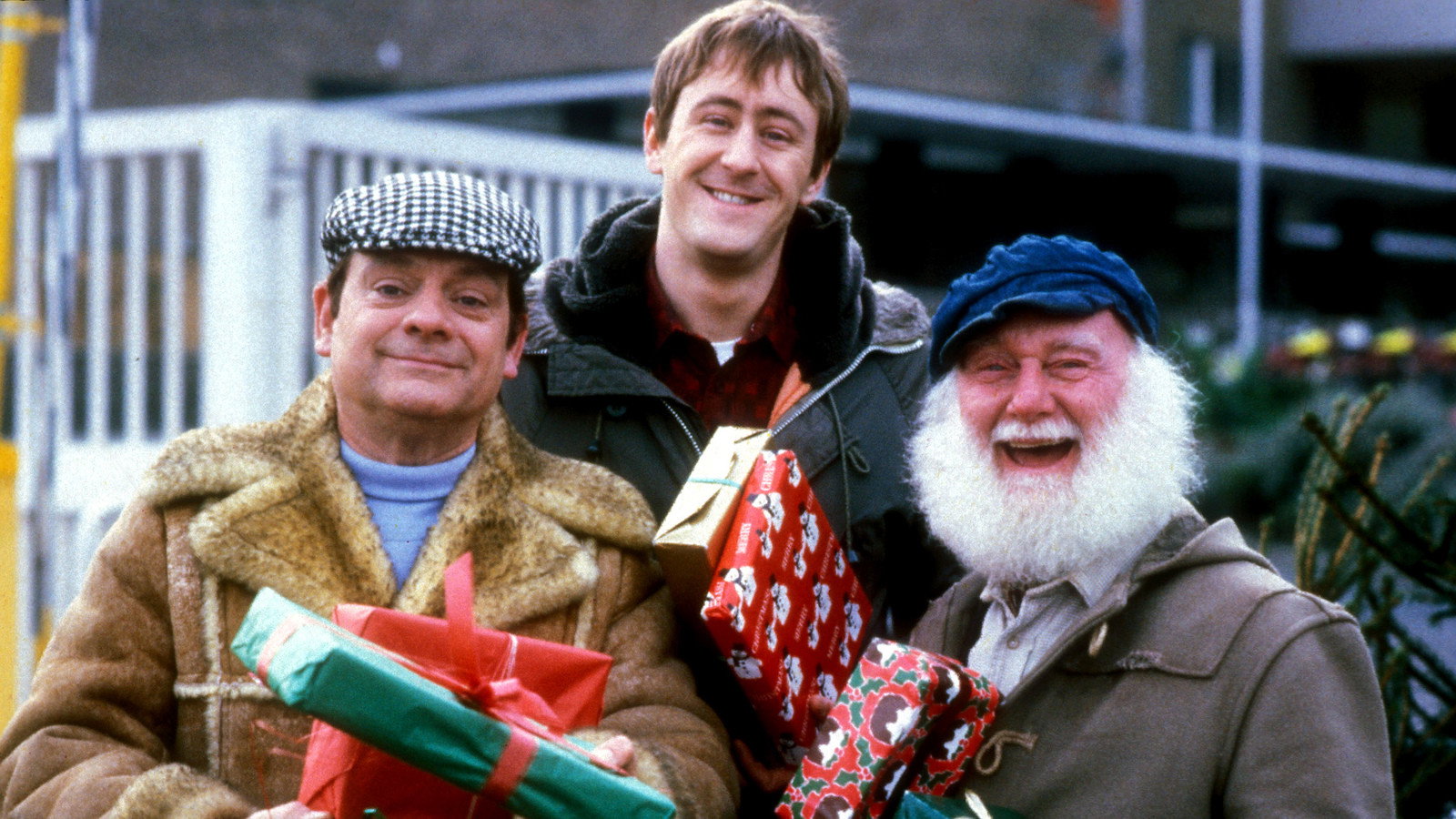
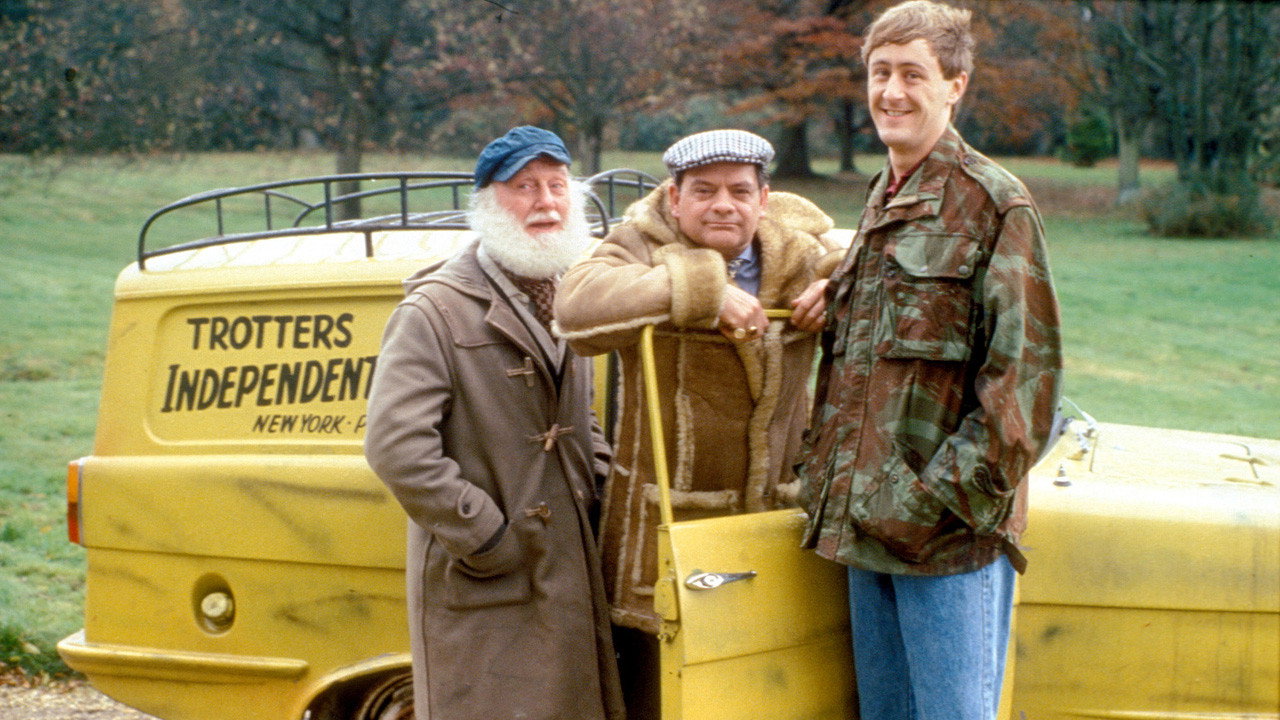
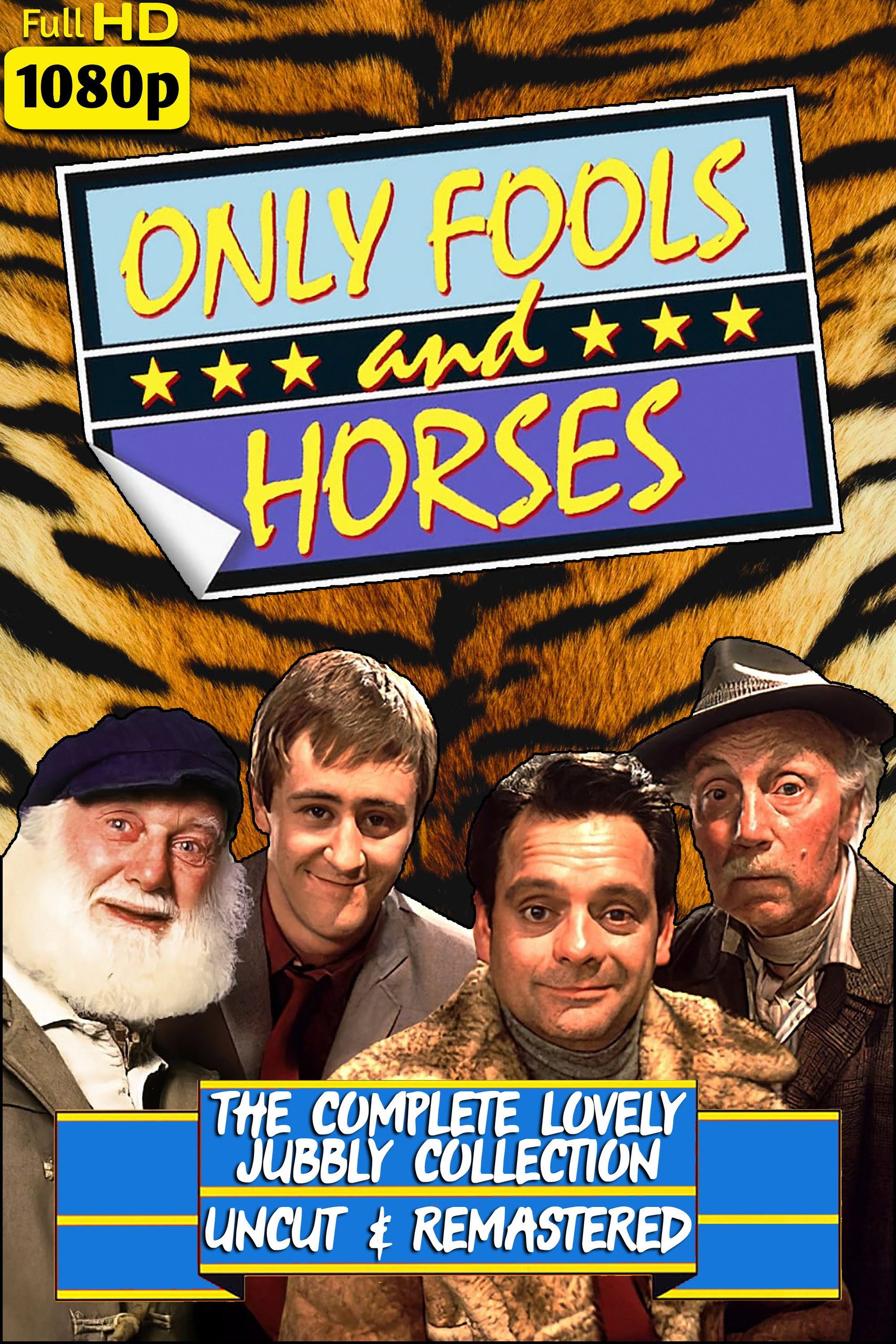
John Sullivan’s sitcom about two brothers, a grandfather and a van full of unsellable stock starts modestly and grows into the warmest and funniest thing British television made in the 1980s. The first series is thin. Persist; it repays you.
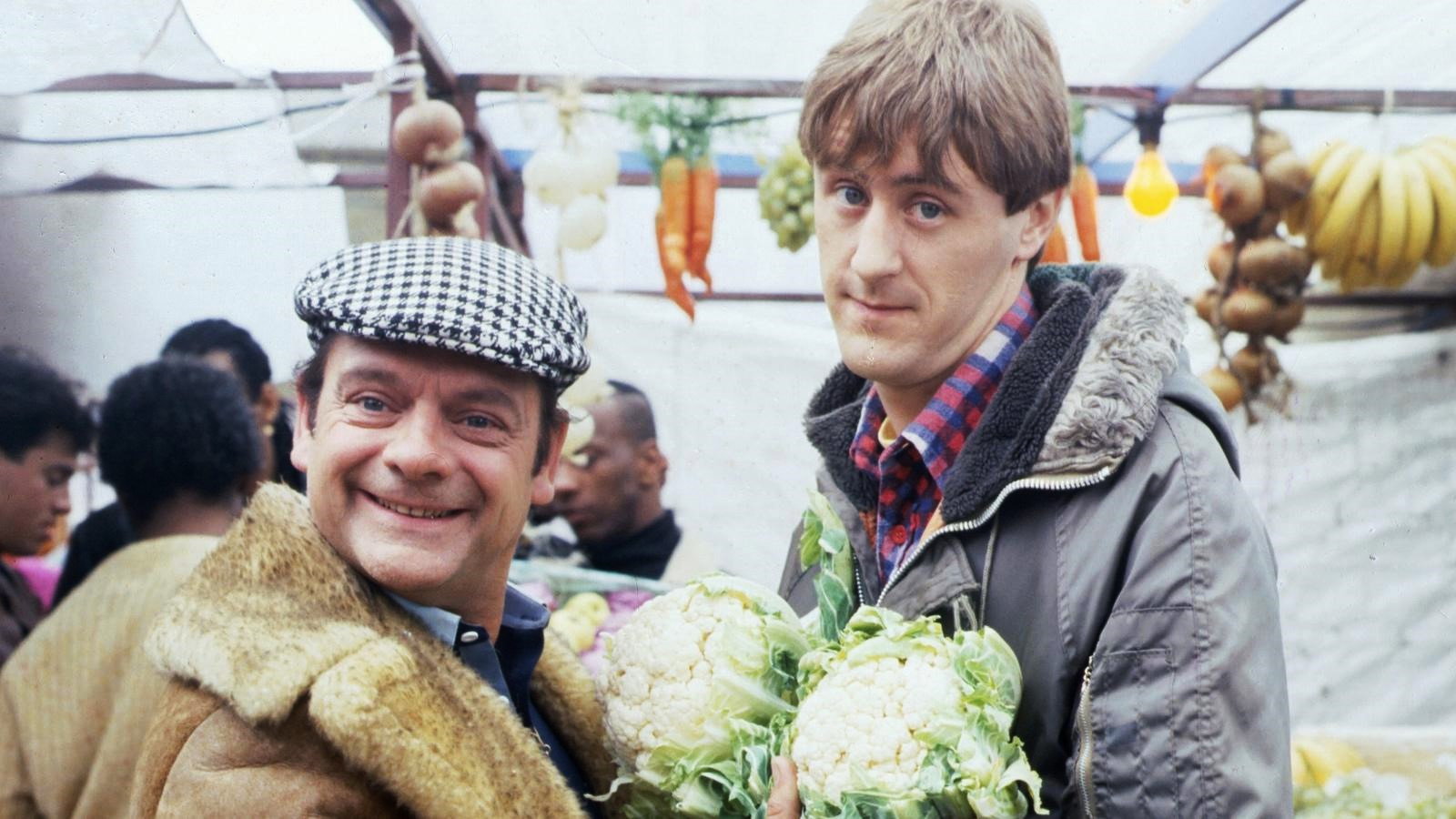
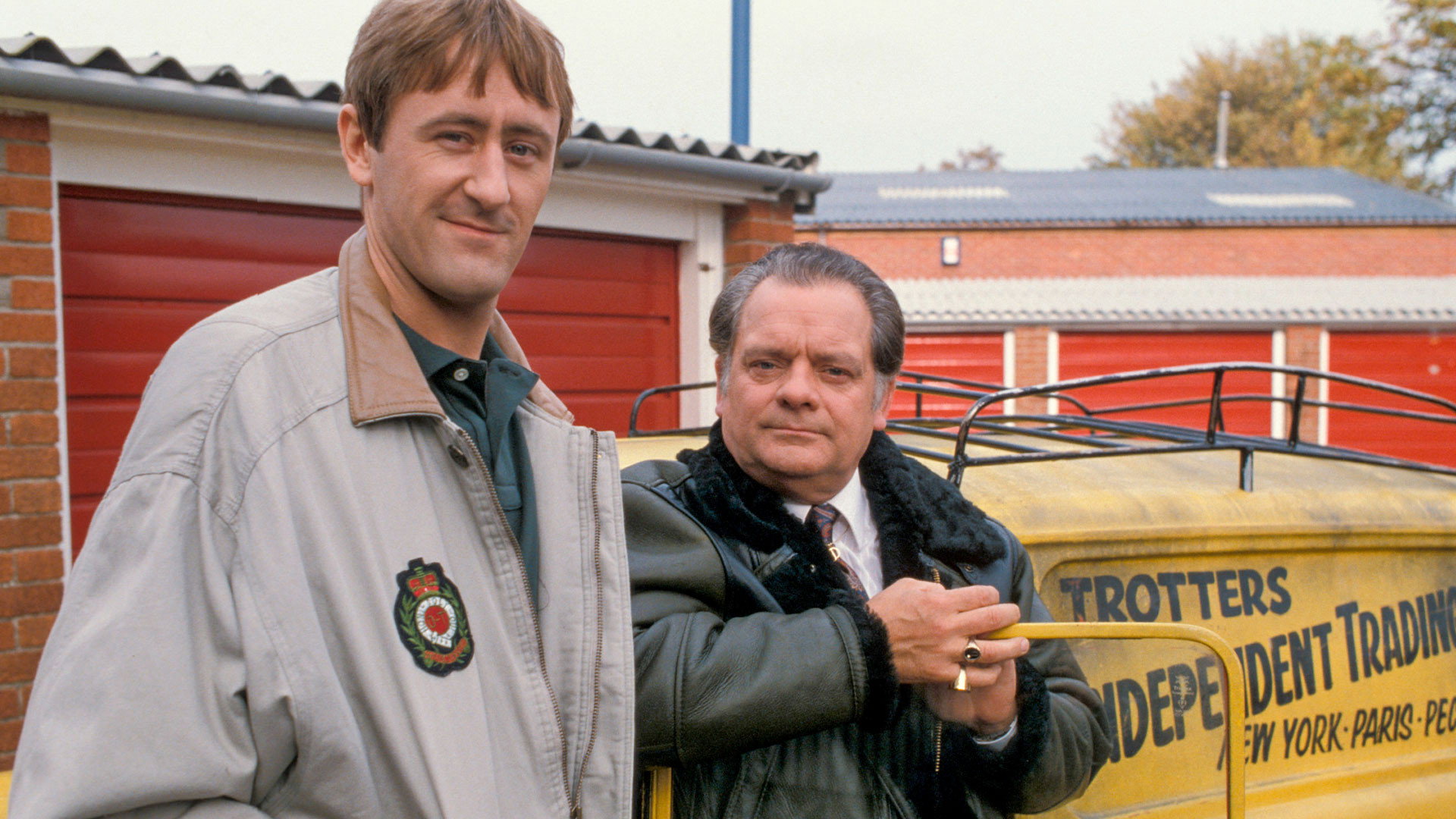
John Sullivan’s idea was simple and, for a sitcom, unusually honest. Derek Trotter sells things nobody wants from a suitcase on a Peckham market, his brother Rodney carries the suitcase, and their Grandad waits at home in a council flat for whichever of the two brings back the money. The tagline, that this time next year they will be millionaires, is the whole joke, because we know from the first minute that they will not. Only Fools and Horses ran for seven series between 8 September 1981 and the end of 1990, and over that stretch it became something better than a run of gags about a dodgy trader. It became a family we minded about. It is very good indeed, with one caveat, which is that it takes a while to get there.
The first series is the caveat. Six half-hour episodes, produced and directed by Ray Butt, and they are stiff in the way early studio sitcoms often are: the flat looks like a set, the plots are small, and Sullivan is still working out how much of Del is charm and how much is bluster. The reviews so far, such as they are, treat the pilot as a solid start rather than a great one, and that seems fair to us. The show found its audience slowly, largely through repeats, which tells you the material was there before the confidence was.
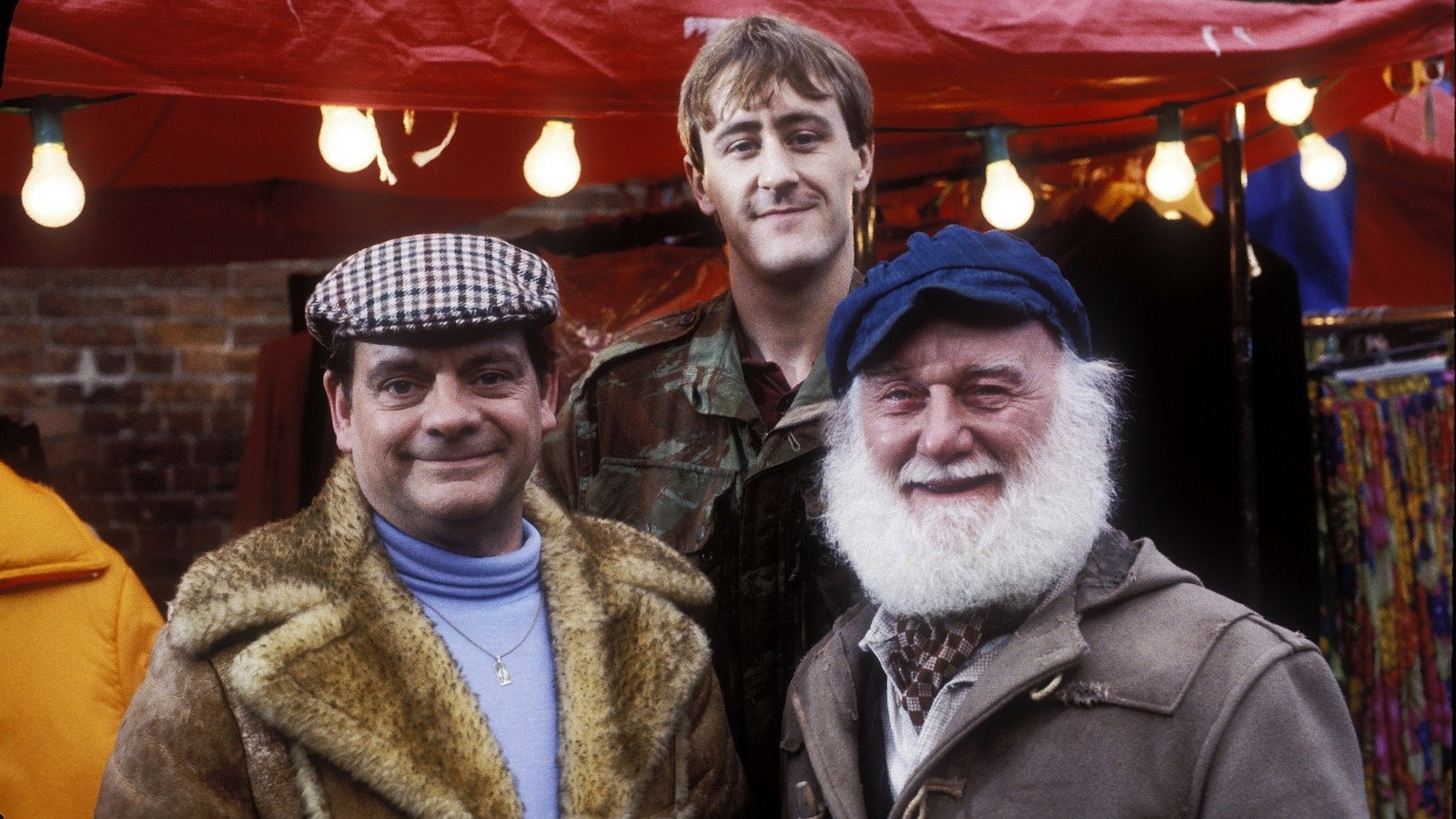
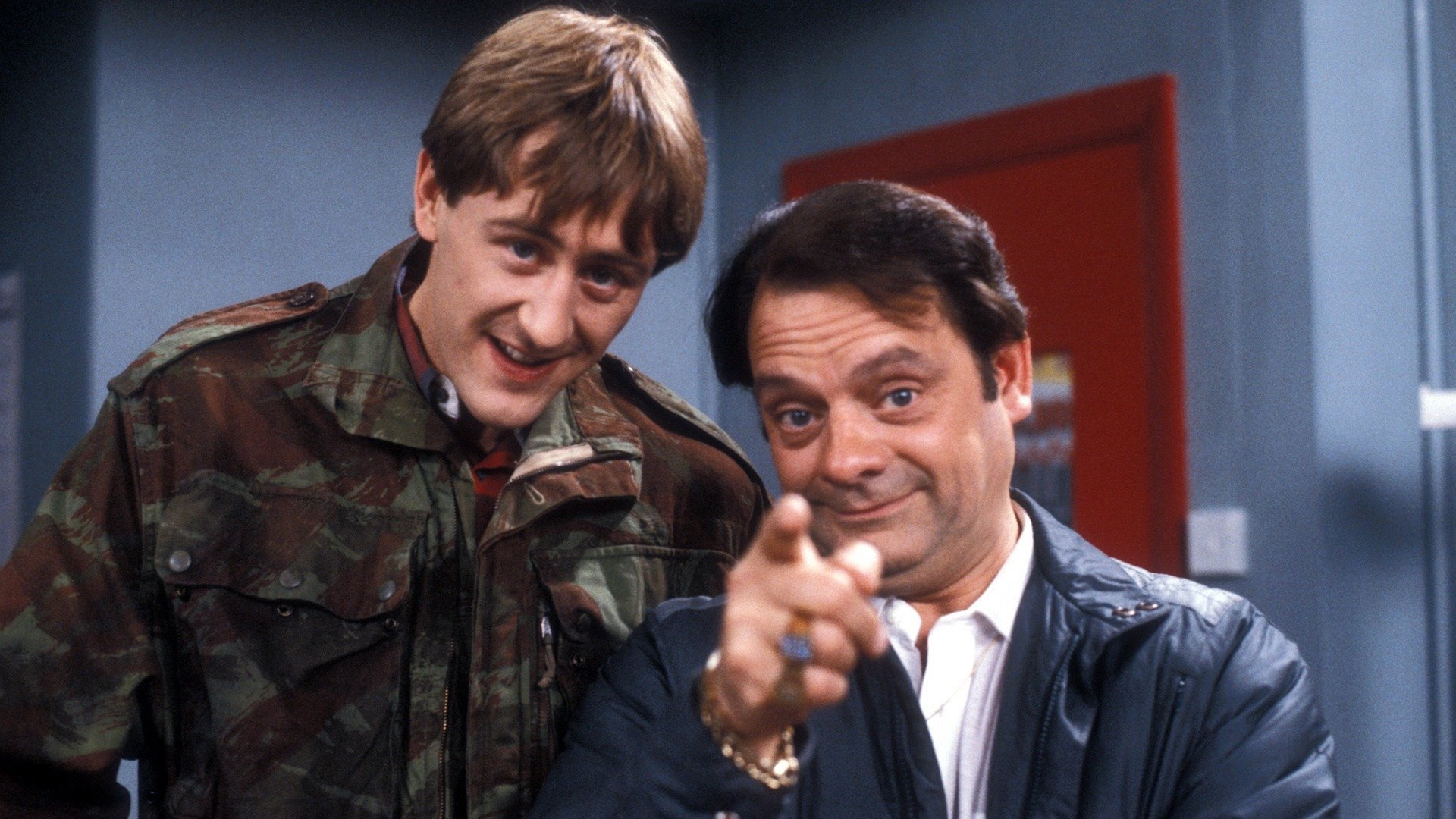
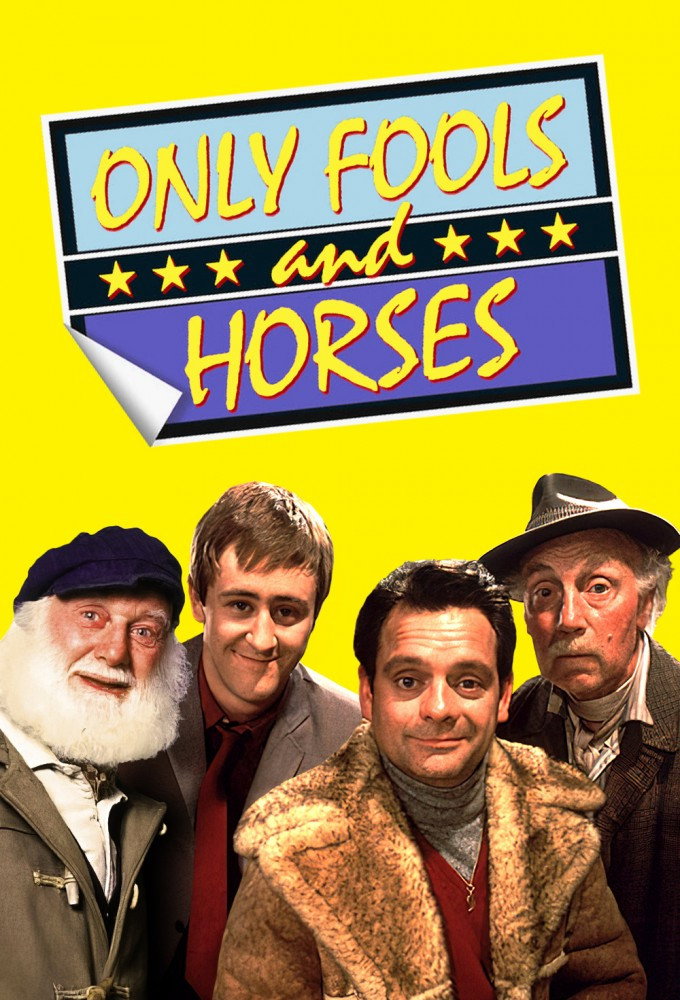
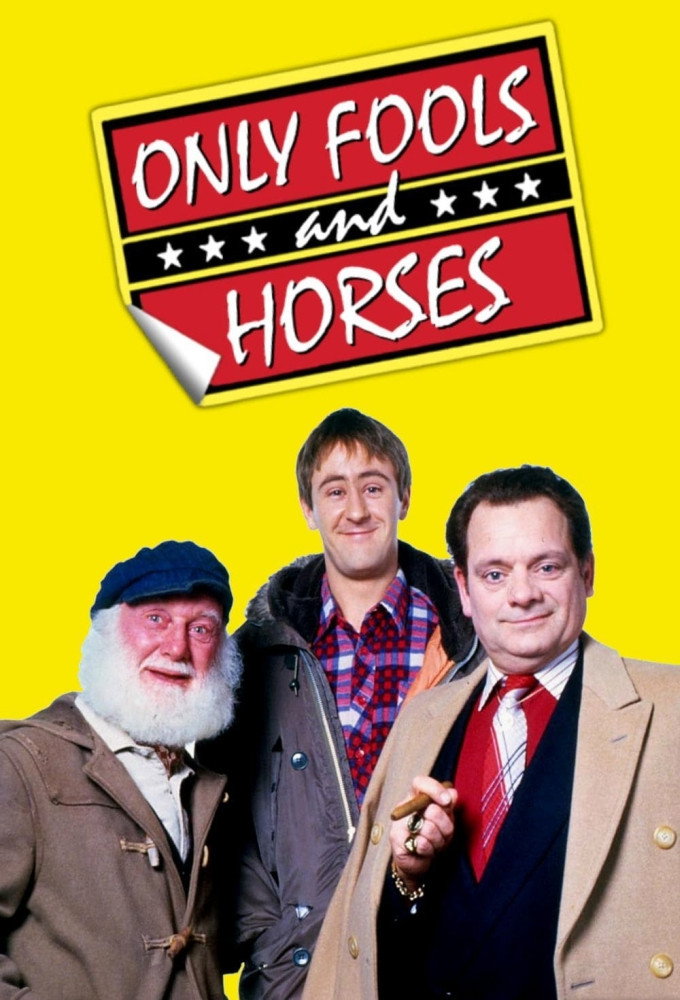
The confidence, when it arrives, is mostly David Jason. His Del is all hands, tugging a cuff, straightening a collar, raising a glass to nobody, and he has the ludicrous French he uses as a farewell and the camel coat he wears as a suit of armour. Jason plays a man who knows he is fooling himself and has decided the alternative is worse, and he never once asks us to feel sorry for him. Nicholas Lyndhurst gives Rodney a long, hurt face and a slow-dawning outrage, and the best scenes in the whole run are the two of them alone in the flat at night, the schemes exhausted, saying the sort of thing brothers say when they have run out of jokes. Lennard Pearce’s Grandad sits in the armchair and undercuts both of them without appearing to move.
Sullivan wrote every episode, and what he understood better than most sitcom writers is structure. A scheme, a complication, a scene in the pub where Roger Lloyd Pack’s Trigger calls Rodney Dave and John Challis’s Boycie laughs at all of them, and then back to the flat, poorer. It should get tiresome. It does not, because the world keeps filling in: Sue Holderness’s Marlene, Patrick Murray’s Mickey Pearce with his hats and his ideas, and later Tessa Peake-Jones’s Raquel and Gwyneth Strong’s Cassandra, who give the brothers something to want that is not money. Buster Merryfield’s Uncle Albert arrives in later series and brings a whole new set of stories about the war.
We should be plain about the laughing. The chandelier, in the second series, and the open bar flap Del leans on in the sixth, are two of the most famous physical gags in British television, and we knew both were coming and laughed until it hurt anyway. Part of that is Jason’s timing. Part of it is that Sullivan and his directors, Butt and then Susan Belbin, Tony Dow, Martin Shardlow and Mandie Fletcher, hold the shot and let the studio audience’s laugh run rather than cutting away, so we are in the studio with them. Chris Wadsworth’s editing has the same patience; the pauses are left in.
There are faults beyond the slow start. The schemes repeat, and by the fifth series you can sometimes see the shape of the episode from the first line. Del’s bullying of Rodney tips, now and then, from comedy into something the show does not quite own. Some of the attitudes to women and foreigners are 1980s attitudes and have not improved with keeping. The sets, on a modern television, look exactly as cheap as they were.
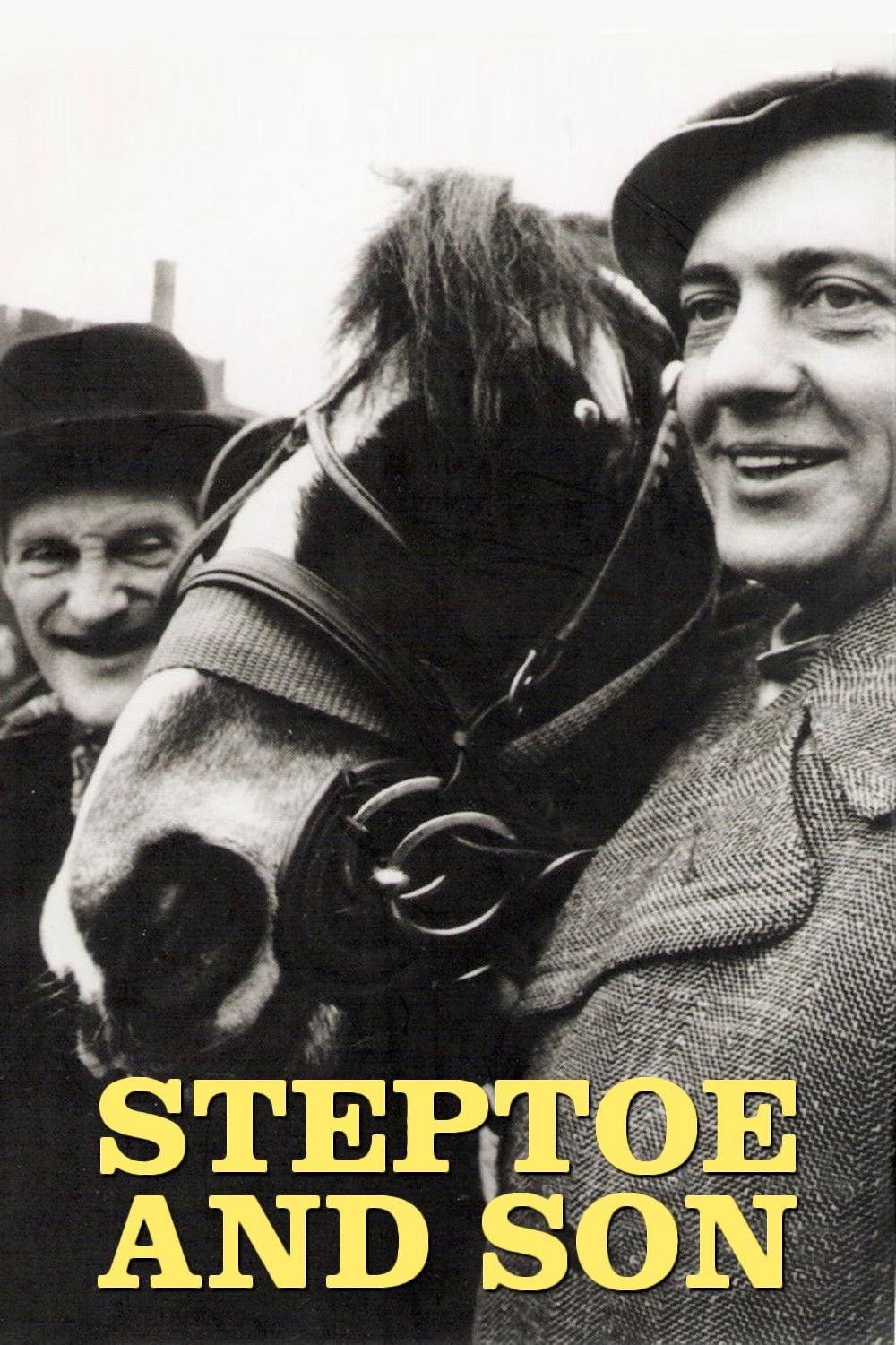
Set against Steptoe and Son, the other great British sitcom about two men in a trade who cannot leave each other, this is the kinder programme. Galton and Simpson’s rag-and-bone men were trapped; the Trotters are trapped too, but Sullivan lets them love it. Start at the beginning if you have the patience, and know that the second series is where it wakes up. It carries a PG, and there is nothing in it a child cannot watch, though the child will not know why you have gone quiet at the end.