Caroline Aherne and Craig Cash put a Manchester family in front of the telly and leave them there, and the result is among the best British sitcoms we know: patient, exact, and kinder than it first looks. Twenty half-hours; not a wasted one.
Caroline Aherne and Craig Cash’s idea was simple enough to sound like a dare. Put a family in their front room, point the camera at them while they watch the television, and never cut away to anything more interesting. No studio audience, no laughter track, no plot to speak of; half an hour at a time, first shown on 14 September 1998, and three series by the autumn of 2000. What came out is the least busy sitcom we know and one of the most closely observed.
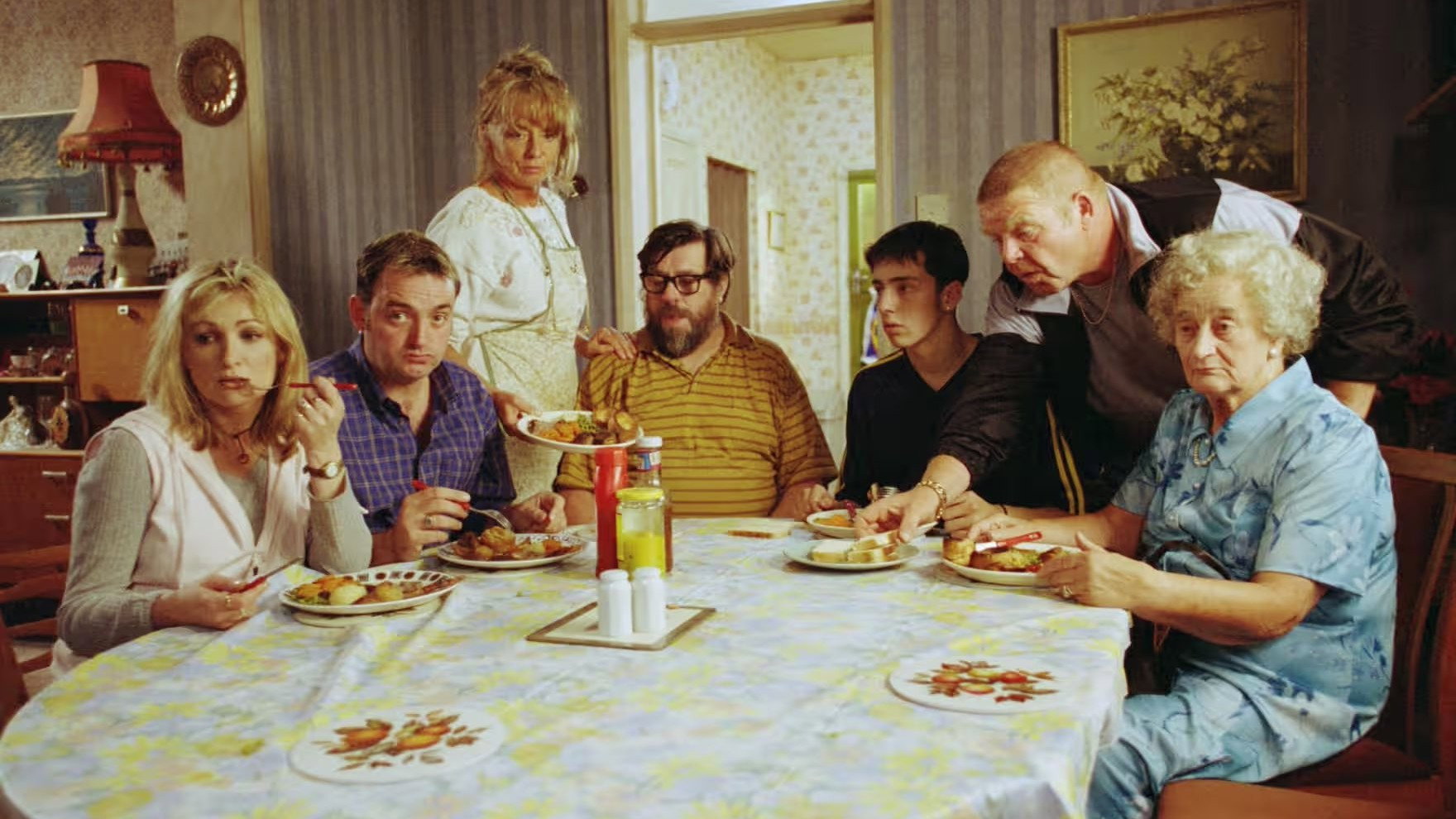
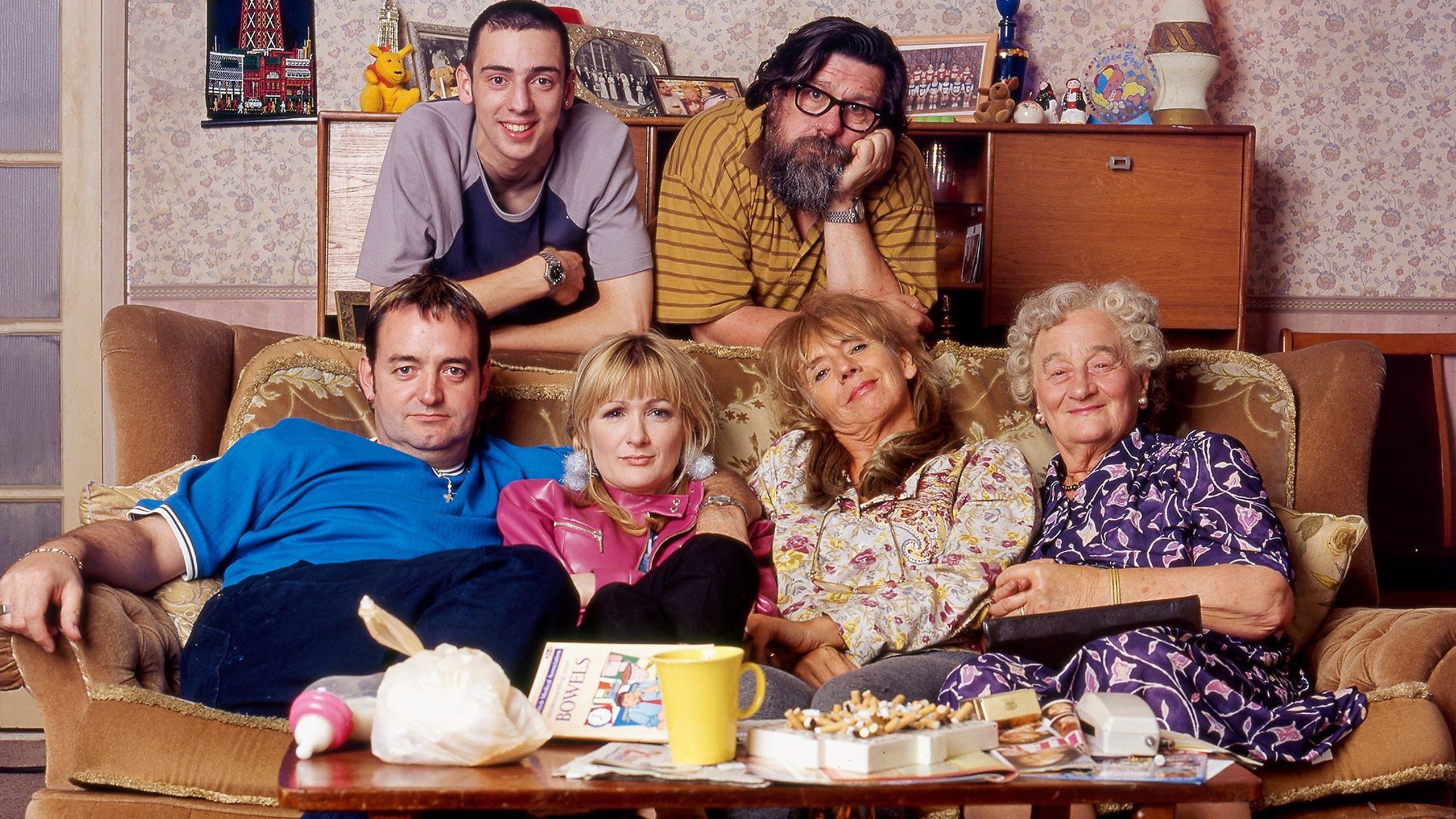
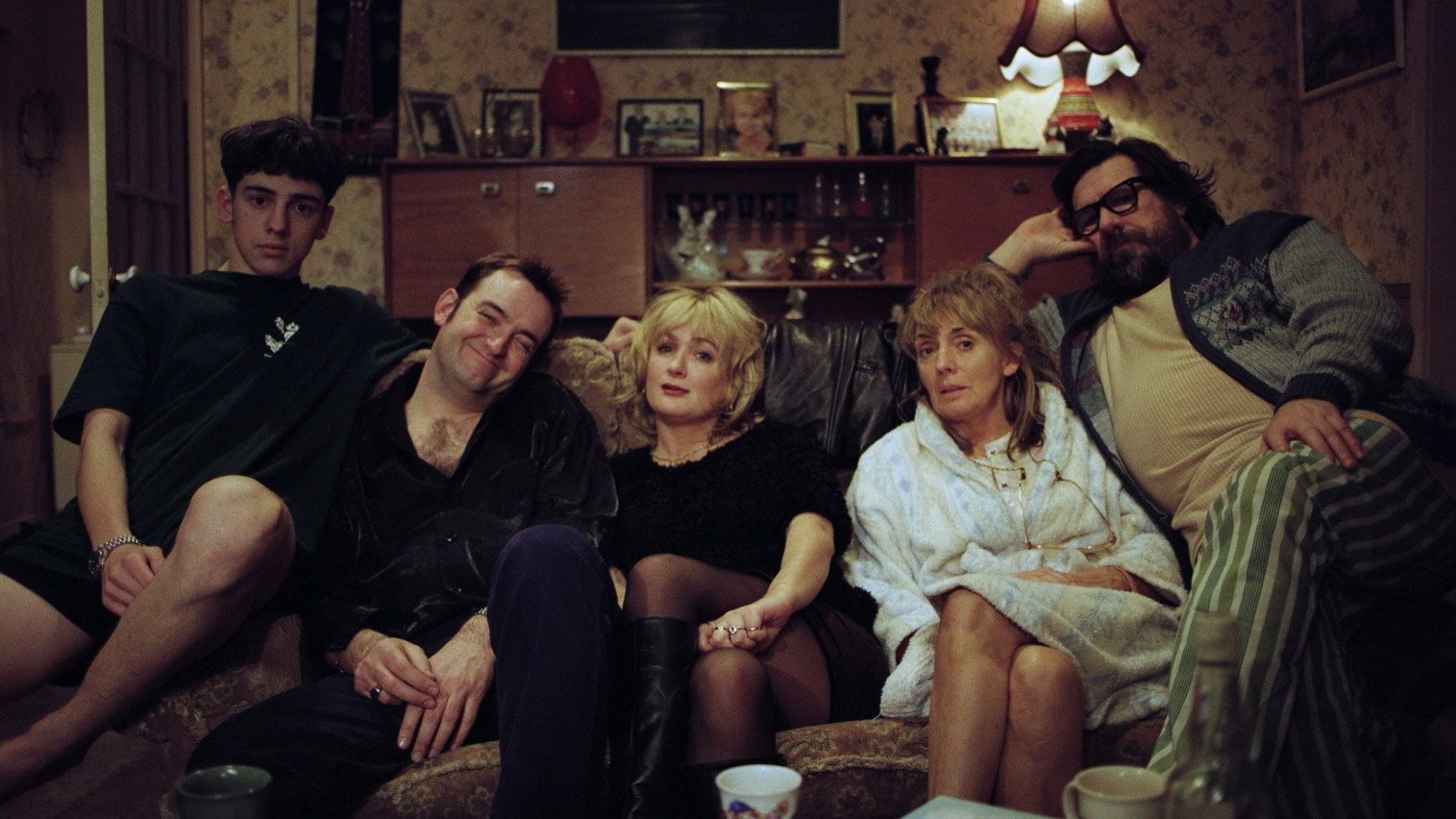
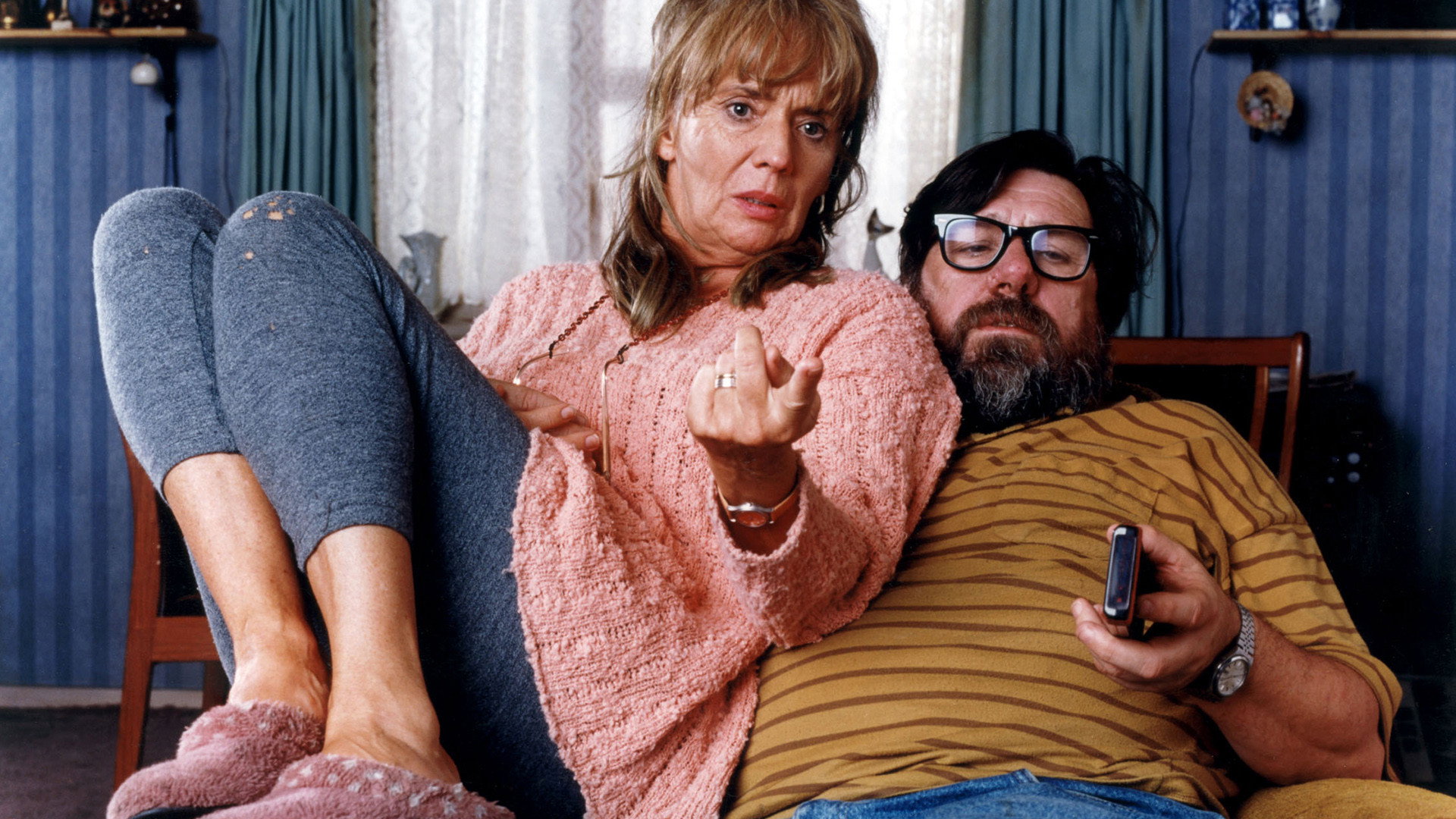
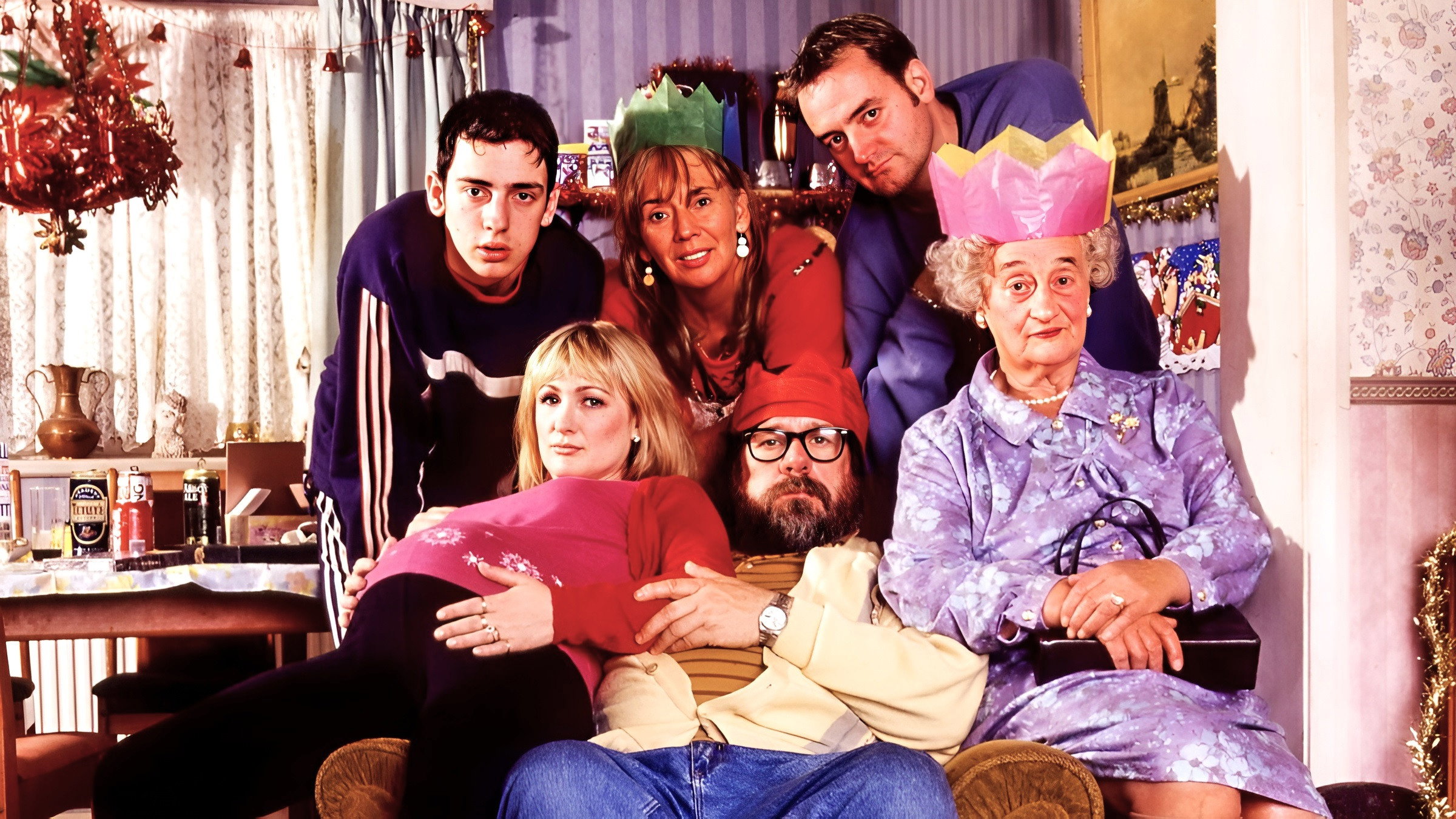
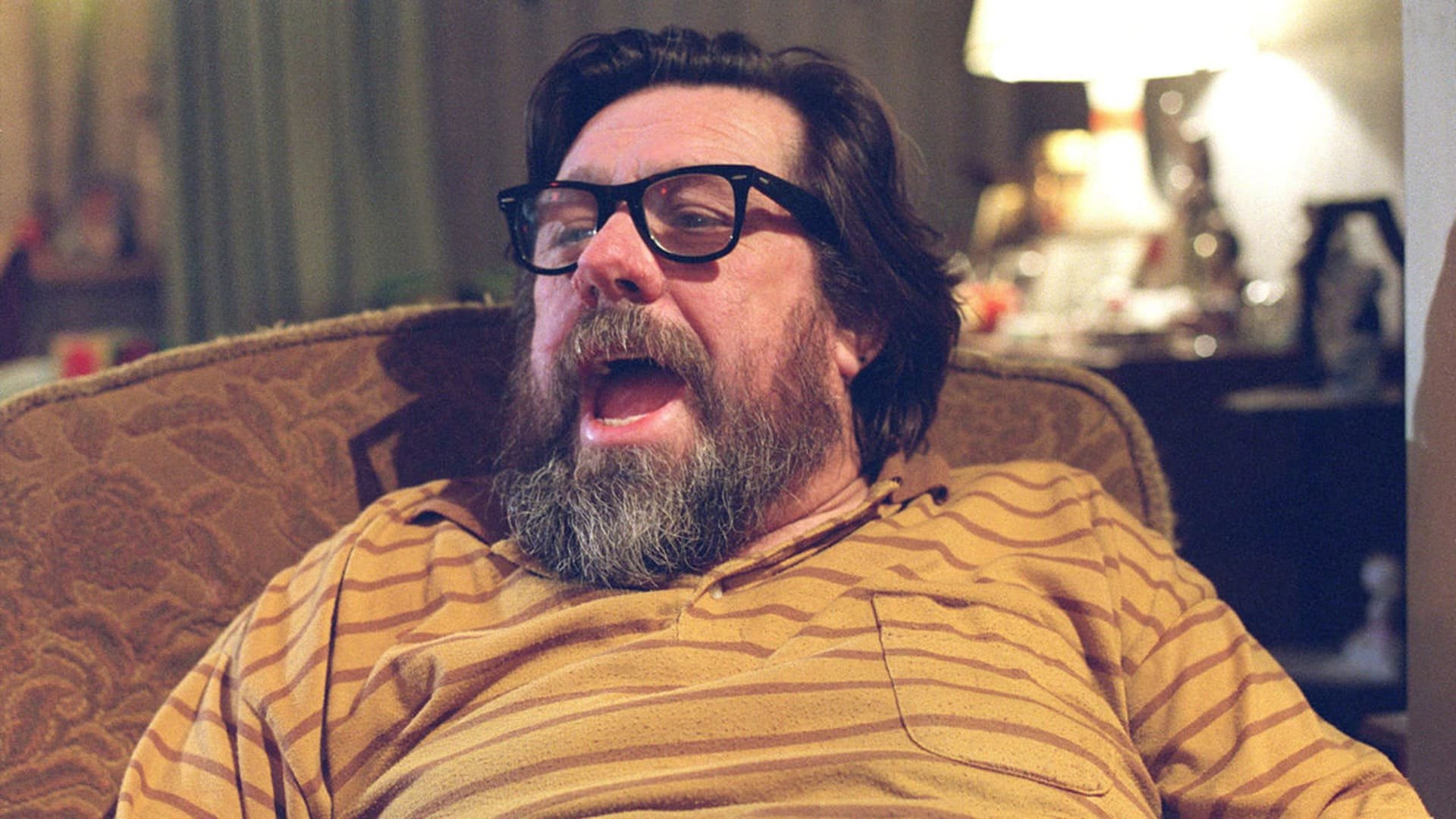
Ricky Tomlinson’s Jim is the engine, a man who lives in his armchair with the remote in one hand and keeps up a running commentary on the price of everything. Sue Johnston plays Barbara as the woman who actually runs the house, taking every slight and turning it into an offer of a brew. Aherne gives Denise a magnificent laziness, stretched across Dave with a cigarette, passing every job going to her brother. Craig Cash’s Dave barely speaks and does not need to; his face when Jim starts a story is a full review of the story. Liz Smith’s Nana, deaf when it suits her and peering through her glasses at other people’s plates, drew the loudest laughs from our own sofa.
Mark Mylod, Steve Bendelack and Aherne herself directed across the three series, and the method never wavers. One camera, kept low, roughly where the set would be, so the family look at us while they look at it. We never see the screen. We hear it, quiz shows and adverts and the football, and we watch the family react. The light is the flat orange of a living room with the big light off. There is no music under the scenes at all, only the telly and the kettle.
Aherne and Cash wrote it with Henry Normal, and later with Carmel Morgan and Phil Mealey, and the writing is where the patience pays off. Conversations last as long as they would in a real house, not as long as a scene needs. Jim asks who was on the phone, Barbara tells him, he says something unkind about them, and that is the scene. There are almost no punchlines. We laughed at Jim, out loud and often, felt slightly ashamed of ourselves, and laughed again, because the shame was the joke and the writers knew it.
What surprised us, and keeps surprising us when we go back, is how much it cares for these people. Nobody in the house says a kind word to anybody else, and the kindness is everywhere: in Barbara keeping the last biscuit back, in Dave fetching his coat for Nana before he is asked twice. There is a scene between Jim and Denise in which Tomlinson drops the noise for about half a minute. It moved us more than a sitcom has any business doing, and it did it without a line we could quote.
It is not faultless. Antony’s job as the family skivvy is a single note, and by the third series Ralf Little is being given the same three orders in every episode. Geoffrey Hughes’s Twiggy, arriving with goods that fell off a lorry, is broader than the front room can comfortably hold. The reviews so far run cooler than ours, and the objection was put plainly by the Guardian when the second series arrived in September 1999: the premise was thin, and a move to BBC1 and a new storyline would stretch it past breaking. We think that was wrong. Series two is where the programme relaxes, and it gets away with more by making less fuss.
British sitcom in 1998 mostly meant a studio, an audience and a joke every fifteen seconds. This had none of those, and the comedies that followed over the next few years borrowed its stillness and its willingness to let a silence sit. None of them borrowed its warmth. It runs 30 minutes an episode, twenty episodes in all, and carries a 12. Watch it the way the Royles would: on the sofa, big light off, kettle on, and do not expect to get up for a while.