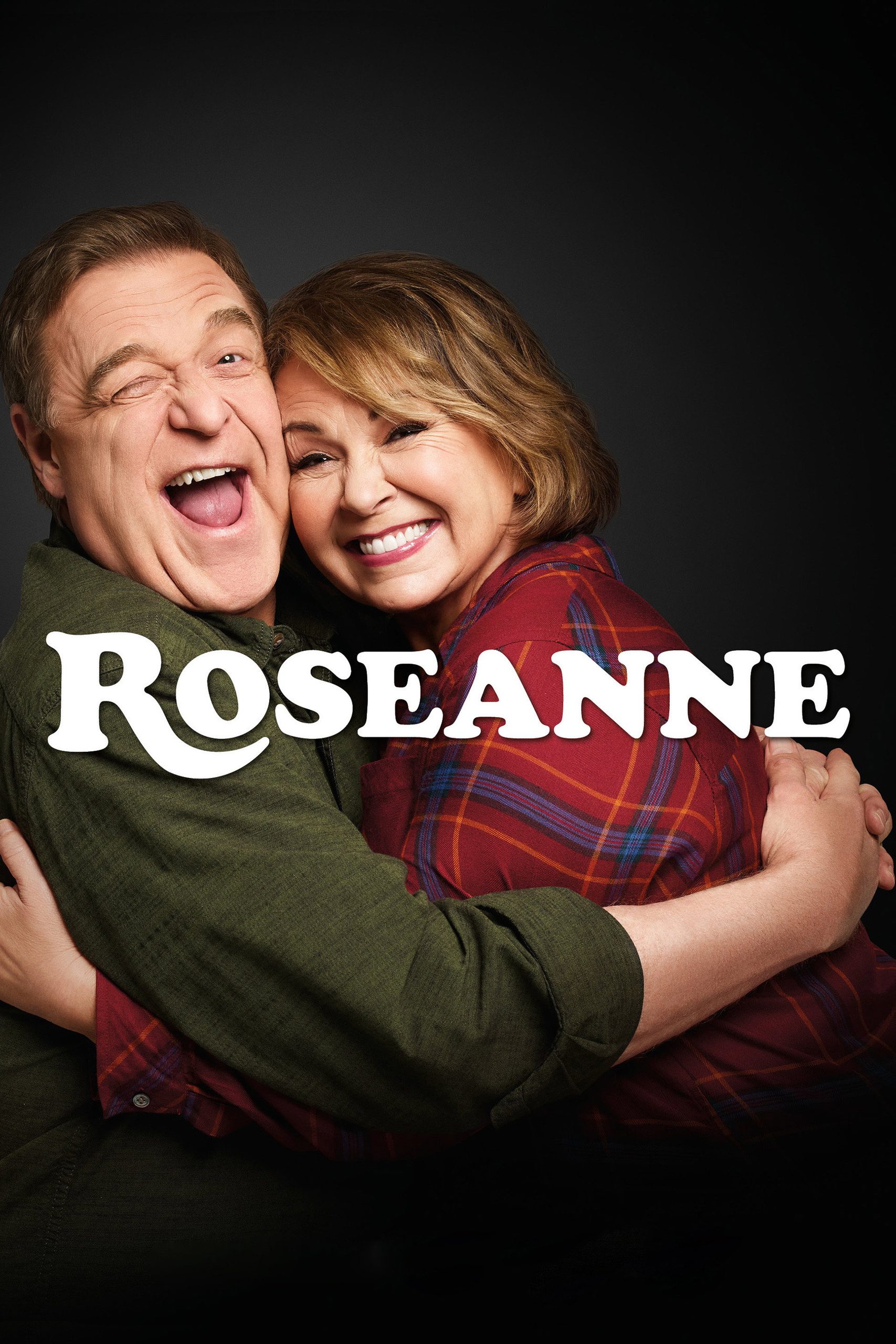
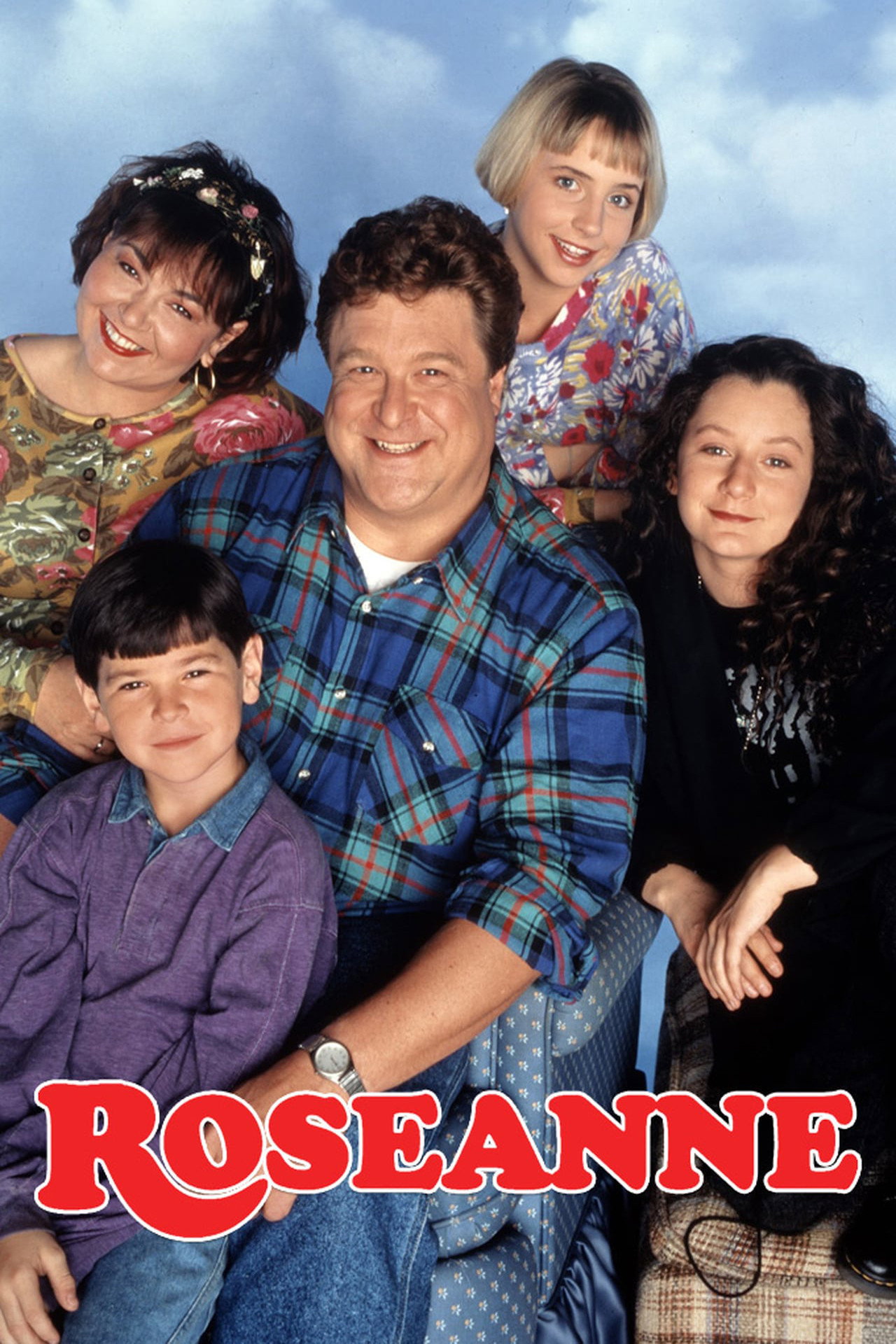
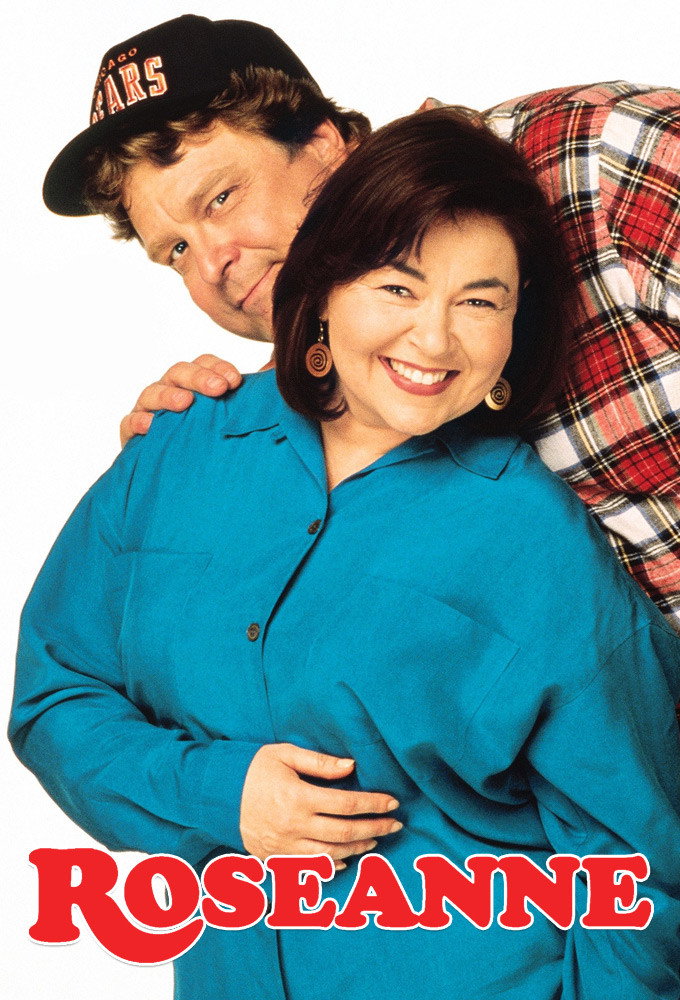
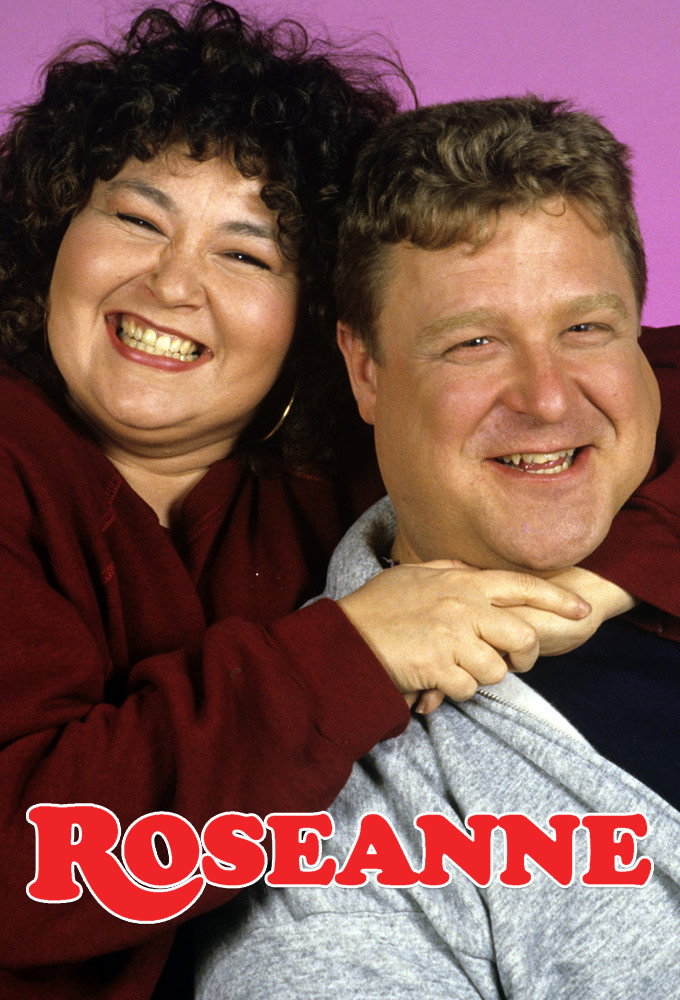
Roseanne is sharp, warm and worth returning to for the performances, especially Sara Gilbert’s. Its family comedy takes financial pressure seriously, though the constant trading of sharp remarks can become wearing.
Created by Matt Williams, Roseanne is a funny, prickly family comedy that earns its warmth, with one reservation: the constant readiness to wound can become tiring. Its working-class Illinois family has money problems, and the programme takes those problems seriously enough to let them remain inconvenient. Nobody needs to become gracious before we are allowed to like them. That gives the comedy room for bad behaviour without requiring us to pretend that every unpleasant remark is secretly an expression of love.
Roseanne Barr makes Roseanne Conner’s bluntness funny because she does not ask permission to be abrasive. She trusts a line to be funny without adding an apology afterwards, and that confidence gives the other performers something firm to resist. John Goodman gives Dan Conner enough weight as a separate personality to keep the partnership from feeling like a solo act with an accommodating audience. We believe these two can irritate each other and still want the other person around.
Sara Gilbert is the strongest reason to keep watching. As Darlene Conner, she makes sharpness feel like a habit that is useful until it prevents anything kinder from being said. We laughed at her barbs, then felt uneasy about how little comfort they offered her. The performance makes that reaction possible: her wit never quite conceals how unhappy she can be, and the programme gives her more to do than deliver the next insult.
Laurie Metcalf’s Jackie Harris brings a different comic energy, less settled and harder to contain. She helps prevent the family’s exchanges from falling into a simple contest over who gets the last word. Alicia Goranson and Michael Fishman, as Becky Conner and D.J. Conner, help make the household feel populated by people with competing claims on our attention. The acting captures the slightly exhausting pleasure of family company, including the effort of getting somebody else to listen.
The writing credits include Norma Safford Vela, Don Foster and Amy Sherman-Palladino, and the series has room for more than an efficient sequence of jokes. Money, mental illness, alcoholism and domestic violence belong to its account of family life. We value the willingness to bring those subjects into a comedy, though seriousness alone does not make a scene work. The writing is strongest when an uncomfortable subject changes how people treat one another; it is weaker when the sharp remark arrives so reliably that it begins to feel compulsory.
As a family sitcom, it asks us to tolerate more friction than a comforting evening’s viewing might promise. Its achievement is making affection credible among people who are not always easy company, with the actors allowing irritation to survive alongside it. The weakness follows closely behind: when everybody seems equipped with a cutting reply, the exchanges can become predictable. At 23 minutes, an episode is compact, but the amount of verbal sparring still makes itself felt.
Start at the beginning, with a couple of episodes rather than an evening’s supply. The humour works well in small doses, and the performances give us a reason to return. There is no obligation to spend longer with the Conners than we would with our own relatives.