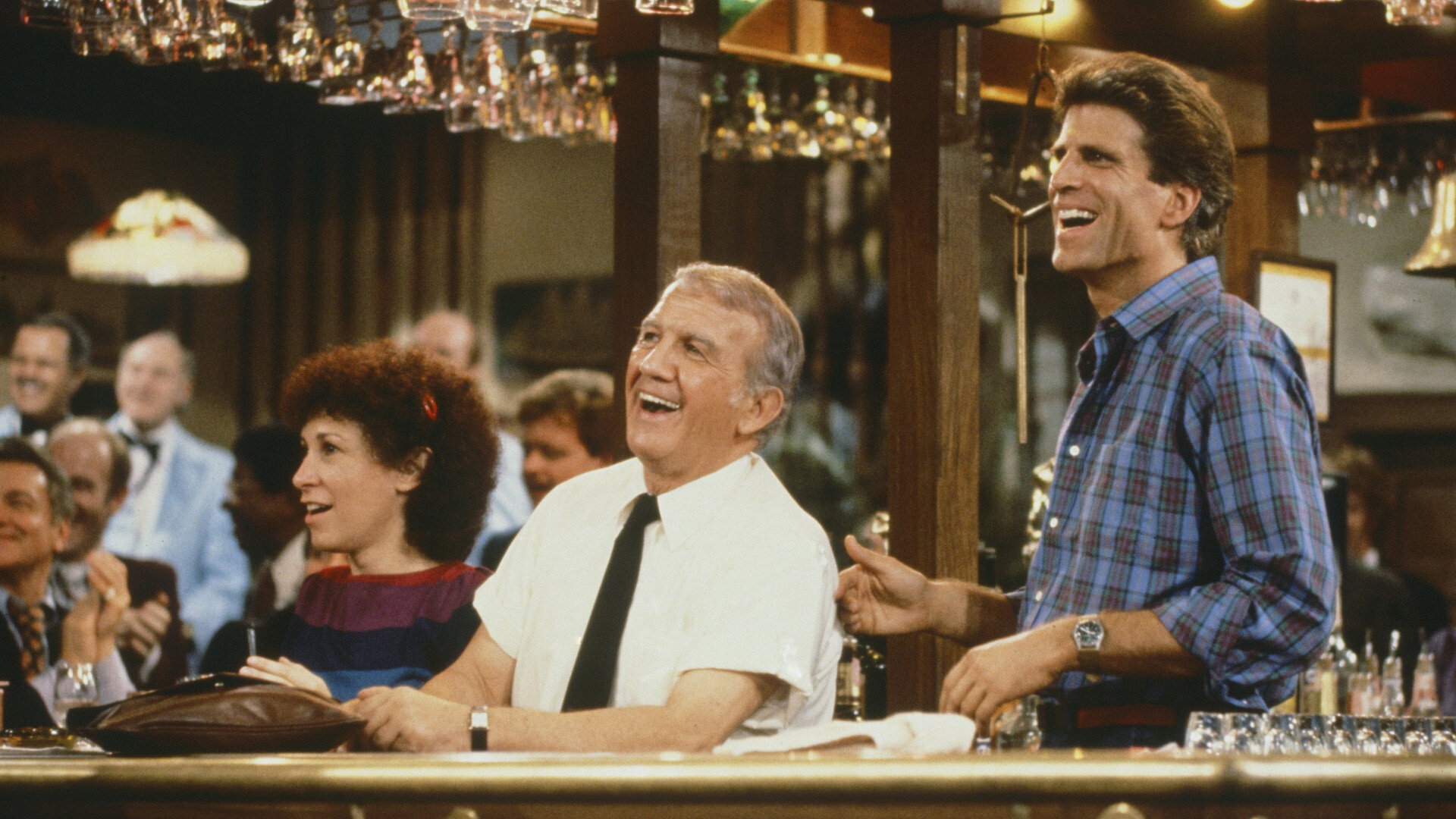
The arguments in Cheers are worth staying for. Its cast can make a bruised ego as funny as a good insult, though repeated quarrels occasionally leave the writing with too little to do.
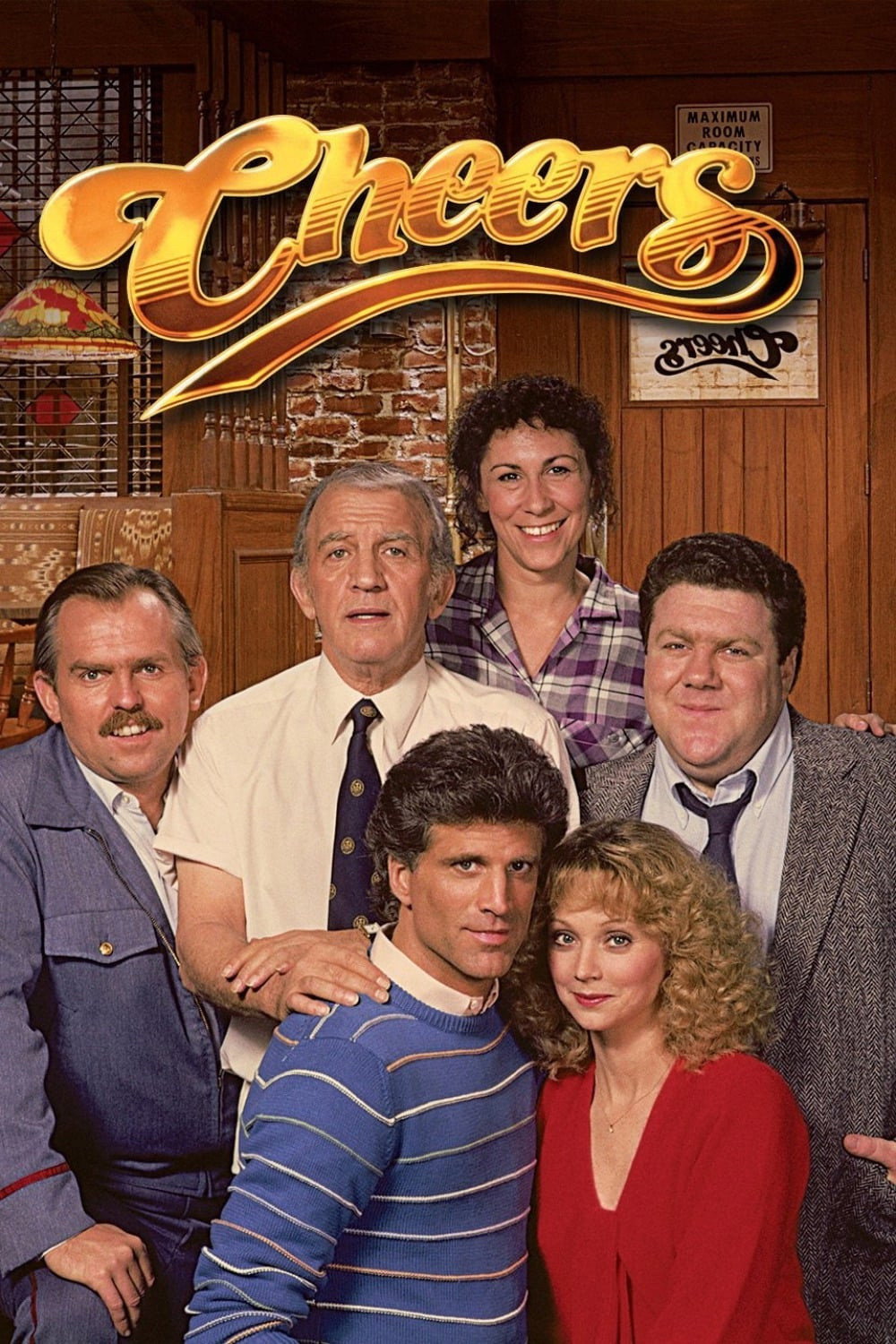
Cheers asks us to spend time with people who keep making the same mistakes and to enjoy the prospect of their doing it again. We recommend it warmly: the writing is sharp, the performances are patient, and affection never stops anyone being a nuisance. Created by James Burrows, Les Charles and Glen Charles, it finds enough comedy in wounded pride to sustain the bar’s arguments. Its occasional weakness is that those familiar quarrels become predictable.
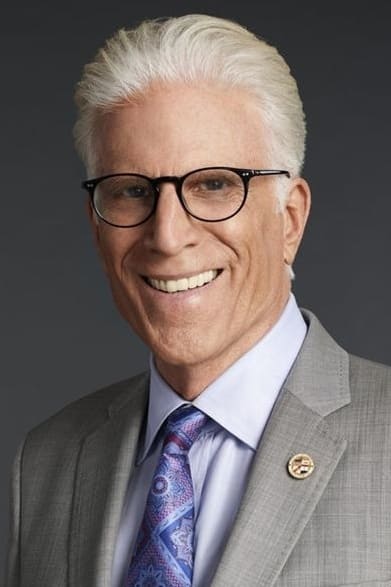
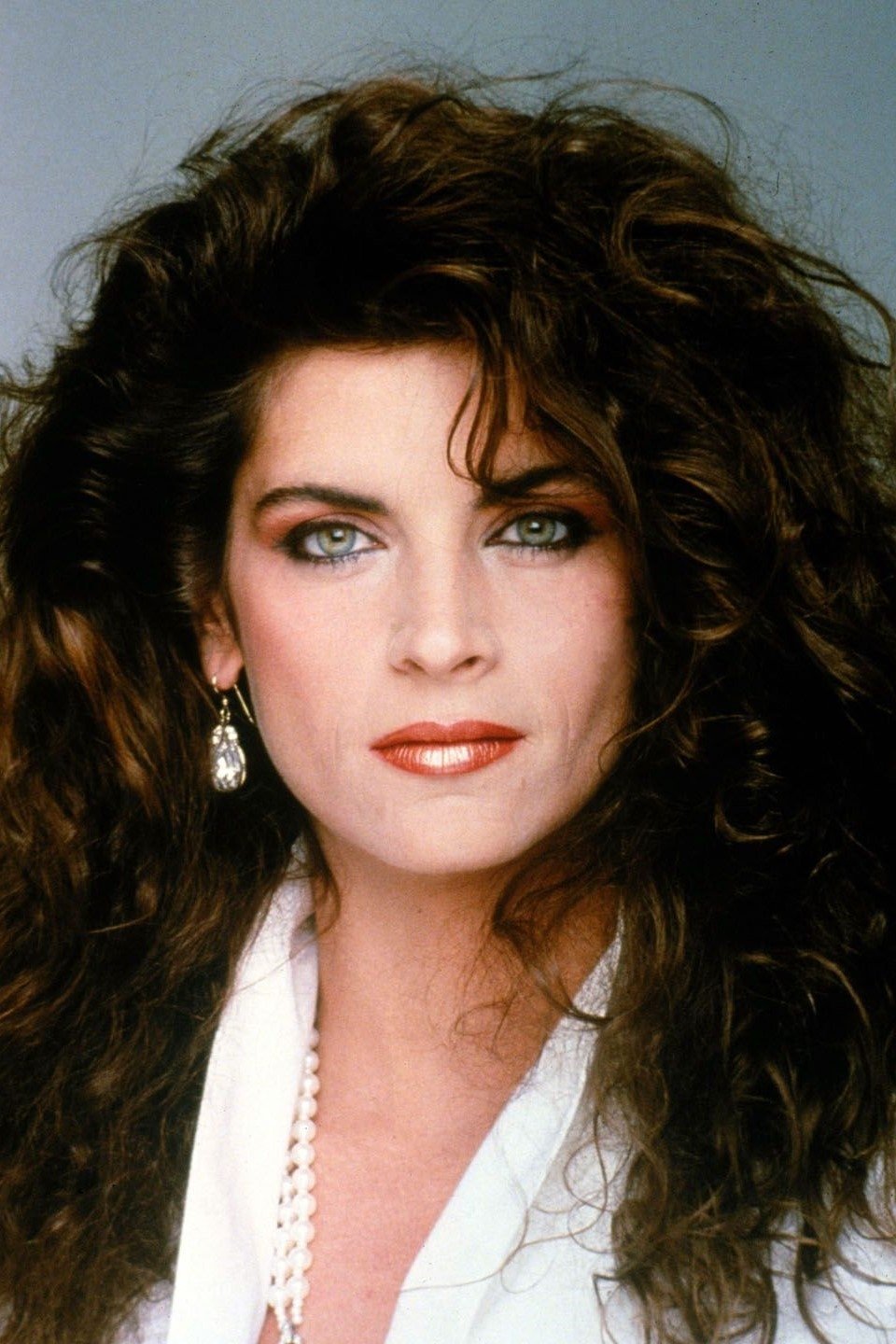
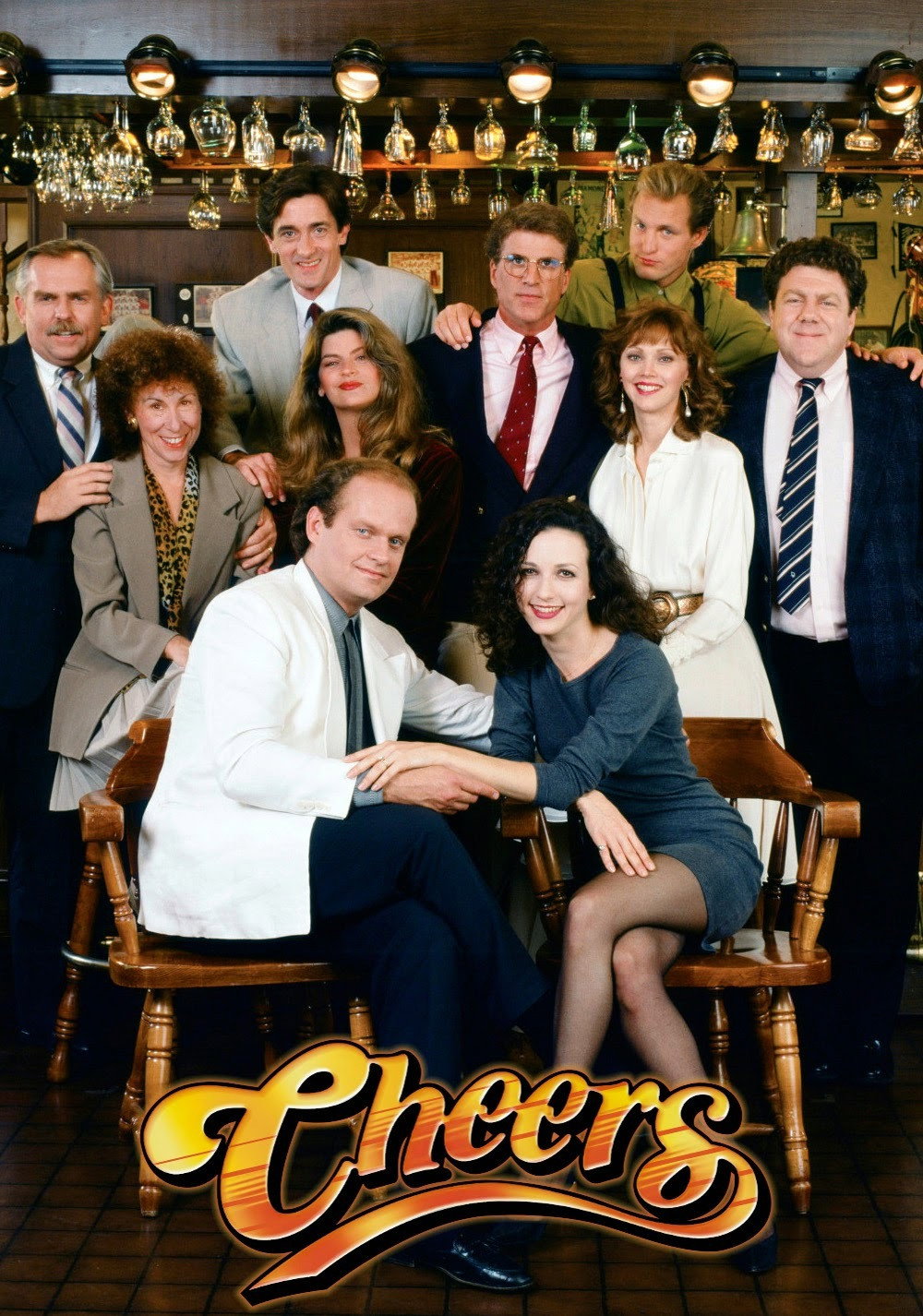
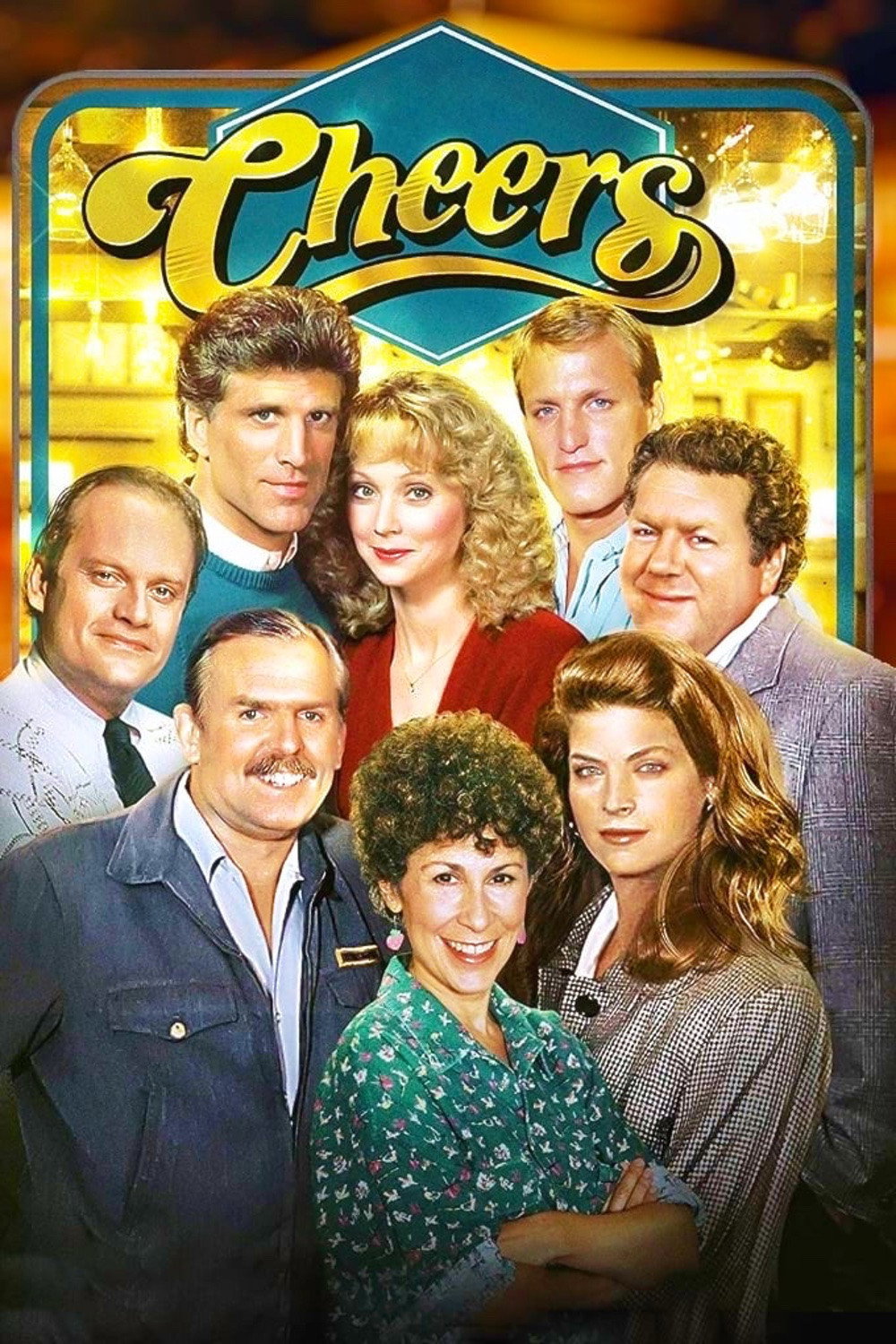
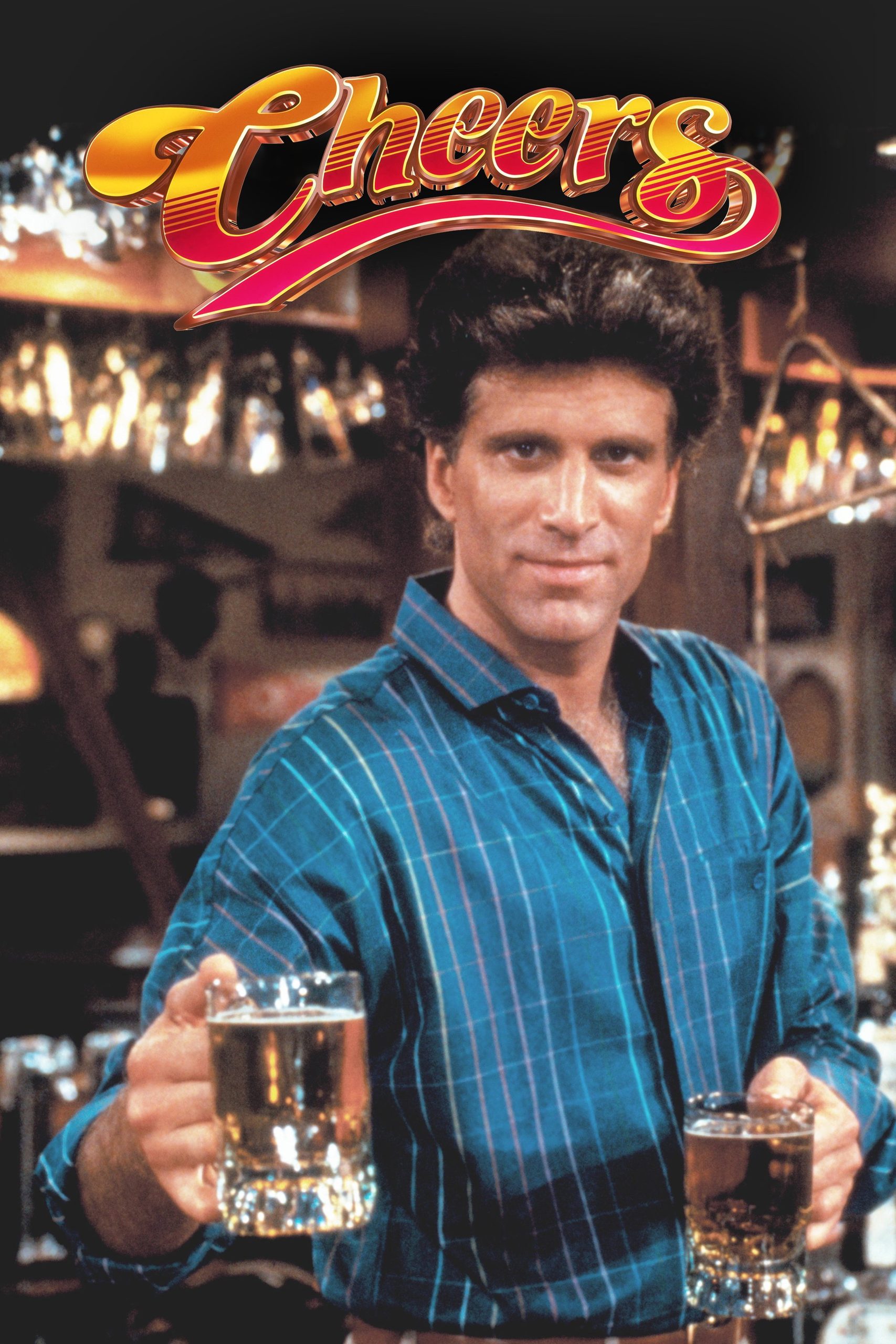
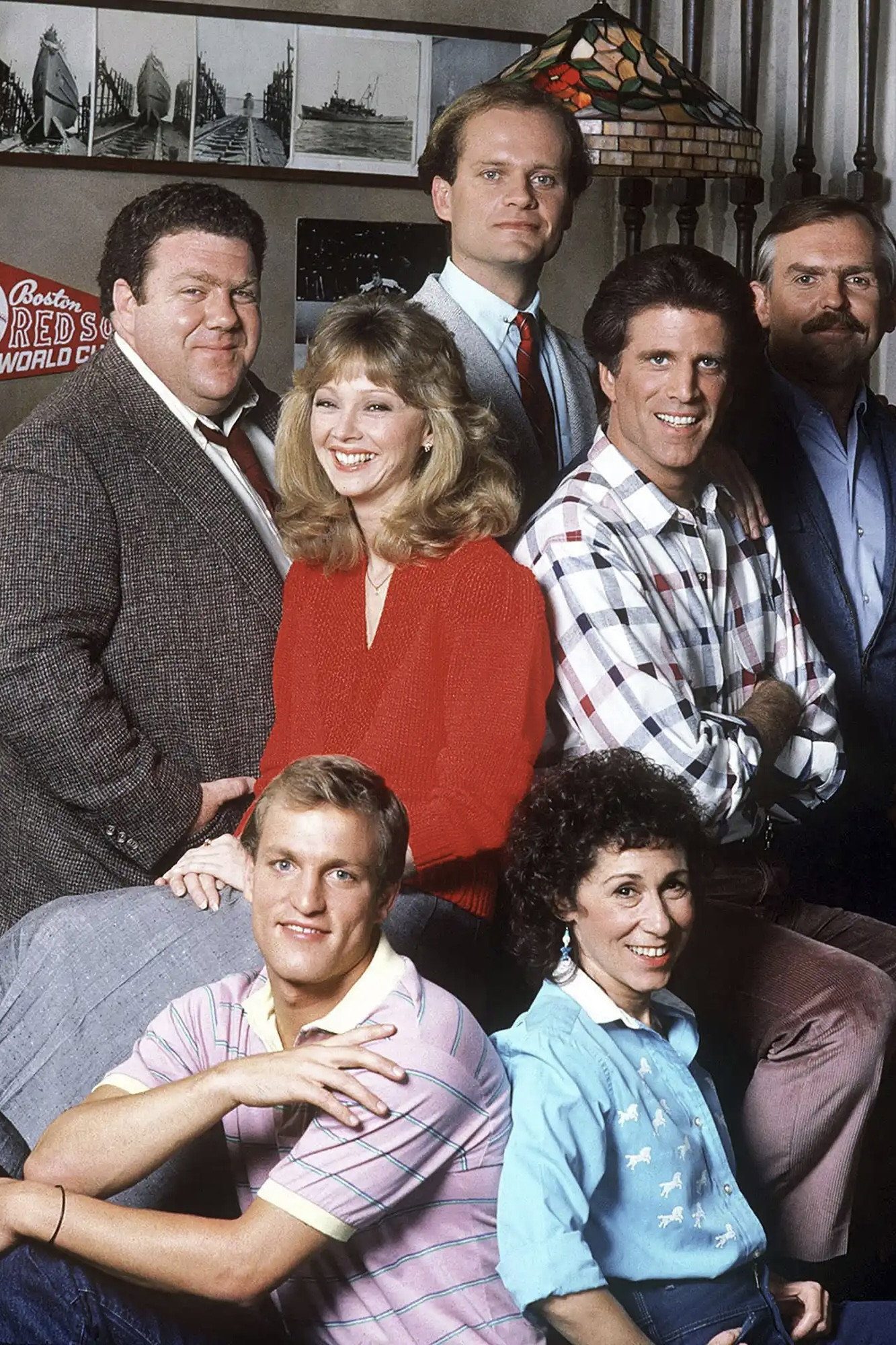
The quarrelling between Sam Malone and Diane Chambers gives Ted Danson and Shelley Long room to be funny without making either character harmless. Each performer makes being contradicted seem like a personal injury, even when the disagreement hardly warrants it. We laughed, then found ourselves caring rather more than we expected about these foolish arguments. The actors make it clear how much being taken seriously matters to both people. Their timing lets the hurt register without stopping the joke to ask for sympathy.
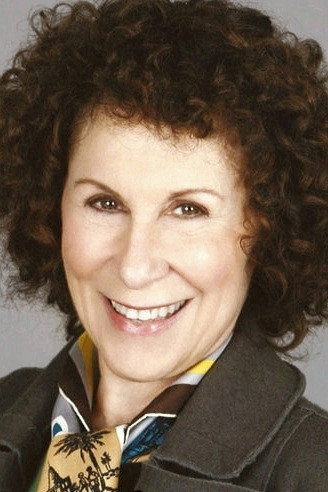
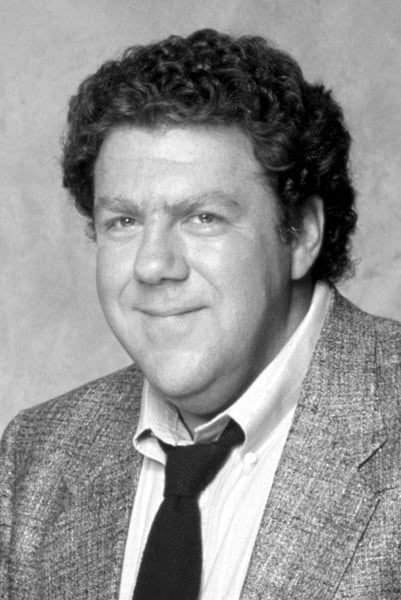
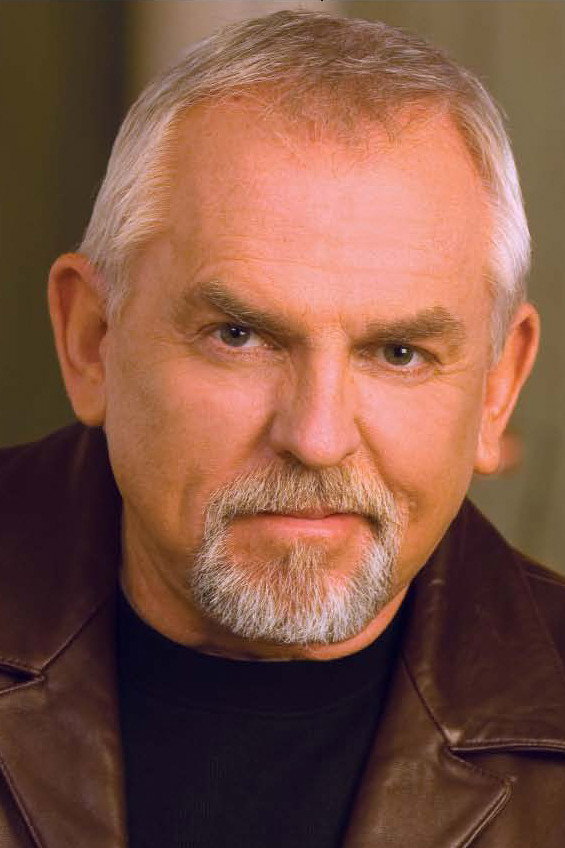
George Wendt gives Norm Peterson a conversational ease that makes the sharper voices around him funnier. John Ratzenberger’s Cliff Clavin is a less restful presence, and the pleasure lies in how readily his certainty invites resistance. Rhea Perlman gives Carla Tortelli enough force to make a short reply seem like a substantial contribution. That variety keeps an exchange lively without everyone having to compete for the biggest laugh.
As a director, James Burrows is particularly good at preserving that sense of a conversation while allowing precise comic timing. A reply can be delayed just enough for us to enjoy the speaker’s difficulty, without the exchange feeling like a demonstration of technique. Among the writers are Les Charles and Glen Charles, and the scripts give vanity and embarrassment something to do rather than merely attaching a funny line to them. A quarrel can keep producing laughs because each new remark makes another response necessary.
The bar setting places a useful limit on all this. With so much depending on people talking in one place, an account of something happening elsewhere has to be entertaining in its own right. That suits a comedy in which the telling of an incident can expose more vanity than the incident itself. The confined space keeps our attention on the speaker and the people listening, although it also makes a weak exchange difficult to disguise.
There are weak exchanges, and the programme sometimes relies too heavily on our pleasure in recognising who will object next. When disagreement alone has to carry a stretch of dialogue, a character’s objection can feel automatic. Across eleven seasons, the consistency is impressive, but some passages offer another familiar response when a fresh joke is needed. The performers remain good company in those moments, though their ease can encourage us to forgive scripts that give them too little to do.
For an ensemble comedy, Cheers is unusually willing to let its characters remain irritating. The warmth feels earned because we have heard enough from them to understand why they might exhaust one another. We recommend starting at the beginning, when there is still the pleasure of getting acquainted. Leave time for a second episode.