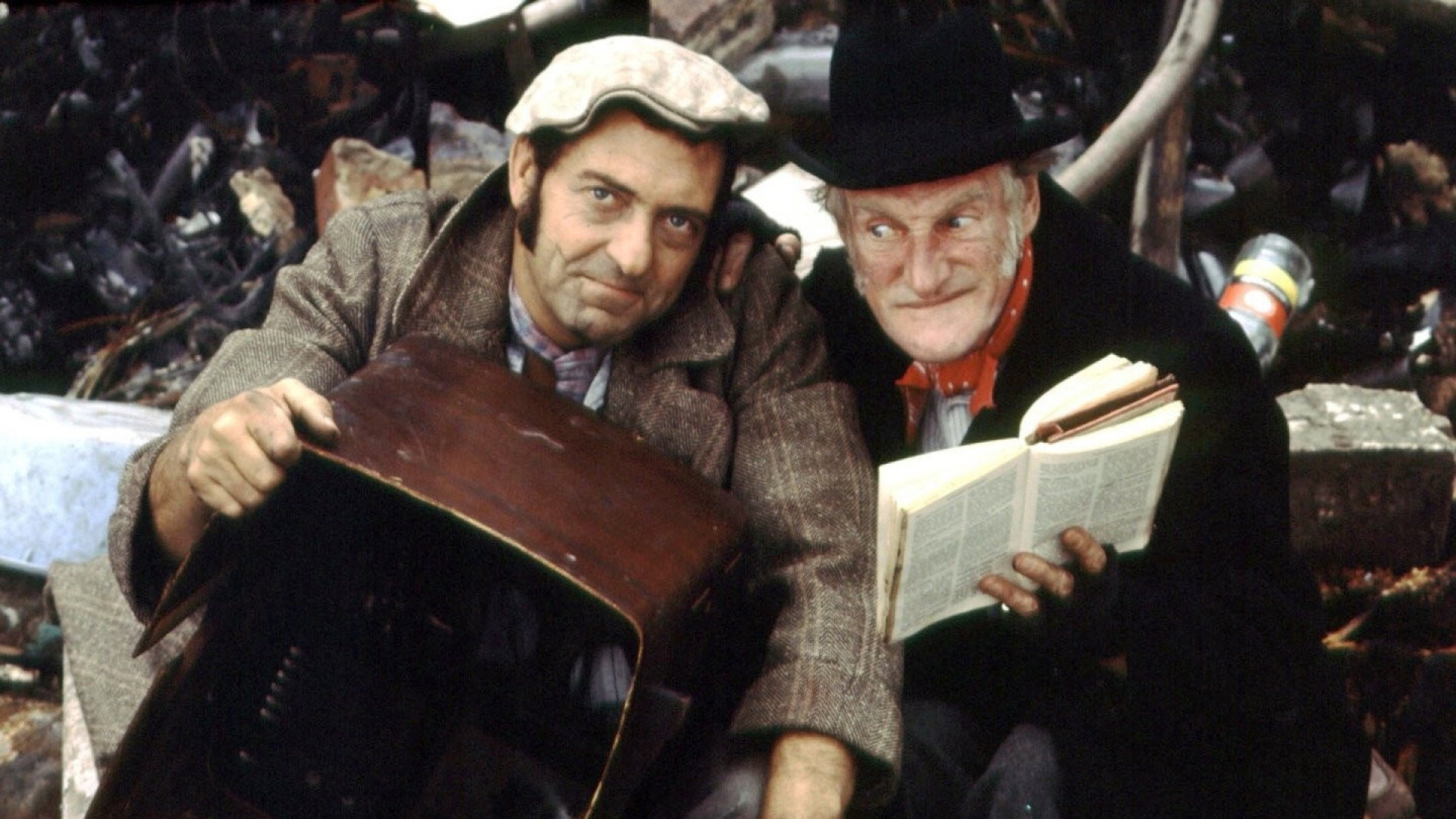
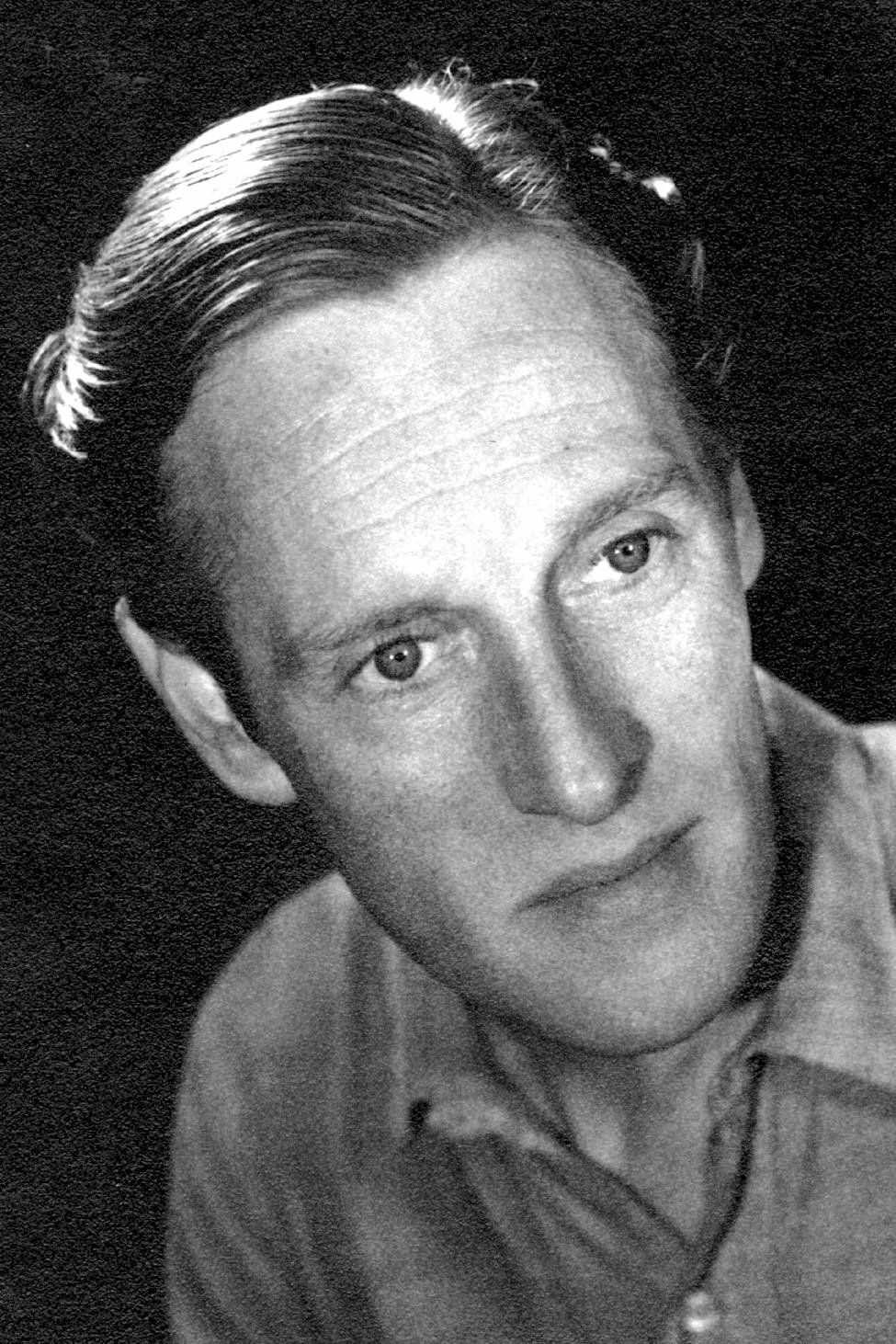
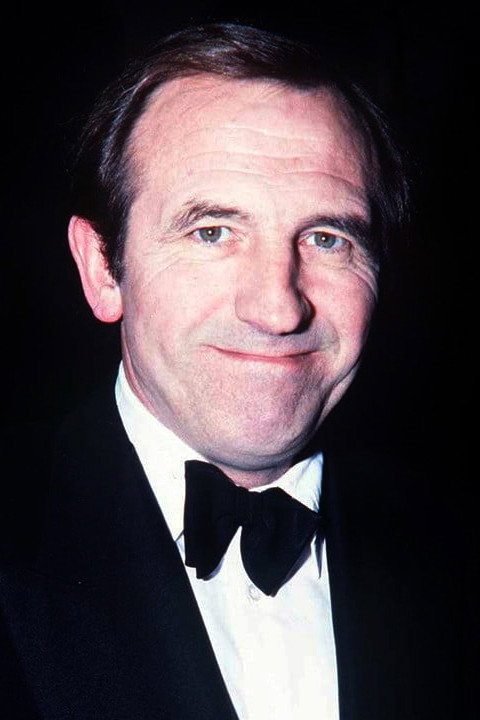
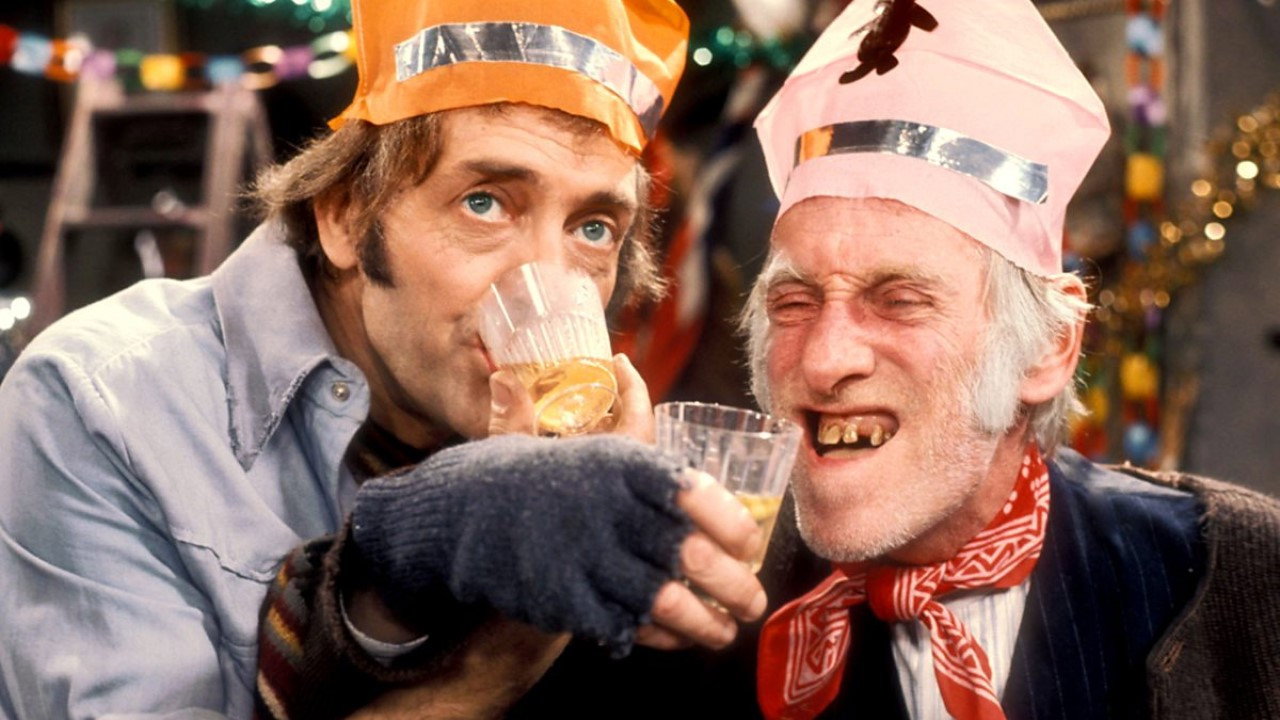
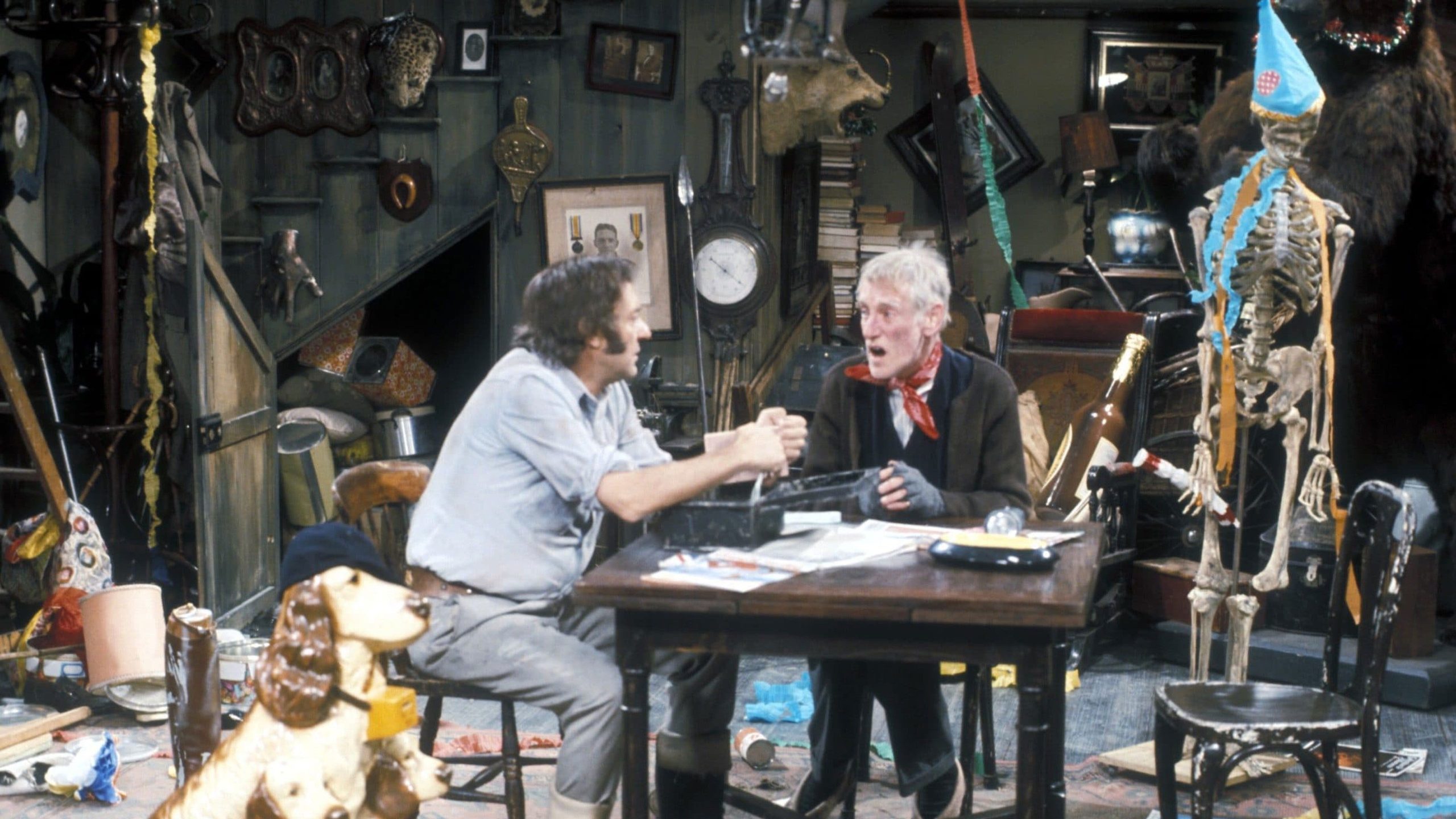
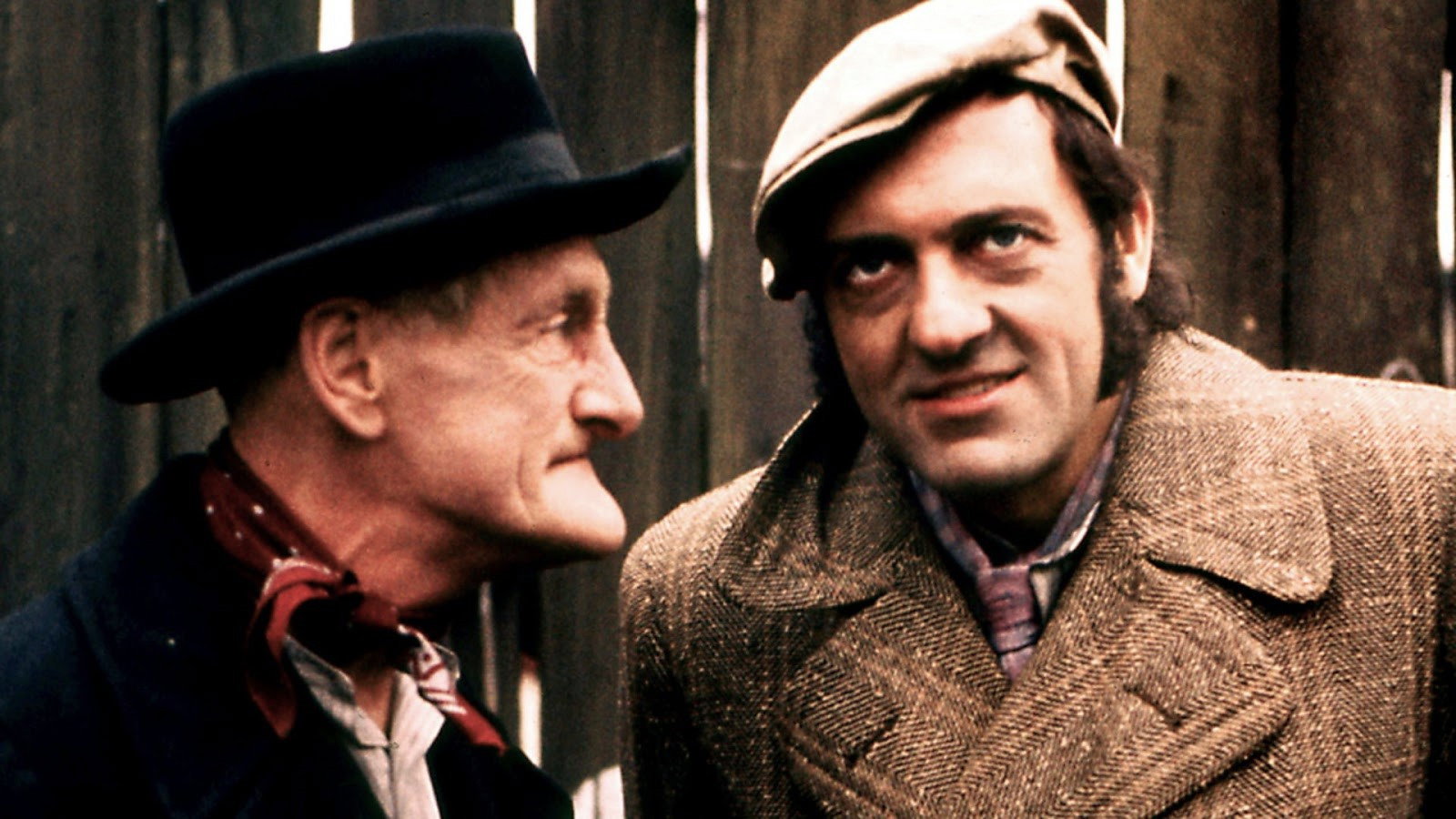
Harry H. Corbett and Wilfrid Brambell make this father-and-son comedy funny enough to hurt. We recommend it for their performances, with a warning that the repeated quarrelling can become wearing.
Steptoe and Son is a fine comedy about the unpleasant uses people find for knowing each other too well. Ray Galton and Alan Simpson give Harold and Albert enough reason to quarrel that neither needs to manufacture an offence. Their writing is funny, observant and sometimes difficult to sit through, although the repetition can wear us down. The important decision is to let a family disagreement remain ugly after it has supplied a laugh.
Harry H. Corbett makes Harold’s pretensions both irritating and understandable. Harold wants to be thought better than he is, and Corbett finds the embarrassment in having that wish noticed by the person least likely to indulge it. We can recognise the vanity without deciding that he deserves everything Albert gives him. A performance built only around wounded dignity would soon become exhausting; Corbett keeps Harold’s hunger for respect apparent even when he is being tiresome.
Wilfrid Brambell’s Albert is harder to feel sorry for, which contributes considerably to the discomfort. His pleasure in undermining Harold makes the father’s company increasingly oppressive. We laughed at Harold’s self-importance, then felt ashamed of how easily Albert had enlisted us against him. Brambell gives Albert enough relish to make us question why we were enjoying the exchange.
The directing credits include Duncan Wood and John Howard Davies, and the programme’s strength is its attention to the changing advantage between the performers. A quarrel needs enough time for an insult to register and for the person receiving it to recover. The editing, credited to Peter Pierce, Bob Rymer, Geoffrey Botterill and Howard Waters, feels responsive to that rhythm. The timing is good because the next joke does not always provide immediate relief.
The music credits include Dennis Wilson and Ron Grainer, though the accompaniment is less memorable than the friction in the voices. That is a reasonable priority for a comedy so dependent on the way these men address each other. At 30 minutes, an episode can make their company feel oppressive without requiring an entire evening of it. We would resist watching too many together.
The weakness is the repeated pressure on the same sore spots. Harold’s need to impress and Albert’s determination to spoil the attempt can make an exchange feel settled before it has properly begun. The writing sometimes asks us to stay with the hostility longer than its comic invention warrants. The performances keep it watchable, but the nastiness is less interesting when we can anticipate both the insult and the response.
Much domestic comedy reassures us that people who quarrel this often must love each other underneath. This series is unusually willing to let the unpleasantness stand, without asking us to find it endearing straight away. That makes it troubling, and it also means the programme can be poor company when we want uncomplicated warmth. We recommend it for the precision of the two performances, with a little space between episodes.