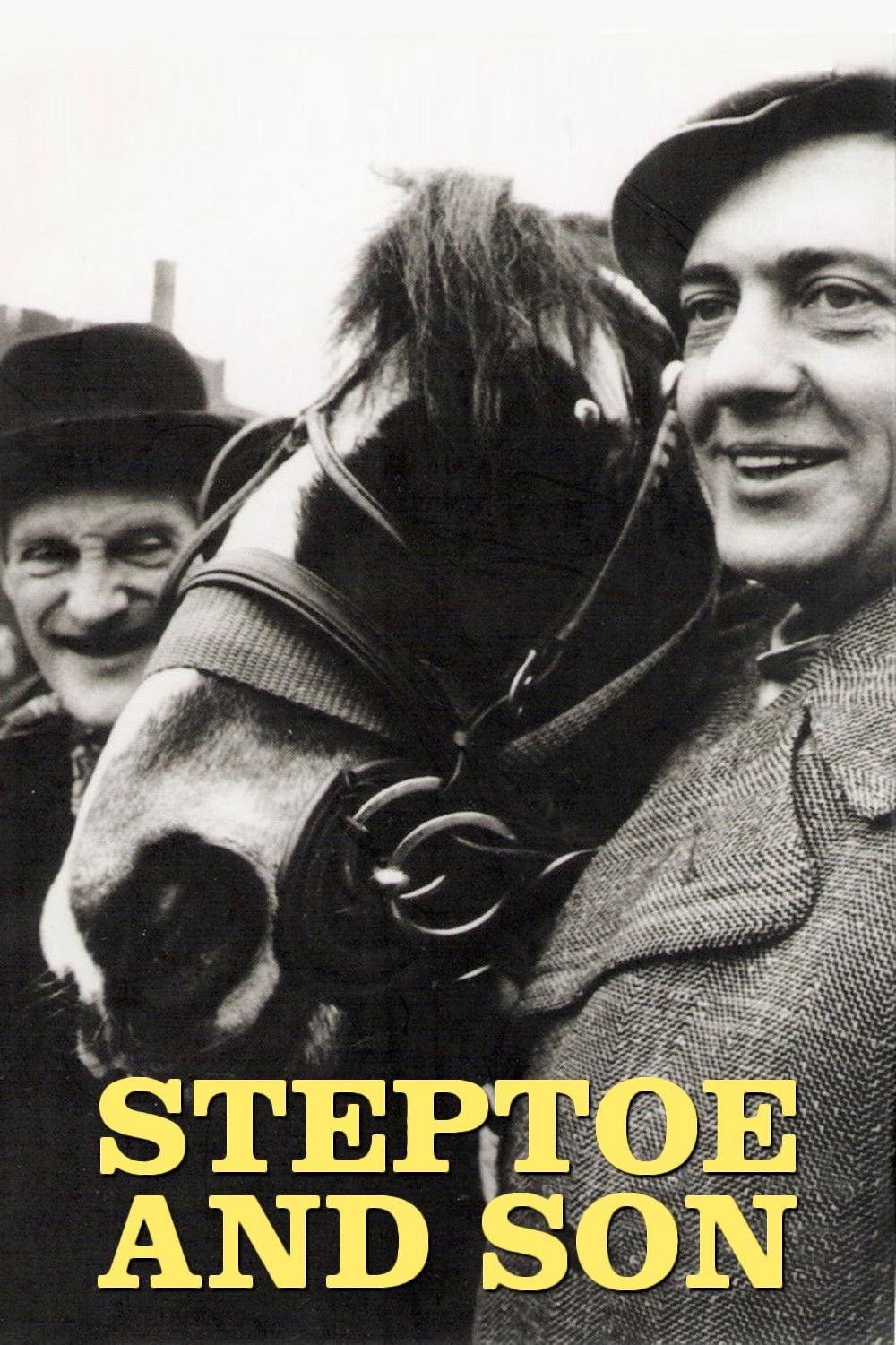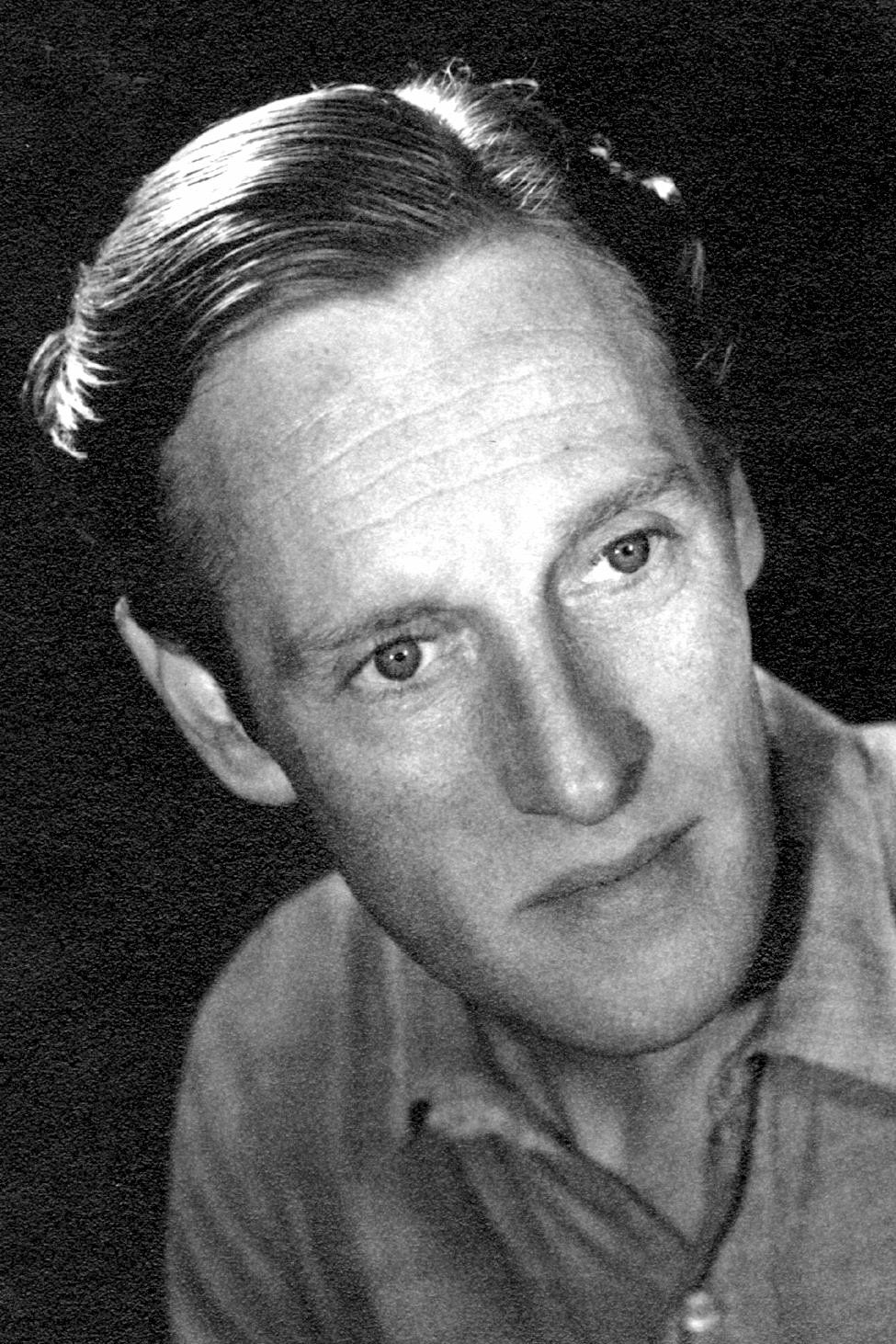
Wilfrid Brambell could make a spiteful old man funny without making him harmless. We value the unease in his work, most clearly in Albert Steptoe, whose relish makes it embarrassingly easy to take his side.
Fi1m perspective
Albert Steptoe enjoys undermining his son, and Wilfrid Brambell makes sure we notice the enjoyment. In Steptoe and Son (1962), the father's spite is funny enough to enlist us before his company becomes oppressive. Brambell deserves much of the credit for a comedy we recommend with reservations about its repeated quarrels. He makes Albert difficult to pity without making him too unpleasant to watch.
The elderly parts came before Albert: Brambell entered film and television in small roles from 1947, often playing old men. He was still in his forties when Steptoe and Son made him famous in 1962. The grandfather in A Hard Day's Night (1964) offered a deliberately cleaner contrast to Albert, but kept the old-man casting. The joke depended partly on recognising the television actor beneath the improved hygiene.
Harry H. Corbett's Harold matters enormously to what Brambell achieves, because Albert's pleasure needs someone whose self-importance can be punctured. We laughed at Harold, then felt ashamed of how readily Brambell had persuaded us to enjoy his father's cruelty. There is enough cunning in Albert to make the exchanges uncomfortable, and enough fear of loneliness to keep him from becoming merely a collection of unpleasant habits. Brambell does not need to make the father nicer for that vulnerability to count. It makes his determination to keep Harold down more troubling.
The limitation is in having to return to those quarrels so often. What is funny in one exchange can become wearing through repetition, and Albert's company grows harder to endure. Brambell's relish is still worth watching, but it cannot make every return to the same conflict equally rewarding. We can admire the performance and still need a break from the father.
Albert also narrowed the parts available to Brambell, who became strongly typecast. A later substantial role, the older Robert Tucker in The Terence Davies Trilogy (1984), is a useful reminder that his screen work did not end with the sitcom. There is no need to apologise for starting there, though. Begin with Brambell and Corbett, and leave a little time between the arguments.
Biography
Wilfrid Brambell was an Irish actor best known for playing Albert Steptoe in the BBC sitcom Steptoe and Son (1962–1974). He appeared in all 57 episodes of the series alongside Harry H. Corbett as his son Harold. Born in Dublin, he began acting as a child and later worked at the Abbey Theatre and the Gate Theatre before moving to Britain, where he performed with repertory companies and in early BBC television productions such as The Quatermass Experiment and Quatermass II.
Brambell gained wider recognition for his film roles, including Paul McCartney’s grandfather in A Hard Day’s Night (1964). He appeared in other films such as In Search of the Castaways (1962), Witchfinder General (1968) and Holiday on the Buses (1973). He died in London on 18 January 1985.