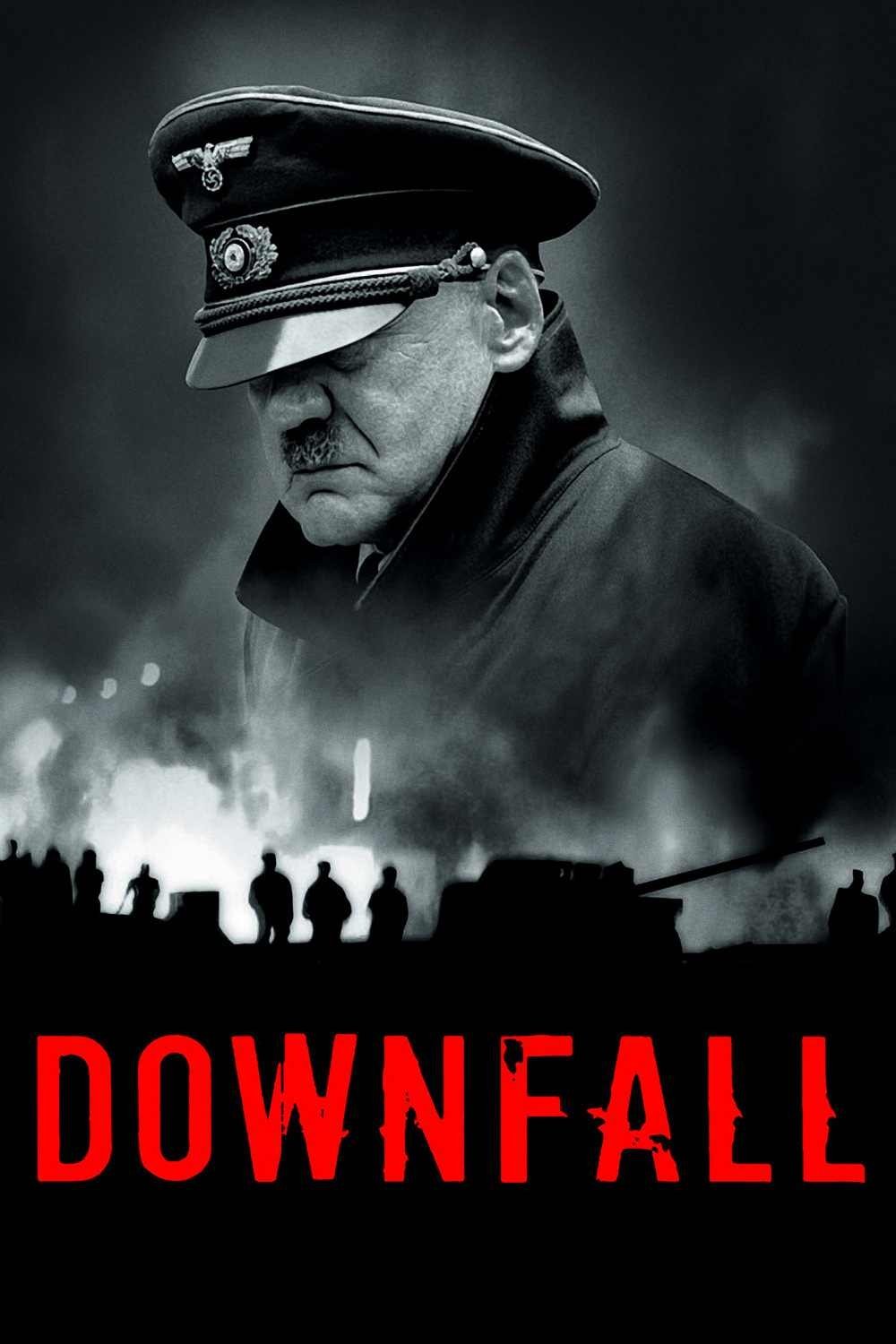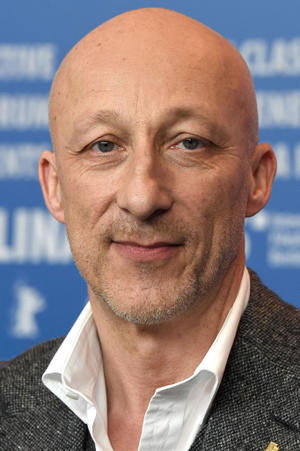
Oliver Hirschbiegel finds tension in enclosed rooms and people carrying on with their duties when there is little reason left to do so. We recommend Downfall for that patient attention, though his closeness to its characters can encourage pity too readily.
Fi1m perspective
In Downfall (2004), people keep attending to their duties in the bunker as the regime collapses. Oliver Hirschbiegel watches them long enough for that routine to become disturbing. Bruno Ganz's Hitler gives the film its compelling centre, but the director also notices the people who continue to serve him. We were unsettled by how ordinary their working lives could seem, because the reconstruction makes those routines so credible. Hirschbiegel earns our attention without making this a comfortable place to spend an evening.
His feature debut, Das Experiment (2001), was a thriller based on the Stanford prison experiment, an apt subject for a director drawn to confined spaces and behaviour under pressure. Downfall brought international attention, and Hollywood followed with The Invasion (2007), from which he was removed before completion after creative differences. He returned to European features with films including Five Minutes of Heaven (2009) and 13 Minutes (2015). Television has remained part of his work, extending into science fiction with Constellation (2024).
Rainer Klausmann's cinematography in Downfall makes proximity to this private circle uncomfortable rather than inviting. Bernd Lepel's production design gives the bunker the credibility of a workplace, somewhere its inhabitants can keep treating their responsibilities as important. Hirschbiegel's preference for naturalistic performances is well suited to these surroundings. He lets the persistence of daily business hold our attention, instead of relying on the setting to do all the work. The reconstruction matters because it lets the actors make that daily life convincing.
The difficulty is how much sympathy that attention can invite. Downfall sometimes dwells on private suffering before sufficiently examining why these people continue to serve Hitler, and its crowded storytelling weakens the effect in places. Hirschbiegel could question their sense of their own importance more closely. Ganz's performance remains a strong reason to stay. Start with this film, with some scepticism about the pity it occasionally asks us to grant.
Biography
Oliver Hirschbiegel is a German film and television director. Born in Hamburg on 29 December 1957, he studied painting and graphic arts at the Hamburg University of Fine Arts after attending a Waldorf school.
He began his career in the mid-1980s directing television productions, including episodes of Tatort and Inspector Rex. His first theatrical feature, The Experiment (2001), received critical acclaim and multiple awards.
Hirschbiegel gained international attention with Downfall (2004), which earned an Academy Award nomination for Best Foreign Language Film. Other notable works include The Invasion (2007), Five Minutes of Heaven (2009), Diana (2013) and the series Constellation (2024).