Film review

Downfall

2004 · Directed by Oliver Hirschbiegel · 2h 35m · MPA R

In a sentenceHitler is frightening enough; the people still treating him as the boss make it worse

DramaHistoryWar

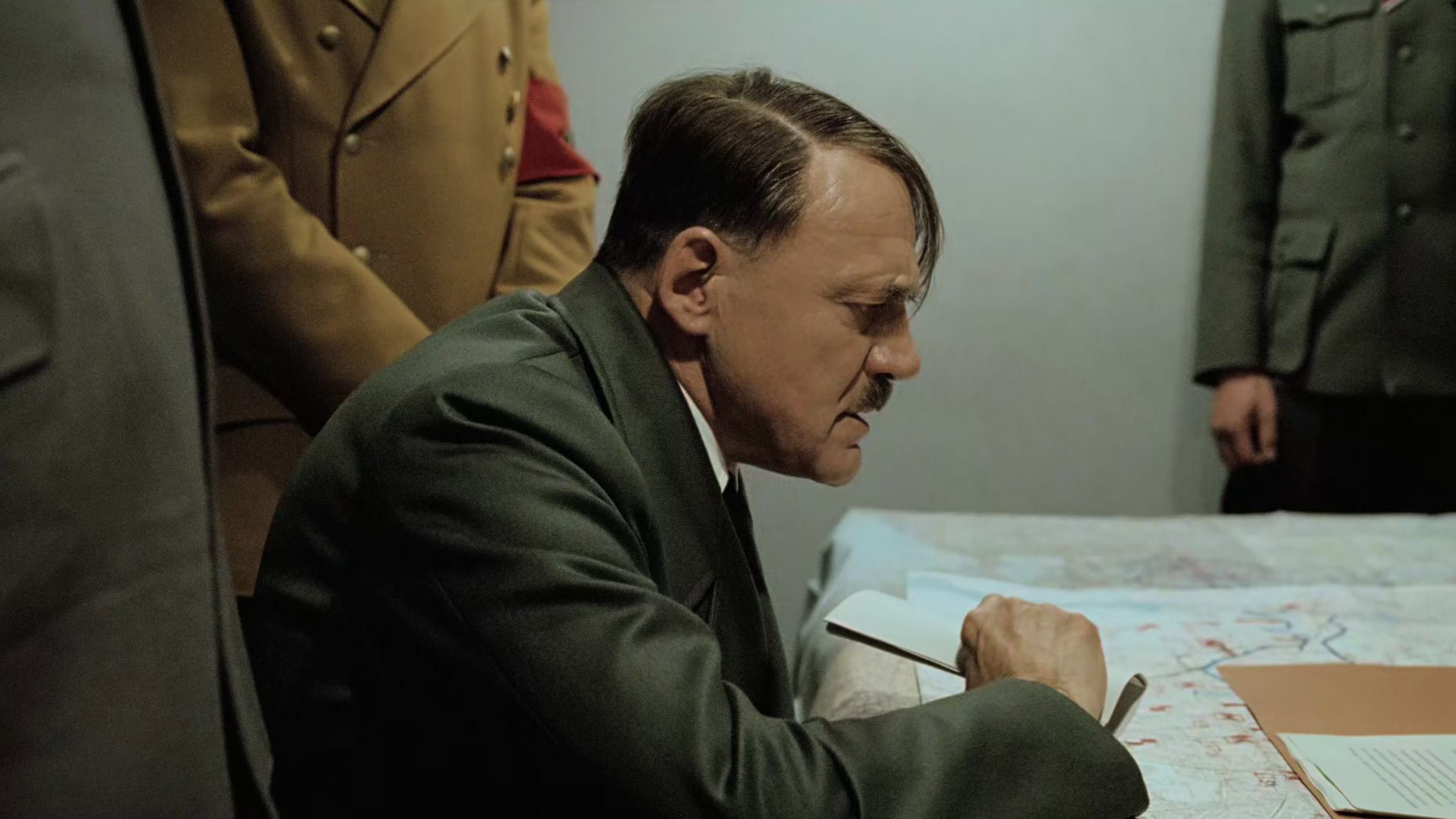
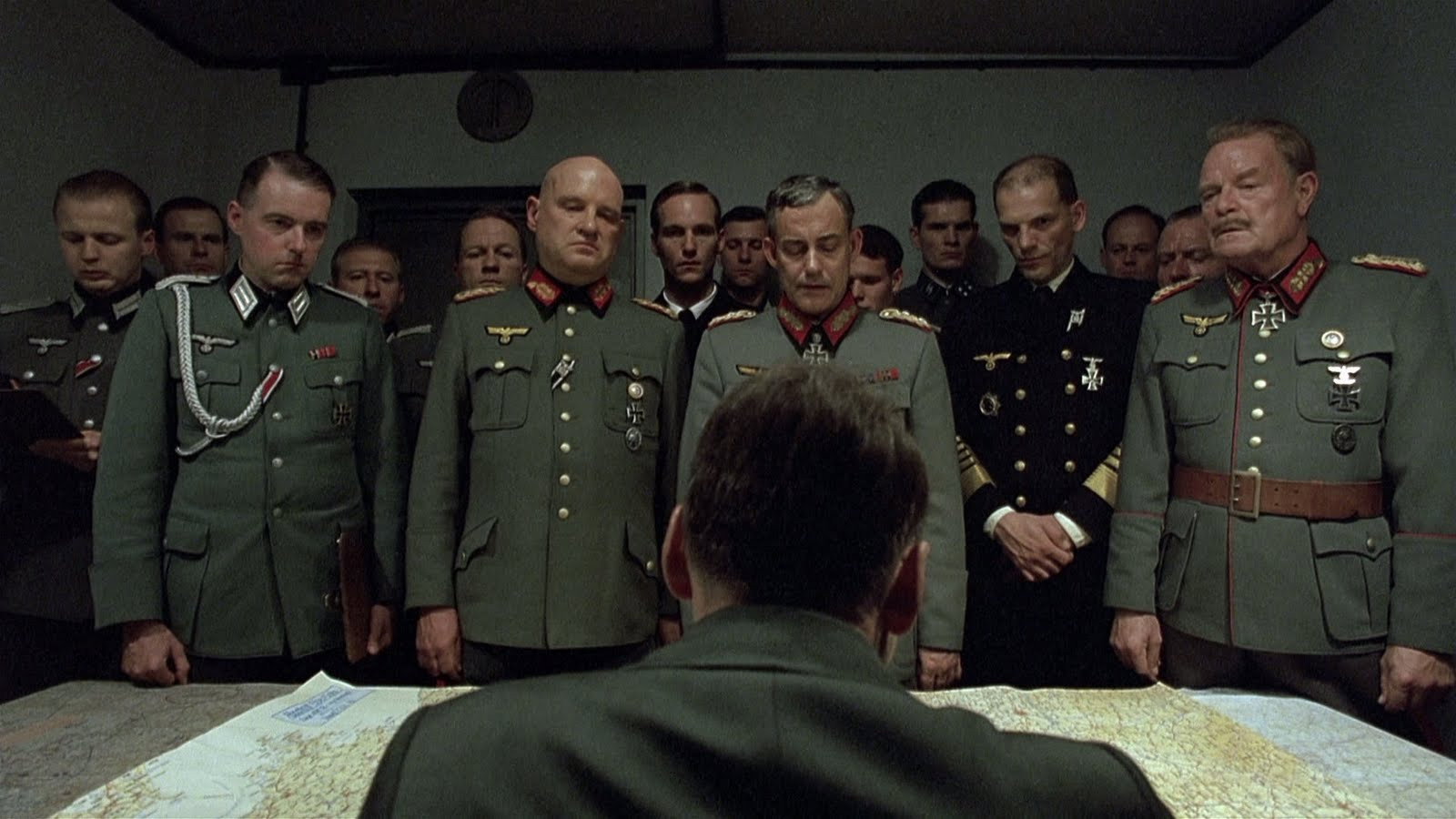
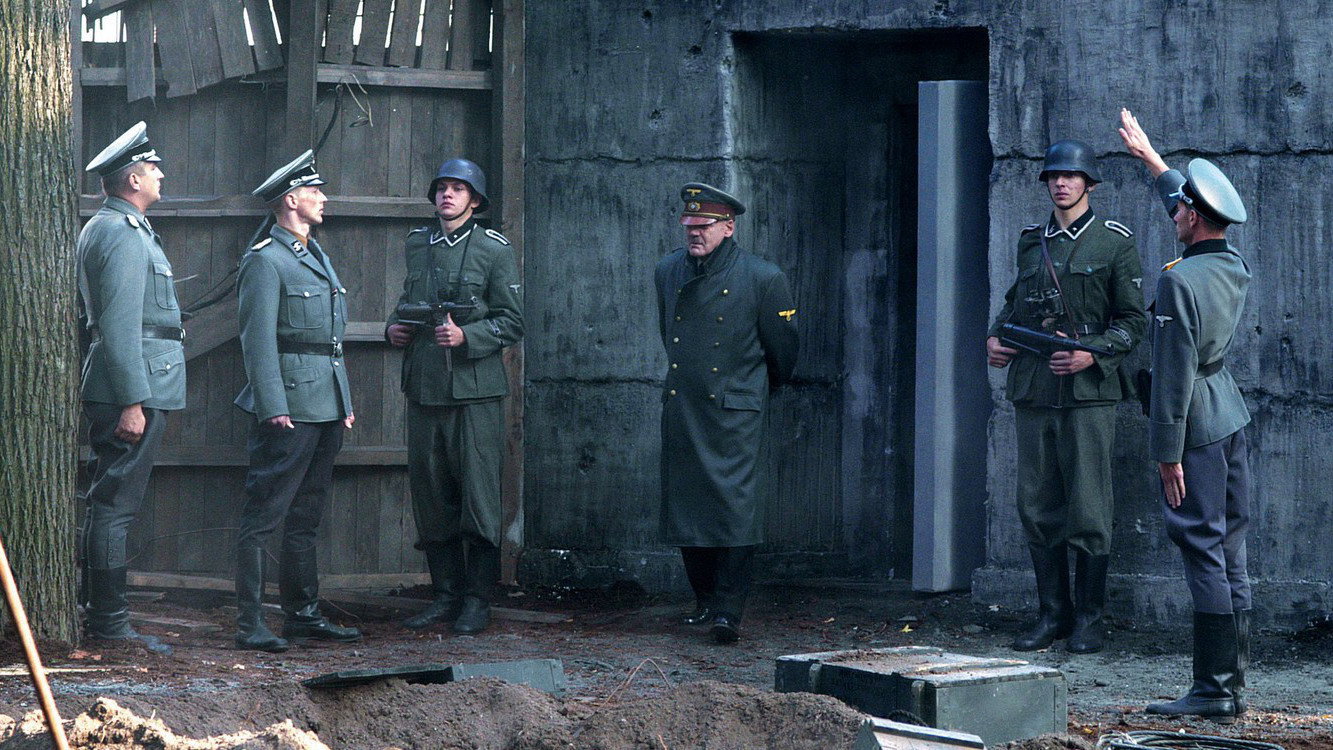
April 1945. Adolf Hitler (Bruno Ganz) remains in his bunker as his regime collapses, surrounded by people who continue to serve him. Traudl Junge (Alexandra Maria Lara) provides an entry into this circle, where the daily business of attending to Hitler continues amid the approaching defeat. Eva Braun (Juliane Köhler), Joseph Goebbels (Ulrich Matthes) and Magda Goebbels (Corinna Harfouch) are among those around him. Directed by Oliver Hirschbiegel, the drama follows their differing responses to the collapse, taking in personal loyalties and private concerns alongside the disintegration of the regime they serve.

Plays from YouTube when you press play; nothing loads from them until then.

Fi1m review

Bruno Ganz makes Downfall deeply unsettling, and Oliver Hirschbiegel’s bunker drama earns its close attention to a hateful company. Its crowded storytelling sometimes weakens the effect, but we recommend it for the performances and the conviction of the reconstruction.

Downfall is a disturbing historical drama whose lead performance justifies the discomfort of spending so long in Hitler’s company. Oliver Hirschbiegel follows the daily business of the bunker as the regime collapses, giving close attention to people still occupied with serving its leader. That is a difficult subject to handle without making their troubles seem more important than anything beyond their immediate surroundings. The film sometimes comes too close to doing so, but Bruno Ganz keeps it worth watching.

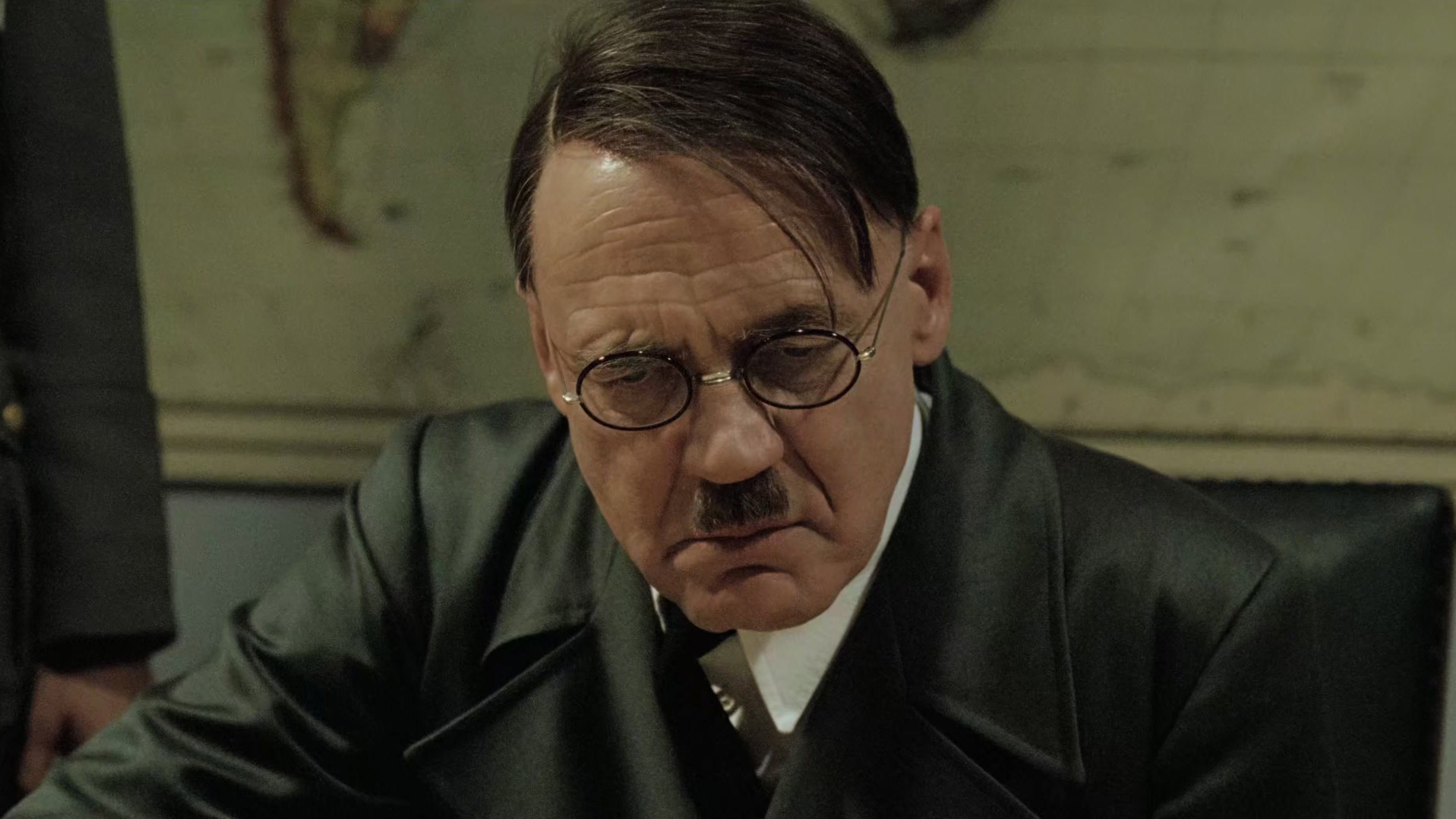
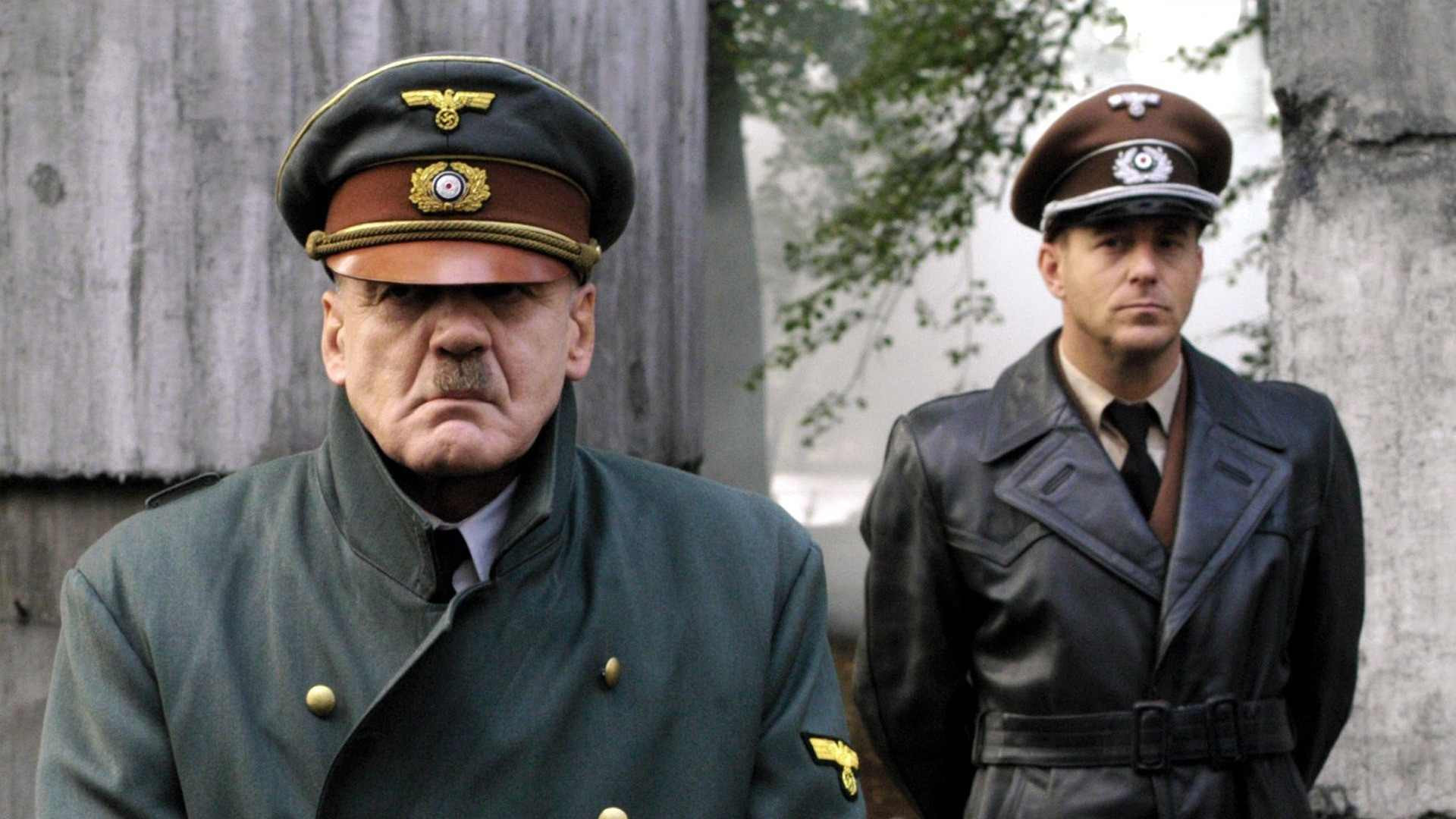
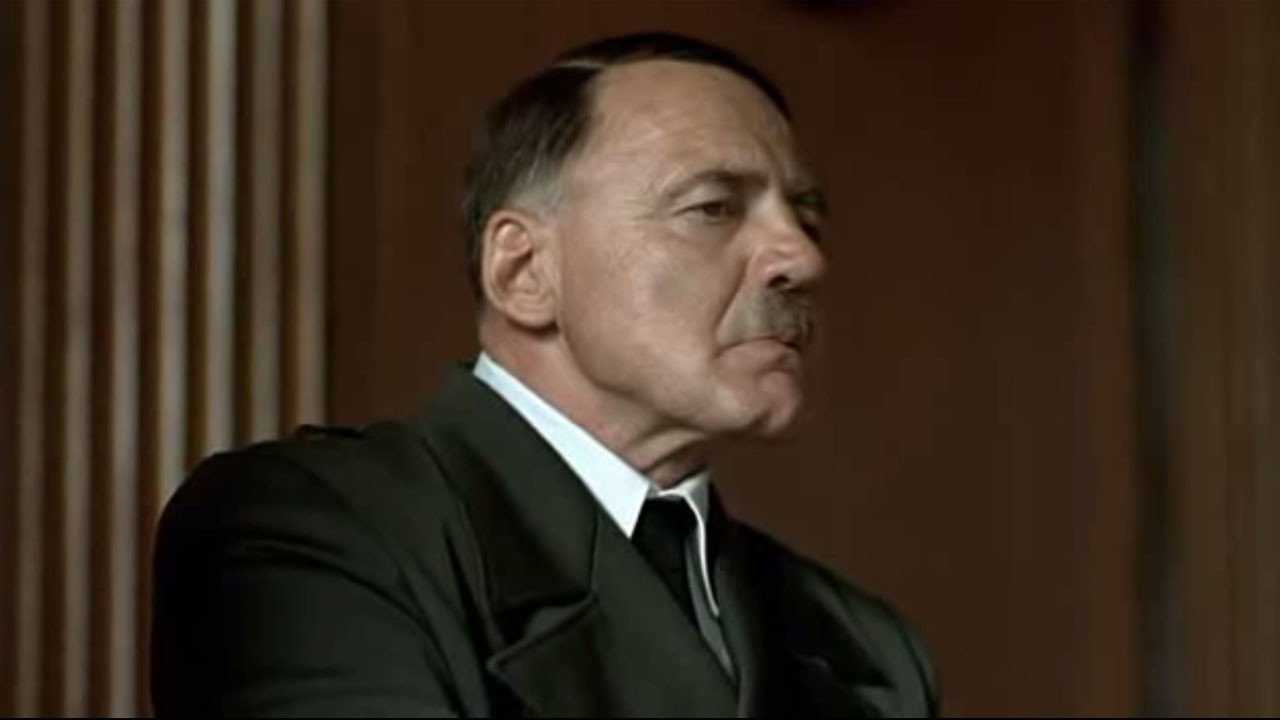
Ganz makes Hitler diminished and paranoid without making him safely remote from the rest of humanity. His performance has room for the ordinary qualities that a caricature would remove, and those qualities make the continued obedience around him harder to watch. We were horrified by the routine business of attending to this man, carried on as his regime comes apart. Ganz’s recognisable humanity is crucial here: we can understand how people might become accustomed to his presence, which makes their service more disturbing.

Rainer Klausmann’s cinematography helps make that proximity uncomfortable; there is little pleasure in being admitted to this private circle. Bernd Lepel’s production design gives the bunker credibility as a place of work, somewhere its inhabitants can carry on behaving as though their duties still matter. The reconstruction works because we believe people could get used to living here. Hirschbiegel draws considerable tension from the persistence of daily life amid the collapse.

Alexandra Maria Lara’s Traudl Junge gives us a point of entry into the company, although Bernd Eichinger’s screenplay is reluctant to limit itself to her perspective. Corinna Harfouch as Magda Goebbels and Ulrich Matthes as Joseph Goebbels help keep Ganz from becoming the only person worth studying. The ensemble gives weight to the different responses to defeat. But the script’s determination to take in so many people gradually makes attention harder to sustain.

Hans Funck’s editing keeps the crowded narrative comprehensible, but cannot make every subplot feel necessary. At 155 minutes, the film has stretches in which another private crisis adds little to what we already understand about the people trapped here. Stephan Zacharias’s music adds solemnity, though the performances need little help in making the distress apparent. The length allows the pressure to build; the repeated demands on our sympathy sometimes make us less responsive to it.

Historical dramas can give their subjects too easy a hearing simply by staying close to them. Hirschbiegel is attentive to the different kinds of defeat within the bunker, and that patience is a virtue. He is less searching about the importance these people attach to their own suffering. We occasionally felt pushed towards pity before the film had examined why we should grant it. With so much attention given to their private troubles, their reasons for continuing to serve Hitler need closer scrutiny.

Showing Hitler as recognisably human is still the right decision. Ganz makes their obedience more troubling, and his performance deserves the attention most critics have given it. We recommend Downfall, with a reservation about how much room Eichinger makes for everybody else’s predicament. Allow it an uninterrupted evening, and do not expect much relief.
Critical consensus AI synthesised

82
Positive
7
Mixed
0
Negative
0

Most critics respond strongly to Downfall’s detailed reconstruction of life in Hitler’s bunker and its account of the regime’s collapse. Praise centres on Bruno Ganz, whose performance makes Hitler recognisably human without softening his cruelty or delusion. The reviews repeatedly find that attention to his ordinary behaviour makes him more disturbing, not more sympathetic. The ensemble and the accumulation of mundane bunker detail also contribute to a portrait widely described as gripping and chilling.

The reservations concern what all that reconstruction achieves dramatically, with a wider spread of opinion here than on the acting. The New York Times finds fascination in the details but insufficient dramatic or emotional payoff. Sight and Sound similarly questions the film’s perspective, finding a historical checklist where it wants greater emotional engagement. Elsewhere, objections to crowded subplots and conventional drama qualify the praise rather than overturn it.

Empire
· Kim Newman
85*

Hirschbiegel's epic is solid history and fine cinema, gripping, moving and profoundly horrifying in its portrayal of the bunker and the Reich's final collapse. It singles out Bruno Ganz's great performance as Hitler for its shocking conviction and exacting detail.

Read the full review →
The Guardian
1 April 2005 · Peter Bradshaw
85*

The critic praises the film's intimate portrayal of Hitler's final days in the bunker, which humanises the dictator in a way that makes him appear even more grotesque and banal. Bruno Ganz's performance as Hitler is singled out as exceptionally authentic and compelling.

Read the full review →
The Times
31 March 2005 · James Christopher
85*

The critic calls the film a remarkable and chilling first German account of Hitler in 50 years, commending its intense, authentic reconstruction of the bunker's final days. Bruno Ganz's eerily perfect portrayal of the Führer, based on real tapes and footage, is highlighted as a standout.

Read the full review →
The AV Club
15 February 2005 · Nathan Rabin
80*

The film creates a visceral sense of a corrupt old order being ripped apart, boasting ghoulish gallows humor and memorable performances amid an overstuffed melodrama with countless subplots.

Read the full review →
The Independent
31 March 2005
80*

The film disturbingly and magnificently portrays Hitler as human rather than a monster. It singles out Bruno Ganz's compelling performance for praise, along with the film's focus on the bunker through Traudl Junge's eyes and its honest depiction of the regime's collapse.

Read the full review →
Slant Magazine
28 January 2005 · Ed Gonzalez
70*

The film is an exhausting soap opera of doom that conveys a chilling vision of rats being slowly flushed down a toilet, yet Hirschbiegel tempers scorn with compassion for the complex levels of defeat among Hitler's minions.

Read the full review →

Cast

Stills

Awards

Goya Award for Best European Film, 2006

Nominated
Goya Award for Best European Film

Academy Awards, 2005

Nominated
Best International Feature Film

Amanda Award for Best Foreign Feature Film, 2005

Won
Amanda Award for Best Foreign Feature Film

BIFA for Best Foreign Independent Film, 2005

Won
BIFA for Best Foreign Independent Film

International Submission to the Academy Awards, 2005

Nominated
International Submission to the Academy Awards

London Film Critics Circle Award for Actor of the Year, 2005

Won
London Film Critics Circle Award for Actor of the Year

Silver nugget for the best foreign film, 2005

Won
Silver nugget for the best foreign film

European Film Award for Best Actor, 2004

Nominated
European Film Award for Best Actor

If you liked this, try…

Das Boot poster

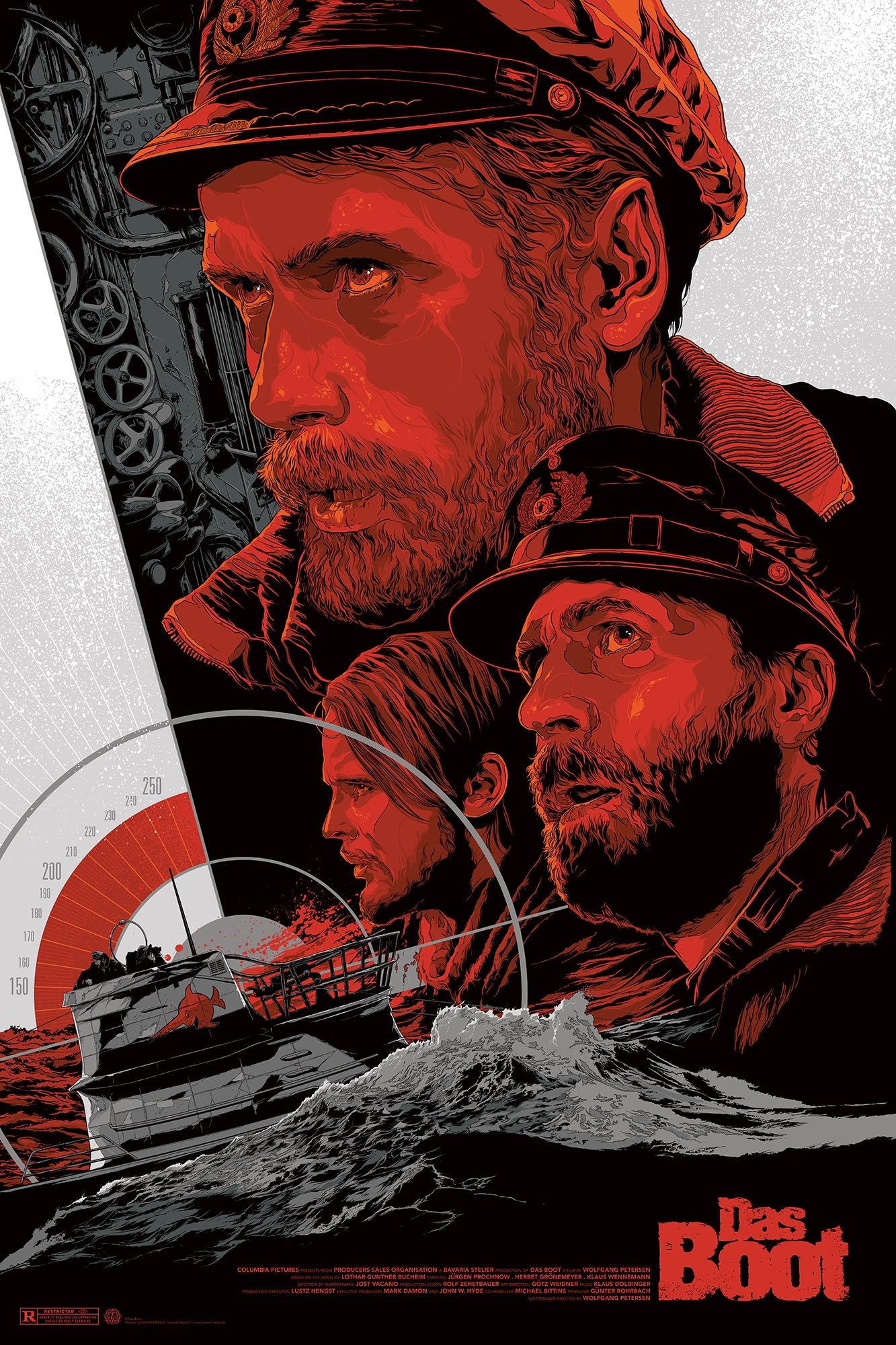
Das Boot

1981 · Another confined wartime company, with pressure accumulating through work, fear and exhaustion.

The Battle of Algiers poster93

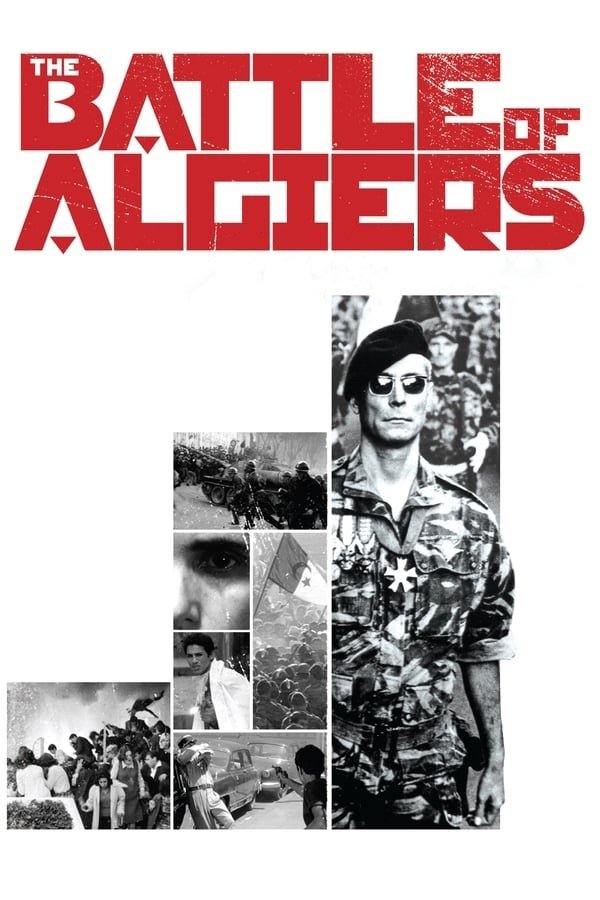
The Battle of Algiers

1966 · Political violence examined through collective behaviour, with little comfort in individual heroics.

Army of Shadows poster

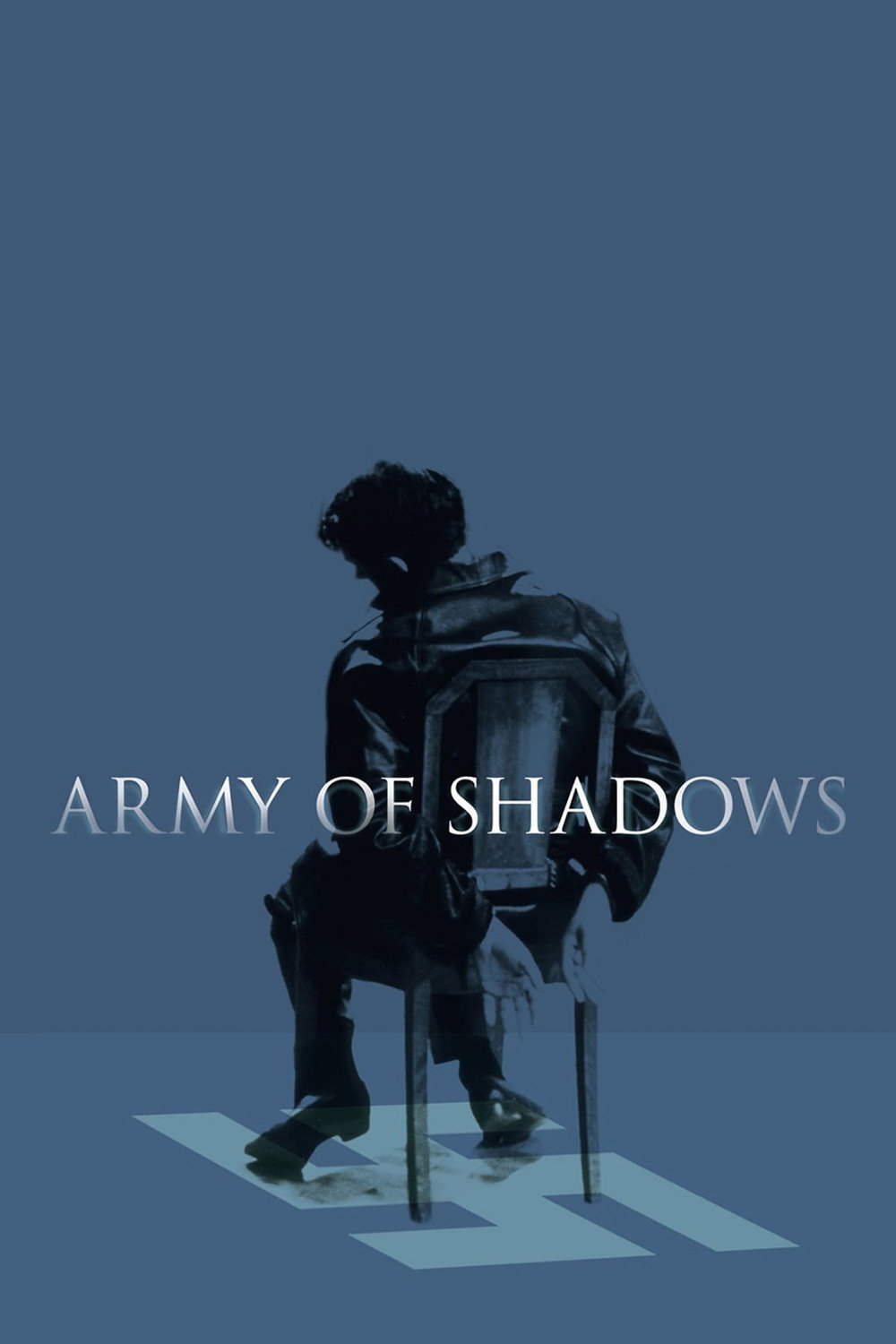
Army of Shadows

1969 · For the patient attention to duty, compromise and the cost of obedience.

The Death of Stalin poster

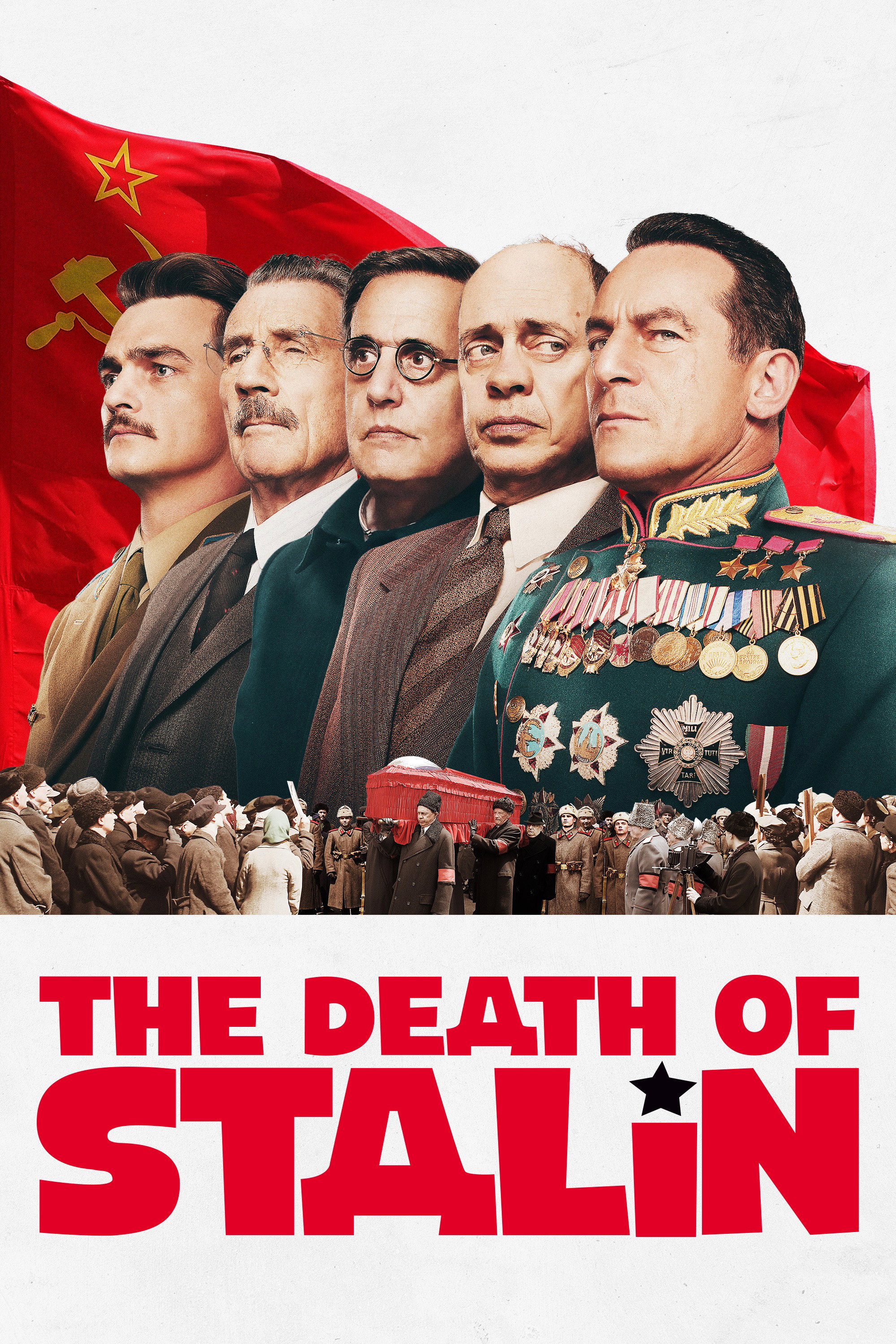
The Death of Stalin

2017 · The fear around a dictator becomes farce without making the victims negligible.

The Zone of Interest poster91

The Zone of Interest

2023 · Domestic routine beside organised atrocity, with even less reassurance from the camera.