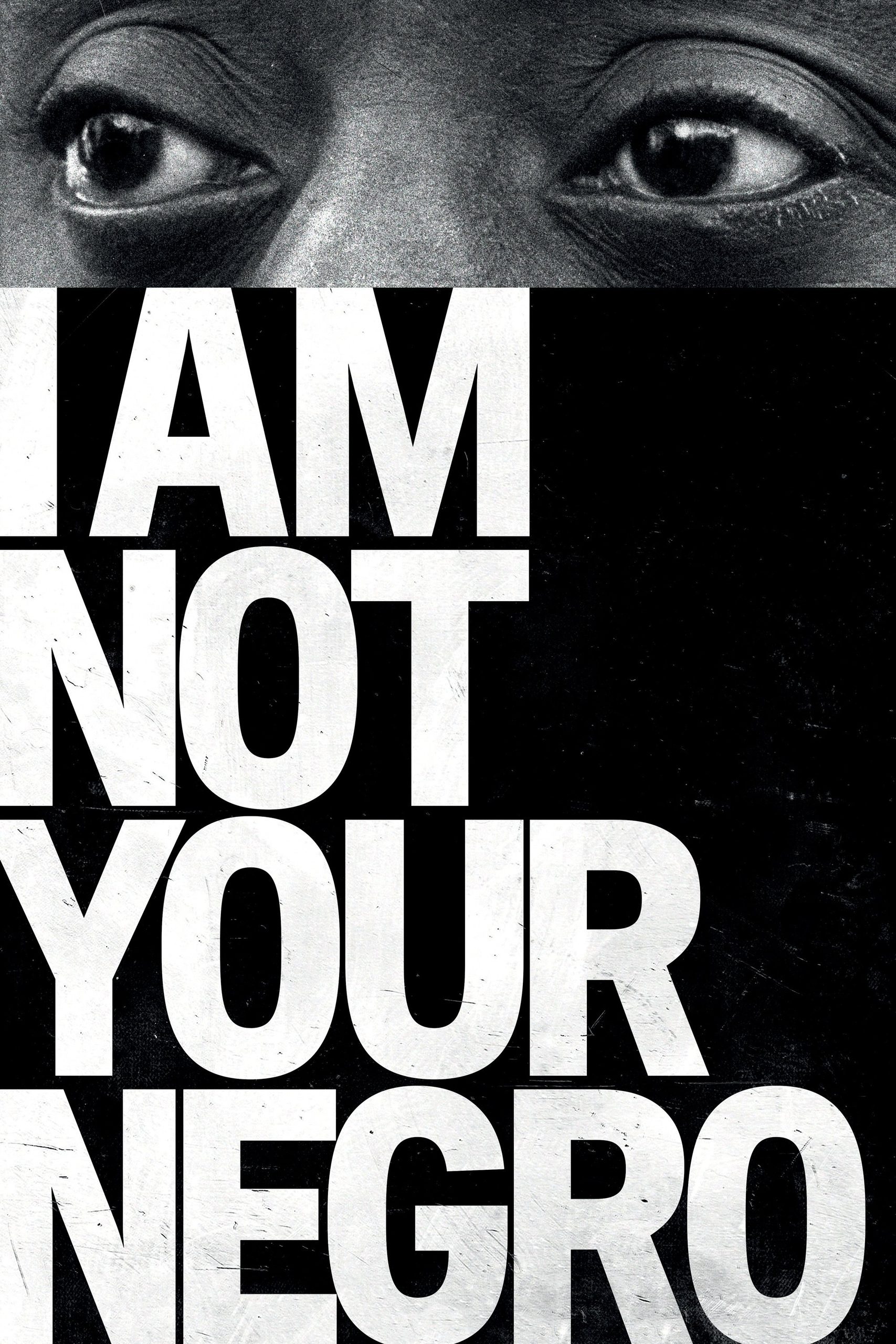
Raoul Peck makes films to win an argument, and his best, I Am Not Your Negro, hands the argument to James Baldwin and gets out of the way. He cuts archive with great skill, and does not always trust it to speak for itself.
Fi1m perspective
Nobody speaks in I Am Not Your Negro except James Baldwin. Samuel L. Jackson reads him, the archive shows him, and Raoul Peck, who made the film, never once steps in to explain what we are looking at. That is the Peck habit: find the person who said it best, put their words at the centre, and build the pictures around them. He has always trusted an argument more than a scene, and the films are strongest when the argument is a good one and he keeps his hands off it.
He started with shorts and features in the late 1980s, after training at the German Film and Television Academy in Berlin, and his early work was about Haiti and about exile from it. Lumumba: Death of a Prophet (1991) and then the feature Lumumba (2000) took him to the Congo and to the independence leader Patrice Lumumba, and made his name abroad. Sometimes in April (2005) went to Rwanda and to the world that did nothing. Then came the run most people know: I Am Not Your Negro (2017), The Young Karl Marx (2017), on Marx and Engels as young men, and the miniseries Exterminate All the Brutes (2021), on colonialism and genocide. He has never kept documentary and fiction apart; archive, voice-over and collage turn up in both.
What he does well is build a whole film from almost nothing. Baldwin left thirty pages of an unfinished book; Peck made 93 minutes out of them, and nearly all of them count. He is also good at the hard cut across decades, Birmingham police dogs against Ferguson police lines, and the first time he does it in I Am Not Your Negro it is a shock. We were angry, and it was Jackson's voice that did it, reading Baldwin flat and tired, as if he already knew nobody would listen. Then the film makes the same cut again, and a third time, and Alexei Aigui's strings creep in under the voice, and the anger cools into irritation, because Baldwin had already said it and said it better.
Most complaints about Peck come down to his not pretending to be neutral, and we do not hold that against him; a counter-history that hedged would be no use to anyone. What we hold against him is the extra picture. His weakness is the opposite of laziness: he wants the point to land so badly that he makes it twice, once in the words and once in the cut. Start with I Am Not Your Negro, the best case for him and the plainest example of the habit. When it says something twice, the first time was Baldwin's.
Biography
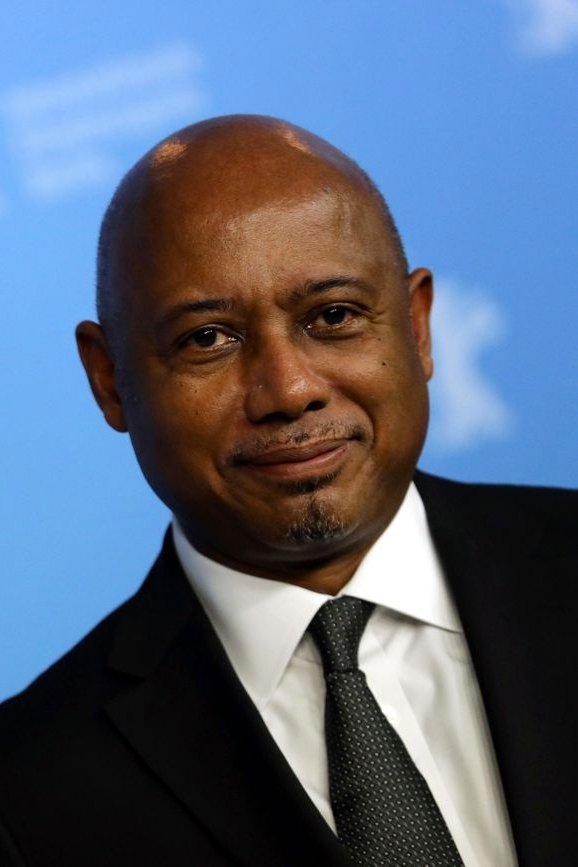
Raoul Peck is a Haitian filmmaker and director. Born on 9 September 1953 in Port-au-Prince, he fled Haiti with his family as a child and later trained at the Deutsche Film- und Fernsehakademie Berlin.
He is known for directing I Am Not Your Negro (2017), which he also produced, The Young Karl Marx (2017) and Sometimes in April (2005). Peck served as Haiti's Minister of Culture from March 1996 to September 1997.