Raoul Peck gives James Baldwin the last word on America, and Samuel L. Jackson reads it as if he already knows nobody will listen. A hard, exact, beautifully cut film, weakened only when Peck adds a picture to a point Baldwin has already made.
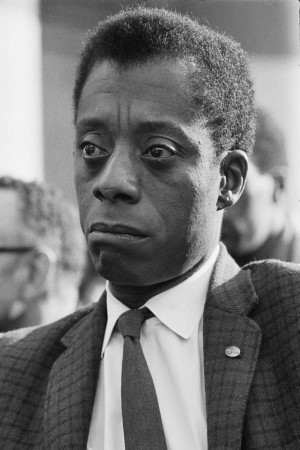
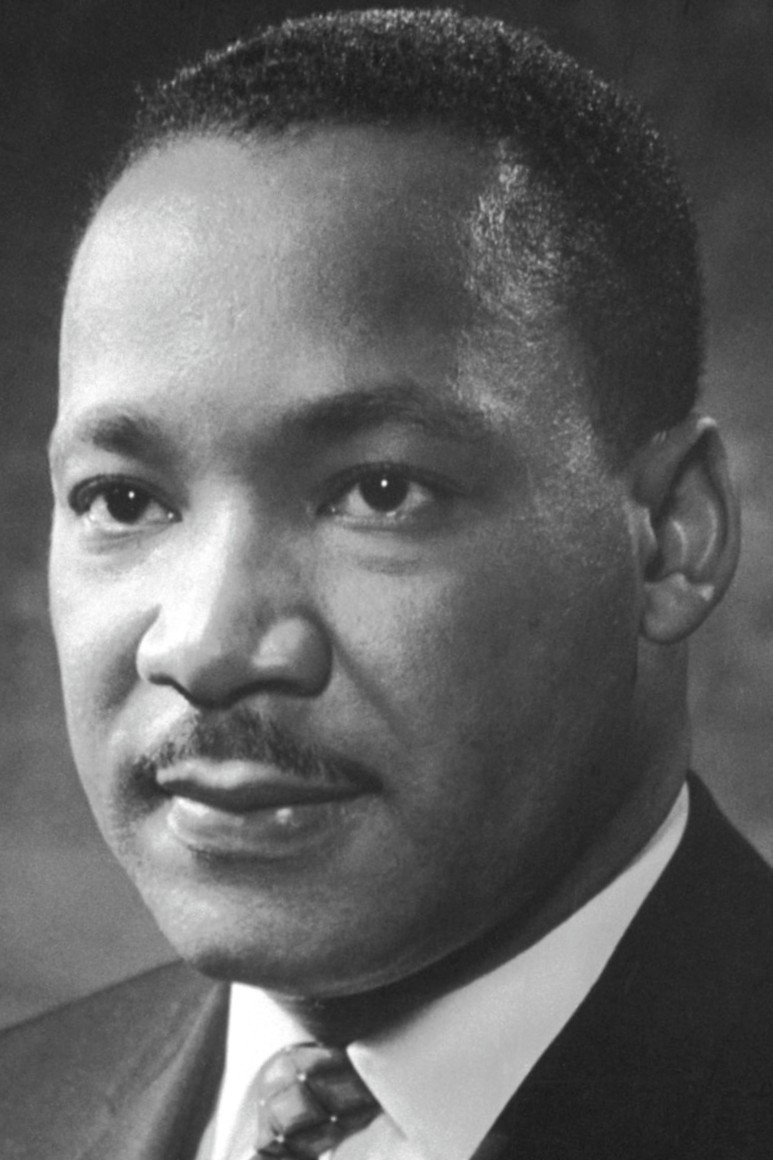
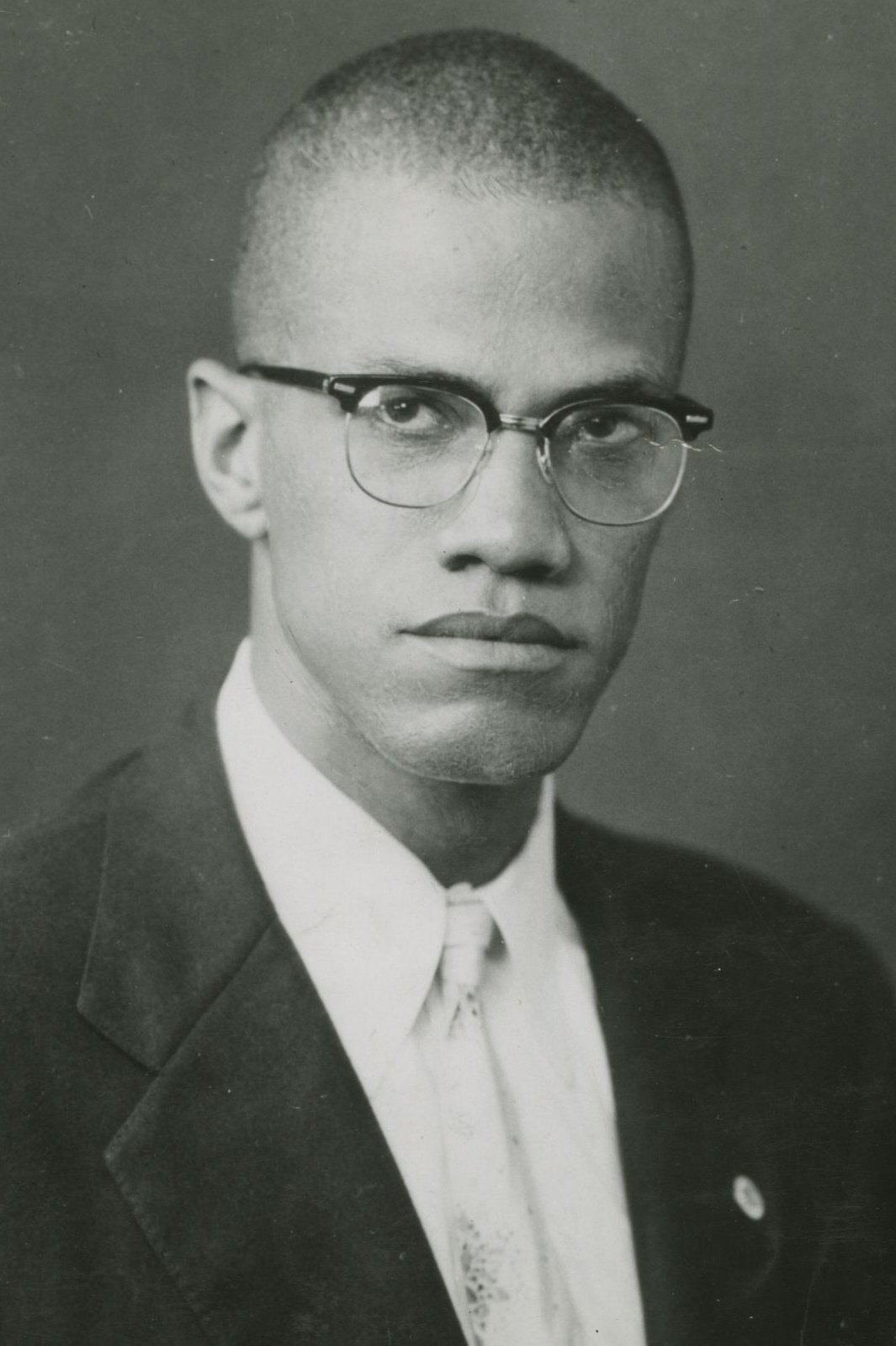
In 1979 James Baldwin wrote to his agent proposing a book about Medgar Evers, Malcolm X and Martin Luther King Jr., three men he knew and outlived. He died in 1987 with thirty pages of it done. Raoul Peck has taken those pages, added Baldwin’s essays and letters, and made a film in which nobody speaks except Baldwin. Samuel L. Jackson reads the text; the archive supplies the man. It is superbly assembled, and it has one flaw, which is that Peck sometimes does not trust the words to land on their own.
Jackson does not impersonate Baldwin. He reads low and slow, close to the microphone, with none of the bark he has traded on for thirty years, so that when Baldwin’s real voice arrives in a clip the difference is plain. Baldwin talked fast, in long turning sentences with a small laugh at the end of them. Jackson sounds like a man who read the sentence twice before he said it aloud. That gap is the film’s structure: one Baldwin alive and arguing, another looking back over his shoulder, and Jackson has the sense to stay out of the way of both.
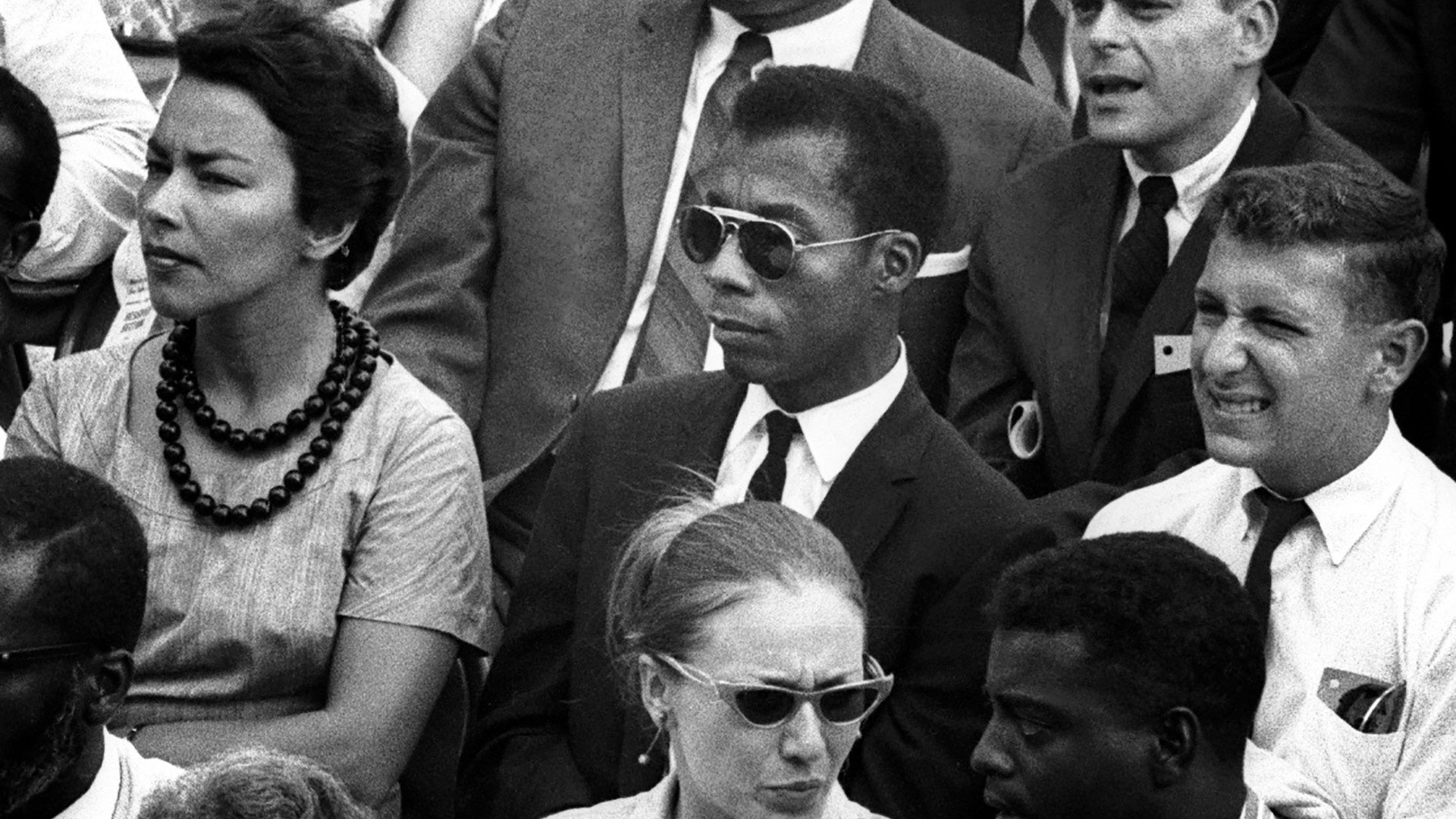
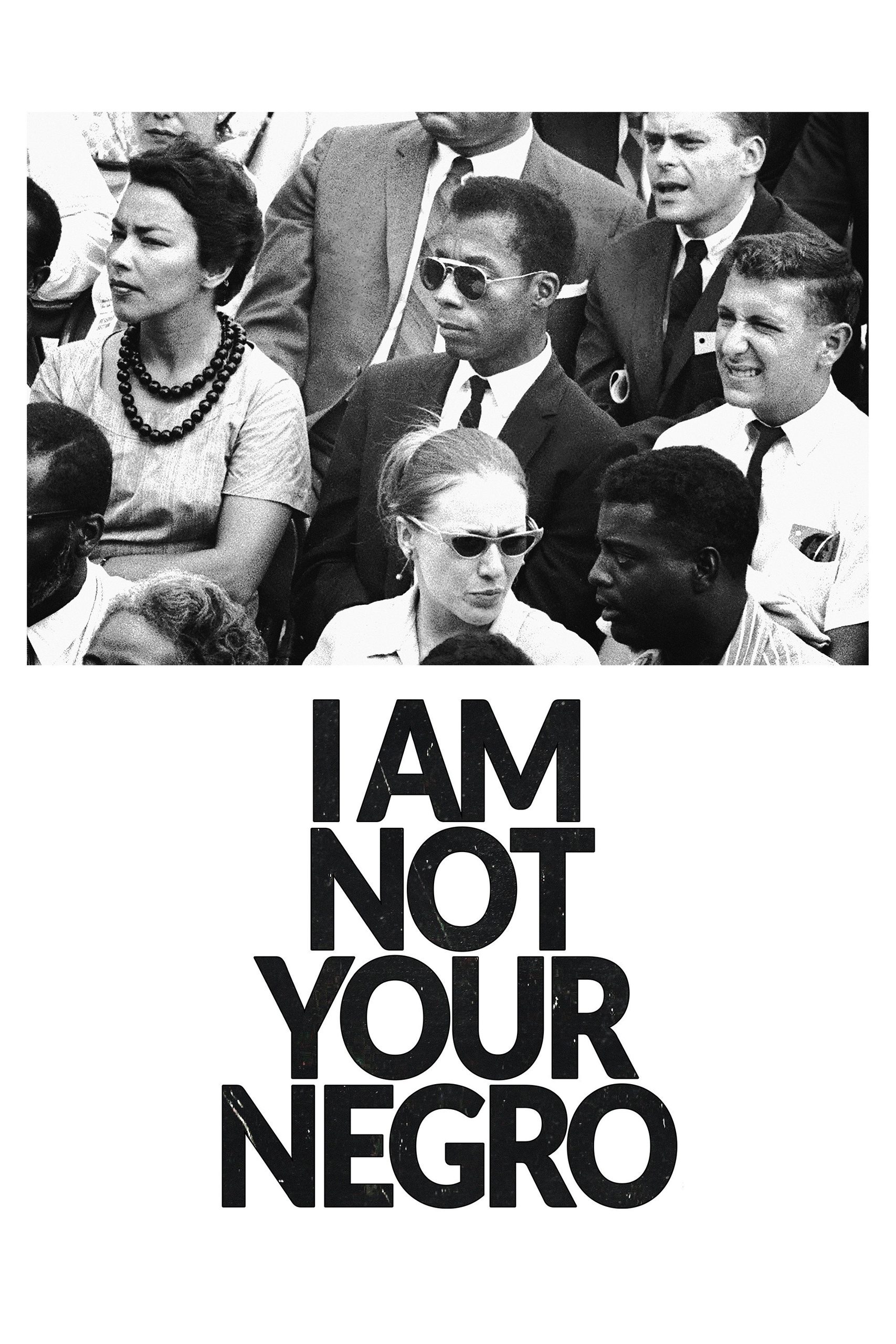
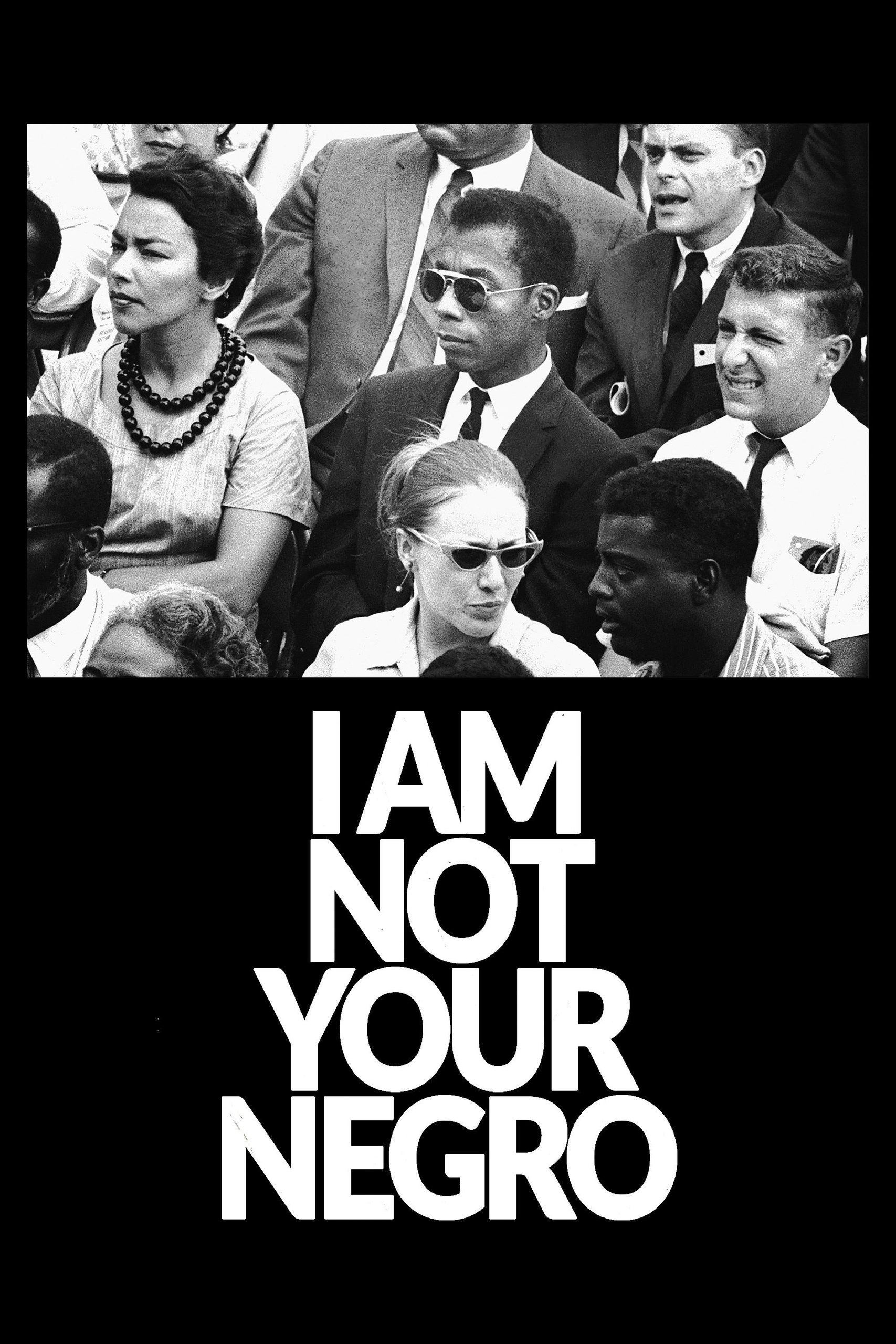
The footage of Baldwin himself is where the film got to us. There is a 1968 appearance on The Dick Cavett Show in which an academic on the sofa beside him asks, in effect, why he insists on bringing race into everything, and Baldwin answers him in a single unbroken paragraph, without raising his voice, that the man cannot follow. We sat very still through it. It was not the argument, which Baldwin had clearly made a hundred times; it was that he was willing to make it again, patiently, to someone who was never going to hear it, and that we knew how the next fifty years would go.
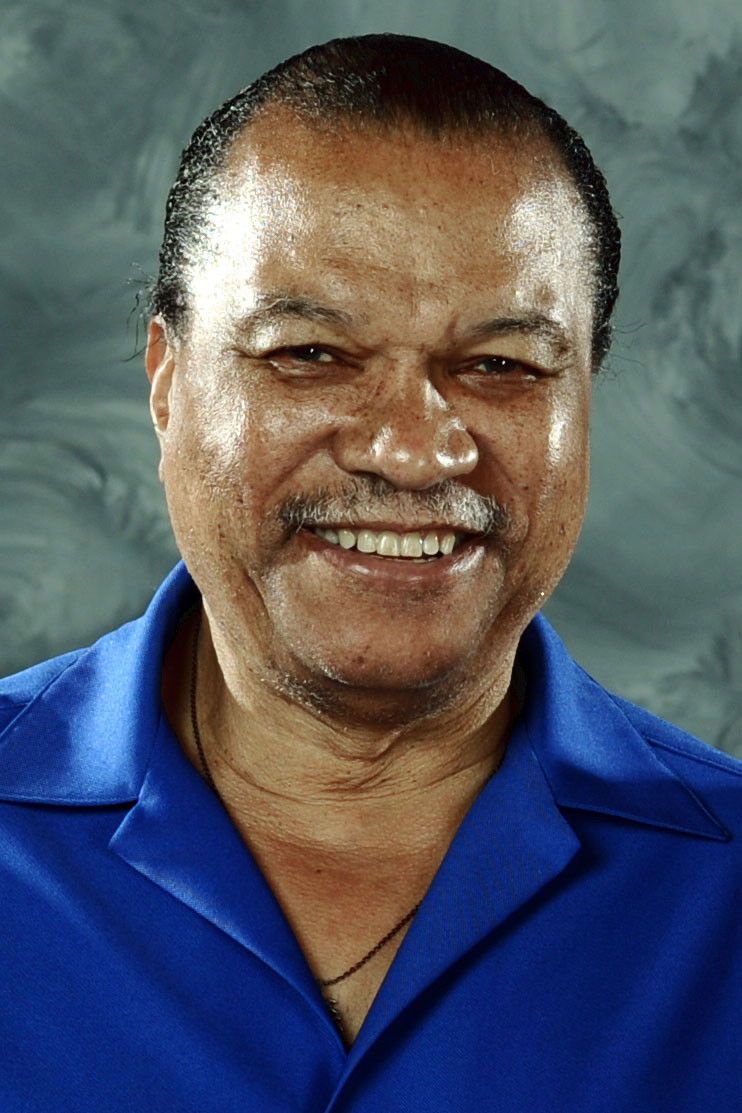
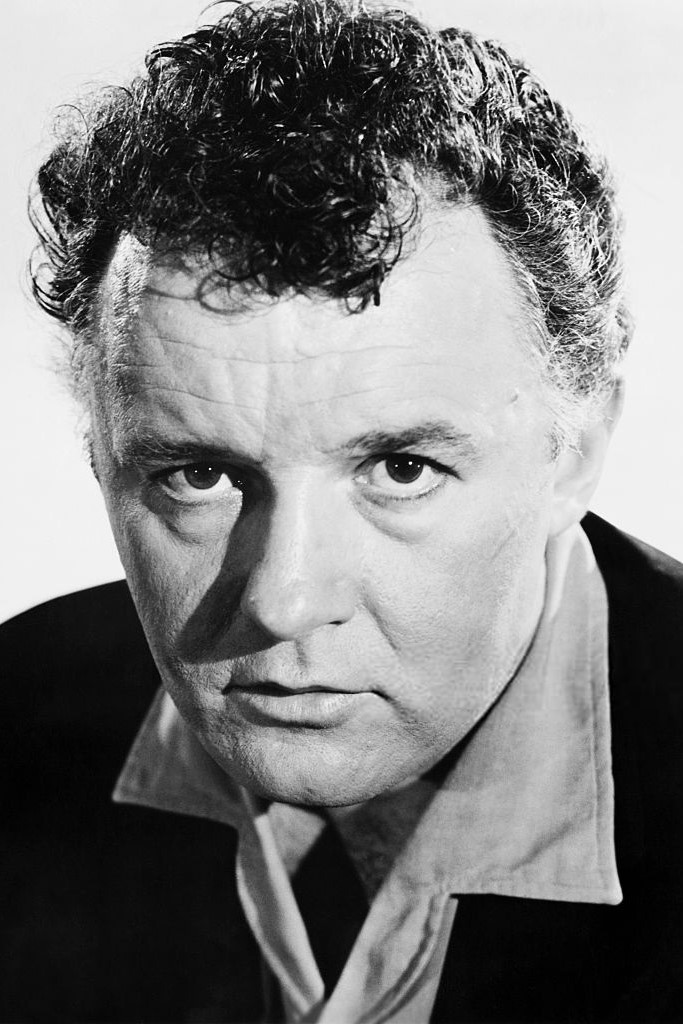
Alexandra Strauss’s editing is the other reason to see it. Her best sequence takes Baldwin’s writing about Hollywood and lays it against the films: Doris Day, John Wayne, Sidney Poitier chained to Tony Curtis in The Defiant Ones, Rod Steiger chewing gum in In the Heat of the Night. Baldwin’s point, that these pictures taught white Americans a version of themselves and taught Black Americans they were not in the story, is made by the cuts rather than the narration. Billy Dee Williams turns up too, from the period Baldwin spent in Los Angeles trying to write a Malcolm X screenplay, and the scene is a small comedy about what a studio will and will not buy.
The present-day material is less sure. Turner Ross, Bill Ross and Henry Adebonojo shot new footage of American streets, and Peck cuts Birmingham police dogs against Ferguson police lines, Baldwin on the march against protesters with their phones raised. Once, it is a shock. By the third or fourth time the film is saying what Baldwin has just said, and saying it with pictures that are blunter than his prose. Alexei Aigui’s score does something similar, sitting under Jackson’s voice with strings and a slow pulse when the voice alone would carry. There are also two or three interludes of advertising imagery and bright consumer colour that feel like a different, angrier film has wandered in.
Peck made Lumumba (2000), and he has always been a director who trusts an argument more than a scene. Here the argument is someone else’s, and the discipline of using only Baldwin’s words has done him good; the film is 93 minutes and nearly all of them count. It is not a biography. You will not learn where Baldwin was born or whom he loved. You will learn what he thought, in the order he thought it, and that turns out to be the more useful thing.
See it, and see it with the sound up and the phone in another room. The certificate is 12A, which is right; there is footage of a lynching and there are the photographs from Ferguson, but nothing in it is as hard to sit through as Baldwin’s calm.