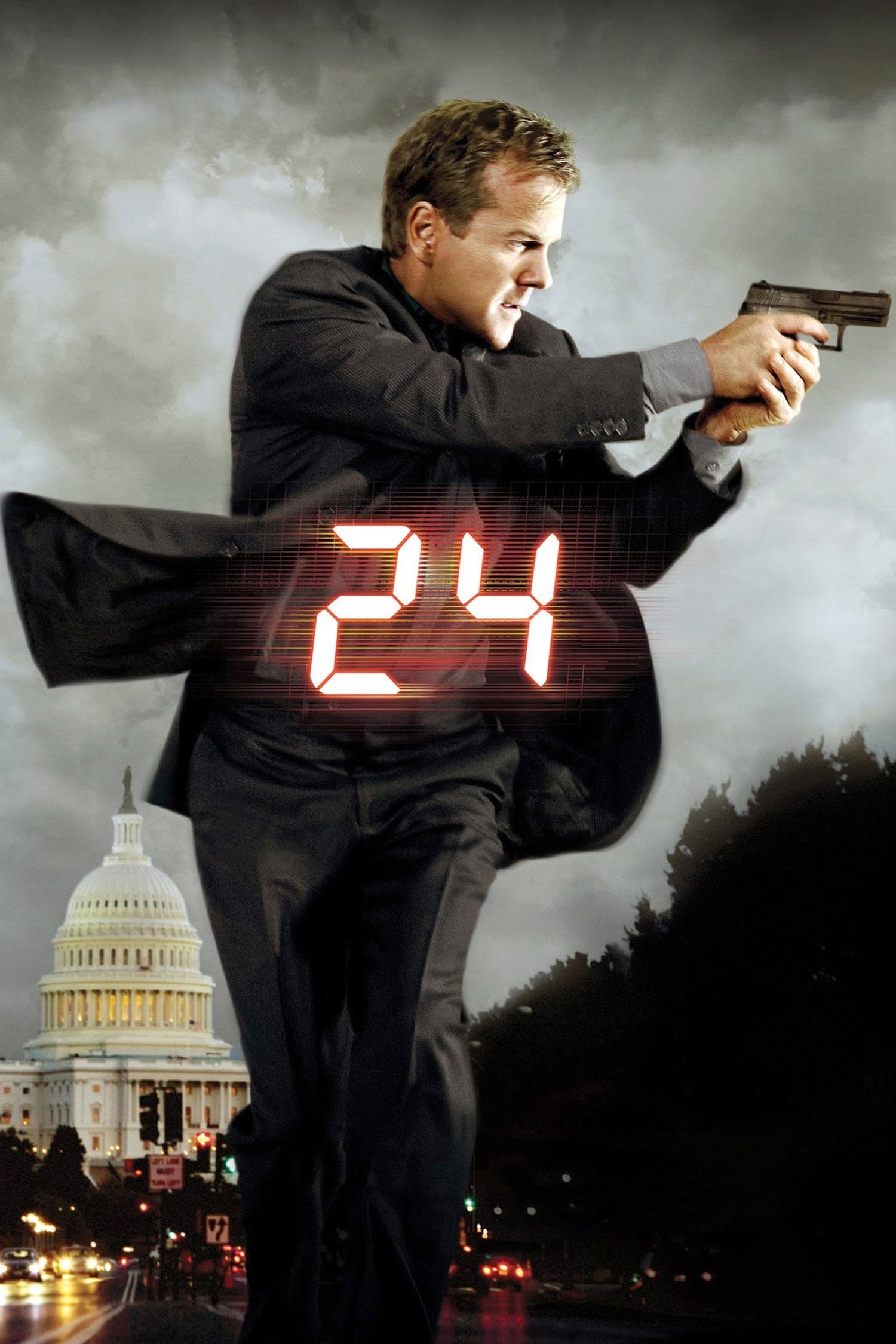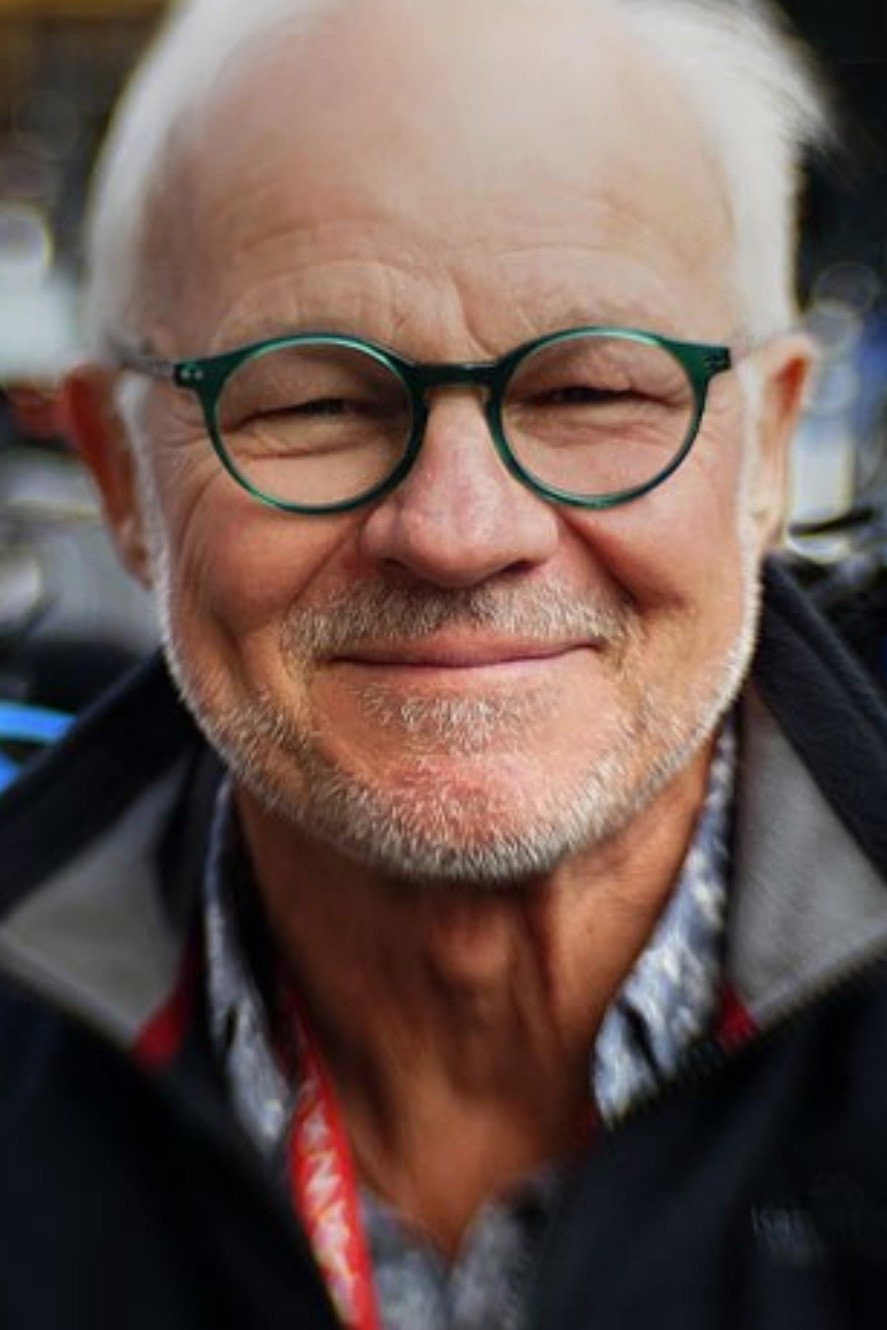
A news cameraman who brought the news camera to drama. On 24 Rodney Charters shot handheld on long lenses, grain left in, so that a woman in a parked car looks watched. Television photography built for speed, and speed is what it gives you.
Fi1m perspective
A woman sits in a parked car on 24 and nothing happens to her, and she looks watched. That is Rodney Charters's doing. He and Jeffrey C. Mygatt shot the series handheld on long lenses, with a visible grain, so that even the dull daylight scenes carried the feel of a surveillance tape somebody would later have to explain. The camera snaps from face to face and whip pans across the CTU floor as if it has heard something before we have. We spent the first season slightly on edge in scenes where nobody was in danger, and that was the lens, not the writing.
The style came from outside drama. Charters spent about fifteen years as a documentary and news cameraman in Canada and elsewhere before moving into scripted television in the mid-1980s, and it shows: the framing is the framing of someone who expects the subject to move without warning. He shot 57 episodes of The Pretender (1997–2000), then joined 24 in 2001 and stayed for 184 episodes across eight seasons and the telefilm 24: Redemption (2008), directing three episodes along the way. Afterwards came Shameless, the Dallas revival and Magnum P.I., and the odd feature, among them Going in Style (2017). But 24 is the work, and everything else sits in its shadow.
What he did there was as much method as look. Scenes were shot whole, on two cameras from two directions, rather than broken into the usual coverage. That is why the actors on 24 seem to be listening; they had to be, because the take did not stop. It also suits a programme about a clock. Charters was early to LED lighting on drama and used it to keep the light natural and continuous, so Jonathan Lee's glass-walled office, blue and screen-lit, reads as a real room and not a set. David Latham's split screens then take that footage and set the lies running between the boxes.
The cost is that a camera which never rests can tire the eye. The later days of 24 lean on the whip pan and the snap zoom when the plotting has gone slack, so the style keeps promising an urgency the script has stopped supplying. Frenetic is the word other people reach for, and on a bad episode it fits. But this is a cinematographer who solved a real problem, how to make television look as if it were happening now, and his solution is still in use on a hundred shows that do not credit him. Watch the first day of 24 and notice how often you feel someone is about to be seen.
Biography
Rodney Charters is a New Zealand cinematographer and director. He studied at the University of Auckland and the Royal College of Art in London, and began his career as a documentary cameraman before moving into scripted television and feature films.
He is best known for his work on the series 24 (2001–2010), serving as director of photography on 184 episodes and directing three episodes. He received Emmy nominations for outstanding cinematography in 2005 and 2006, and was awarded the American Society of Cinematographers Career Achievement in Television Award in 2013. Other credits include The Pretender (1997–2000), Roswell (2000–2001), Shameless, the Dallas revival and the film Going in Style (2017).
Charters died in Amsterdam in 2026.