Series review

24

2001 · Created by Robert Cochran, Joel Surnow · Series · 45m · MPA TV-14

In a sentenceThe longest day of Jack Bauer’s life, nine times over, and he never once stops for lunch

Action & AdventureDramaCrime

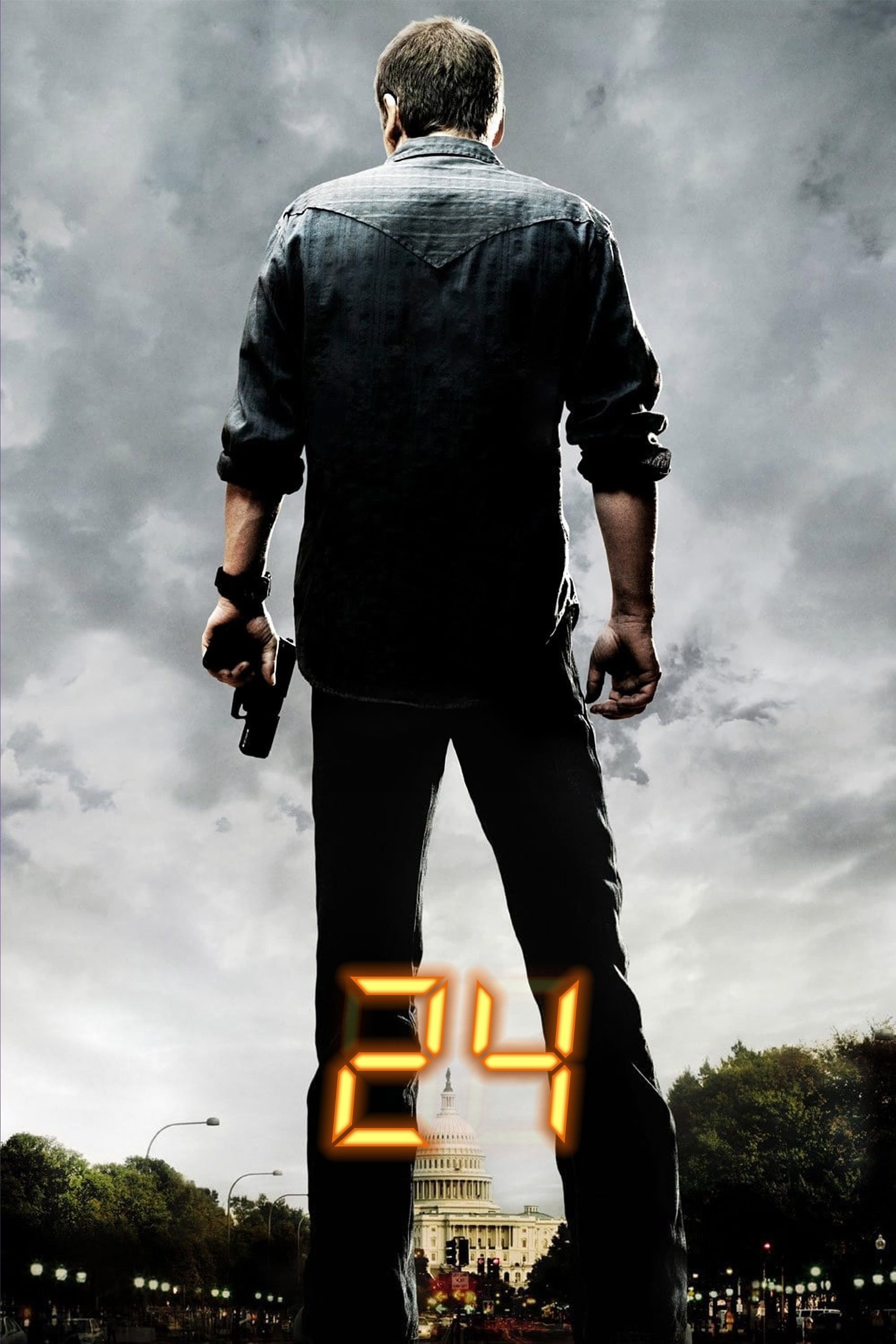
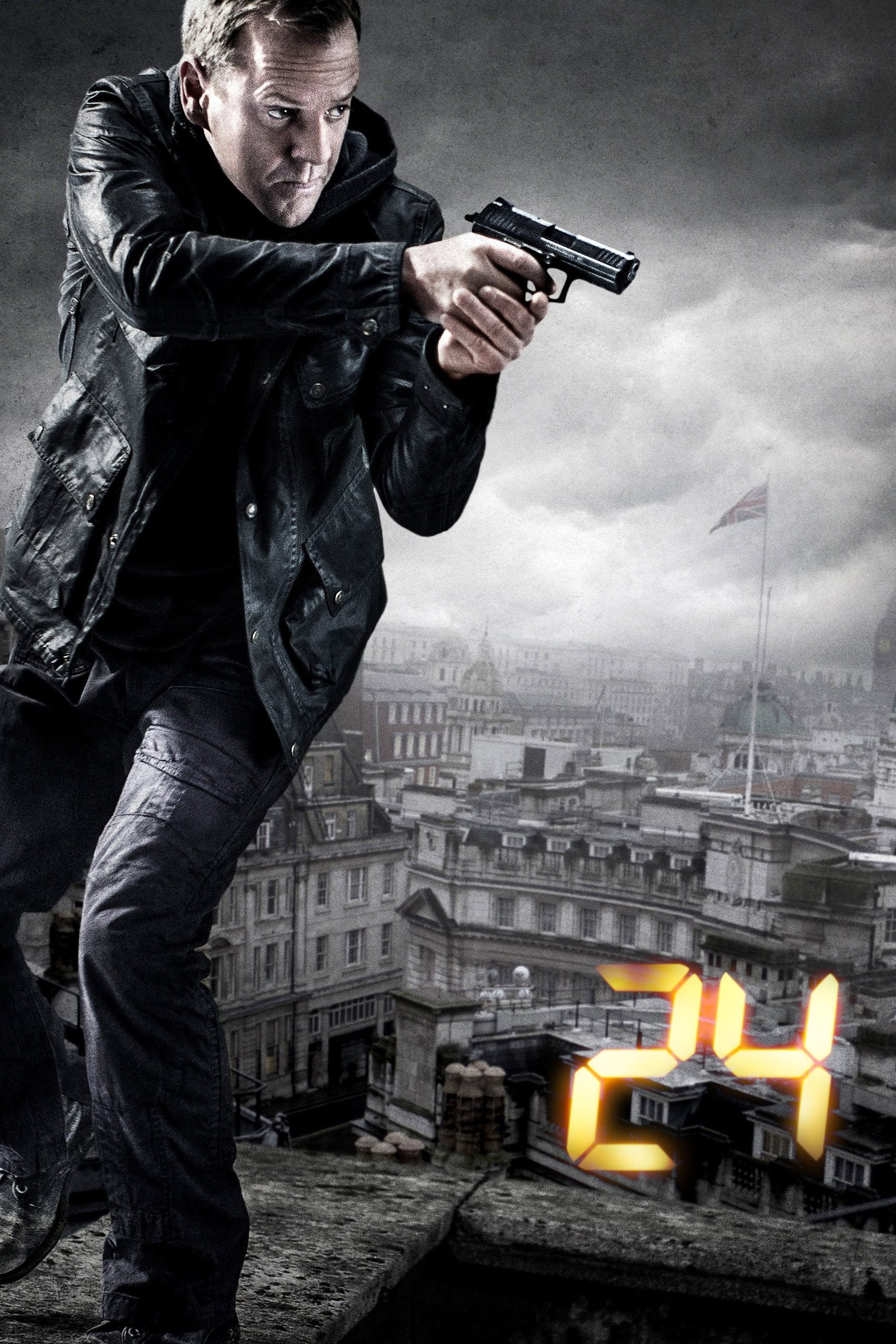
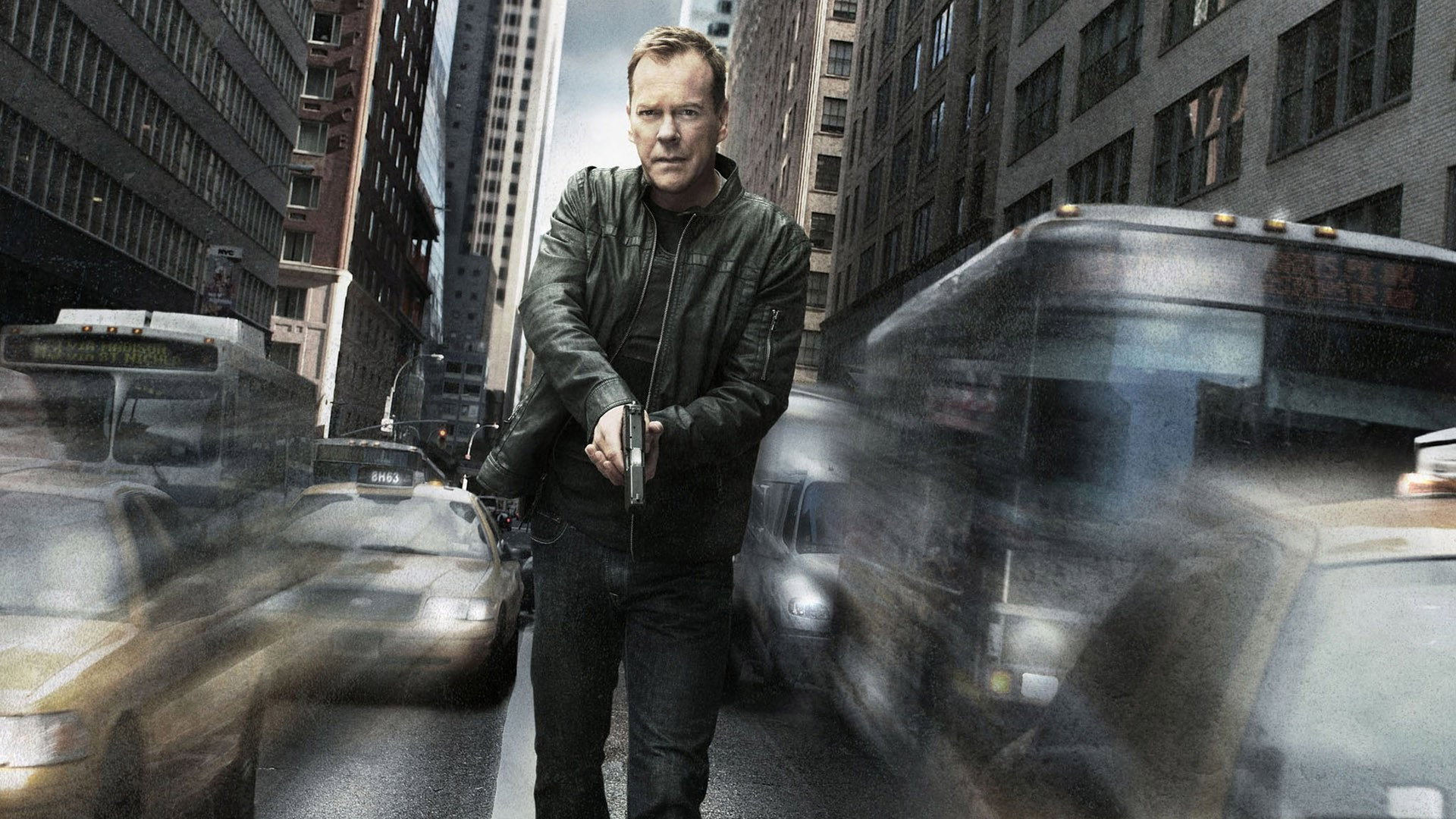
Los Angeles, the day of the California presidential primary. At midnight Jack Bauer (Kiefer Sutherland), who runs the field office of the Counter Terrorist Unit, is called in to work: there is intelligence that someone will try to kill Senator David Palmer (Dennis Haysbert) before the polls close. At home, Jack’s teenage daughter Kim (Elisha Cuthbert) has climbed out of her bedroom window to meet boys, and his wife Teri (Leslie Hope), with whom he has only recently patched things up, sets out into the night to find her. At the office, Jack is warned that there may be a leak inside his own unit, and his deputy Nina Myers (Sarah Clarke) is the one colleague he confides in. Each episode covers one hour of the day, and the clock on screen runs in real time.

Fi1m review

The first season is as tense as anything television has managed: one day, one hour an episode, a phone that never rings at a good time. The later days repeat the trick with less conviction, but Kiefer Sutherland holds them together.

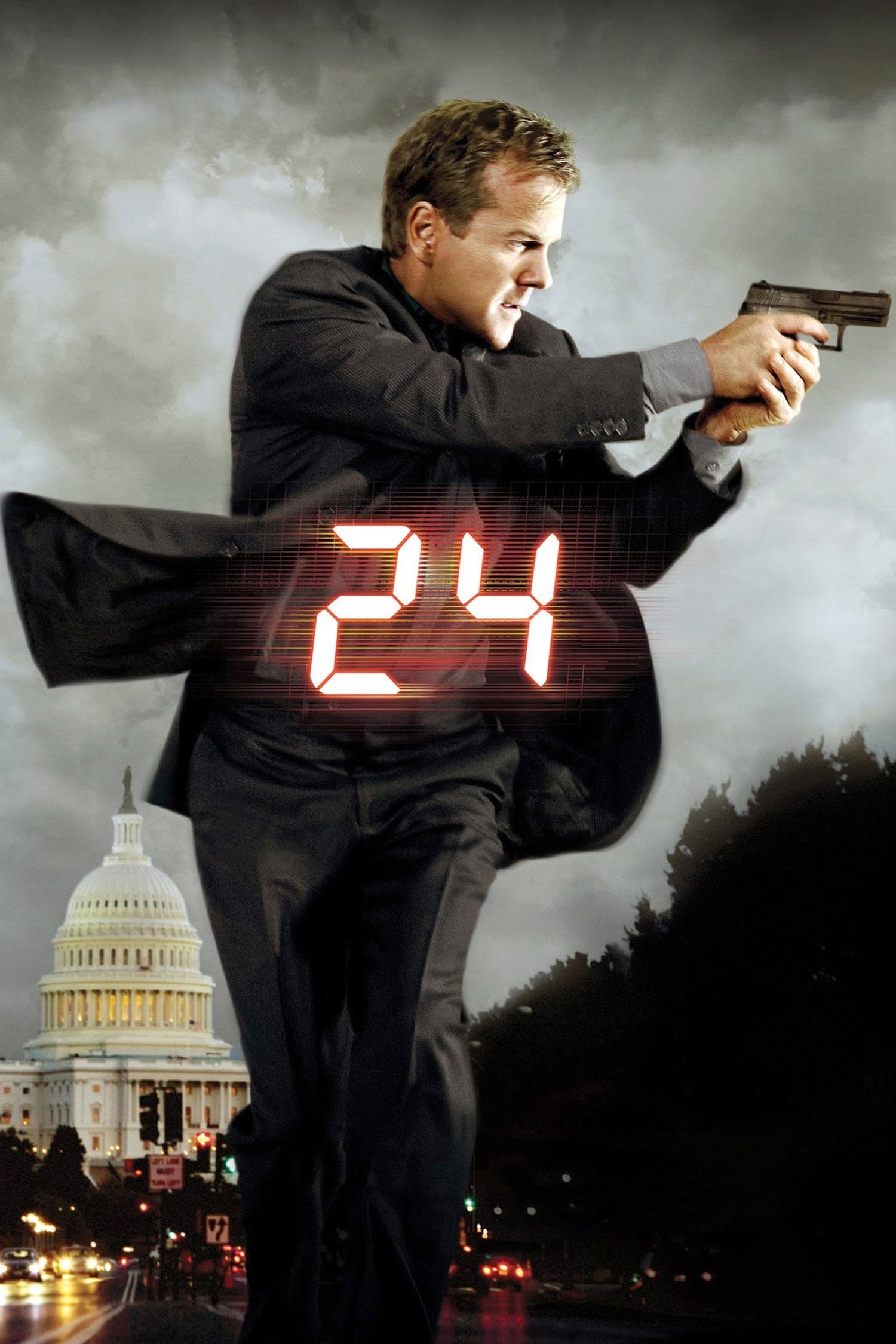
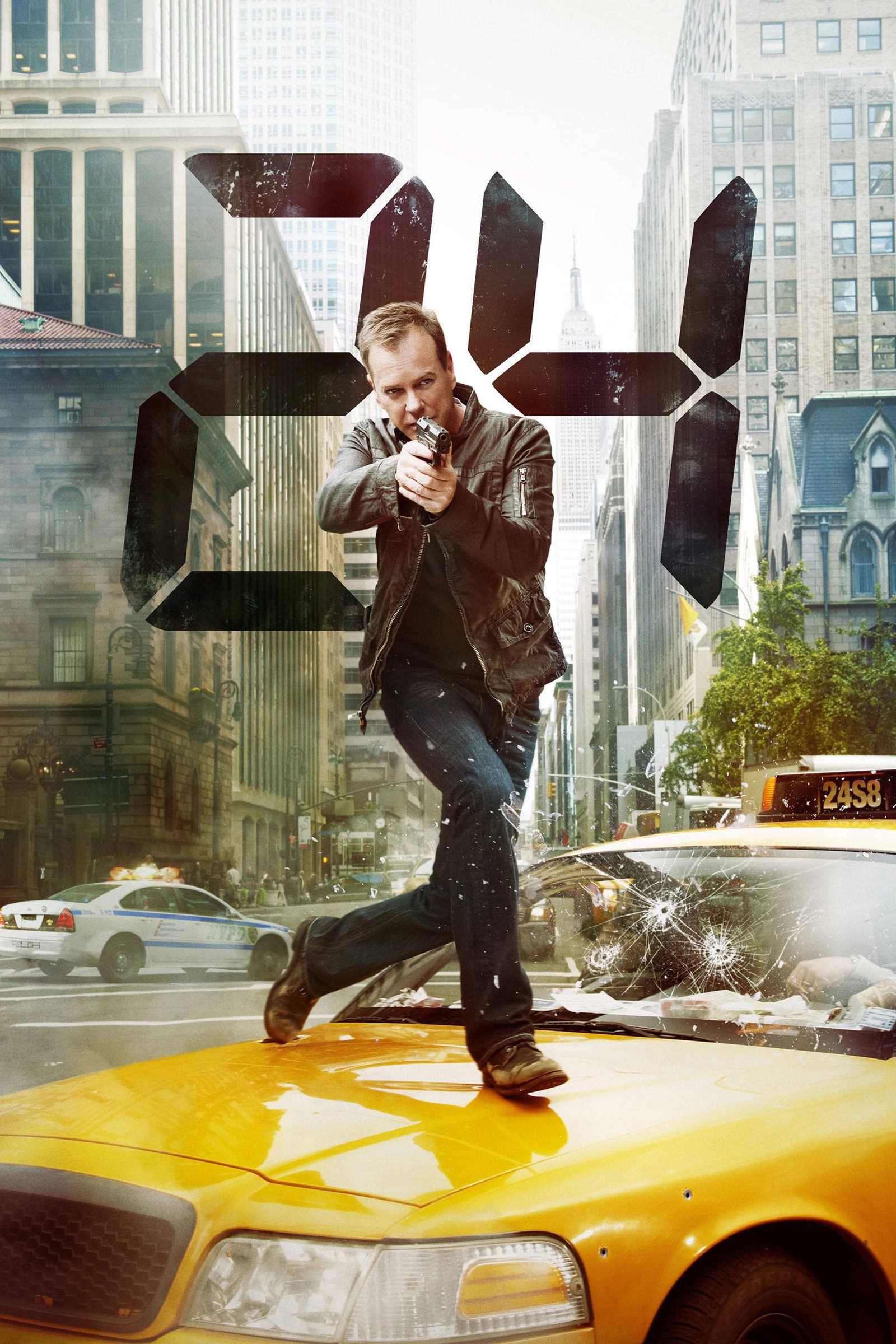
Robert Cochran and Joel Surnow’s idea is easy to state and hard to sustain: twenty-four episodes, one hour of a single day each, with a clock in the corner that keeps running while the characters are off screen. Jack Bauer (Kiefer Sutherland) runs a Counter Terrorist Unit office in Los Angeles, and on the night of the California presidential primary he is told that someone intends to kill Senator David Palmer (Dennis Haysbert) before the polls close. That first day is as tense as anything television has managed. The eight that followed, made over thirteen years, repeat the trick with less conviction, and the man at the centre is the reason to keep going.

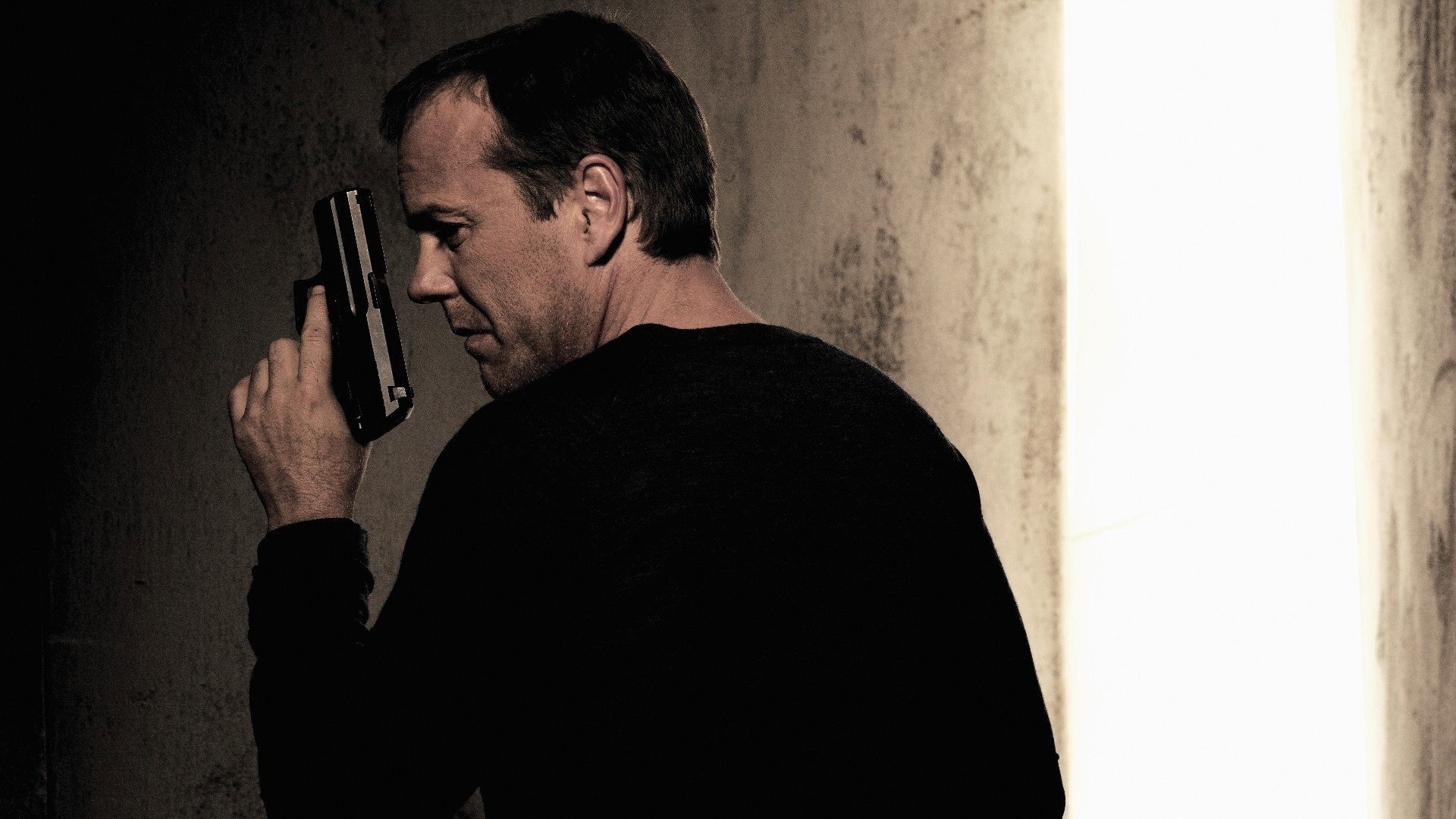
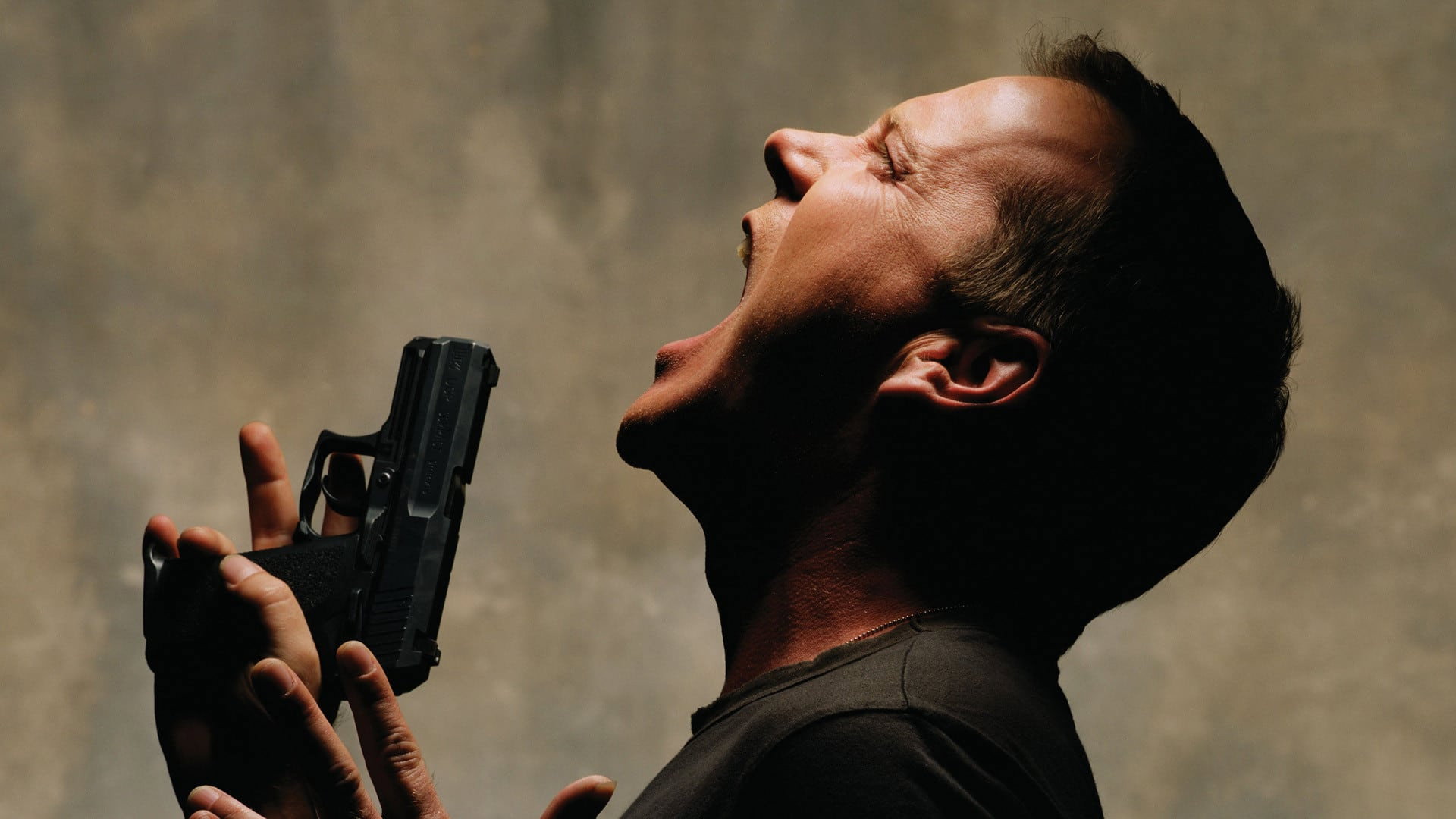
Sutherland plays Bauer hoarse. He whispers where other actors would shout, and by the fourth hour looks like a man who has not sat down in a week. The first season works because Bauer starts it as a husband with a marriage to repair: he and Teri (Leslie Hope) are freshly back together, their daughter Kim (Elisha Cuthbert) has climbed out of a bedroom window, and the phone calls between the office and the house are what the show is really about. Haysbert’s Palmer is the other pole, a big, unhurried man with a deep voice, the only person in the series who appears to think before he speaks.

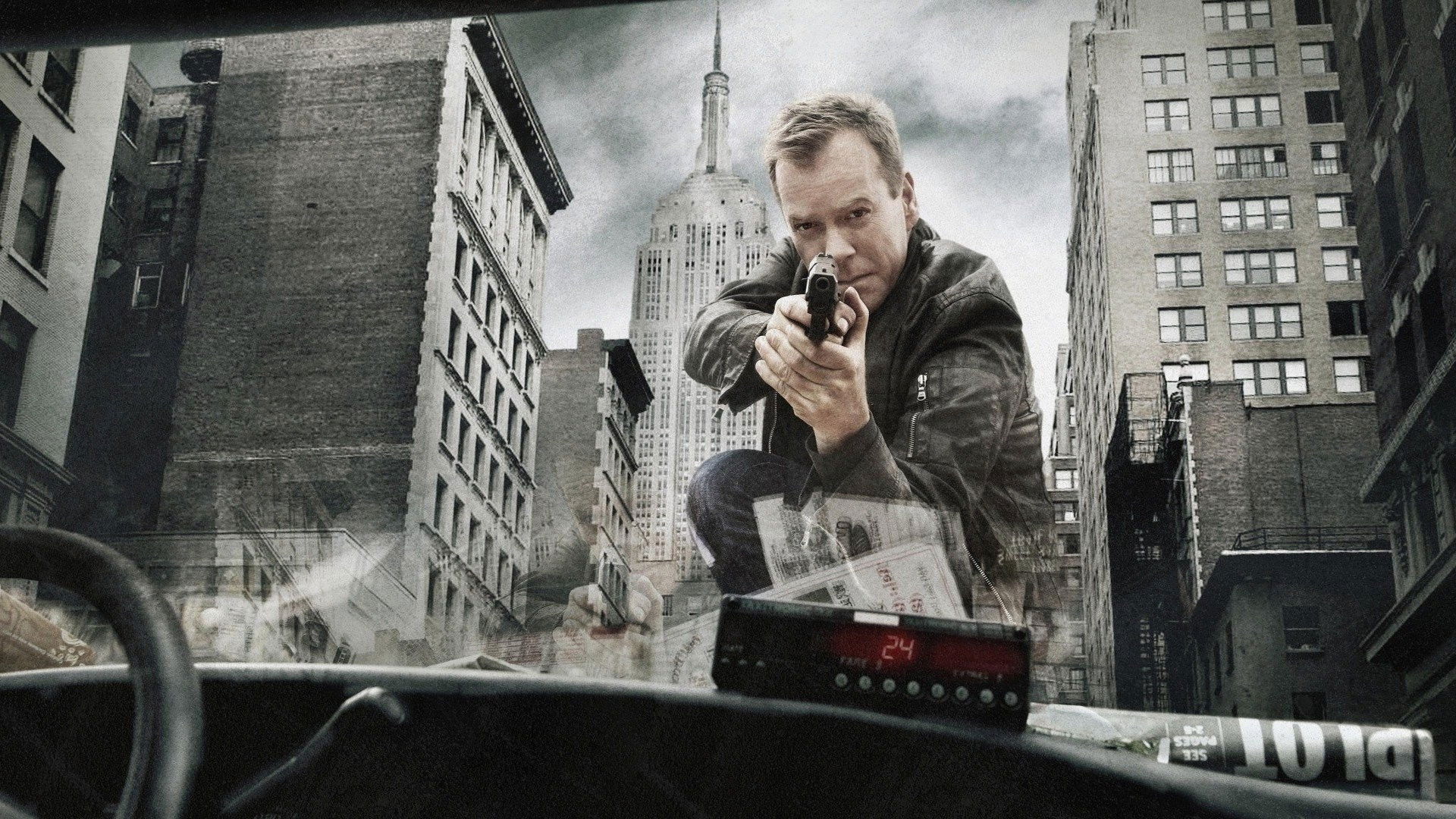
Stephen Hopkins set the look on the pilot and Jon Cassar, who directed and produced across the run, kept it. Rodney Charters and Jeffrey C. Mygatt shoot handheld on long lenses with a visible grain, so that a woman in a parked car looks watched. Jonathan Lee’s production design gives the CTU office glass walls, blue light and a screen on every surface, a room where everyone can see everyone and nobody trusts a soul. David Latham’s cutting is what people remember: before each break the screen splits into three or four boxes, a phone in each, and you watch a lie travel between them. Sean Callery’s score is a low electronic pulse and the beep of the clock, and we could pick it out with our eyes shut.

We were frightened by a telephone. Early in the first day Bauer is driving, talking to Teri, and the line drops, and the clock ticks on in the corner while he redials, and we noticed we had stopped breathing over a lost signal. That is what the format does when it works: it turns waiting into an event. The clock sometimes runs in silence at the end of an hour, and the series keeps that silence for its worst moments; after the first time you dread the sound of nothing.

Then the format starts to cost. Every day needs a traitor inside the building, so every year there is one, and by the fifth you can spot them early. Every day needs a hostage, and for two seasons that meant Cuthbert’s Kim, sent into the city to be chased by whatever the writers had to hand; there is a stretch of the second season involving a wild animal that we would not defend to anyone. Hours twelve to eighteen sag in nearly every season while one villain is swapped for another. And the interrogations, frightening in the first season because Bauer is a man losing his temper, harden in the middle years into a method that always works. We grew tired of watching it work, then cross that the series never asked whether it should.

The later years have compensations. Mary Lynn Rajskub’s Chloe O’Brian, an analyst with no manners and no wish to acquire any, became the best supporting character in it and the only person Bauer reliably tells the truth. Sarah Clarke’s Nina Myers is the sharpest presence in the first season, and we will say no more about her. Kim Raver’s Audrey Raines and William Devane’s James Heller give Bauer something like a family, and the twelve-episode return, Live Another Day (2014), is tighter for being half the length, with Yvonne Strahovski’s Kate Morgan beside him as an agent who is not there to be rescued.

Watch the first day in long sittings, four or five hours at a time, which is how it was built to be seen even if nobody could see it that way in 2001. Then have a night’s sleep and decide whether you want eight more. Bauer never gets one. Certificate 15, 45 minutes to the hour.

Critical consensus AI synthesised

83
Positive
7
Mixed
0
Negative
0

The reviews are uniformly positive, and they agree on why: the real-time structure. Most critics treat the hour-an-episode conceit as the show’s engine rather than a gimmick, praising the intricate plotting, the split-screen technique that keeps the twists easy to follow, and a tension that holds across the whole day. Kiefer Sutherland’s Jack Bauer is the other constant; nearly every review singles him out, and the refusal to let viewers trust anyone is named again and again as the series’ defining pleasure.

The spread is narrow and the reservations are small. The Guardian notes some loose ends and a streak of sentimentality. The later retrospectives are cooler than the notices written at launch: the AV Club argues the show’s hold on the culture has faded along with the War on Terror years that gave it its charge, and Den of Geek, ranking the seasons, is the least enthused of the seven. None of this amounts to a dissent, only a sense that the shock has aged.

The Guardian
18 August 2002
90*

The critic praises the series' ingenious real-time structure, intricate plotting and sustained tension as a first-rate thriller that keeps viewers gripped through its 24-hour day. They single out the paranoid atmosphere, strong performances (especially Kiefer Sutherland) and the blend of action with domestic drama for praise, while noting some loose ends and sentimentality as minor flaws.

Read the full review →
Variety
1 November 2001 · Phil Gallo
90*

The critic calls the pilot captivating from its first minute, with a stellar cast, precise execution and taut direction that hooks viewers instantly. They single out the real-time 24-hour gimmick and cinematic approach as what sets it apart in the fall lineup.

Read the full review →
The Hollywood Reporter
5 November 2001 · Barry Garron
85*

The review finds the premiere riveting despite post-9/11 similarities, praising the real-time format and split-screen technique for making complex twists easy to follow. It singles out Kiefer Sutherland's balanced performance and Stephen Hopkins' taut, thrilling direction as a masterpiece.

Read the full review →
The AV Club
28 April 2014 · Emily St. James
80*

The critic explores how 24 revolutionized television through its real-time format, serialization, and willingness to kill off characters, while noting its fading cultural memory tied to the War on Terror era. It singles out the show's influence on modern drama and its blend of action-movie tropes with timely political resonance for praise.

Read the full review →
Vulture
5 May 2014 · Matt Zoller Seitz
75*

The critic reviews the Live Another Day revival as continuing the series' strengths in intricate plotting, twists, and Kiefer Sutherland's commanding performance as Jack Bauer. It singles out the show's consistent refusal to let viewers trust anyone or anything for praise.

Read the full review →
Digital Spy
30 September 2007 · Ben Rawson-Jones
85*

The critic provides a retrospective on the first season, praising its innovative real-time structure, split-screen technique, and shocking twists. It singles out the revelation of the mole and the gritty tone for praise while noting Kiefer Sutherland's intense portrayal of Jack Bauer.

Read the full review →

Cast

Awards

Writers Guild of America Award for Television: Dramatic Series, 2007

Nominated
Writers Guild of America Award for Television: Dramatic Series

If you liked this, try…

Homeland poster

Homeland

2011 · Made by two of this show’s writers, with the paranoia kept and the gunfire cut

Spooks poster77

Spooks

2002 · British spies in a glass office, killing off regulars before it was fashionable

The Day of the Jackal poster84

The Day of the Jackal

1973 · An assassination plot told as procedure, with no music and no hurry

The Bureau poster

The Bureau

2015 · French intelligence at desk level; the tension comes from paperwork and lies

Bodyguard poster

Bodyguard

2018 · Six hours of a protection officer who trusts nobody, least of all himself