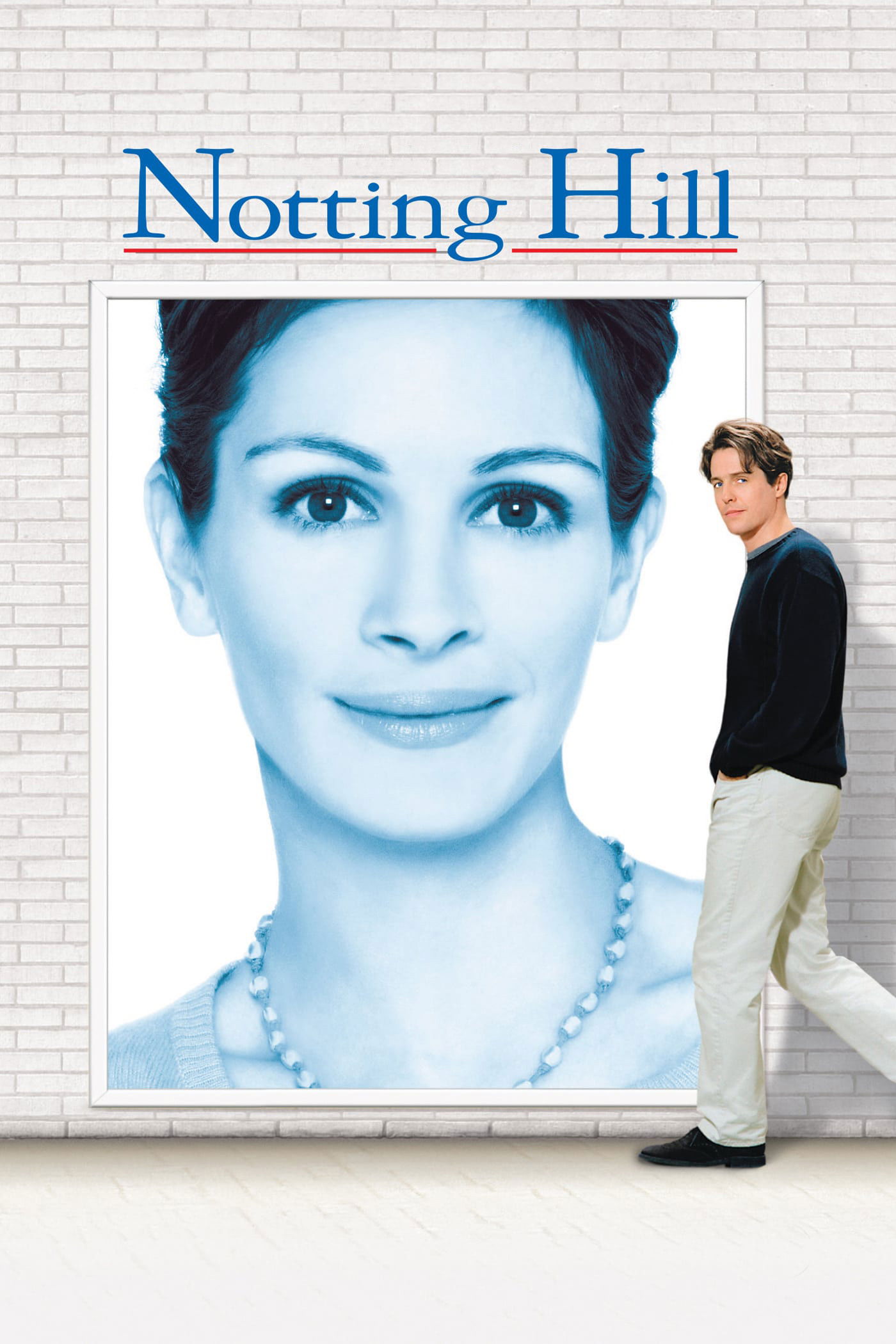
Roger Michell made awkward company worth spending time with. We rate his patient work with actors, especially in Notting Hill, even when his willingness to linger leaves the story waiting.
Fi1m perspective
At dinner in Notting Hill (1999), Julia Roberts's Anna receives the sort of friendly attention that can still wear a person out. Roger Michell gives William's friends enough life for their company to matter, rather than keeping them occupied until the couple can be alone. We laughed at the awkwardness, then found ourselves wanting them to put her at ease. Gina McKee, Tim McInnerny, Emma Chambers and Hugh Bonneville make the gathering feel worth attending, giving the unlikely romance something ordinary and persuasive to rest on.
Persuasion (1995), following the television work of The Buddha of Suburbia (1993), already showed his preference for restraint and naturalism. Notting Hill brought a broader audience, and Changing Lanes (2002) took him into Hollywood. He then moved between American studio films and intimate British dramas, without settling into one genre. Across those shifts, he favoured close collaboration and rehearsal, allowing the script and performers to determine his approach.
Hanif Kureishi's scripts took that interest into less comfortable company. The Mother (2003) deals with taboo desire, while Venus (2006) places Peter O'Toole in a story about ageing and attraction. Their Le Week-End (2013) treats a long marriage with wit and little sentimentality. Those collaborations matter because they prevent the warmth of Notting Hill from becoming the whole account of Michell's interests.
In Notting Hill, Richard Curtis writes the unequal status of the lovers into exchanges that neither can negotiate easily. Michell understands that Julia Roberts and Hugh Grant still have to make the attraction believable; the premise cannot do the acting for them. Rhys Ifans's Spike brings broader comedy, usefully interrupting Grant's carefully managed embarrassment. Not every indulgence pays off: the eccentricity sometimes gets too much room, the middle wanders and the music insists on feelings the cast has already supplied. See Notting Hill with company willing to forgive a little romantic dithering.
Biography
Roger Michell (5 June 1956 – 22 September 2021) was a British theatre, television and film director. He was born in Pretoria, South Africa, where his father was posted as a British diplomat, and was educated at Clifton College and Queens' College, Cambridge.
Michell began his career in theatre, working as an assistant director at the Royal Court Theatre and later as resident director at the Royal Shakespeare Company. He moved into television with the BAFTA-winning series The Buddha of Suburbia (1993) and the adaptation Persuasion (1995). His feature films include Notting Hill (1999), Changing Lanes (2002), Venus (2006), Morning Glory (2010), Hyde Park on Hudson (2012), My Cousin Rachel (2017) and The Duke (2021).