Film review

Notting Hill

1999 · Directed by Roger Michell · 2h 04m · MPA PG-13

In a sentenceHugh Grant takes so long to finish a sentence that Julia Roberts has time to fall for him

RomanceComedy

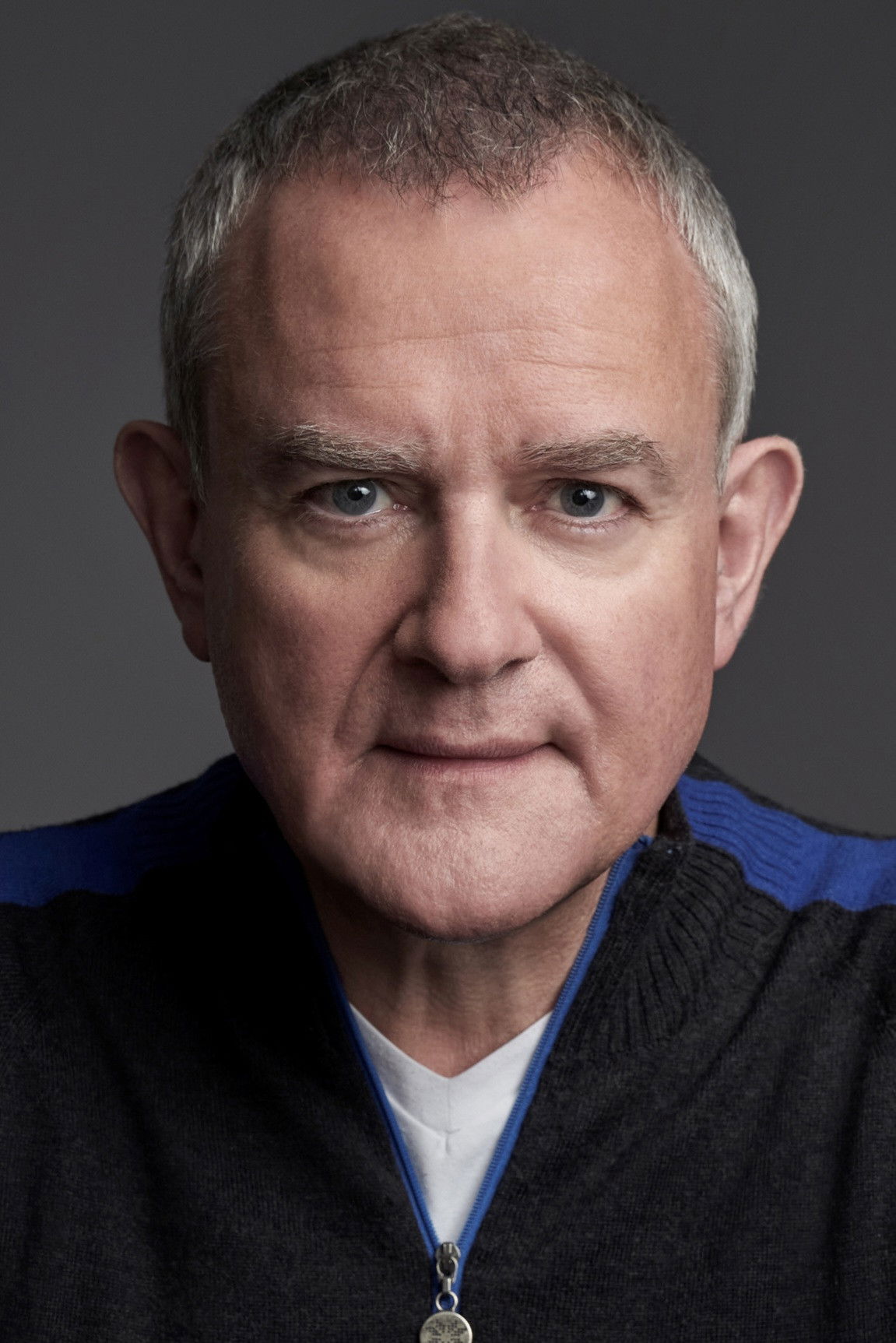
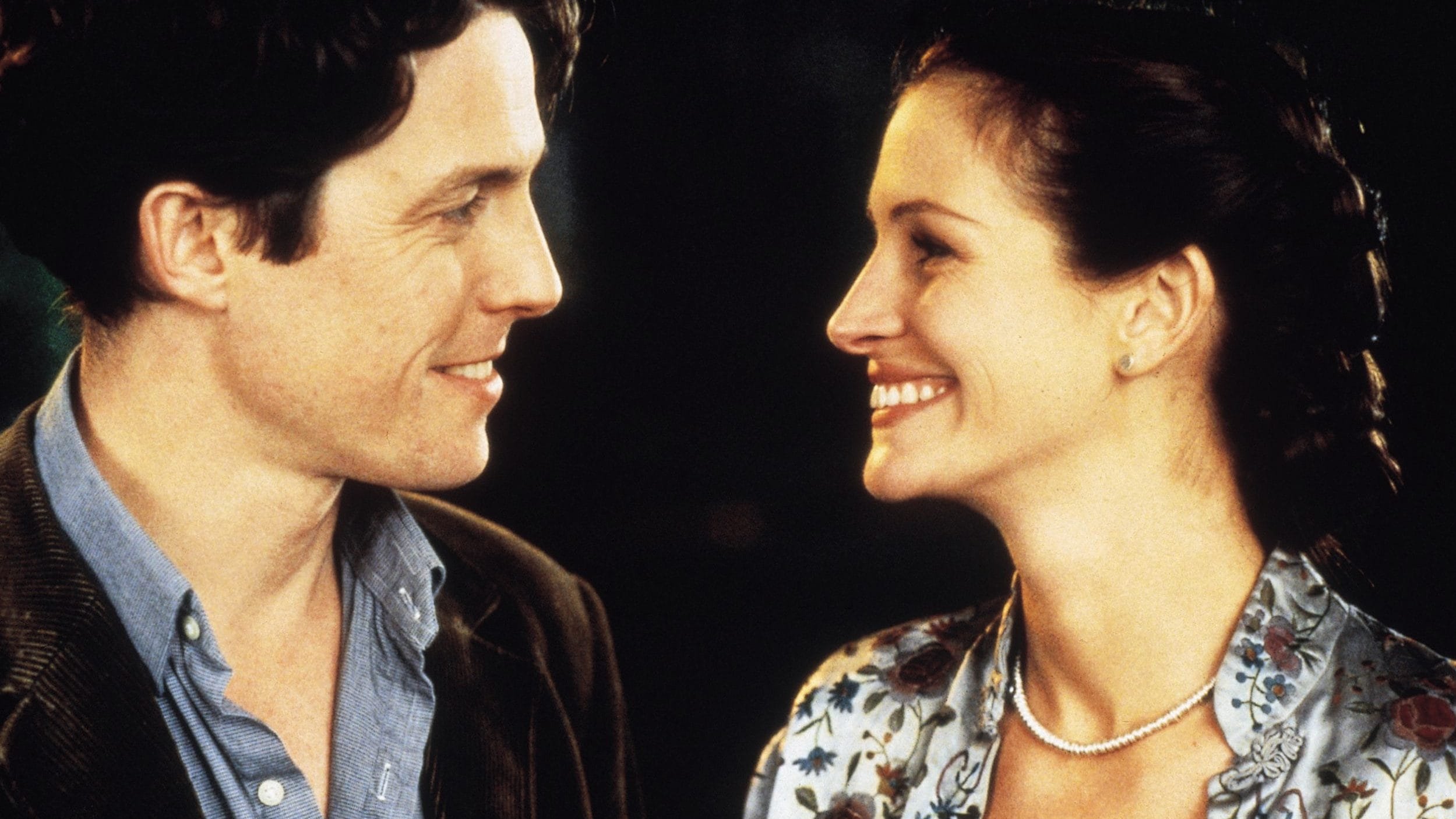
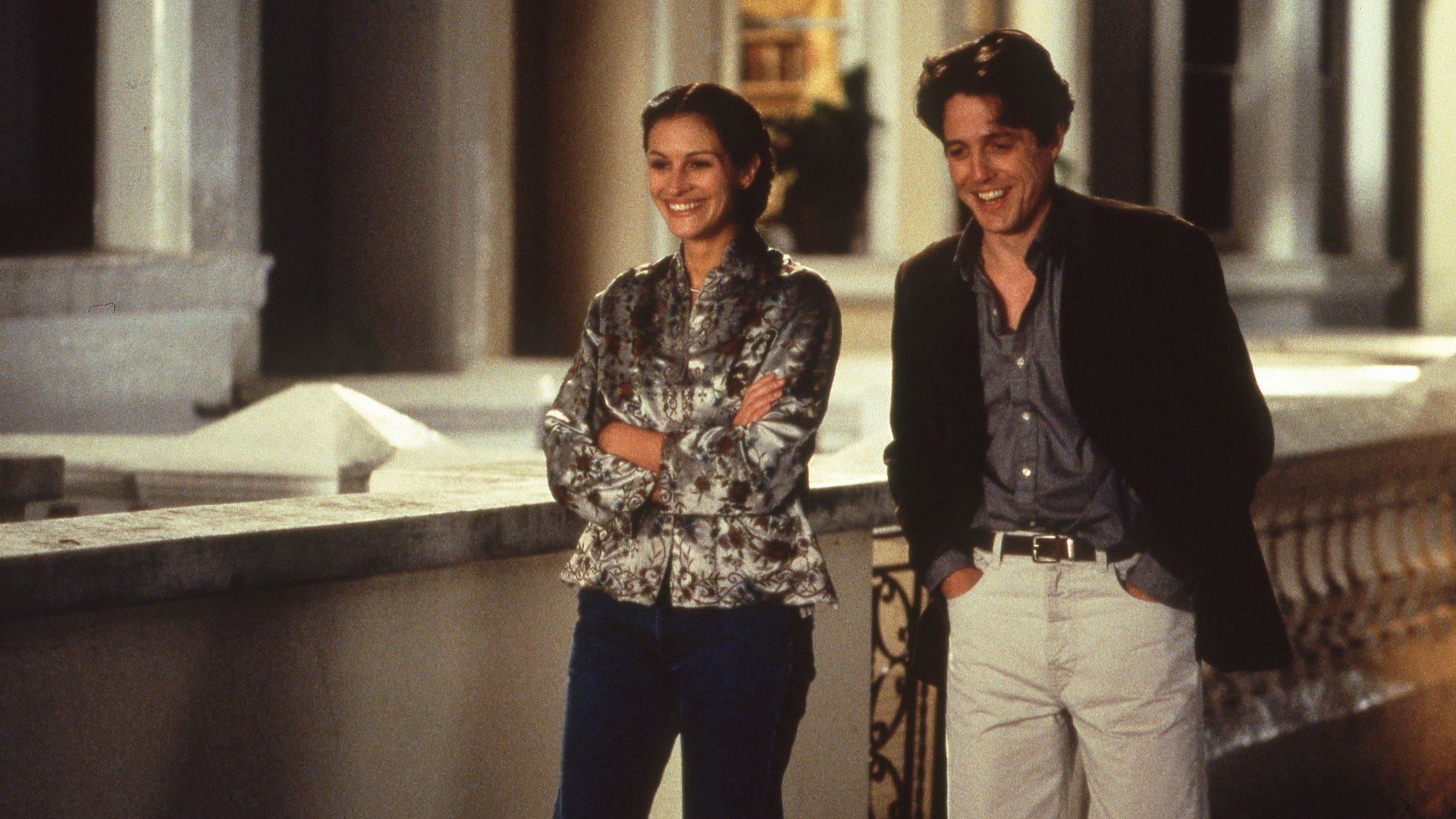
Anna Scott (Julia Roberts) is a famous film star; William Thacker (Hugh Grant) is a London bookseller. Their meeting opens up the possibility of a romance between two people whose daily lives have little in common. William belongs to a circle that includes Bella (Gina McKee), Honey (Emma Chambers) and Bernie (Hugh Bonneville), while Rhys Ifans plays Spike. Anna’s arrival brings celebrity into this company, including a dinner with a guest nobody can treat as a stranger. Getting to know each other means finding some privacy when one of them is already familiar to everyone.

Plays from YouTube when you press play; nothing loads from them until then.

Fi1m review

Julia Roberts and Hugh Grant make this celebrity romance funny and persuasive, with Roger Michell giving the supporting cast room to matter. The middle dawdles and the music overexplains, but we recommend it for the company.

Roger Michell’s Notting Hill takes the fantasy of an ordinary man attracting a famous film star seriously enough to make it work. It is a funny, affectionate romantic comedy, and we recommend it despite a middle stretch that could use a firmer edit. Richard Curtis writes the difference in status into the conversation, so that even a simple exchange can become an exercise in embarrassment. Michell keeps the actors from behaving as though the premise itself should be enough to charm us. At its best, the film lets attraction develop while everyone is trying to get through an awkward conversation.

Hugh Grant’s William Thacker is a London bookseller, and Grant makes him sound faintly apologetic for occupying any space at all. His hesitations are useful comic tools: a sentence seems finished, then another qualification arrives and makes matters worse. Curtis gives him enough sharp phrasing to keep the performance from dissolving into mannerism, although a little less verbal shuffling would sometimes help. We can believe that Anna would enjoy talking to William, which is more important than believing the initial coincidence. There is an intelligence underneath the fussing.

Julia Roberts has the more difficult task as Anna Scott, because she must make the celebrity plausible before she can show us the person who is tired of it. Her reserve is effective: William’s uncertainty is audible, while Anna often makes us wait to understand what she wants. Roberts never asks us to forget how conspicuous Anna would be in this company. The quieter exchanges between the leads give her space to suggest how wearing that attention can be.

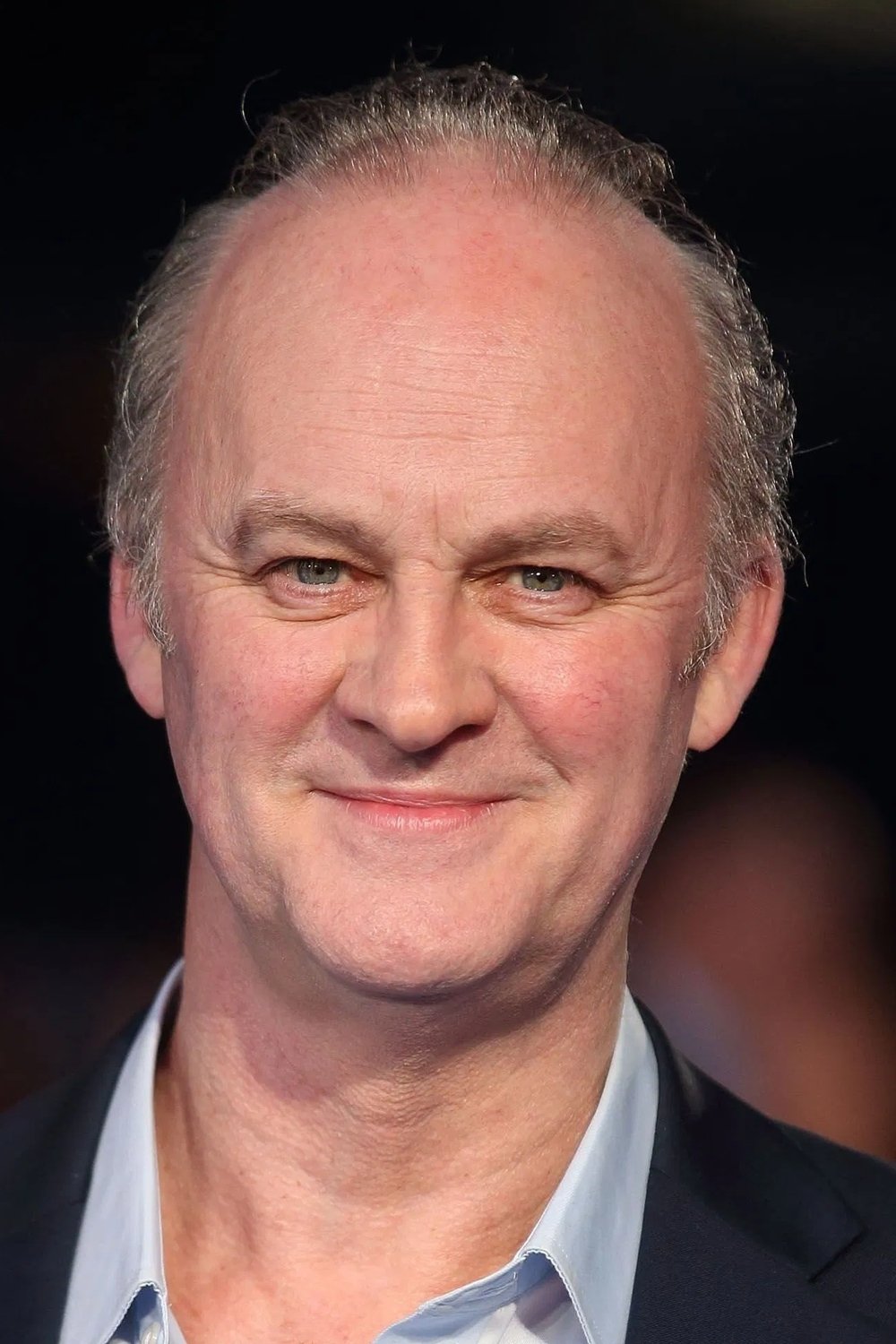
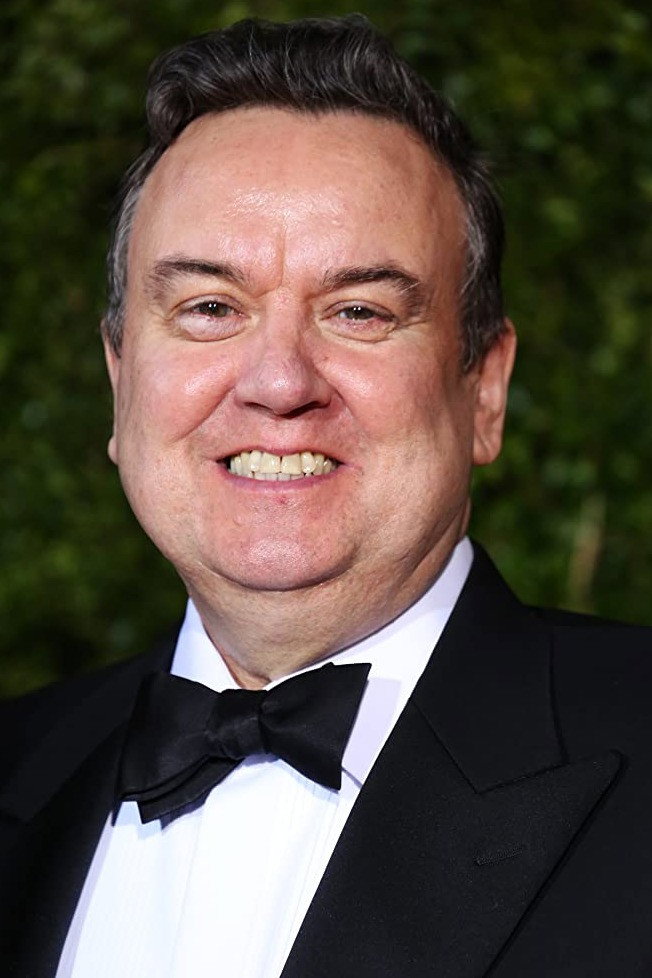
The dinner with William’s friends gives the supporting cast something more useful to do than comment on the courtship. We laughed at the awkwardness of having Anna there, then found ourselves wanting the friends to put her at ease. Roberts makes the attention seem tiring even when it is kind, while Gina McKee, Tim McInnerny, Emma Chambers and Hugh Bonneville make the gathering feel worth attending. Rhys Ifans, as Spike, supplies broader comedy elsewhere, a welcome change from Grant’s carefully managed embarrassment. Michell occasionally indulges the eccentricity, but he knows these actors are part of the attraction.

Michael Coulter’s polished cinematography makes the romance inviting, although the ordinary life on offer can look suspiciously comfortable. Stuart Craig’s production design contributes to that comfort: William’s surroundings feel arranged to welcome Anna, with little that might put her off. A romantic comedy need not supply a housing survey. Still, this is a selective idea of London, and the film is less convincing when it asks us to take its ordinariness seriously.

Nick Moore’s editing is sharper with a comic exchange than with the longer business of keeping the couple apart. The middle loses pace, and some obstacles feel supplied because the film has decided the romance cannot proceed just yet. At 124 minutes, there is more postponement than the story needs. Trevor Jones’s score helps sustain the gentler passages, but the soundtrack as a whole keeps spelling out feelings the actors have already made clear. The music could afford to trust Roberts more.

Within the romantic comedy’s familiar rules, Michell’s useful achievement is to make the friends matter almost as much as the couple. Their warmth gives the fantasy something solid enough to survive its contrivances, and Curtis is often funny enough to earn another delay. See it for Roberts and Grant, provided a little romantic dithering does not try your patience.

Critical consensus AI synthesised

76
Positive
6
Mixed
0
Negative
1

Most critics find Notting Hill an engaging romantic comedy, with praise concentrated on Hugh Grant and Julia Roberts’ chemistry and Richard Curtis’ dialogue. The reviews credit the stars with making the unlikely romance appealing, while the eccentric friends give it warmth beyond the central pairing. Rhys Ifans draws particular notice for his comic support. Several critics also find something truthful in the treatment of celebrity, beneath the glossy courtship.

The reservations concern pace, sentiment and how hard the film works to keep its lovers apart. Even favourable reviews note a lull or an overly insistent soundtrack. Time Out raises a broader objection to its complacently white, affluent picture of the neighbourhood. The spread is wide despite the positive lean: Eye for Film rejects much of what others enjoy, finding the self-deprecating humour tiresome and the reliance on star appeal insufficient to sustain a sluggish romance.

RogerEbert.com
28 May 1999 · ★★★½/4 · Roger Ebert
88

The critic praises the film's bright dialogue, wit, and the easy likability of Grant and Roberts, noting its charming delay of the inevitable romance between mismatched leads from different worlds. He singles out truthful moments about fame's cost and the appealing supporting circle of friends as highlights, while quibbling about Grant's mannerisms and the overly literal soundtrack.

Read the full review →
Los Angeles Times
28 May 1999 · Kenneth Turan
85*

The critic calls it a smartly cast and consistently amusing romantic comedy powered by funny, tart dialogue and endearing performances from its well-paired stars. He singles out the script's surprising situations and the leads' chemistry, especially Grant's way with words, while noting some Hollywood compromises in music and sentiment.

Read the full review →
The Guardian
21 May 1999 · Peter Bradshaw
80*

The critic finds it a thoroughly enjoyable, well-crafted and funny romantic comedy with strong chemistry between the leads and witty scripting. He singles out Julia Roberts' career-best performance and the scene-stealing supporting turn by Rhys Ifans.

Read the full review →
The New York Times
28 May 1999 · Janet Maslin
80*

The critic finds glossy charm in the story of a Hollywood star and a bashful London bookseller, commending the intelligent pedigree from director Roger Michell and writer Richard Curtis as they rework familiar romantic-comedy elements with knowing celebrity satire. She singles out the leads' mismatched appeal and the eccentric friends for praise.

Read the full review →
Variety
30 April 1999 · Derek Elley
80*

The critic finds genuine engaging charm in this princess-and-commoner story, praising the cast's chemistry, Curtis' dialogue, and Michell's skill with actors despite some construction faults like a mid-film lull. He singles out Roberts' radiant build to an emotional payoff and the joyful final reels that deliver a moving punch.

Read the full review →
The New Yorker
31 May 1999 · Anthony Lane
75*

The critic views the film as a cunning transatlantic fairy tale of commoner-meets-goddess, praising its amiable, unthreatening world and the way it lets each nationality feel subtly superior. He singles out the neat hook of fame as a stockade and the supporting cast's warmth while noting some overstuffing by the director.

Read the full review →

Cast

Stills

Awards

European Film Award for Best Film, 1999

Nominated
European Film Award for Best Film

If you liked this, try…

Roman Holiday poster

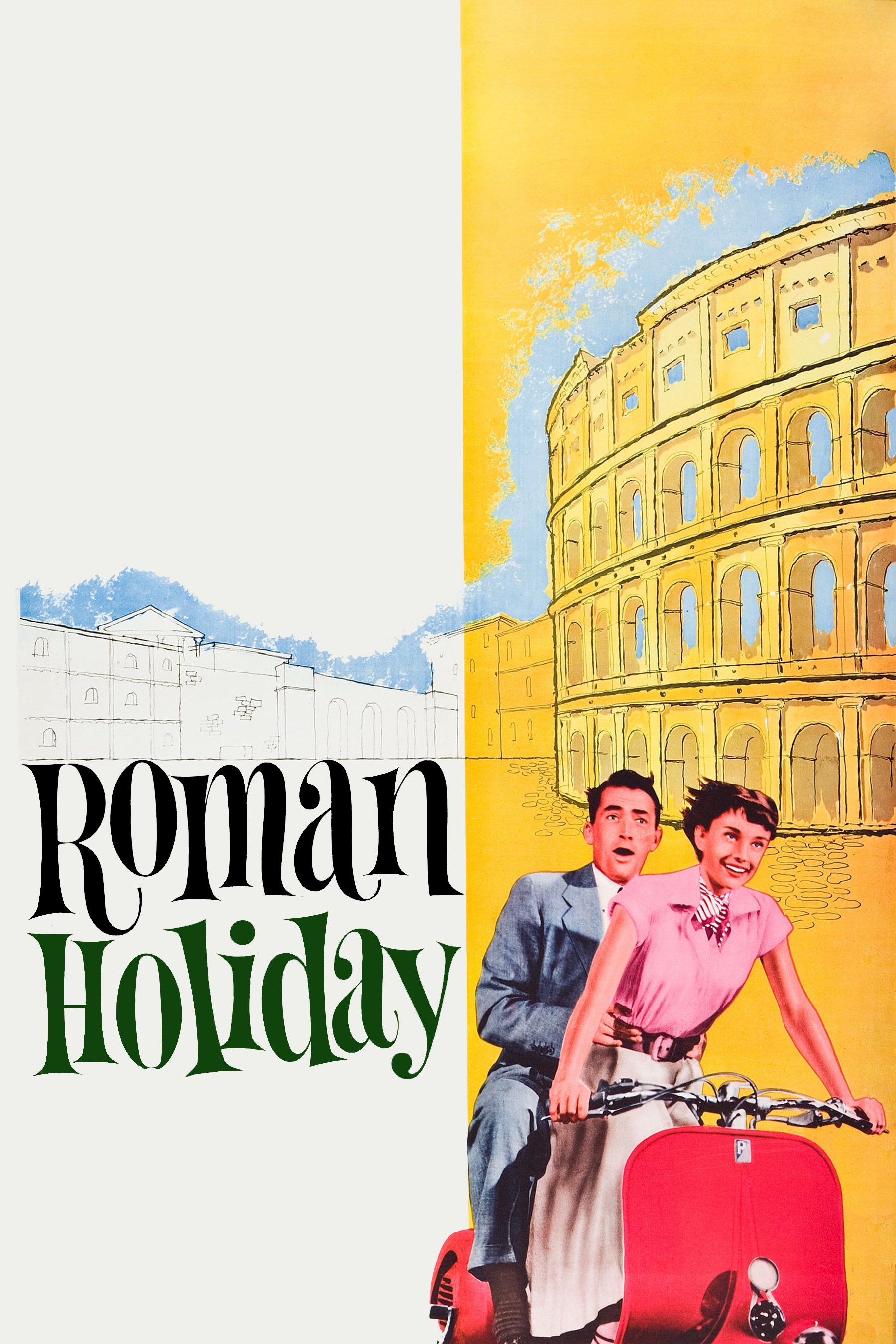
Roman Holiday

1953 · A public figure tries ordinary life, with enough humour to earn the longing.

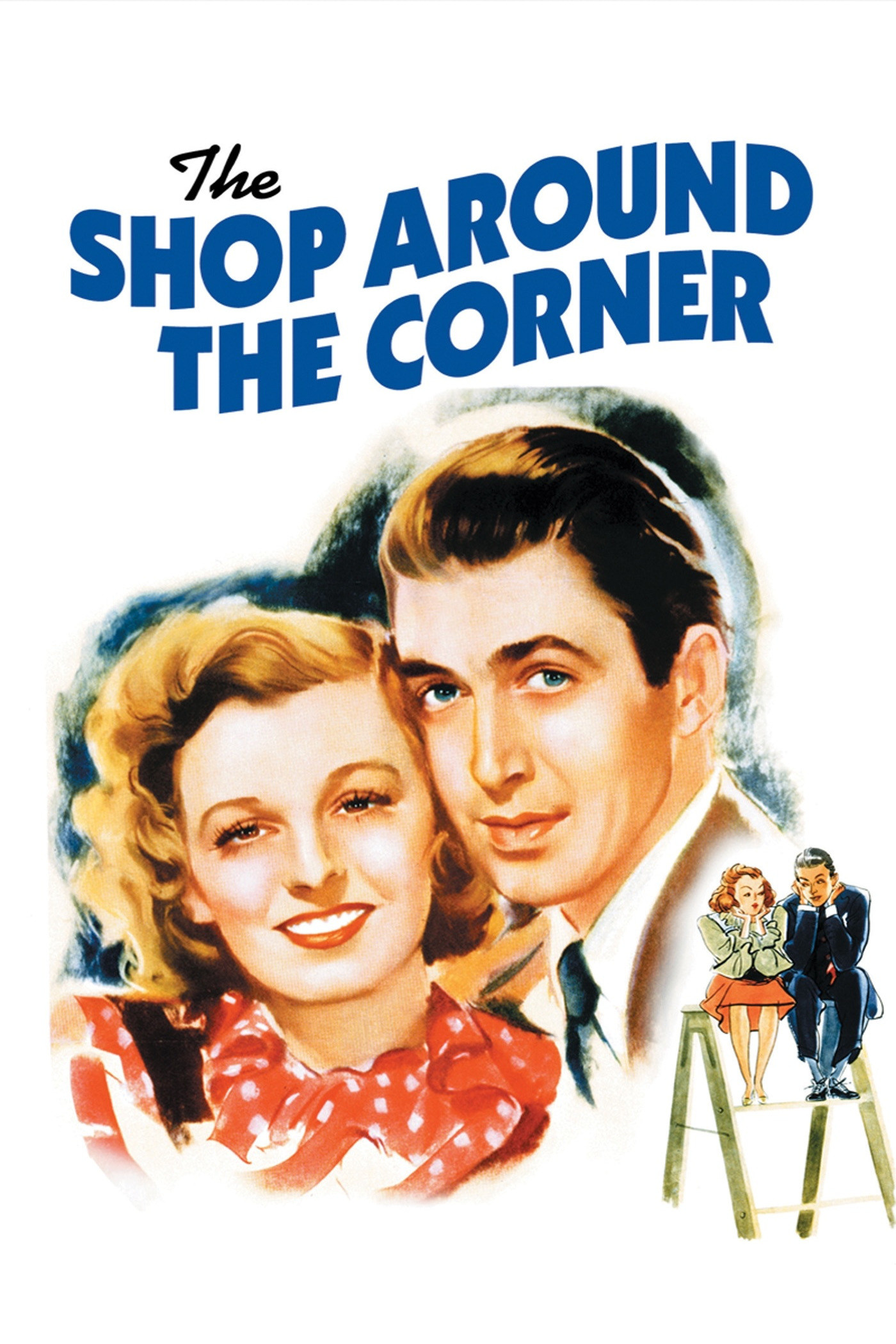
The Shop Around the Corner poster

The Shop Around the Corner

1940 · Workplace friction and private affection, with sharper tempers beneath the romantic misunderstandings.

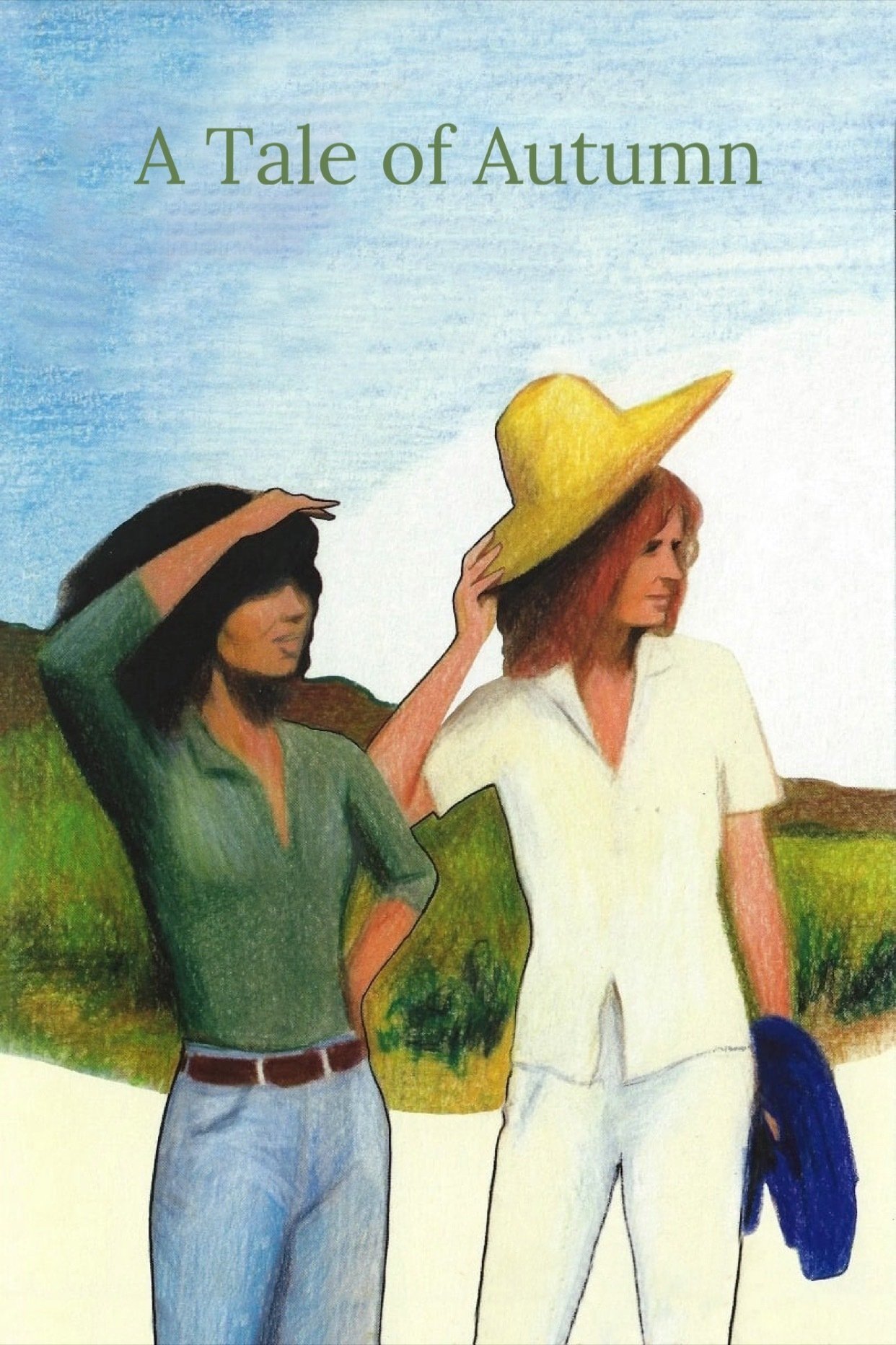
Autumn Tale poster

Autumn Tale

1998 · A quieter French courtship, with friends who are rather too keen to help.

The Lunchbox poster

The Lunchbox

2013 · A gentler courtship built through everyday routines, with loneliness given room to register.

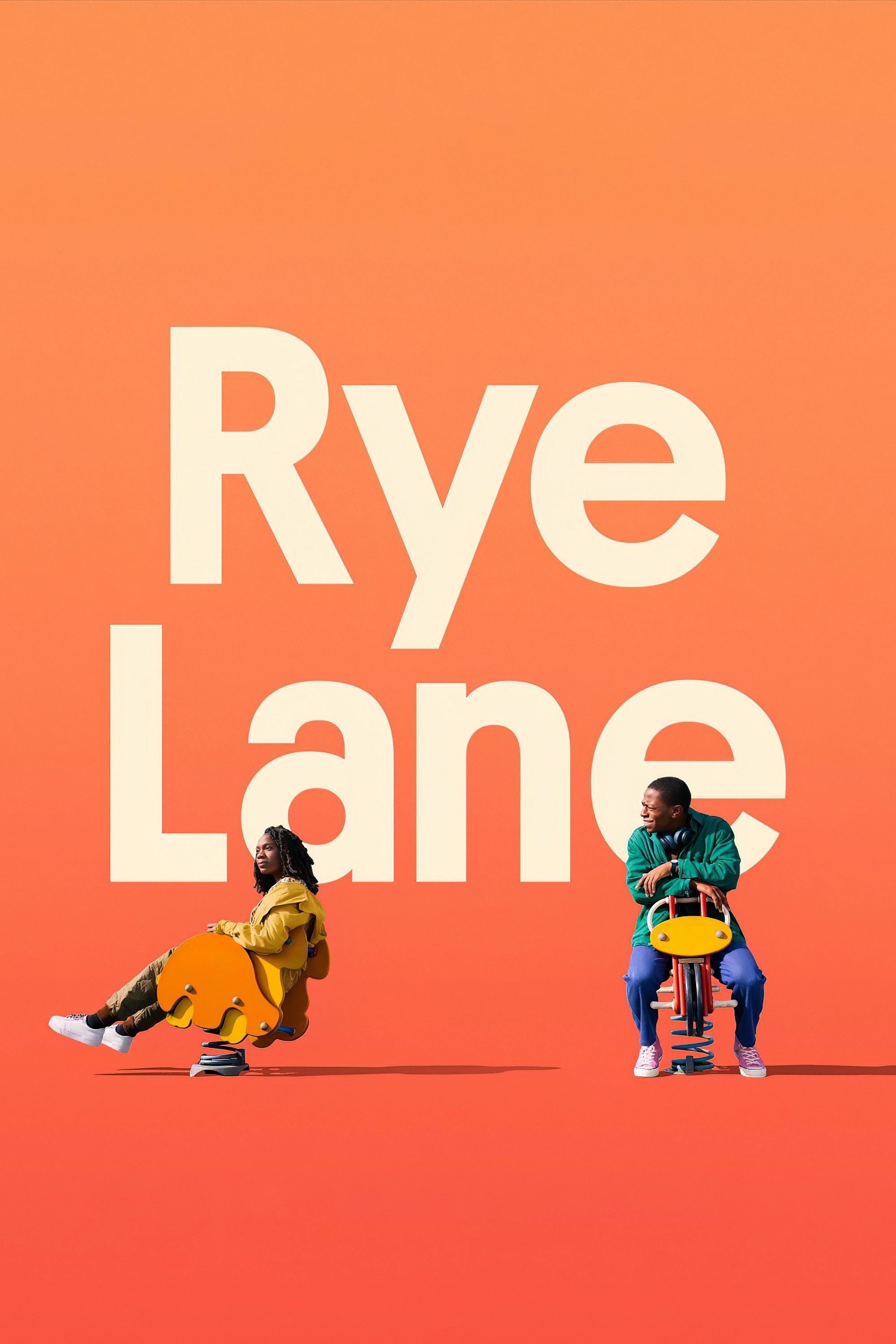
Rye Lane poster78

Rye Lane

2023 · Another London romance, with more street life and less apologising for taking up space.