Film review

Amélie

2001 · Directed by Jean-Pierre Jeunet · 2h 02m · MPA R

In a sentenceAudrey Tautou makes unsolicited help considerably harder to refuse

ComedyRomance

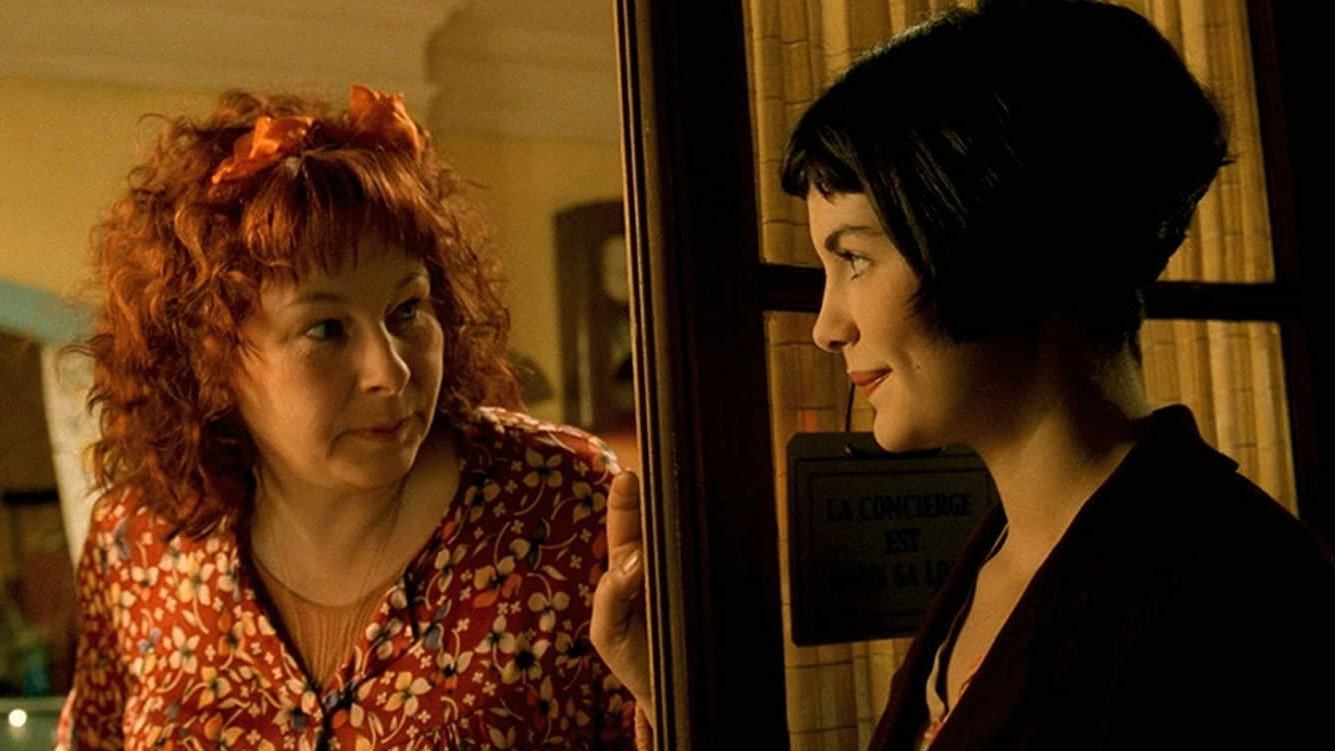
Amélie Poulain (Audrey Tautou) lives in Paris, where she sets about improving other people’s lives while her own search for love remains uncertain. She takes an interest in the lonely people around her, treating their troubles as things she might be able to put right. Her imagination turns everyday life into fantasy, and her attention to small details draws her into other people’s affairs. Jean-Pierre Jeunet directs this romantic comedy, with Mathieu Kassovitz as Nino Quincampoix, Serge Merlin as Raymond Dufayel and Jamel Debbouze as Lucien.

Plays from YouTube when you press play; nothing loads from them until then.

Fi1m review

Jean-Pierre Jeunet’s Amélie is a funny, tender romance with more visual business than it needs. Audrey Tautou makes its lonely heroine worth caring about, even when the film works too hard to charm us.

Amélie is a warm, funny romance with a properly affecting performance at its centre. Jean-Pierre Jeunet builds a Paris in which everyday life can be redirected by one woman’s imagination and interference. He wants us to enjoy the interference, which is a considerable request for anyone who prefers to manage their own affairs. Audrey Tautou makes us willing to listen, because her Amélie is much less certain about securing happiness for herself.

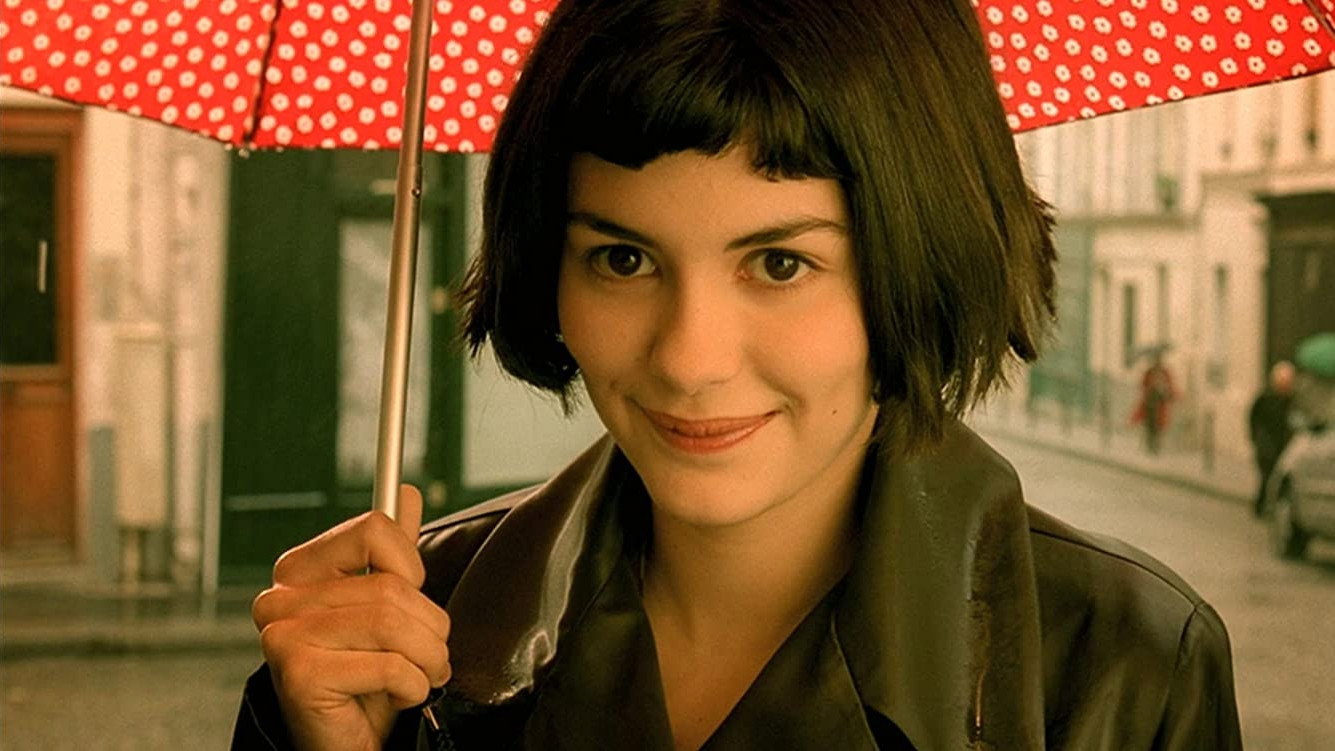
Tautou makes Amélie good company without insisting that we approve of everything she does. Her interest in other people has an eagerness that could become wearing, but the performance keeps her loneliness apparent. We were unexpectedly moved by the uncertainty in Tautou’s face when Amélie’s own longing interrupts her interest in everyone else. That hint of fear gives us a reason to care beyond the next ingenious piece of meddling.

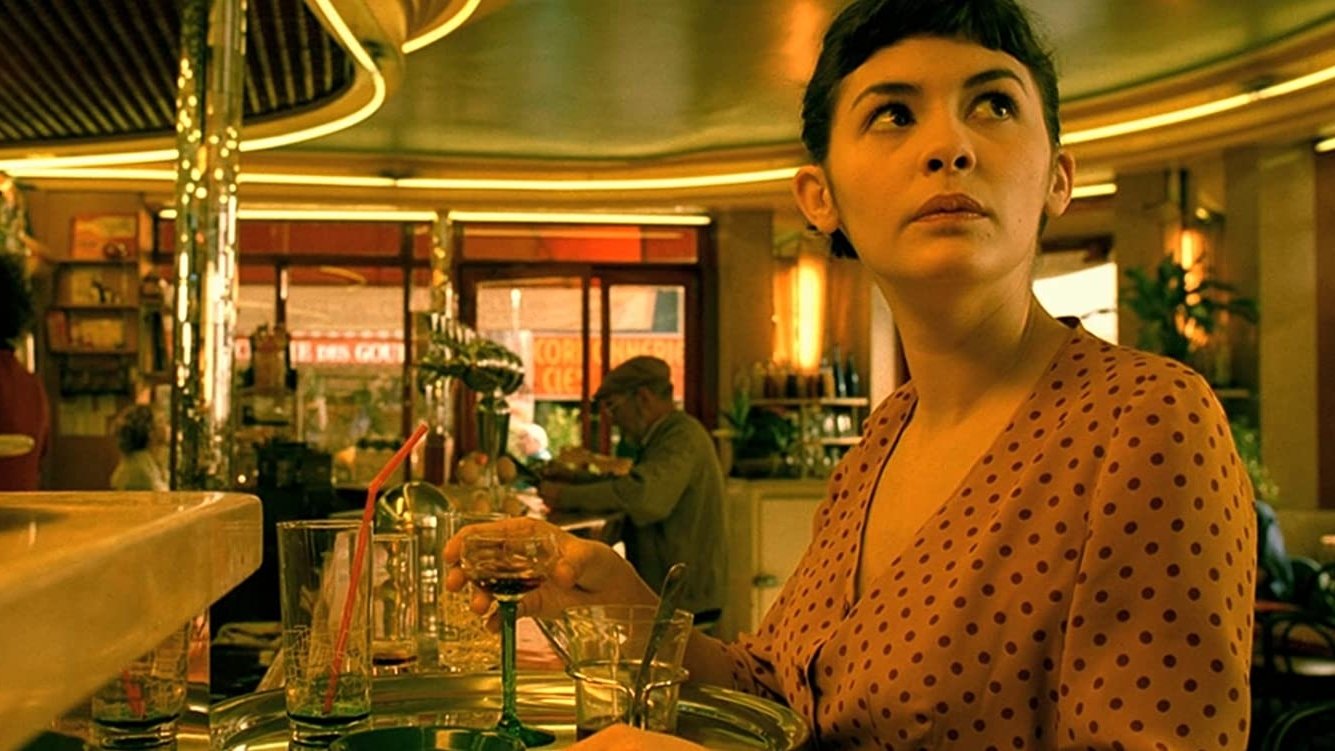
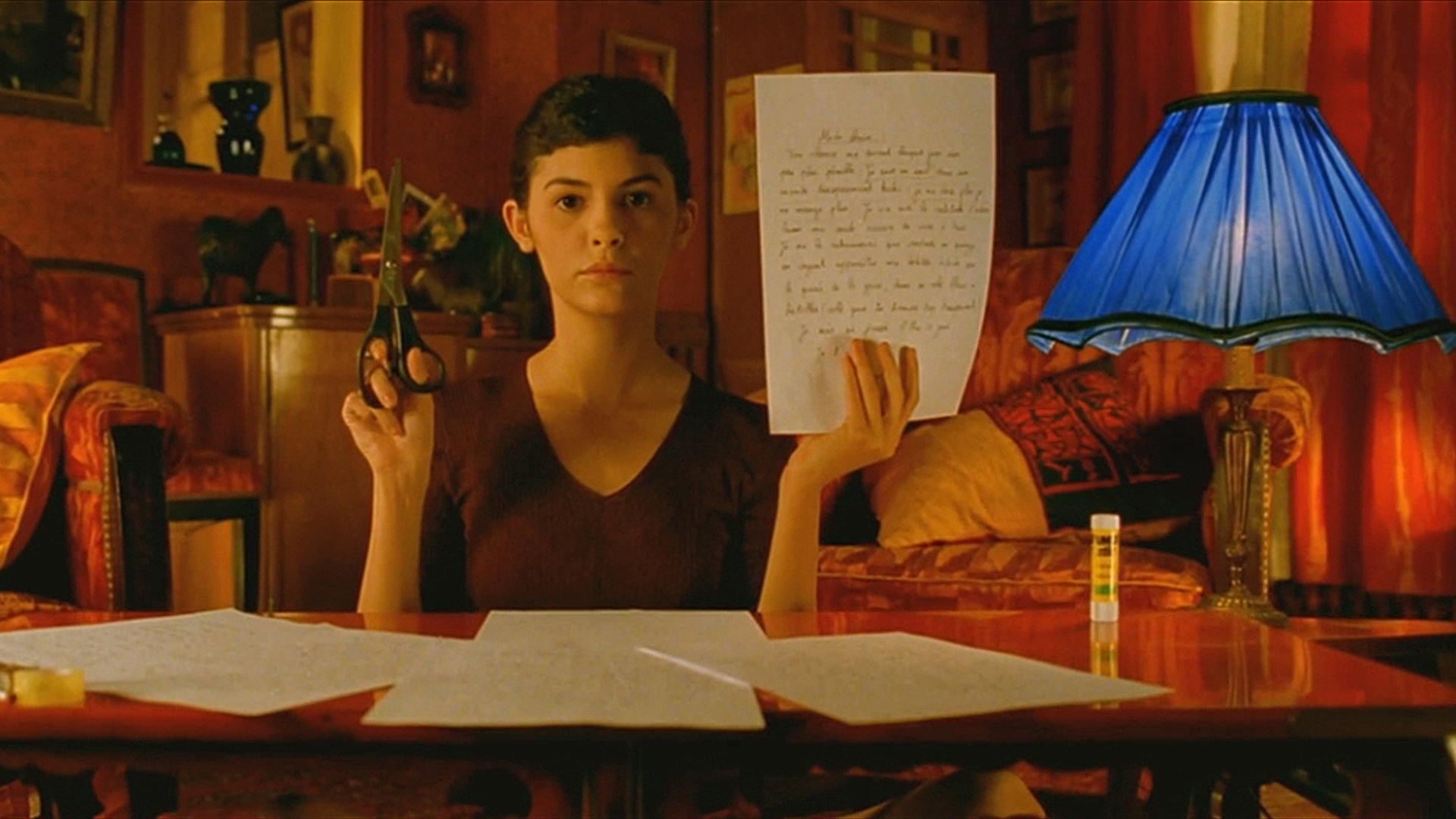
Bruno Delbonnel’s cinematography helps make this idealised Paris feel like somewhere Amélie would invent for herself. The busy frames reward looking at their edges, though there are moments when we would prefer to concentrate on a face. Aline Bonetto’s production design fills the picture with carefully chosen clutter, giving the eccentric characters surroundings that seem to share their habits. The detail is pleasurable, even if little here has been allowed to look accidental.

Hervé Schneid’s editing keeps the visual jokes nimble, allowing the film to change direction without making each detour feel like a new beginning. There are simply too many of them, with another flourish arriving before the previous one has had time to settle. At 122 minutes, the film gives some of its smaller conceits more attention than they can bear. Yann Tiersen’s music gives the romance a gentleness that this restless approach sometimes hurries past. Its warmth works best without quite so many pictures competing to tell us how pleased we ought to be.

The screenplay by Jeunet and Guillaume Laurant understands the temptation to organise other people’s happiness. Amélie’s helpfulness can look controlling, and that makes her more interesting than a heroine who simply distributes favours. The jokes have enough bite to stop the affection for eccentrics becoming entirely reverent. Yet the film is sometimes so pleased with her ingenuity that it leaves us wondering whether the people being helped wanted help in the first place.

As a romantic comedy, it succeeds because the heroine’s awkwardness never makes her wish for love seem ridiculous. Jeunet is protective of his odd people, sometimes excessively so, but he takes their desire for company seriously. We recommend it, with some patience required for a director who rarely leaves a good idea undecorated. Anyone intent on being left alone may wish to keep their address from Amélie.

Critical consensus AI synthesised

72
Positive
4
Mixed
2
Negative
1

Most critics respond warmly to Amélie’s optimism, visual invention and eccentric humour, though enthusiasm depends on how much sweetness they can bear. Praise centres on Jeunet’s densely imagined Paris, his attention to small pleasures and Audrey Tautou’s lead performance, which gives the elaborate fantasy a welcome human presence. The favourable reviews find longing beneath the cheerful coincidences and admire the affection shown towards lonely people and their peculiar habits.

The spread of opinion is wide, with the same busy style producing delight in some reviews and fatigue in others. Even sympathetic critics find the film overlong or sugary at times, while others question whether its cleverness allows enough space for feeling. The AV Club finds the elaborate construction wearisome and emotionally detached. Slant Magazine is similarly hostile in its assessment of the contrived whimsy, treating the visual flourishes as an obstacle to emotion rather than a source of pleasure.

Radio Times
★★★★★ · David Parkinson
100

The film enchants with nostalgic optimism, glorious visuals and ceaseless invention after Jeunet's earlier nightmarish fantasies. Tautou's Amélie is iconic in her selfless joie de vivre, though the rose-tinted Paris vision has some conservative undertones.

Read the full review →
Time Out
11 October 2011 · ★★★★ · David Jenkins
80

The review calls it the quintessential subtitled film for those who dislike them and an eccentric one-of-a-kind work reflecting Jeunet's unique sensibility. It praises the cheeky jokes and oddball observations but notes it feels overlong and saccharine at times.

Read the full review →
Slant Magazine
3 October 2001 · ★★★/4 · Ed Gonzalez
75

Amélie is a self-indulgent, smug fairy tale whose aggressive style and contrived whimsy make it unbearable art-house eye candy. Jeunet's flashy techniques and cutesy coincidences overwhelm any genuine feeling, resulting in something to chew on with a barf bag handy.

Read the full review →
The Guardian
5 October 2001 · Peter Bradshaw
65*

The critic finds the film overly sweet and whimsical, likening it to being forced to eat an entire dessert trolley while being serenaded, though it has charm in its fantasy elements and lead performance.

Read the full review →
The New Yorker
29 October 2001 · Anthony Lane
60*

The film is described as a small, dippy, consoling pick-me-up with trick shots and visual busyness reminiscent of Chagall or Dufy, but the critic notes it fidgets and fusses too much, risking frittering away its joy despite contributing to gaiety.

Read the full review →
The AV Club
16 November 2001 · Keith Phipps
40*

The film is a visually striking but ultimately wearisome contraption centered on a whimsical heroine who meddles in others' lives. Jeunet's style prioritizes clever ideas over emotional engagement, leaving the whimsy feeling stretched and detached.

Read the full review →

Cast

Stills

Awards

Academy Awards, 2002

Nominated
Best Cinematography
Nominated
Best International Feature Film
Nominated
Best Production Design
Nominated
Best Sound
Nominated
Best Writing, Original Screenplay

Amanda Award for Best Foreign Feature Film, 2002

Won
Amanda Award for Best Foreign Feature Film

César Award for Best Actress, 2002

Nominated
César Award for Best Actress

International Submission to the Academy Awards, 2002

Nominated
International Submission to the Academy Awards

Lumière Award for Best Actress, 2002

Won
Lumière Award for Best Actress

Lumière Award for Best Film, 2002

Won
Lumière Award for Best Film

Lumière Award for Best Screenplay, 2002

Won
Lumière Award for Best Screenplay

Lumière Awards, 2002

Won
Lumière Awards

Silver nugget for the best foreign film, 2002

Won
Silver nugget for the best foreign film

Crystal Globe, 2001

Won
Crystal Globe

European Film Award for Best Actress, 2001

Nominated
European Film Award for Best Actress

European Film Award for Best Cinematographer, 2001

Won
European Film Award for Best Cinematographer

European Film Award for Best Director, 2001

Won
European Film Award for Best Director

European Film Award for Best Film, 2001

Won
European Film Award for Best Film

European Film Award - People's Choice Award for Best Director, 2001

Won
European Film Award - People's Choice Award for Best Director

Jameson People's Choice Award for Best Actor, 2001

Nominated
Jameson People's Choice Award for Best Actor

Jameson People's Choice Award for Best Actress, 2001

Nominated
Jameson People's Choice Award for Best Actress

If you liked this, try…

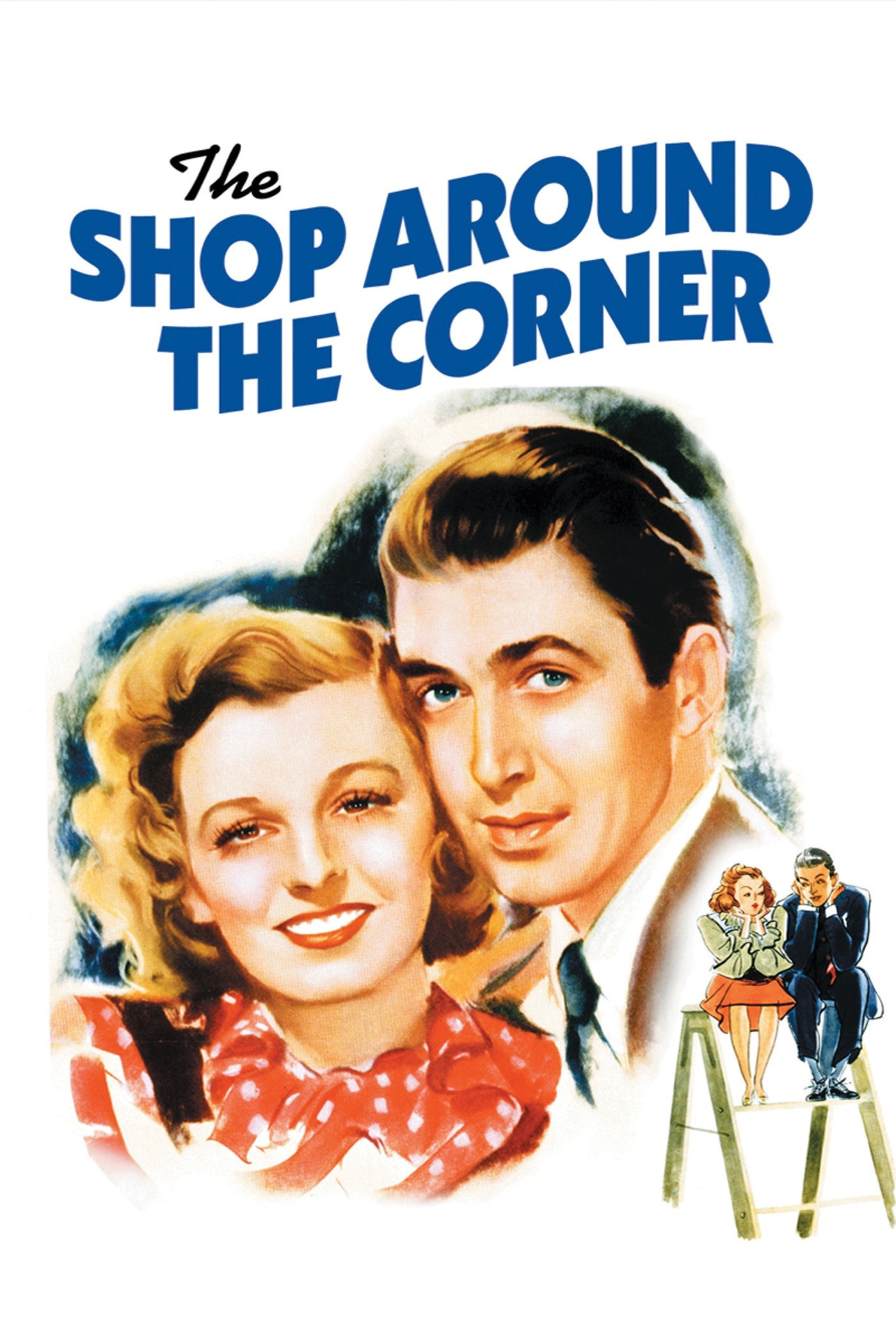
The Shop Around the Corner poster

The Shop Around the Corner

1940 · A gentler courtship, with prickly manners and loneliness beneath the comedy.

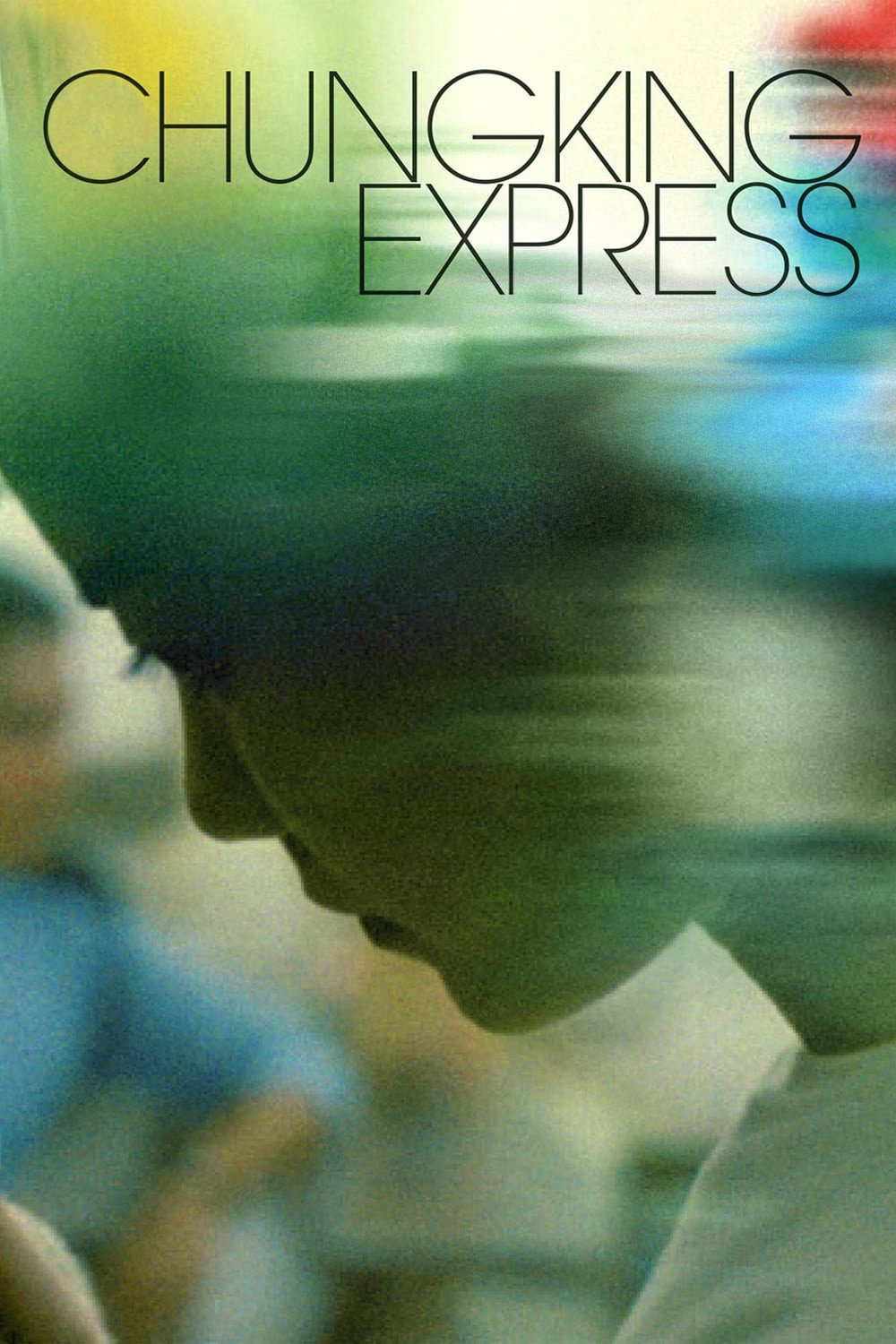
Chungking Express poster85

Chungking Express

1994 · Lonely city dwellers make private rituals out of their hopes for love.

The Lunchbox poster

The Lunchbox

2013 · Everyday routines open into romance, with room for doubt and disappointment.

Lars and the Real Girl poster

Lars and the Real Girl

2007 · An awkward man’s need for company receives unusual kindness and dry humour.

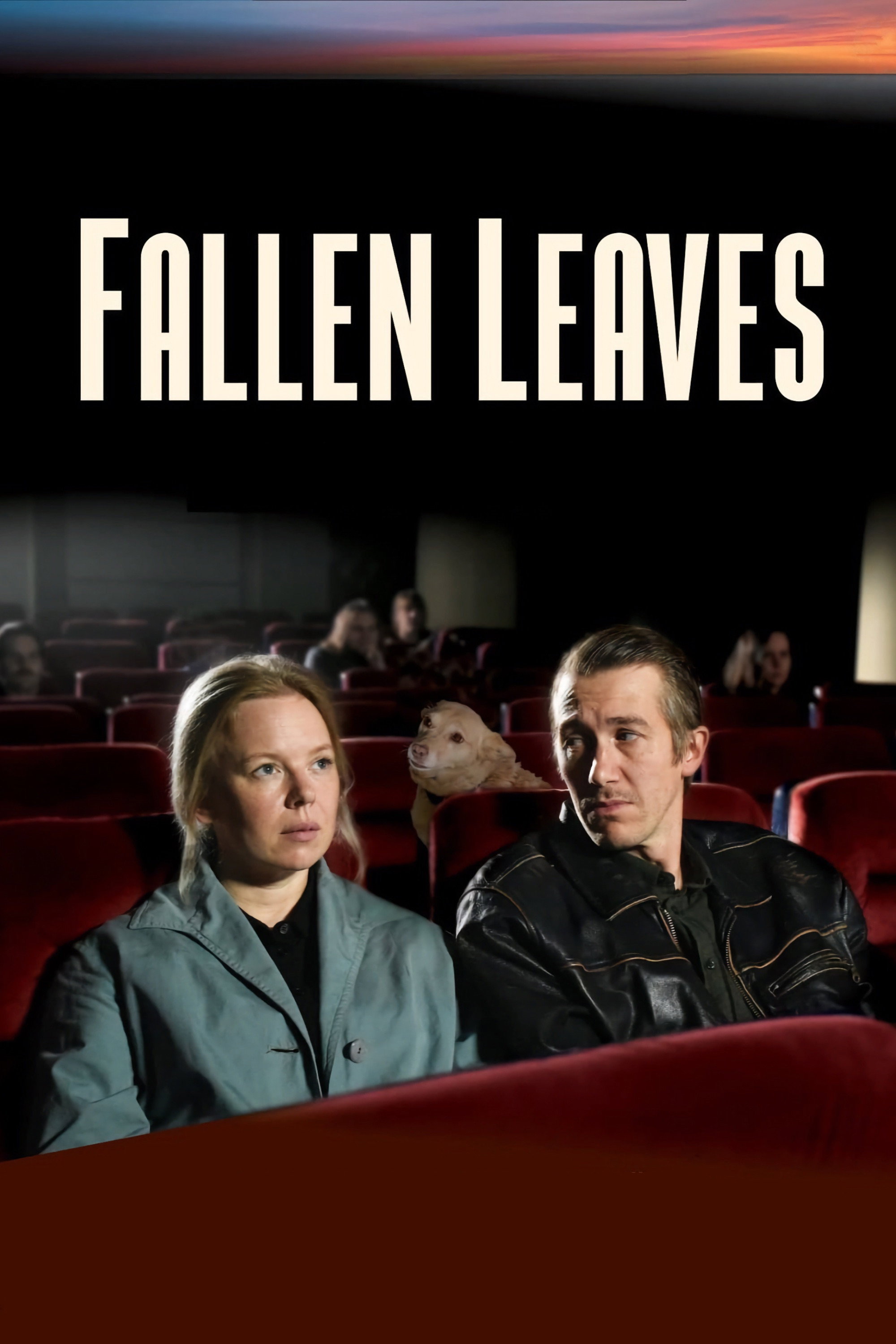
Fallen Leaves poster83

Fallen Leaves

2023 · A drier, quieter romance for anyone who recognises the loneliness beneath Jeunet’s decorations.