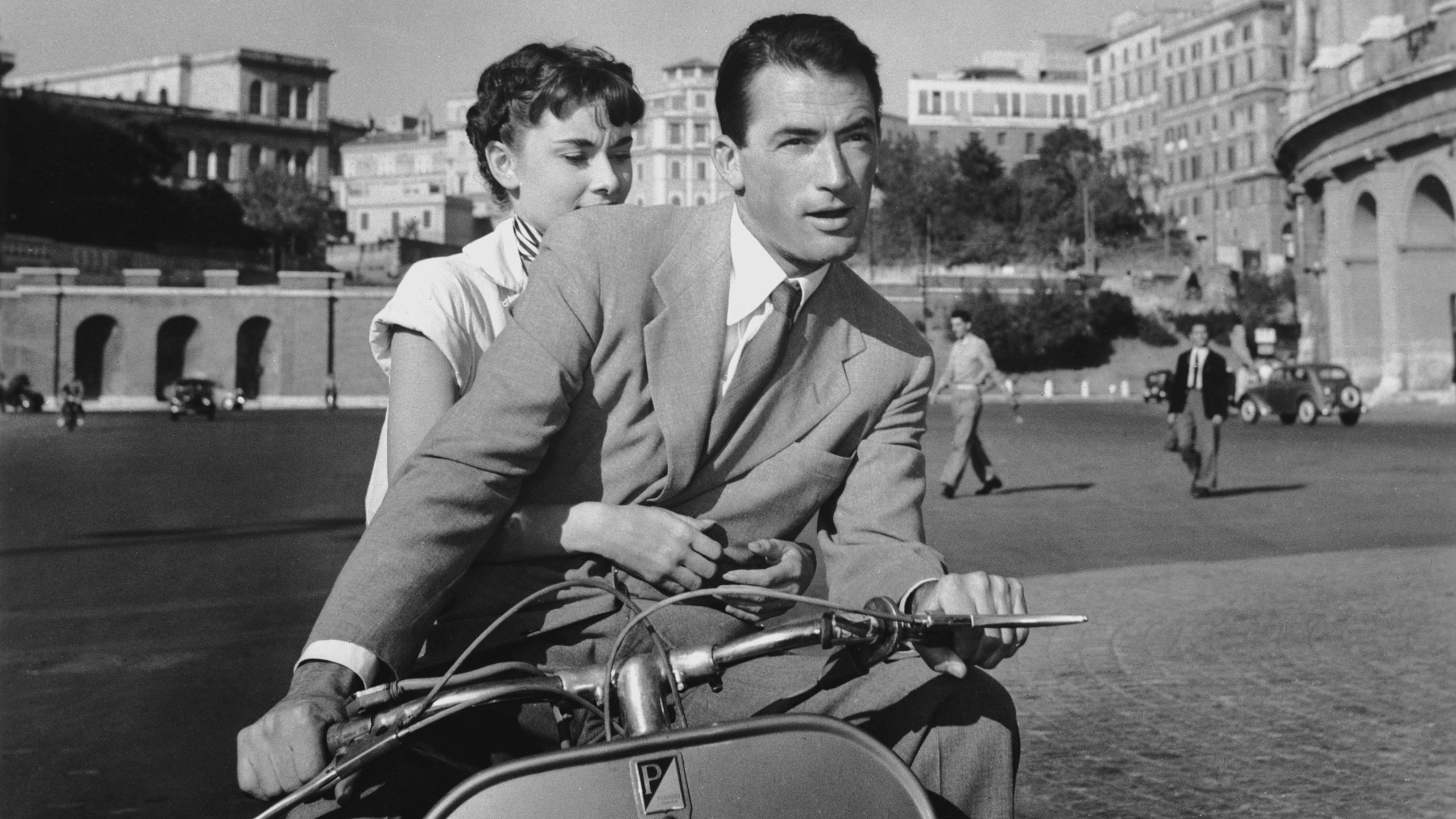
William Wyler’s royal escape is a funny, tender romance made convincing by Audrey Hepburn and Gregory Peck. The reporter’s deception gets an easy ride, but the pleasure of Ann’s freedom is worth sharing.
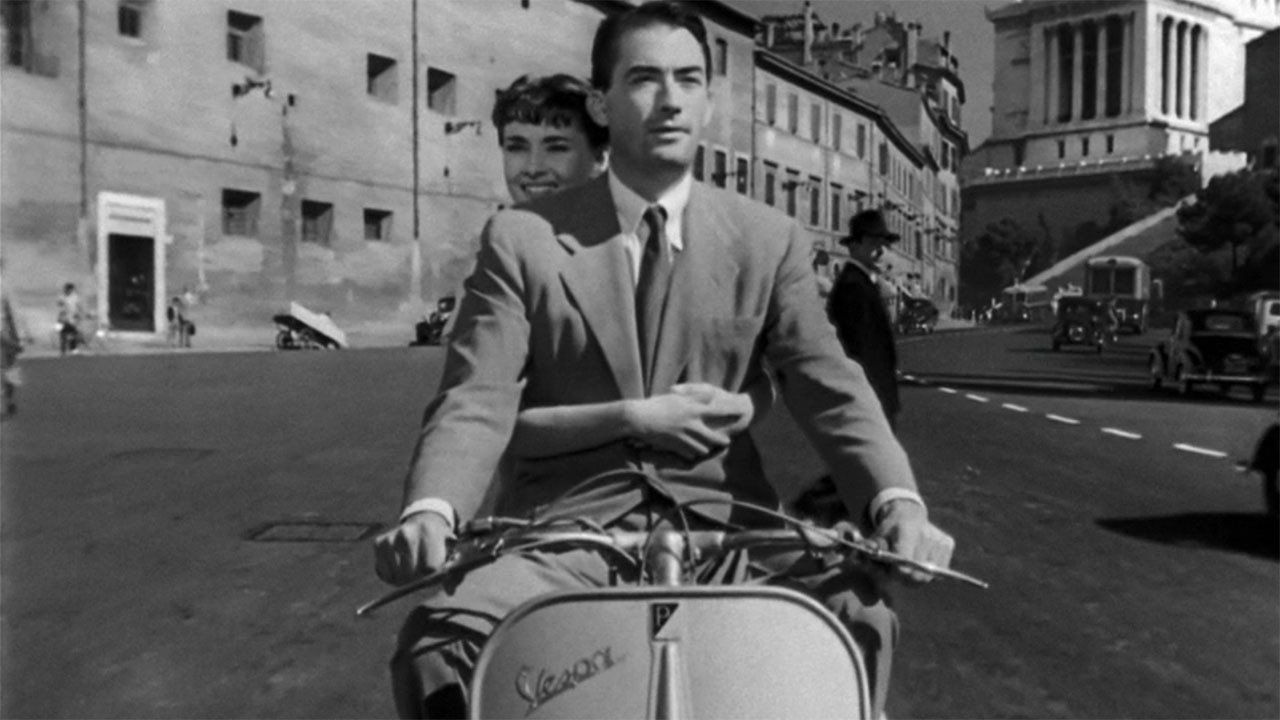
William Wyler’s Roman Holiday makes the wish for a day without obligations seem entirely reasonable, even when the person making it is a princess. It is a funny, tender romance, and we recommend it despite a rather forgiving attitude towards its newspaperman. Ann’s escape from her guardians in Rome gives her the chance to enjoy herself without a royal schedule. Joe Bradley sees an opportunity to get a story, which is an unpromising basis for a pleasant day together.
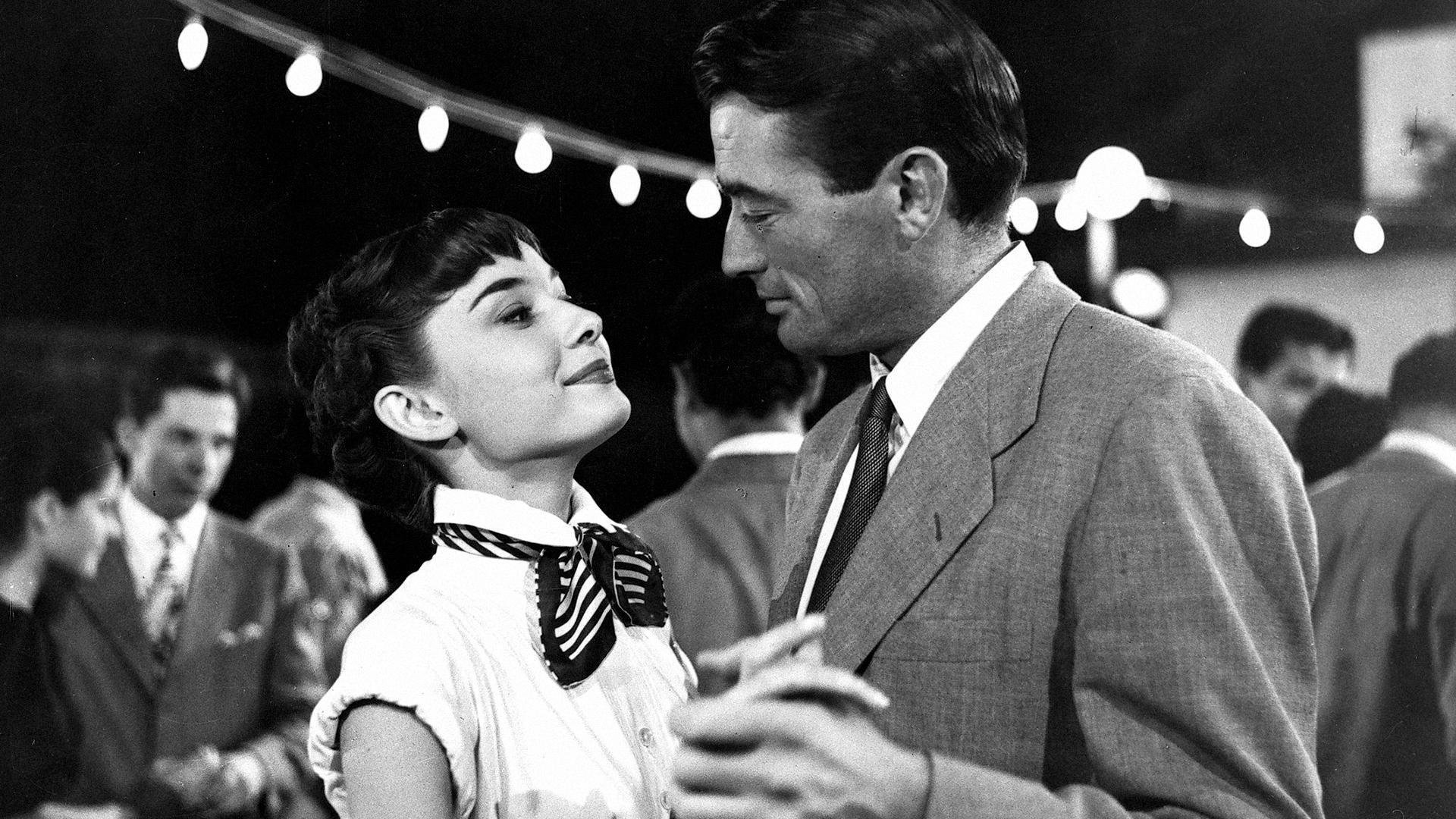
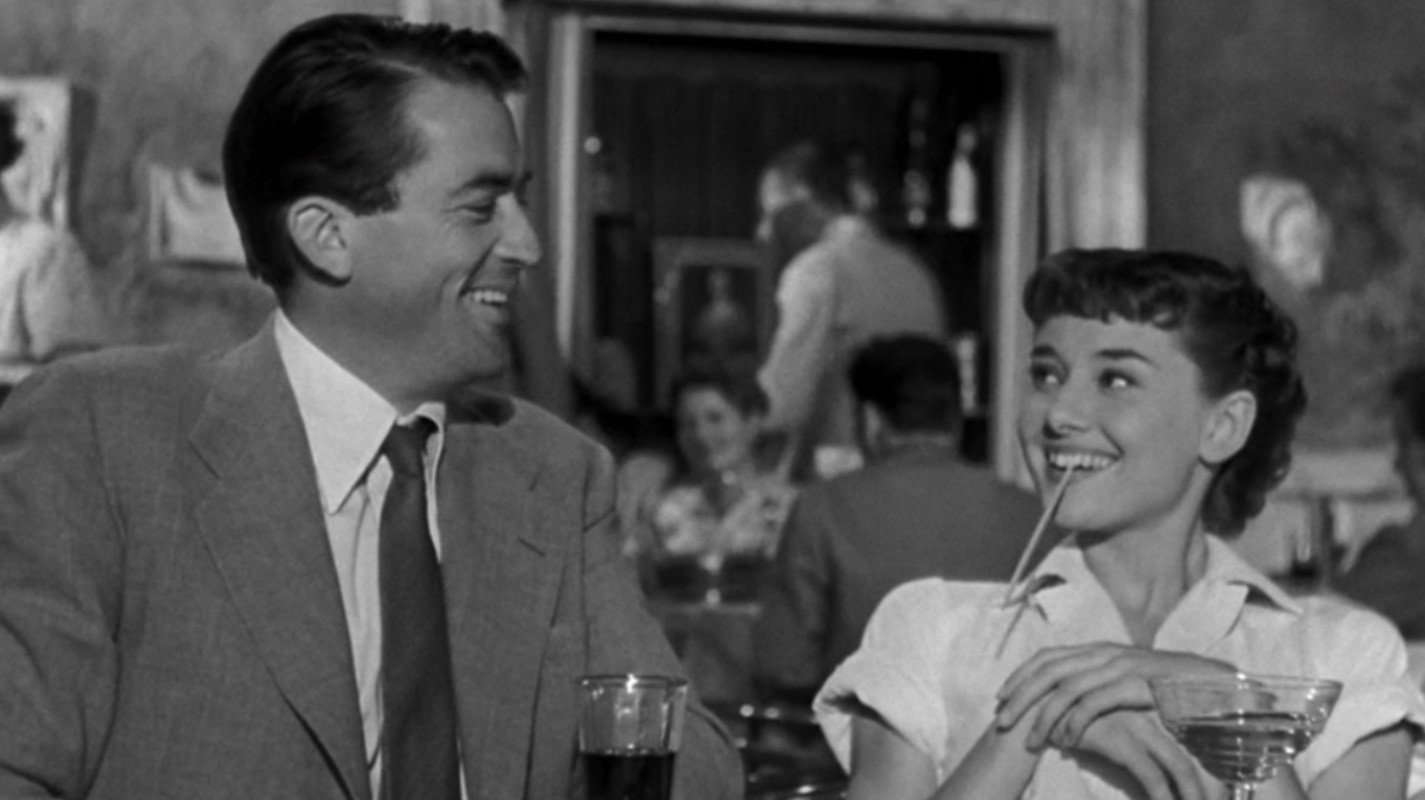
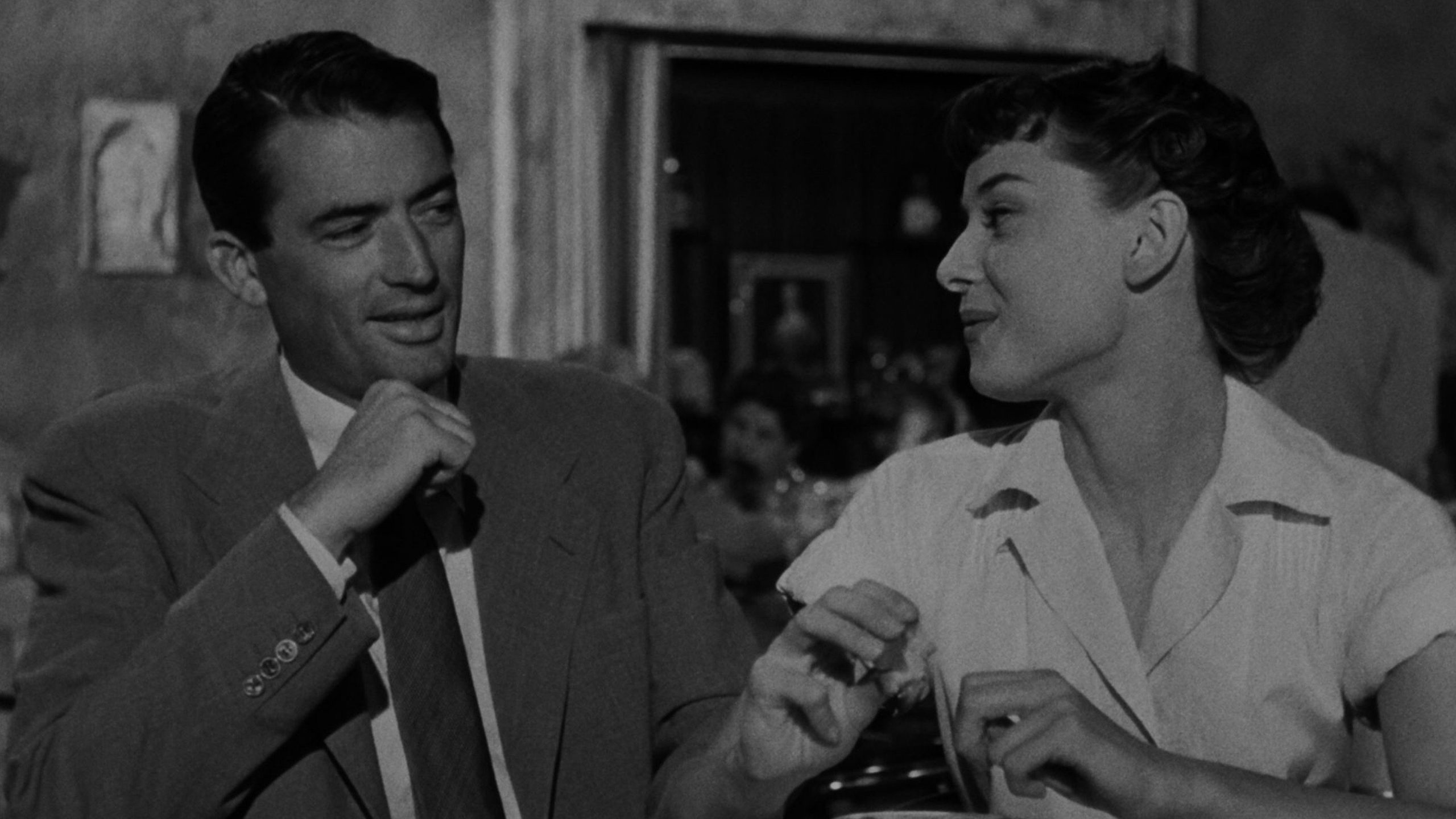
Audrey Hepburn makes Ann’s sheltered upbringing visible without making her seem foolish. Her eagerness has the slight uncertainty of someone who has had little practice at choosing what happens next, and that keeps the performance from becoming merely cute. We felt unexpectedly protective of her when her escape from supervision brought her into the company of another person with plans for her. The reason is Hepburn’s open pleasure in having some freedom. She makes a small amount of independence seem worth all the trouble.
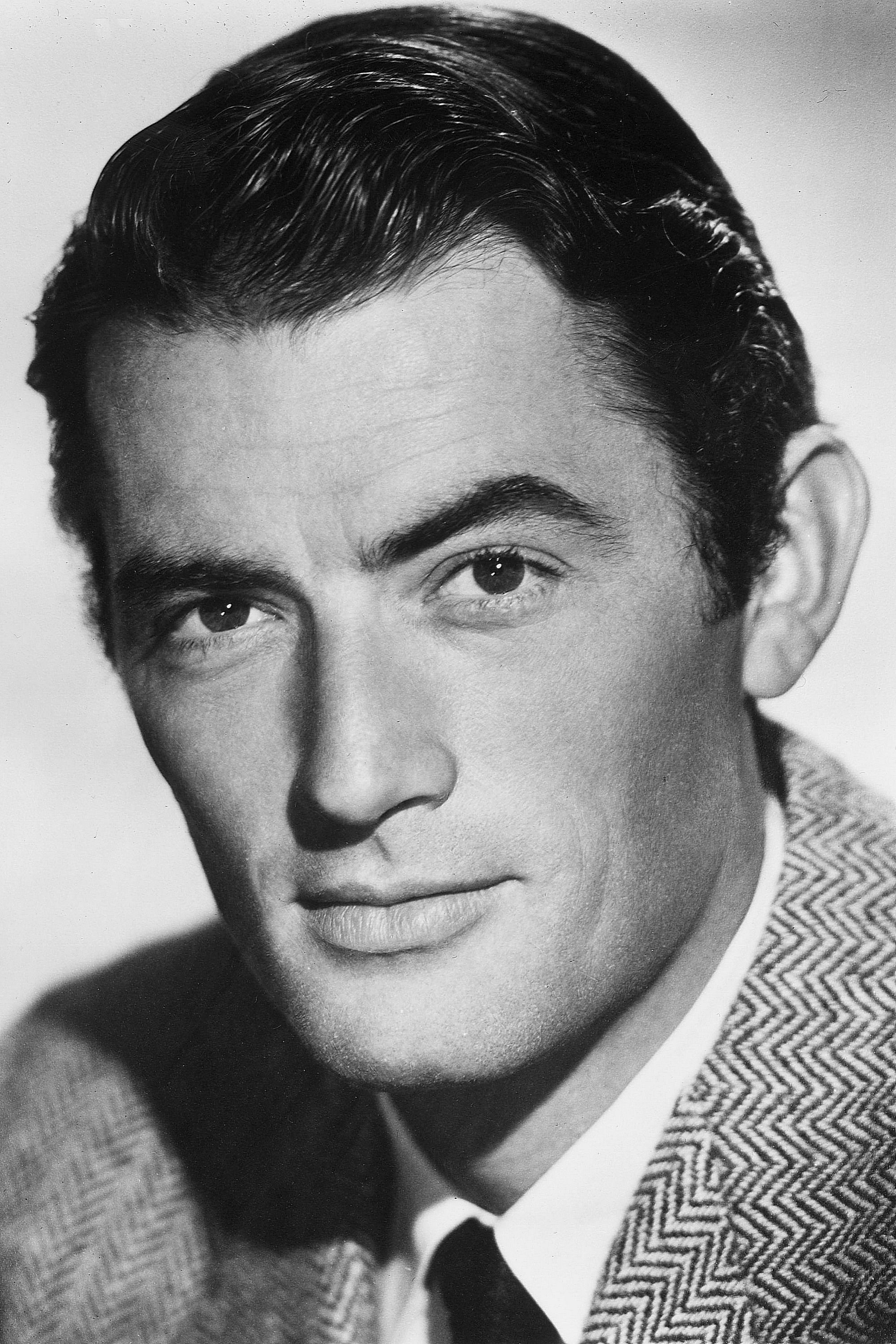
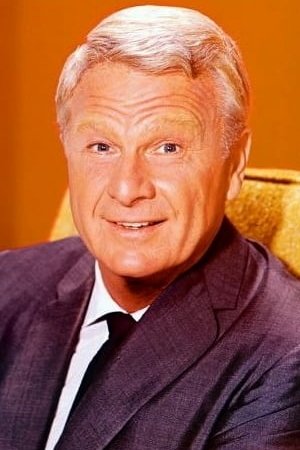
Gregory Peck is useful here precisely because he does not seem frantic to entertain us. His underplaying gives Hepburn room, while letting Joe’s professional calculation remain legible beneath the charm. The difficulty is that the film likes him so much that his deception rarely feels as shabby as it might; Peck’s reassuring manner does some work that the writing ought to have done. Eddie Albert, as Irving Radovich, brings a welcome extra comic presence without upsetting the balance between the leads.
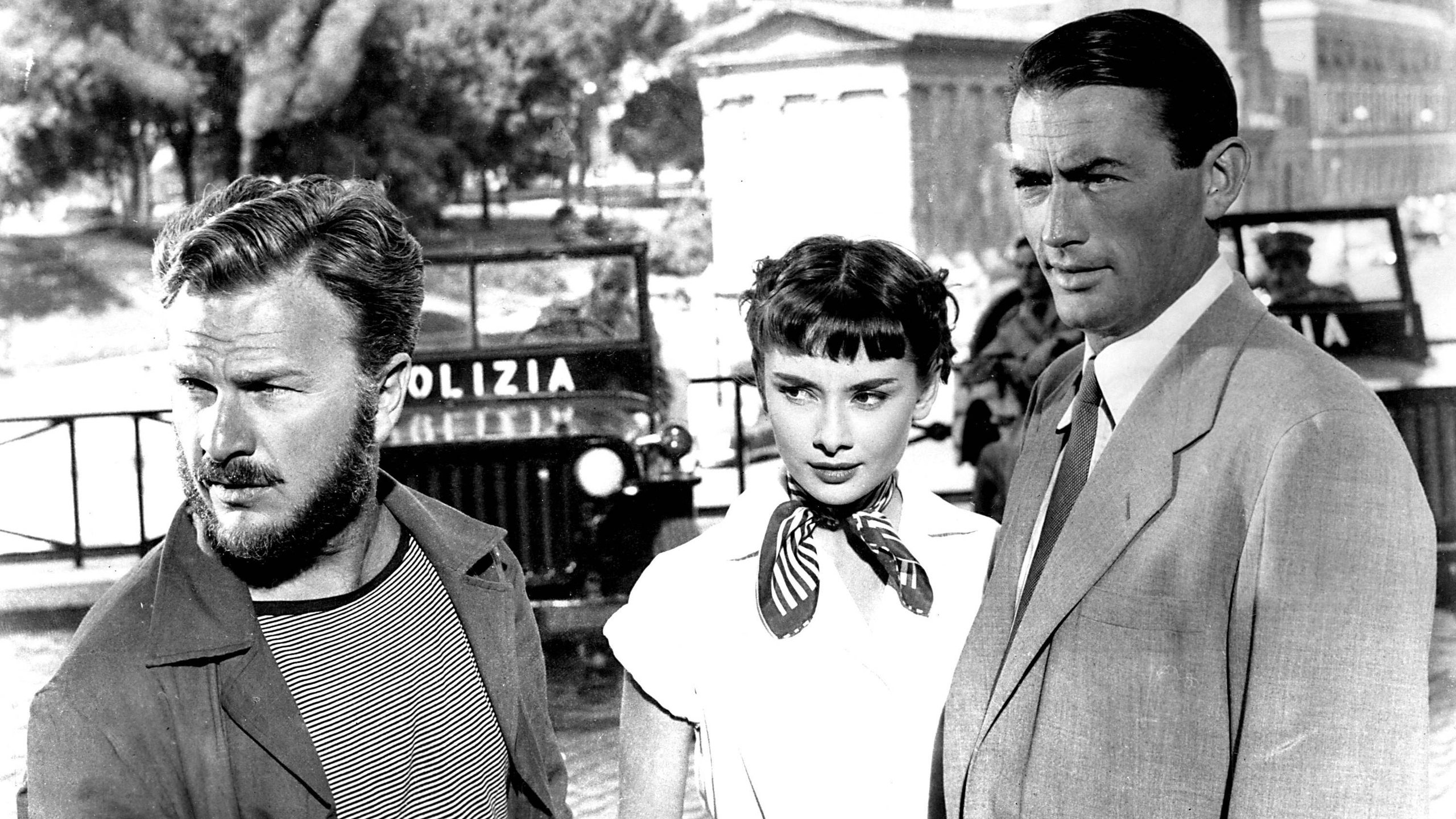
Henri Alekan and Franz Planer’s photography gives Rome enough space to matter. The long takes and deep focus let us look beyond the stars and see why Ann might want to spend a day here. Filming on location pays off because she seems to have escaped into a place where life is already going on. Those wider compositions also suit the romance: we can watch the leads respond to each other without every reaction having to arrive in a separate close-up.
Robert Swink’s editing is particularly helpful to the physical comedy, allowing a piece of business to develop rather than hurrying on once the joke is clear. At 119 minutes, the film is leisurely, but it seldom drags. Georges Auric’s music is less restrained than the performances. Its sweetness occasionally presses a little hard, especially when Hepburn and Peck have already made the feeling plain.
The screenplay by Dalton Trumbo, Ian McLellan Hunter and John Dighton finds good comic complications in Joe’s need to conceal what he knows. A conversation that seems harmless to Ann requires rather more care from him. That is familiar romantic-comedy machinery, and some of the complications are easy to anticipate. The film meets the genre’s usual test by making us interested in what these particular people will say, even when we can guess the kind of scene approaching. Give it an evening without obligations of your own.