Audrey Hepburn can make a poised woman seem inexperienced without making her foolish. We rate her attention to small hesitations: in Roman Holiday, her pleasure in a little independence gives the romance its emotional weight.
Fi1m perspective
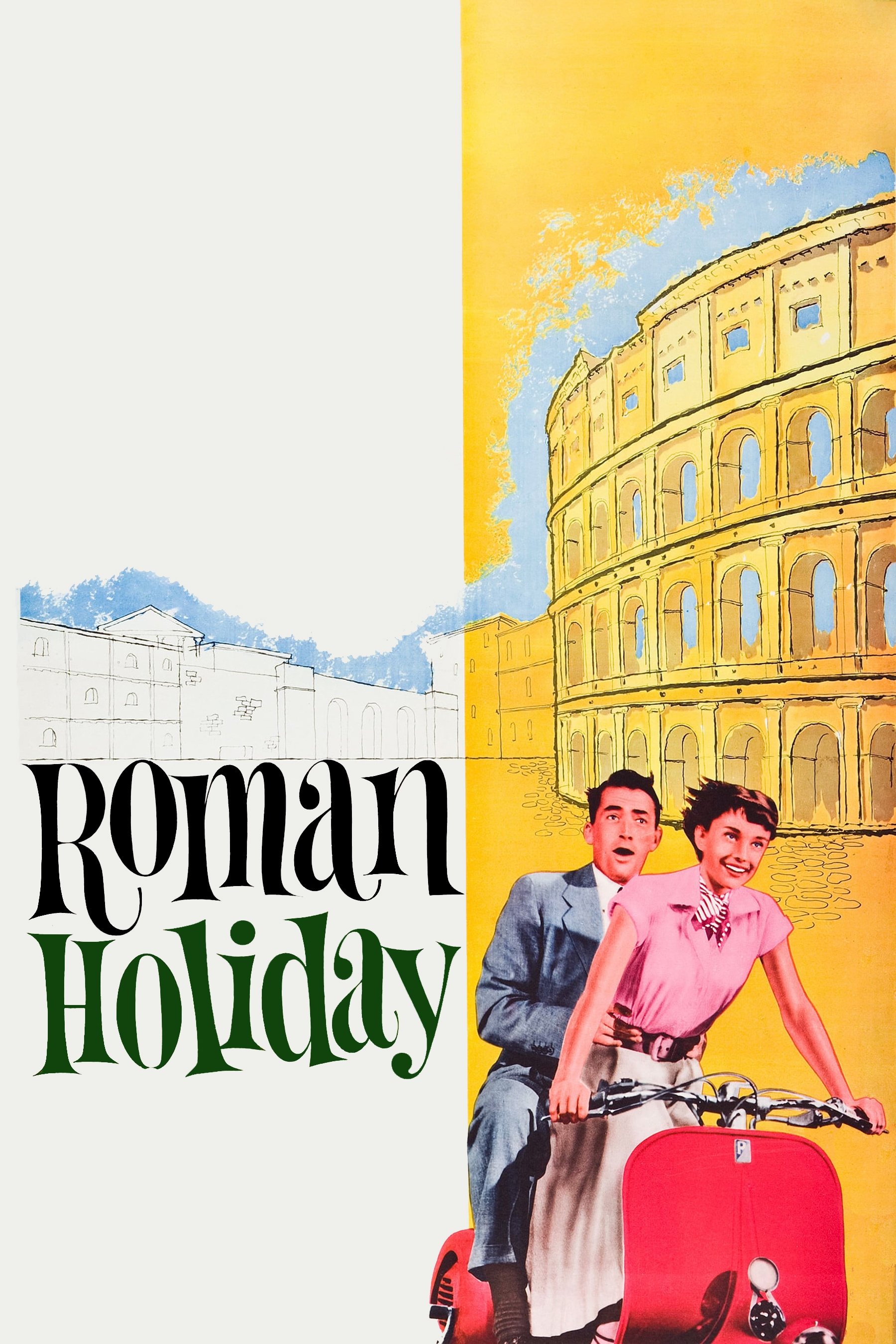
In Roman Holiday (1953), Audrey Hepburn makes Princess Ann's eagerness slightly tentative, as though choosing for herself is a skill she has barely practised. The sheltered upbringing is there without a performance of stupidity. We felt protective of Ann because Hepburn makes her pleasure in escaping supervision so open, even as she falls in with someone who has plans for her. That pleasure keeps the romance convincing. William Wyler gives her a comedy in which a little independence is enough to make us care.
After minor British film parts, including The Lavender Hill Mob (1951), Roman Holiday made her a Hollywood star. Sabrina (1954), with director Billy Wilder, followed with a young woman's passage into sophistication and began her long association with costume designer Hubert de Givenchy. Romance and personal transformation became recurring material. Givenchy helped establish an image of elegance.
Roman Holiday is the place to look closely at that work, and Gregory Peck helps by declining to compete with it. His underplaying leaves Hepburn room to be eager while his reporter's calculation remains visible. Robert Swink's editing gives the physical comedy time to develop, rather than cutting away as soon as a joke registers. The film is less careful about the reporter's deception, which Peck's reassuring manner makes too easy to forgive. Georges Auric's music also presses the sweetness harder than it needs to; Hepburn and Peck have already made the feeling clear.
The next decade brought Holly Golightly in Breakfast at Tiffany's (1961) and a pairing with Cary Grant in the romantic thriller Charade (1963). Studio concern about preserving her wholesome image in Breakfast at Tiffany's suggests how restrictive that image could become. Her film work grew less frequent after the late 1960s, and her final screen appearance was in Always (1989). Start with Roman Holiday, and notice how carefully she keeps Ann's delight from becoming a request to be found charming.
Biography
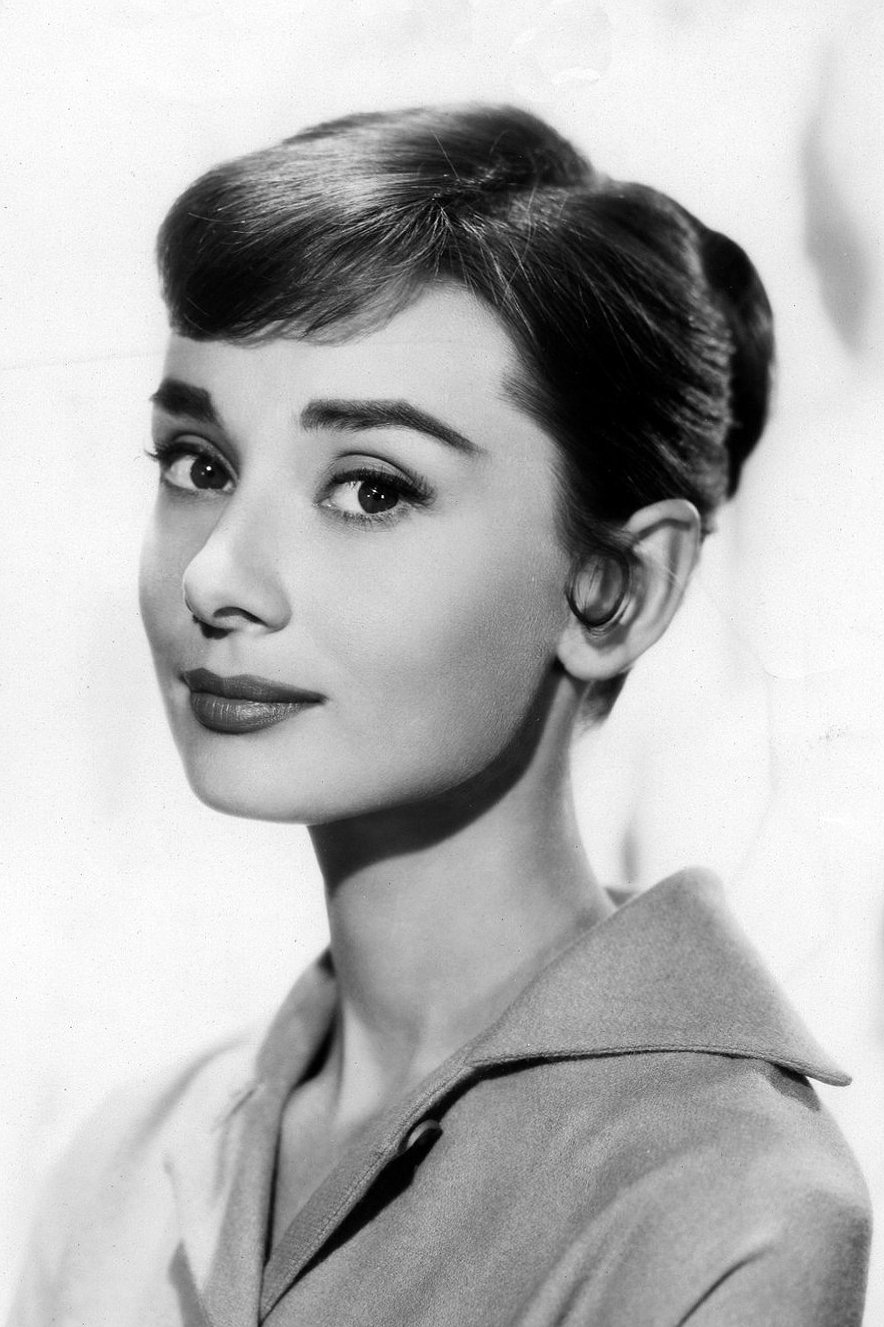
Audrey Hepburn was an actress. Born Audrey Kathleen Ruston on 4 May 1929 in Ixelles, Belgium, she died on 20 January 1993.
She studied ballet in Amsterdam and London, then performed in West End musicals before minor film roles. She rose to international prominence with her performance as Princess Ann in Roman Holiday (1953), for which she received an Academy Award, a Golden Globe Award and a BAFTA Award.
Subsequent leading roles included Sabrina (1954), Funny Face (1957), Breakfast at Tiffany's (1961), Charade (1963), My Fair Lady (1964) and Wait Until Dark (1967). She was also active in humanitarian work with UNICEF.