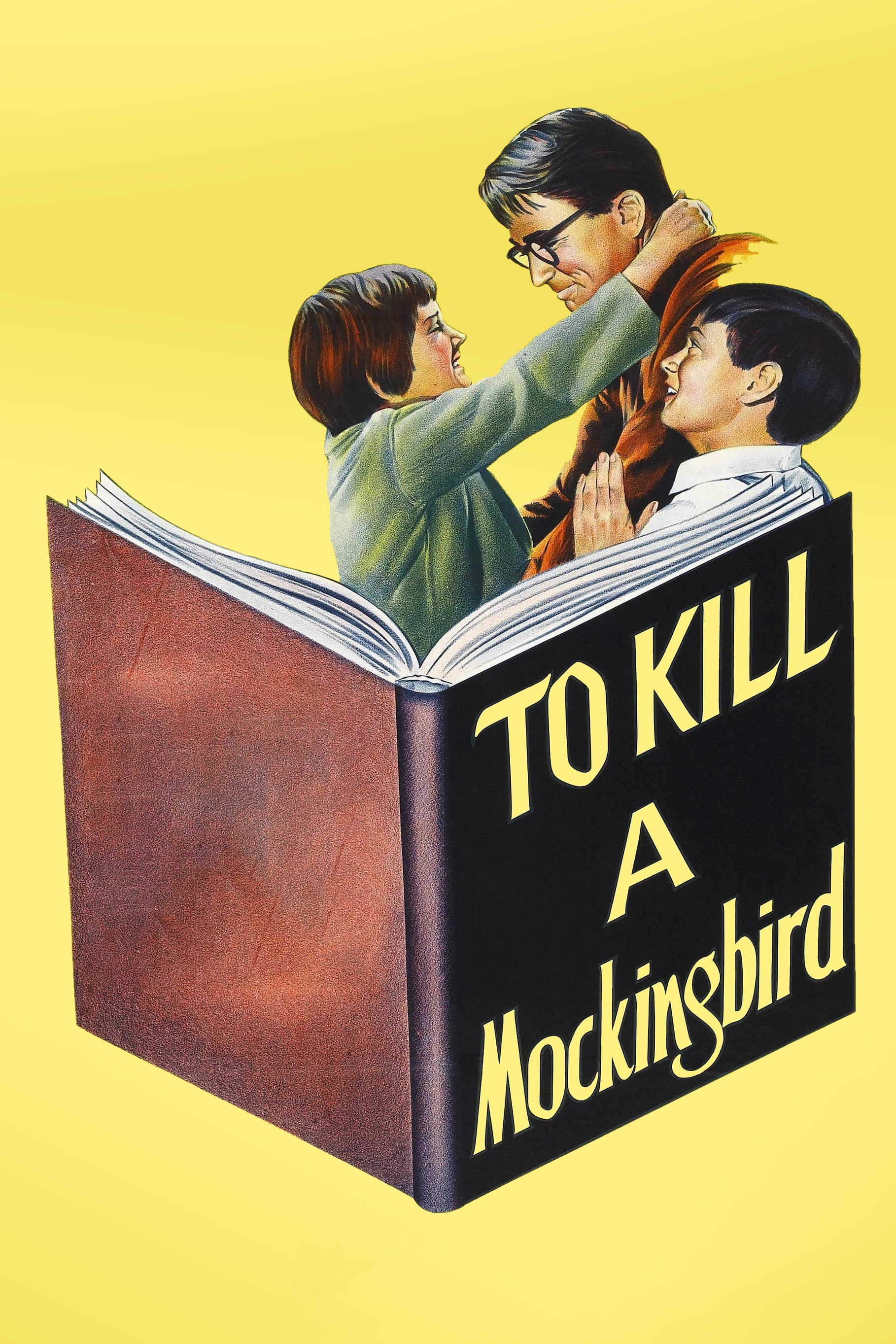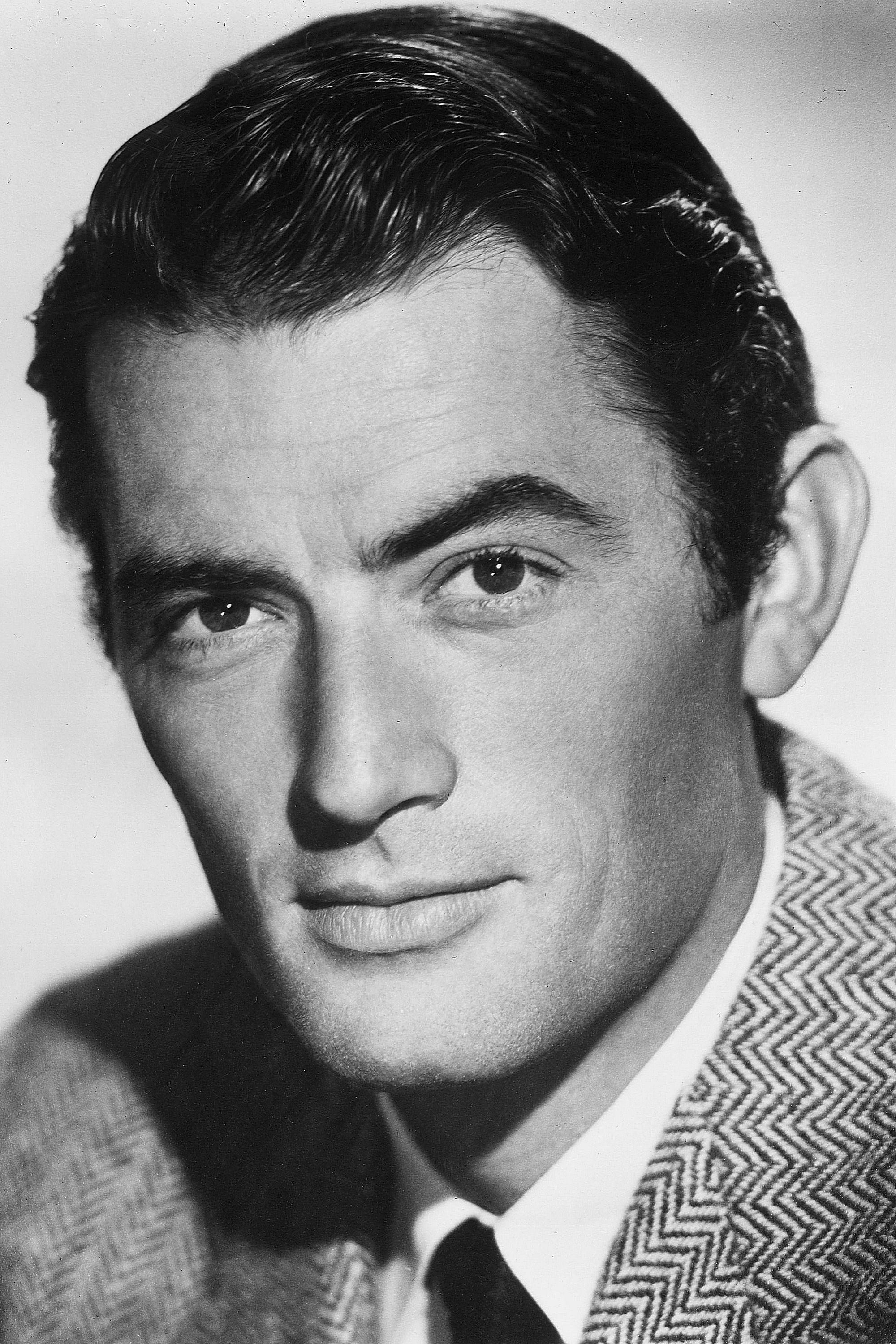
Gregory Peck's deep voice and restraint make principled men worth listening to. We admire him most when goodness takes an effort; his Atticus Finch is moving, though the film gives that goodness too much attention.
Fi1m perspective
In To Kill a Mockingbird (1962), Gregory Peck makes a father's authority credible by speaking as though there is no need to press it. His Atticus Finch can hold our attention without making every sentence an occasion. The deep, mellow voice helps, but the restraint matters more: Peck allows us to listen without feeling that we are being instructed to admire him. He is persuasive company, and occasionally almost too reassuring.
His leading-man career took shape with The Keys of the Kingdom (1944), following his debut in Days of Glory (1944). Roman Holiday (1953) gave him a romantic lead opposite Audrey Hepburn. By The Guns of Navarone (1961), that authority also had a place in action-adventure. These are useful reminders that playing Atticus was not the whole job. Some early performances drew complaints of stiffness, a useful warning against mistaking that steady manner for an automatic virtue.
Robert Mulligan's To Kill a Mockingbird nevertheless gives us the clearest reason to care about that authority. Alongside Mary Badham as Atticus's daughter, he makes the father and the public speaker recognisably the same man. We were moved by his courtroom appeal because the careful delivery lets us hear how much effort it takes to remain reasonable in the face of racism. He does not turn the speech into a separate performance for our benefit.
The trouble is that Atticus sometimes seems too perfectly equipped for the task, leaving too little room to wonder about him. Mulligan's film gives his goodness more attention than it should, and its treatment of racism is less satisfying as a result. We recommend it warmly for Peck and Badham, but the pleasure of trusting him should not settle every question the film raises.
His move into villain roles in the 1970s, including The Boys from Brazil (1978), brought reservations about how far he could get from those upright figures. We need not demand a villain from every actor who can make a decent man interesting. Try Roman Holiday next, for Peck in romantic company with Hepburn.
Biography
Gregory Peck (1916–2003) was an American actor. Born Eldred Gregory Peck in La Jolla, California, he studied at the Neighborhood Playhouse in New York and appeared in stage productions before making his film debut in the 1940s.
He first gained attention for his performance in The Keys of the Kingdom (1944). Among his notable roles were those in Roman Holiday (1953), Moby Dick (1956), The Guns of Navarone (1961), Cape Fear (1962) and To Kill a Mockingbird (1962), in which he played Atticus Finch.
Peck also appeared in The Omen (1976) and The Boys from Brazil (1978). He received an Academy Award for Best Actor for his performance in To Kill a Mockingbird.