Robert Mulligan’s adaptation is moving, patient and warmly recommended, particularly for Gregory Peck and Mary Badham as father and daughter. Its handling of racism is less satisfying, with Atticus’s goodness claiming too much of our attention.
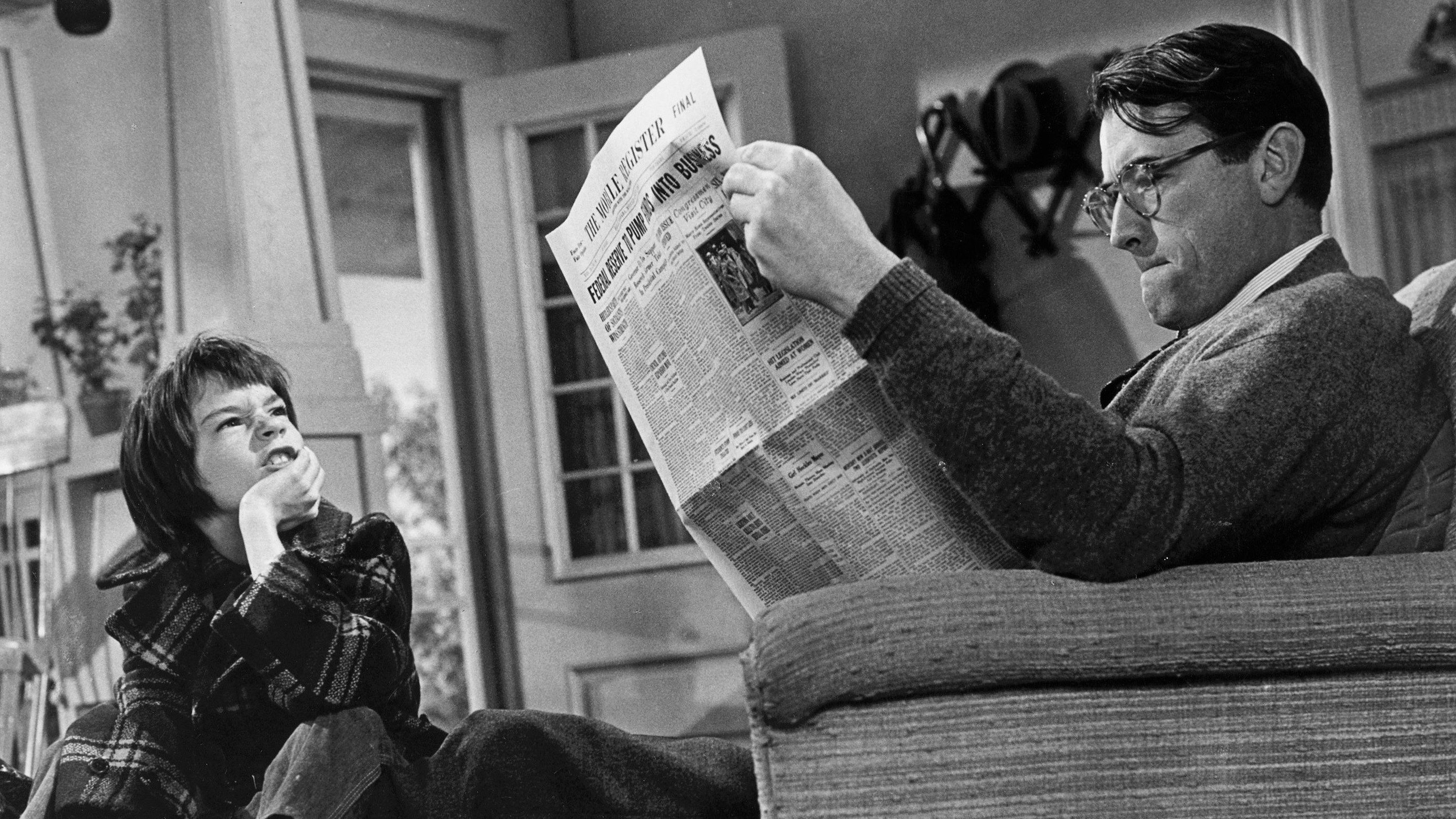
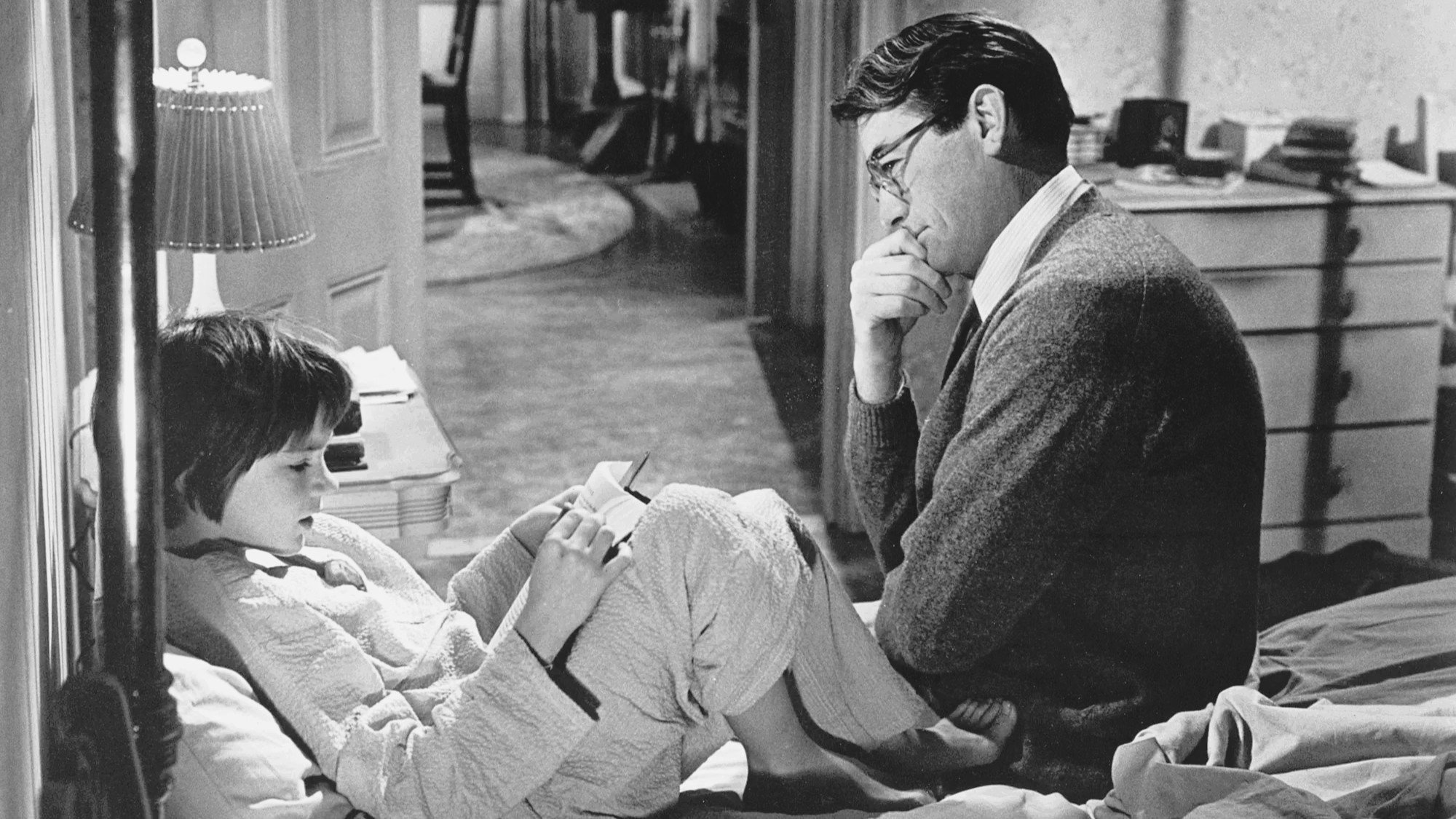
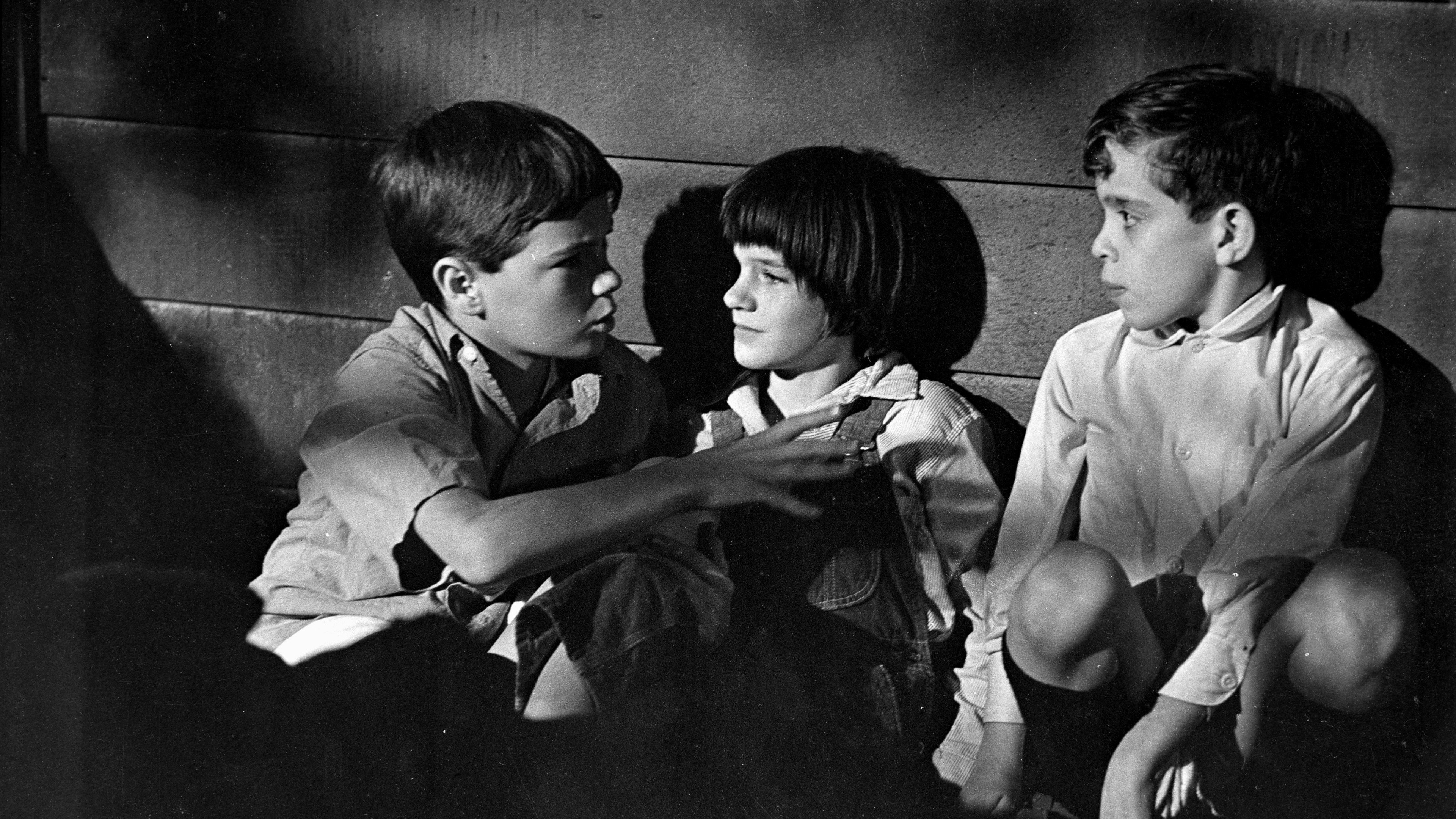
To Kill a Mockingbird works best when it lets children take their time over things adults think they already understand. Robert Mulligan’s adaptation of Harper Lee’s novel is a moving, carefully acted drama, and we recommend it with a reservation about who gets most of its attention. Screenwriter Horton Foote approaches the town’s racial injustice through Scout and Jem, the children of lawyer Atticus Finch. That choice makes their curiosity, their fears and their understanding of their father central to the story.
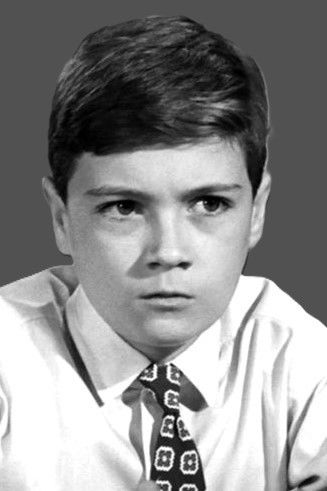
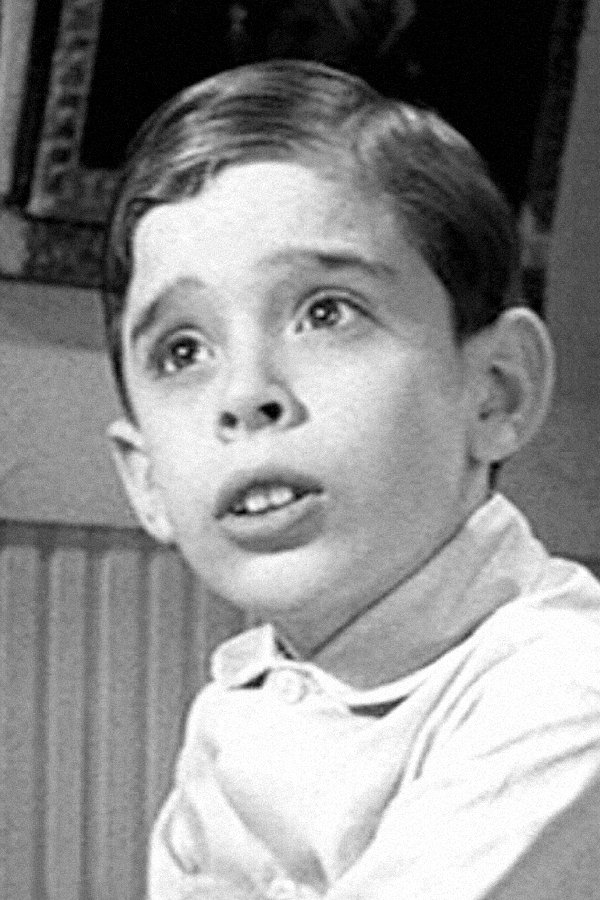
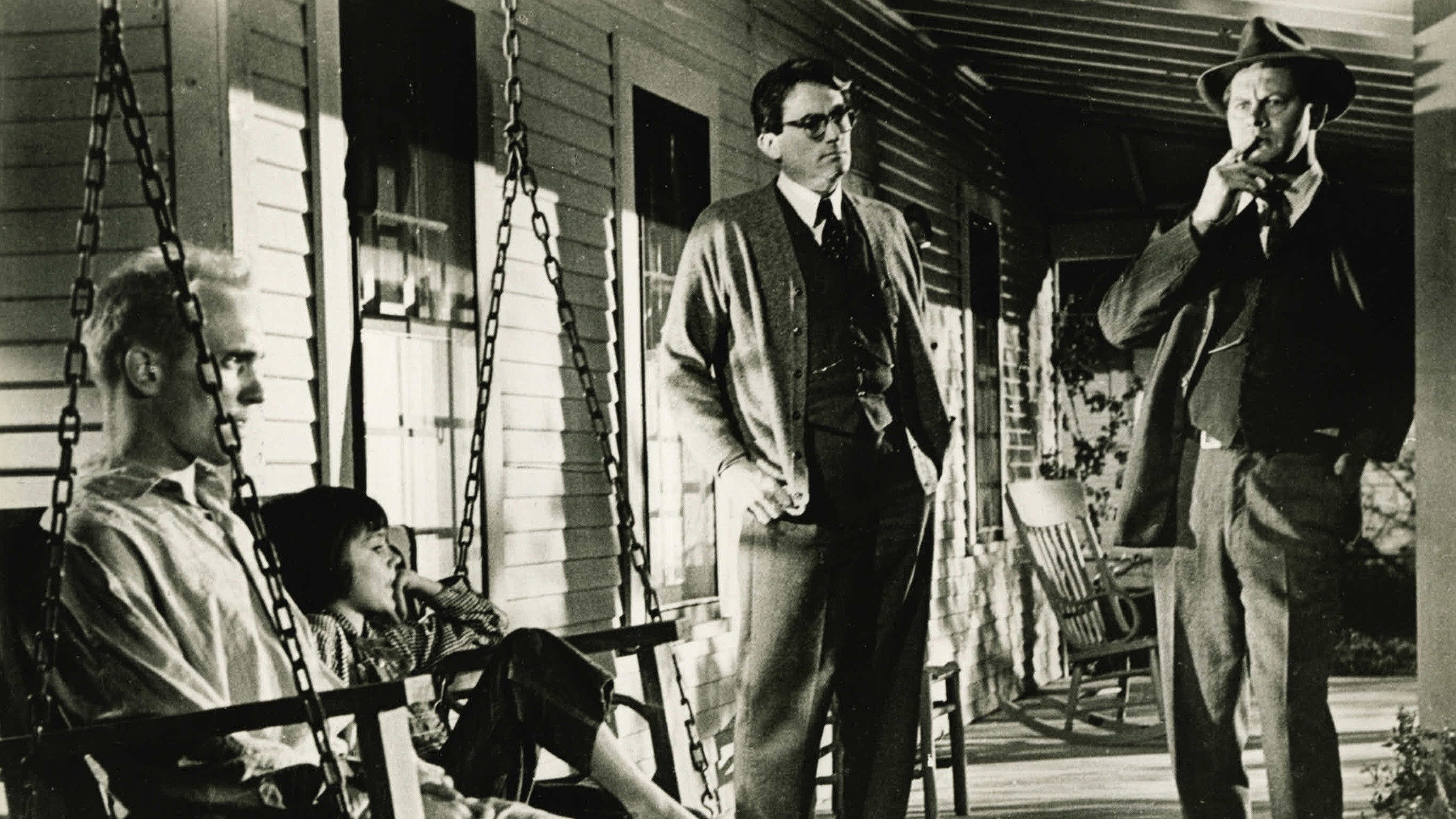
Mary Badham’s Scout gives the film much of its life. Badham and Phillip Alford, as Jem, make childhood seem busy and absorbing, with fears that deserve to be taken seriously even when adults find them foolish. Their interest in Mr Radley’s house matters because Mulligan allows us to recognise the attraction of frightening ourselves. John Megna’s Dill belongs comfortably alongside them, and these stretches let us enjoy the children’s company before the courtroom asks for a different kind of attention.
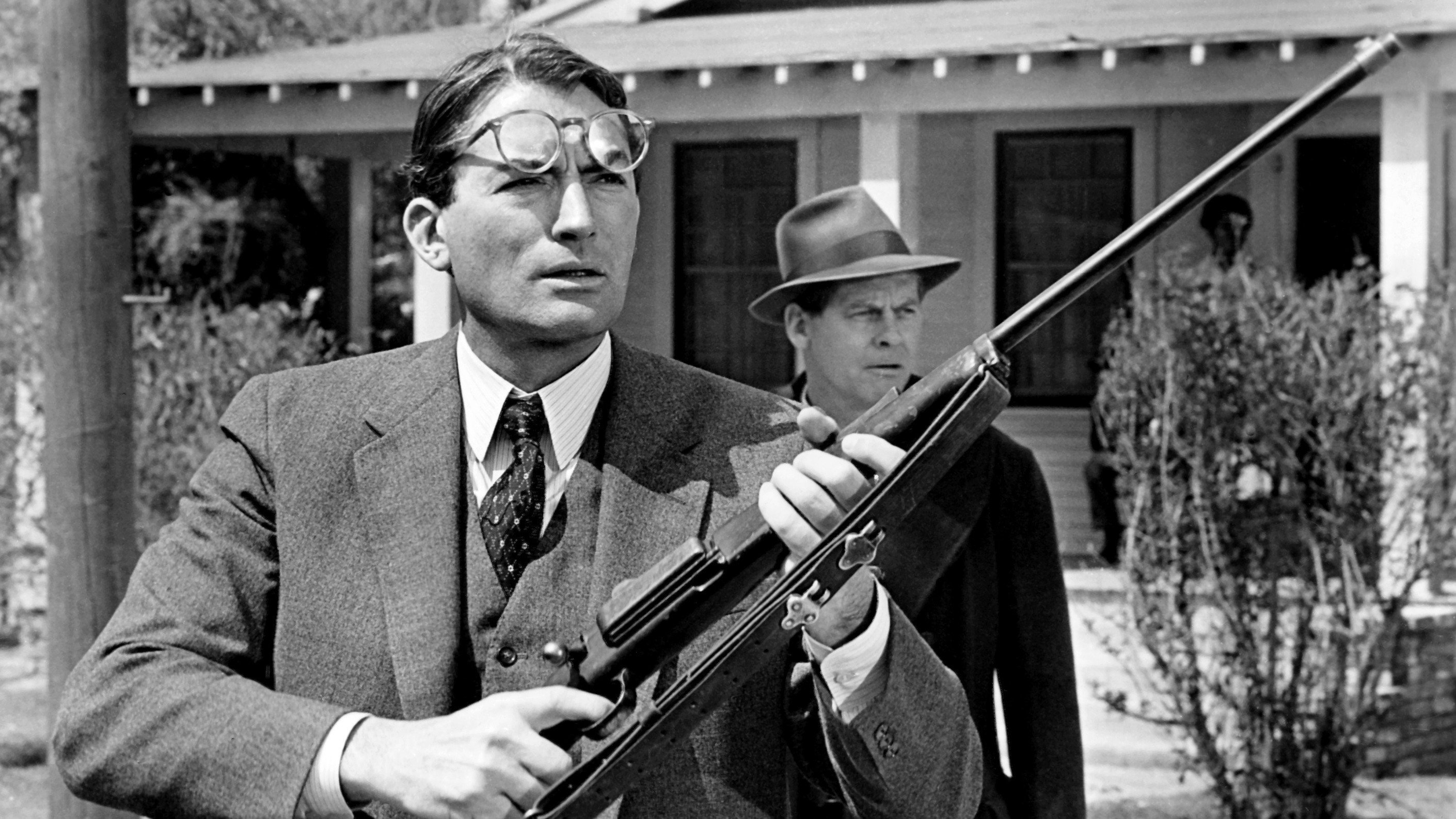
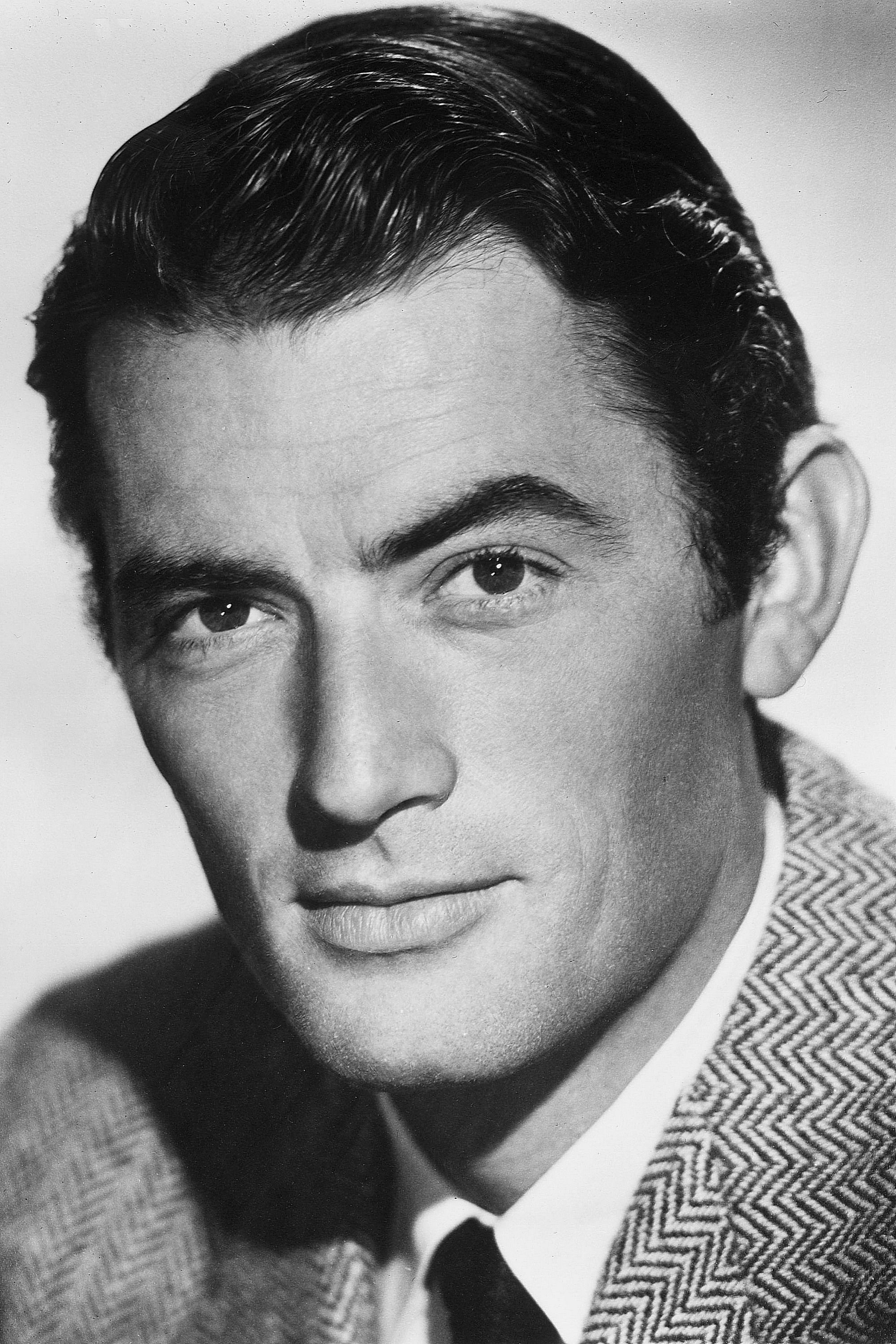
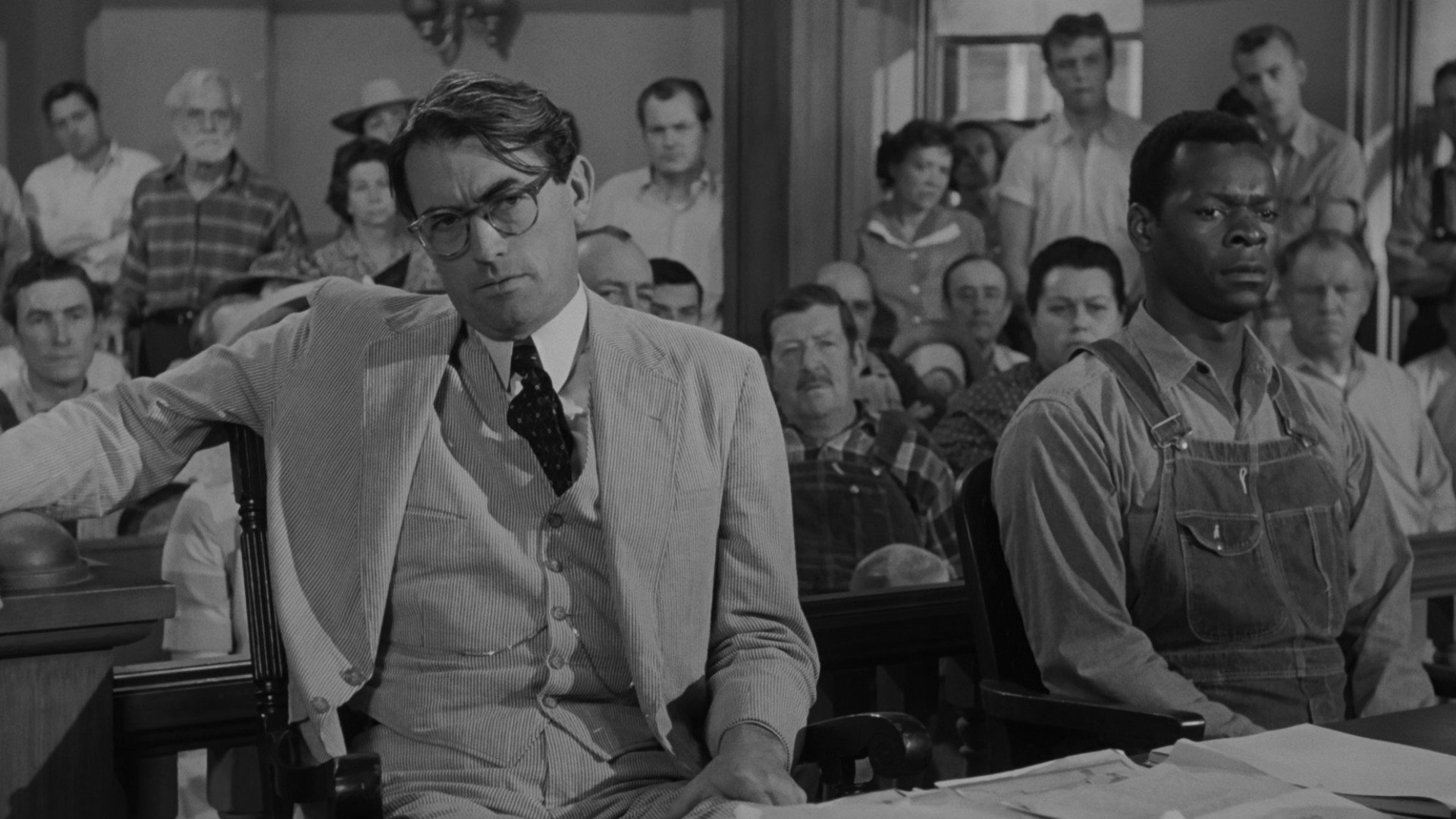
Gregory Peck is essential to that balance, although his Atticus occasionally seems too perfectly equipped for the task. His understatement makes the father’s authority credible; he does not need to insist on being heard. We were moved by his courtroom appeal, because his careful delivery makes the effort of remaining reasonable in the face of racism painfully clear. He holds our attention through the speech without making the performance feel separate from the parent the children know.
Russell Harlan’s photography is especially effective around Mr Radley’s house, where the children’s curiosity gives a domestic setting a threat it might otherwise lack. Harlan makes it easy to share their mixture of fear and fascination. The town’s inviting atmosphere also does useful work, allowing us to understand why a child might feel secure there. That sense of familiarity makes the adult prejudice harder to dismiss as something belonging to a conveniently distant place.
Aaron Stell’s editing gives the children’s concerns enough room to establish a rhythm of their own. The move into courtroom drama consequently feels like an adult demand upon time that previously belonged to them, a shift the film handles with care. Elmer Bernstein’s music supports the tenderness between father and children, although we could sometimes have done with less encouragement to feel it. The performances already make that bond clear.
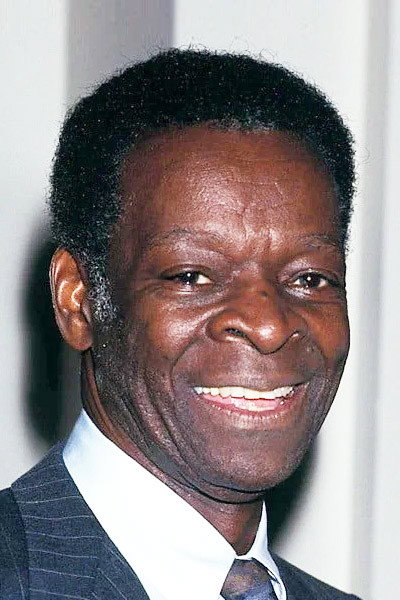
The larger reservation concerns Brock Peters’s Tom Robinson, the black man Atticus defends. Peters gives the role a gravity that deserves more of the film’s attention, and we wanted more room for him beyond the case. Foote’s concentration on Atticus makes racial injustice easiest to grasp through the distress it causes a decent father and his children. We understand why a film built around childhood chooses that route, but it leaves the man most exposed to the town’s prejudice less fully considered. Admiration for Atticus can become too convenient a response to what happens around him.
The courtroom scenes satisfy the basic demands of a legal drama: the speaking matters, and the performances sustain our attention. The more distinctive pleasure is the time spent with Scout and Jem, whose interest in their surroundings need not be important to adults to be worth filming. At 129 minutes, it asks for patience with the children’s concerns; we would not hurry those passages. Give it an unhurried evening, and resist the temptation to let Atticus do all the thinking.