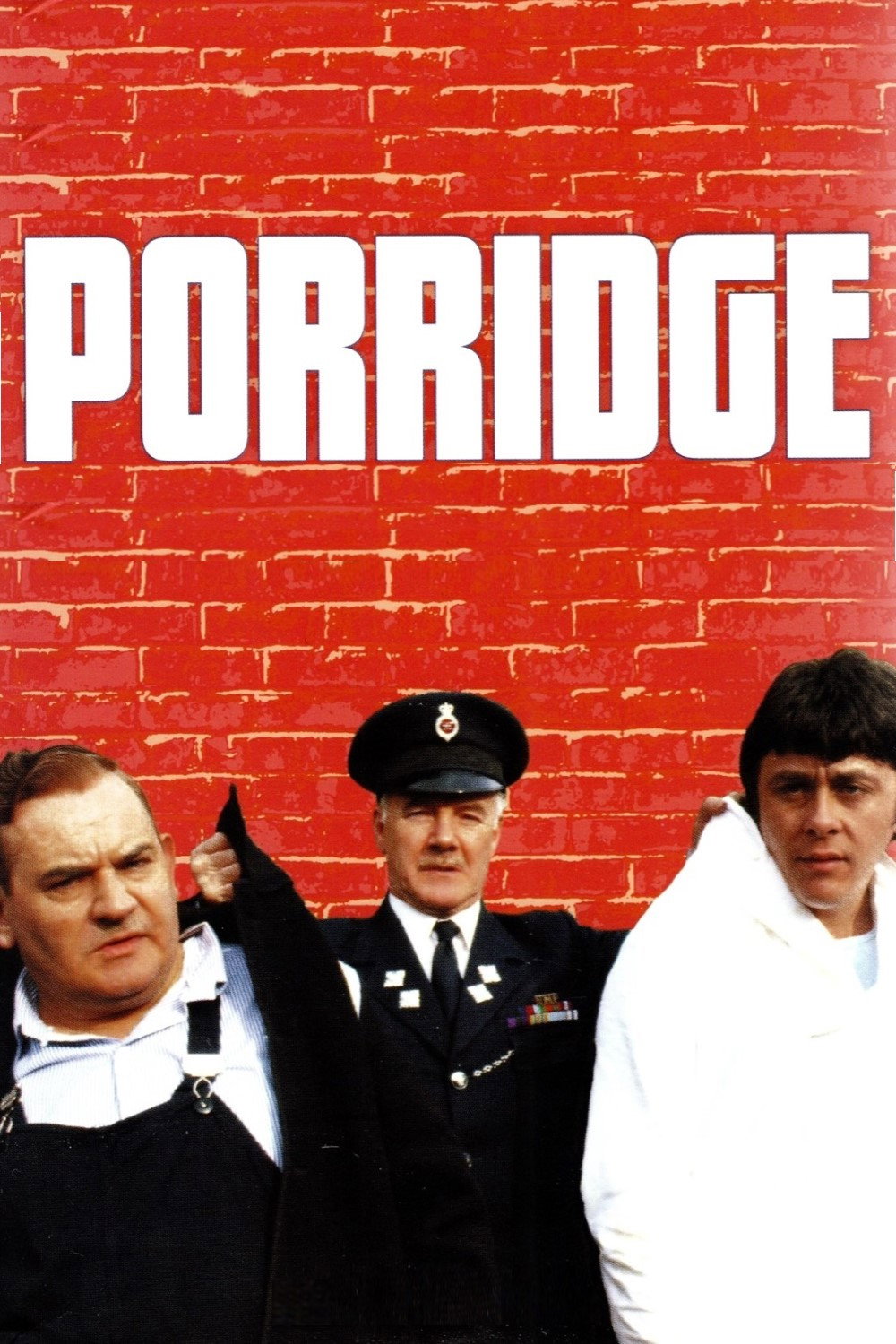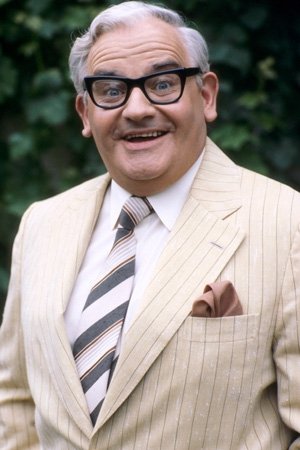
Ronnie Barker can make courtesy sound insolent and a complicated joke sound like ordinary speech. We rate him highest in Porridge, where his timing serves a character worth caring about.
Fi1m perspective
In Porridge (1974), Ronnie Barker makes Norman Stanley Fletcher's politeness towards a warder sound insolent. We laughed hardest at his exchanges with Fulton Mackay, because Barker makes compliance sound like another way of refusing to be put in his place. Mackay will not indulge him, and that resistance gives Barker something to work against. We rate Barker highest here, where each clever answer serves Fletcher's modest ambition to get a little more out of his day.
His verbal dexterity had a broader outlet in The Two Ronnies (1971), his sketch partnership with Ronnie Corbett, which followed their work on The Frost Report (1966). Barker could deliver tangled language with the confidence of someone making a perfectly sensible announcement. He also wrote sketches as Gerald Wiley, so that the material would be judged without his name attached. The spoonerisms and deliberate mispronunciations were part of a skill that also made Fletcher's calculated answers sound natural.
For Porridge, writers Dick Clement and Ian La Frenais give Fletcher intelligence that remains useful inside a prison, and Richard Beckinsale's Lennie Godber gives him a reason to share it. Beckinsale listens with enough uncertainty to make the advice necessary, never making Godber merely slow. Barker lets concern enter those explanations without asking us to congratulate Fletcher on his kindness. The exchanges with the warders can grow predictable, but this friendship keeps the series worth returning to.
Sydney Lotterby's direction understands how much Barker can do before and after the line itself. Editors including John Dunstan and Howard Dell allow a look to register instead of rushing on to the next joke. There is room to notice Fletcher's confidence, and to enjoy the possibility that somebody might puncture it. Barker benefits from this patience; there is no need to underline what his delivery has already made clear.
Open All Hours (1976) gave him another durable character in the miserly shopkeeper Arkwright. The more exaggerated comedy of The Magnificent Evans (1984) was less successful. That is the caveat with Barker: precise delivery alone cannot make an elaborate comic character worth watching week after week. Start with Porridge, and give Beckinsale's listening as much attention as Barker's lines.
Biography
Ronnie Barker was an English actor, comedian and writer. Born Ronald William George Barker on 25 September 1929 in Bedfordshire, he died on 3 October 2005. He began acting in Oxford amateur dramatics while working as a bank clerk, having left higher education after a short period studying architecture. He moved into repertory theatre, including work at the Oxford Playhouse, before entering radio and television.
Barker was best known for his television roles as Norman Stanley Fletcher in the BBC sitcom Porridge (1974–1977) and its sequel Going Straight (1978), and as shopkeeper Albert Arkwright in Open All Hours (1976–1985). He also starred in the sketch show The Two Ronnies (1971–1987) with Ronnie Corbett. He used writing pseudonyms including Gerald Wiley.
His film appearances included Friar Tuck in Robin and Marian (1976). Barker received several BAFTA awards for his performances and retired from regular television work in the late 1980s.