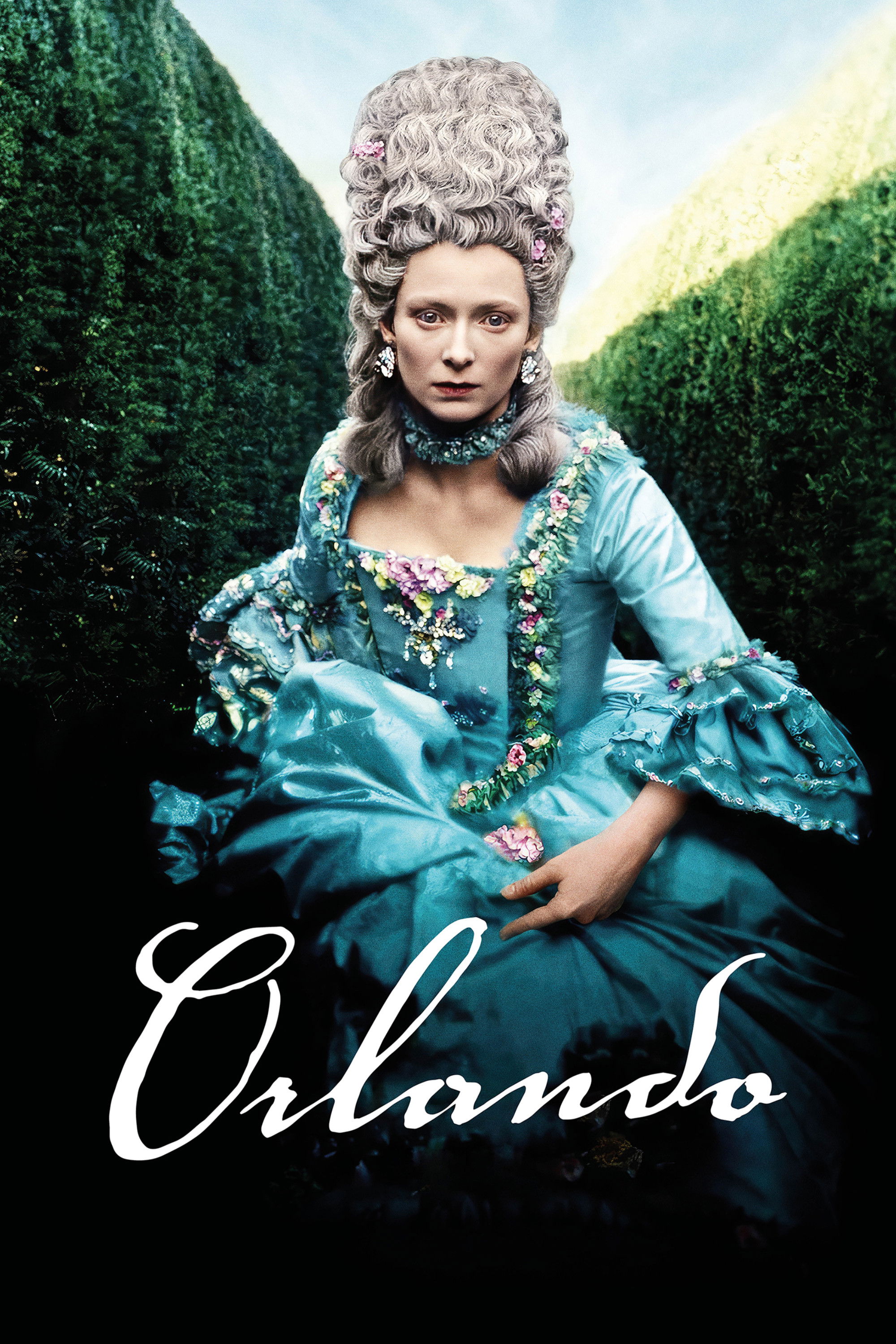
Sally Potter is at her most persuasive when she lets actors make serious ideas funny. We recommend Orlando for its wit and watchful faces, though its questions about identity sometimes need more work.
Fi1m perspective
Quentin Crisp’s Queen Elizabeth takes royal authority so seriously in Orlando (1992) that it begins to look ridiculous. We laughed at that solemnity, because Potter trusts the casting and lets Crisp play the importance without straining for a joke. This is where her curiosity about sex and status becomes most inviting: in the behaviour of people who think their position needs no explanation. The comedy gives us a way into questions that could otherwise make for a dutiful evening.
Potter came to features through experimental film, performance and dance, making the short Thriller (1979) before her debut feature, The Gold Diggers (1983). Orlando, adapted from Virginia Woolf’s novel, brought her an international audience without ending her interest in trying different ways to tell a story. In The Tango Lesson (1997), she appeared on screen in a semi-autobiographical film about dance and collaboration; Yes (2004) put its dialogue in iambic pentameter. The later The Party (2017) concentrated on a single-location ensemble comedy.
That background in choreography helps explain her attention to movement and music. She composes for her films and has worked repeatedly with composer Fred Frith and editor Hervé Schneid; music is meant to take an active part alongside the images. In Orlando, Alexey Rodionov’s cinematography keeps Tilda Swinton’s face readable through the changing visual styles. The sets by Stanislav Romanovsky, Ben van Os and Jan Roelfs establish the periods clearly, while Dien van Straalen and Sandy Powell’s costumes show how clothes prescribe behaviour.
Swinton supplies the emotional involvement that Potter’s screenplay does not always earn. Her watchfulness lets us follow Orlando’s uncertainty about other people, and she takes desire seriously enough for us to care about it. There are stretches when the film repeats its questions about identity, leaving its central actor to keep us interested. Potter has found a way of making this literary fantasy inviting, but we still wish she had pursued the feelings her lead performance suggests. Start with Orlando, and be prepared to stay with Swinton when the storytelling falters.
Biography
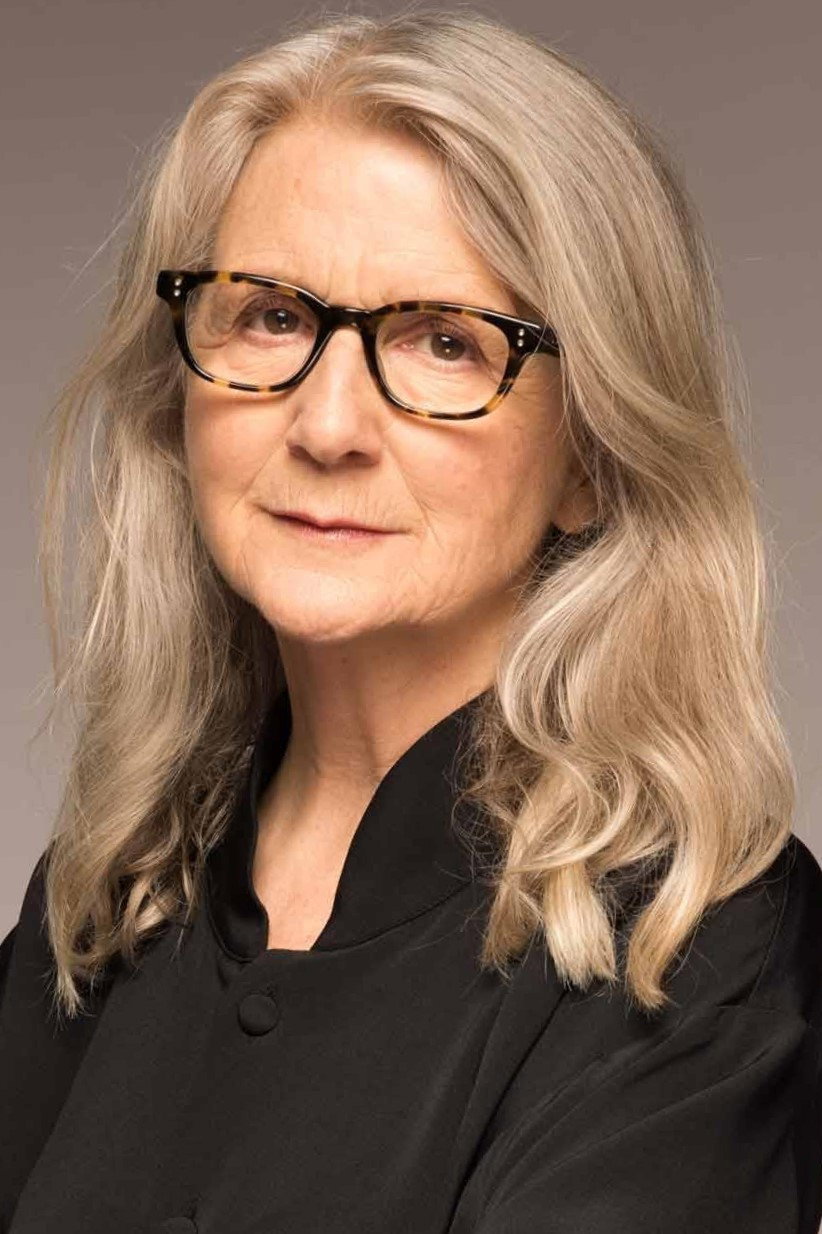
Charlotte Sally Potter OBE (born 19 September 1949) is an English film director and screenwriter. She trained at the London Contemporary Dance School and began her career with experimental short films and performance work before making her feature debut with The Gold Diggers (1983).
Potter achieved international recognition with Orlando (1992), which she directed, wrote and scored. The film, starring Tilda Swinton, won the audience prize at the Venice Film Festival. Subsequent features include The Tango Lesson (1997), The Man Who Cried (2000), Yes (2004), Ginger & Rosa (2012), The Party (2017) and The Roads Not Taken (2020). She co-founded production company Adventure Pictures and was appointed OBE in 2012 for services to film.