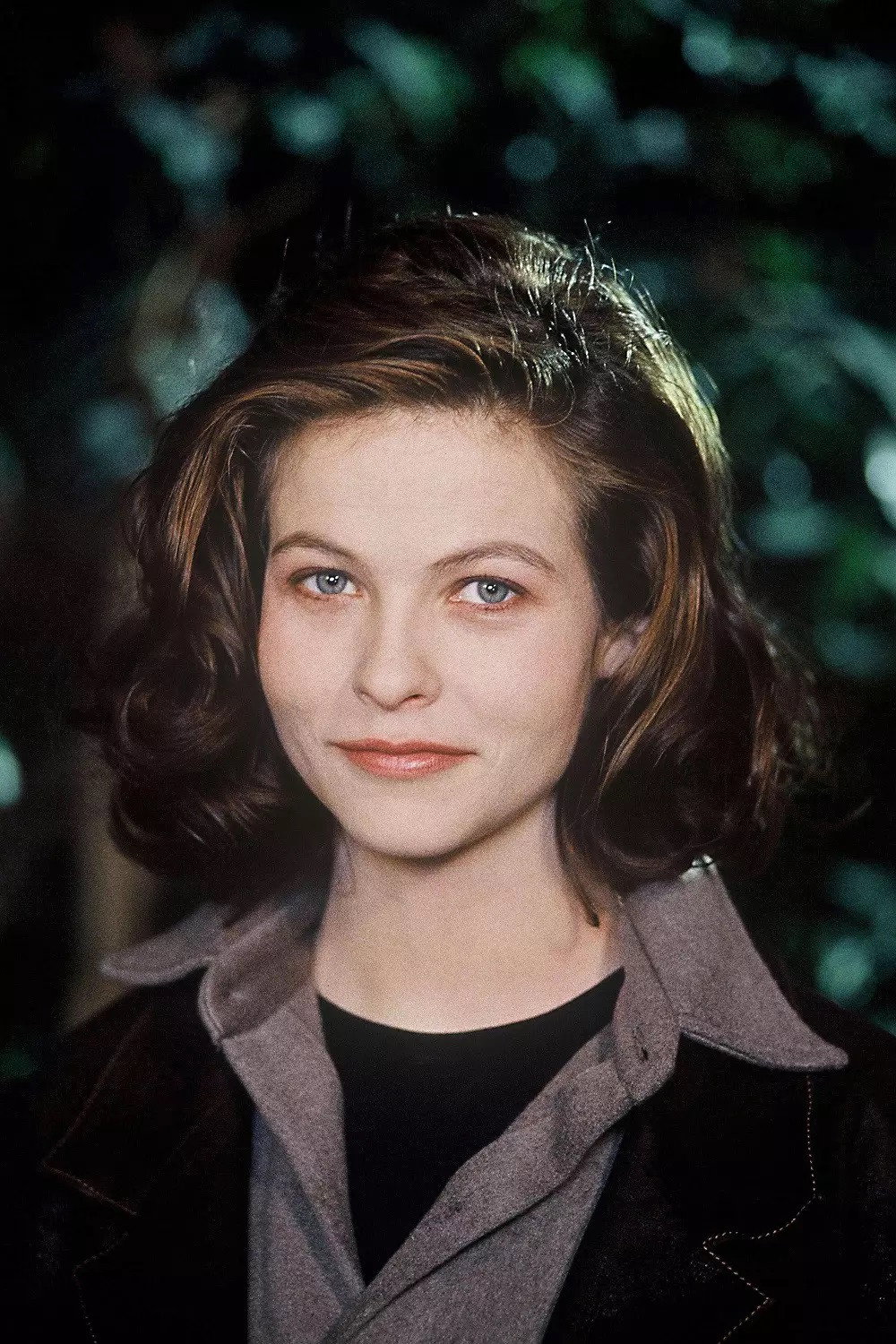
Tilda Swinton makes Sally Potter’s literary fantasy funny and unexpectedly touching. The clothes, faces and changing centuries reward attention, though the film sometimes repeats its questions about identity when it ought to be taking them further.
Sally Potter’s Orlando is worth an evening for Tilda Swinton and the pleasure of a costume drama that notices how absurd its people can be. Potter adapts Virginia Woolf’s novel as a fantasy in which one life stretches across centuries of English history. She is interested in the rules people mistake for permanent truths, particularly those concerning sex, status and desire. The result is funny and inviting, although its thoughts about identity do not always develop as far as its changing appearance promises.
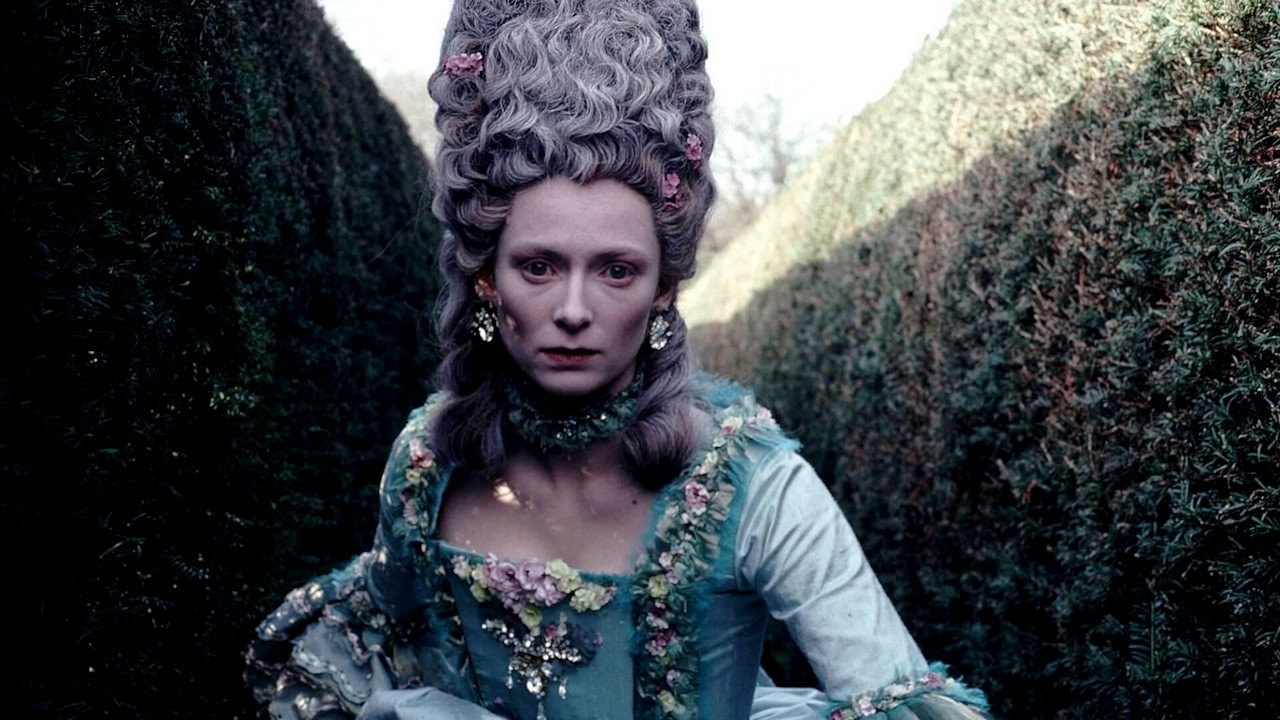
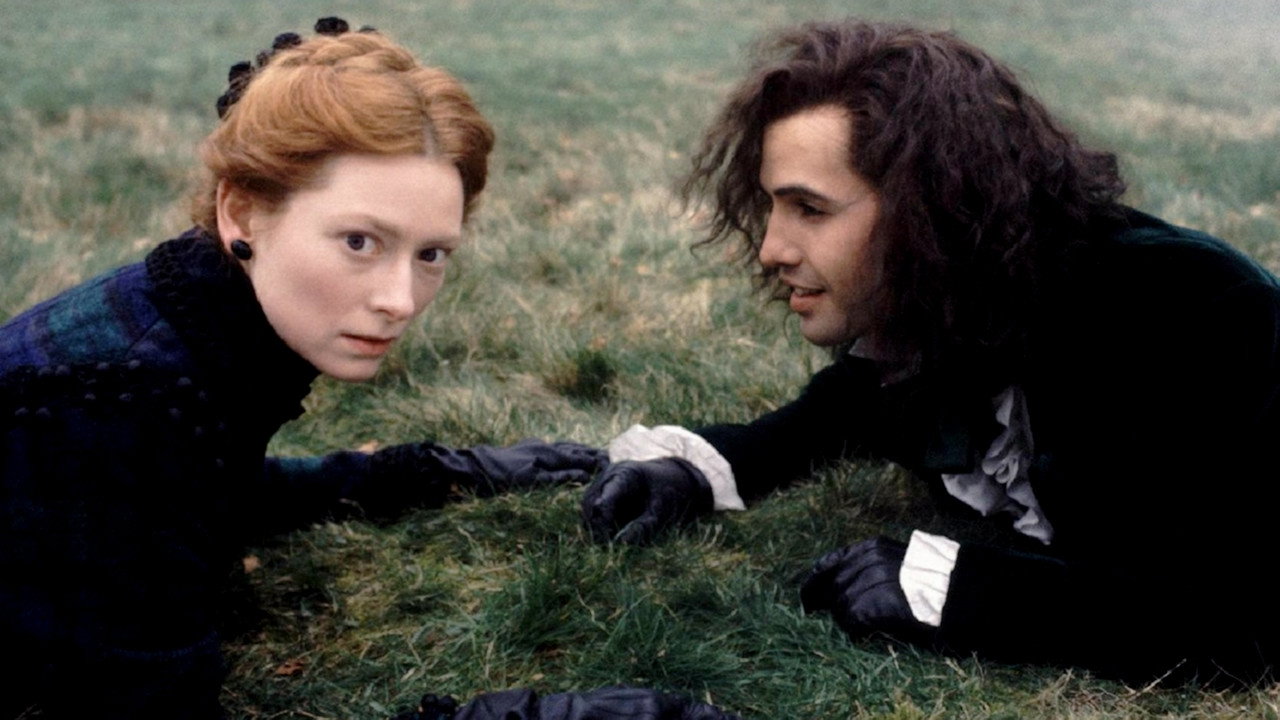
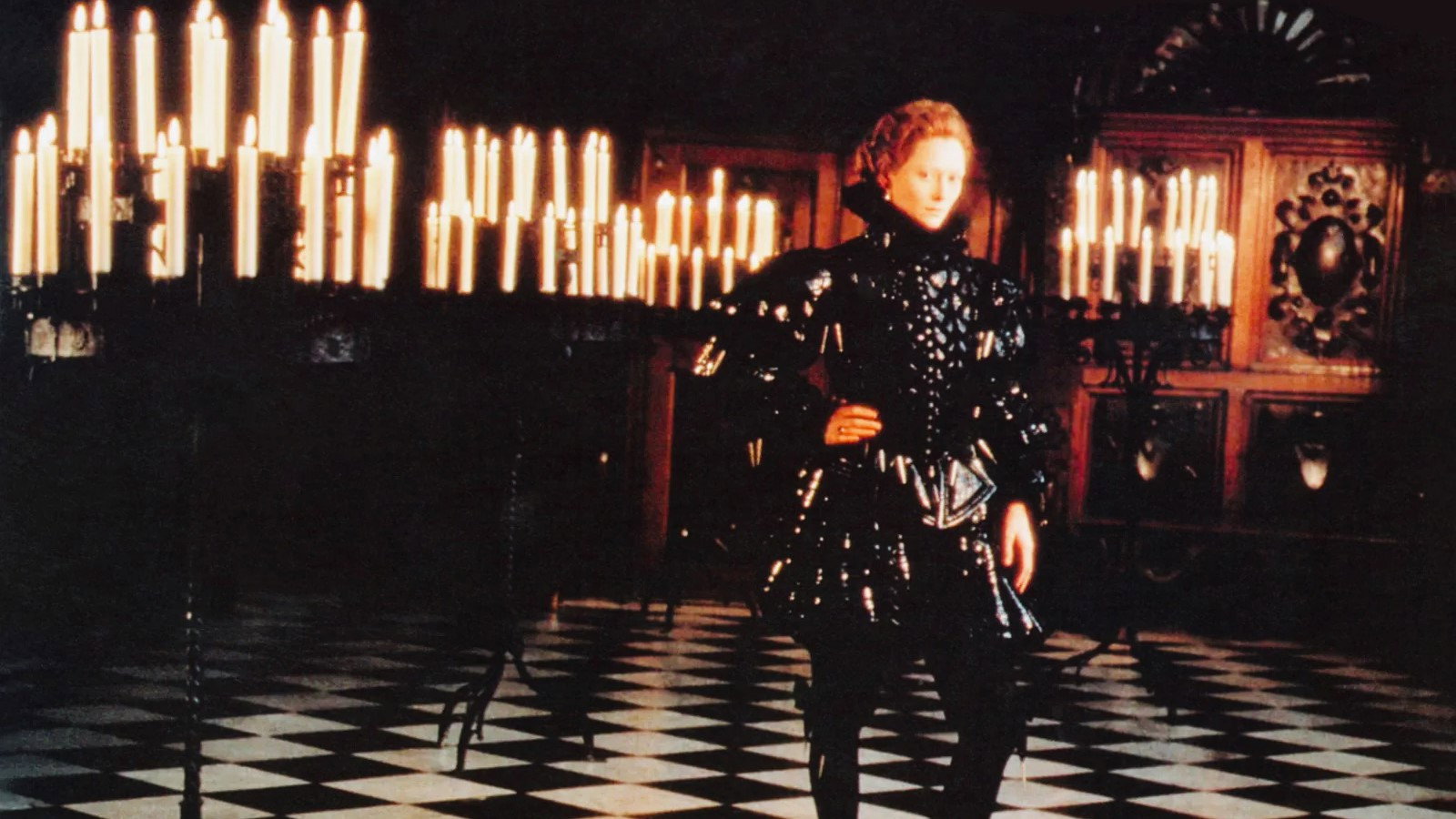
Swinton gives Orlando enough inward life to keep us interested when the storytelling falters. Her watchfulness makes the character’s uncertainty about other people readable without requiring much explanation. She takes desire seriously, and that helps the film find some feeling beneath its elaborate clothes. There are stretches when Potter seems content to let the central performance do work the screenplay has neglected. Swinton can carry those stretches, but they leave us wishing for more of the emotional involvement she makes possible.
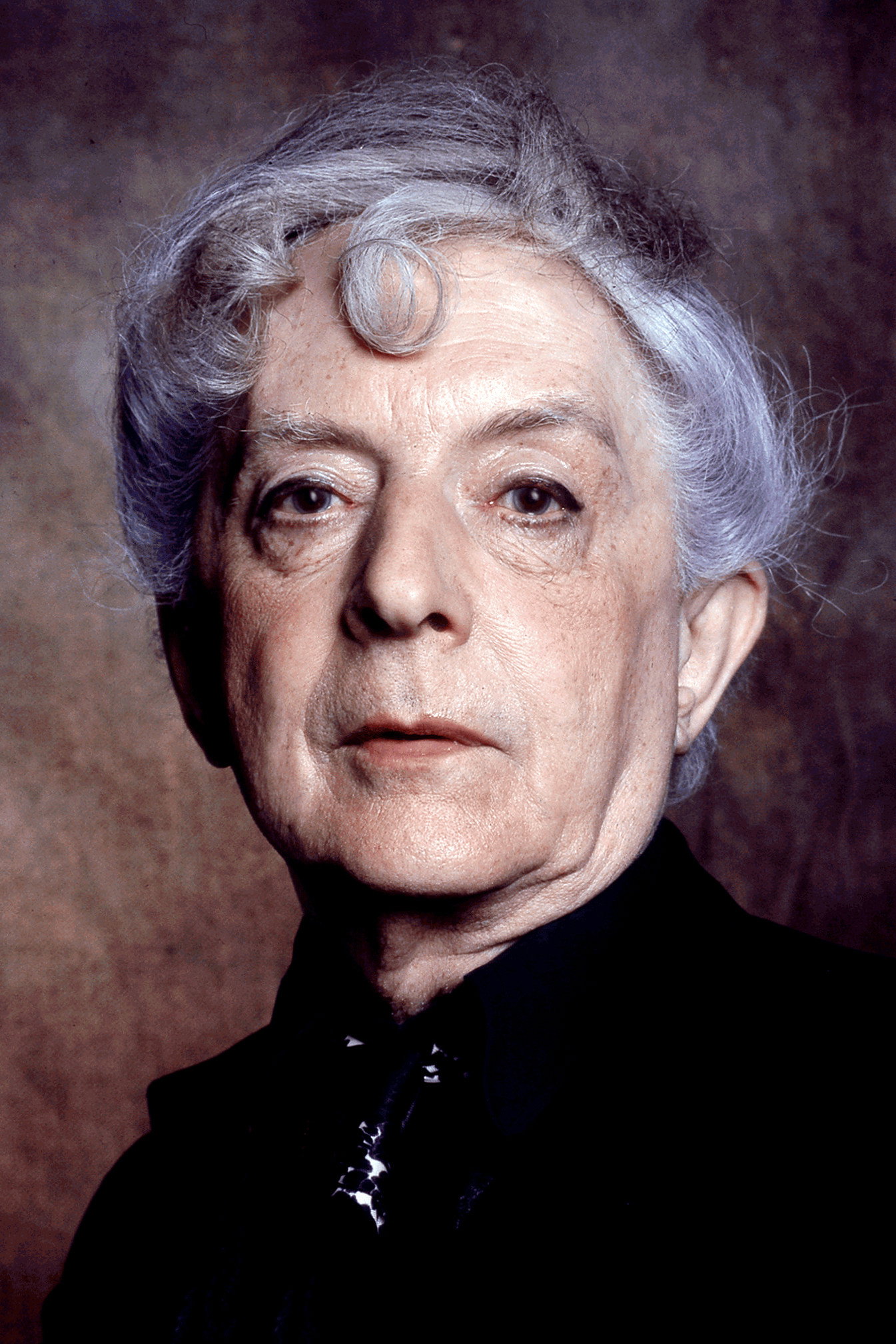
Potter is on firmer ground when teasing people who are sure of their own importance. We laughed at the solemnity of Quentin Crisp’s Queen Elizabeth, because the performance treats royal authority with a seriousness that makes it look faintly ridiculous. Crisp does not need to strain for the joke, and Potter has the sense to trust the casting. Costume dramas often make rank and etiquette seem like subjects requiring respectful study; the humour here lets us notice how peculiar the accepted behaviour is.
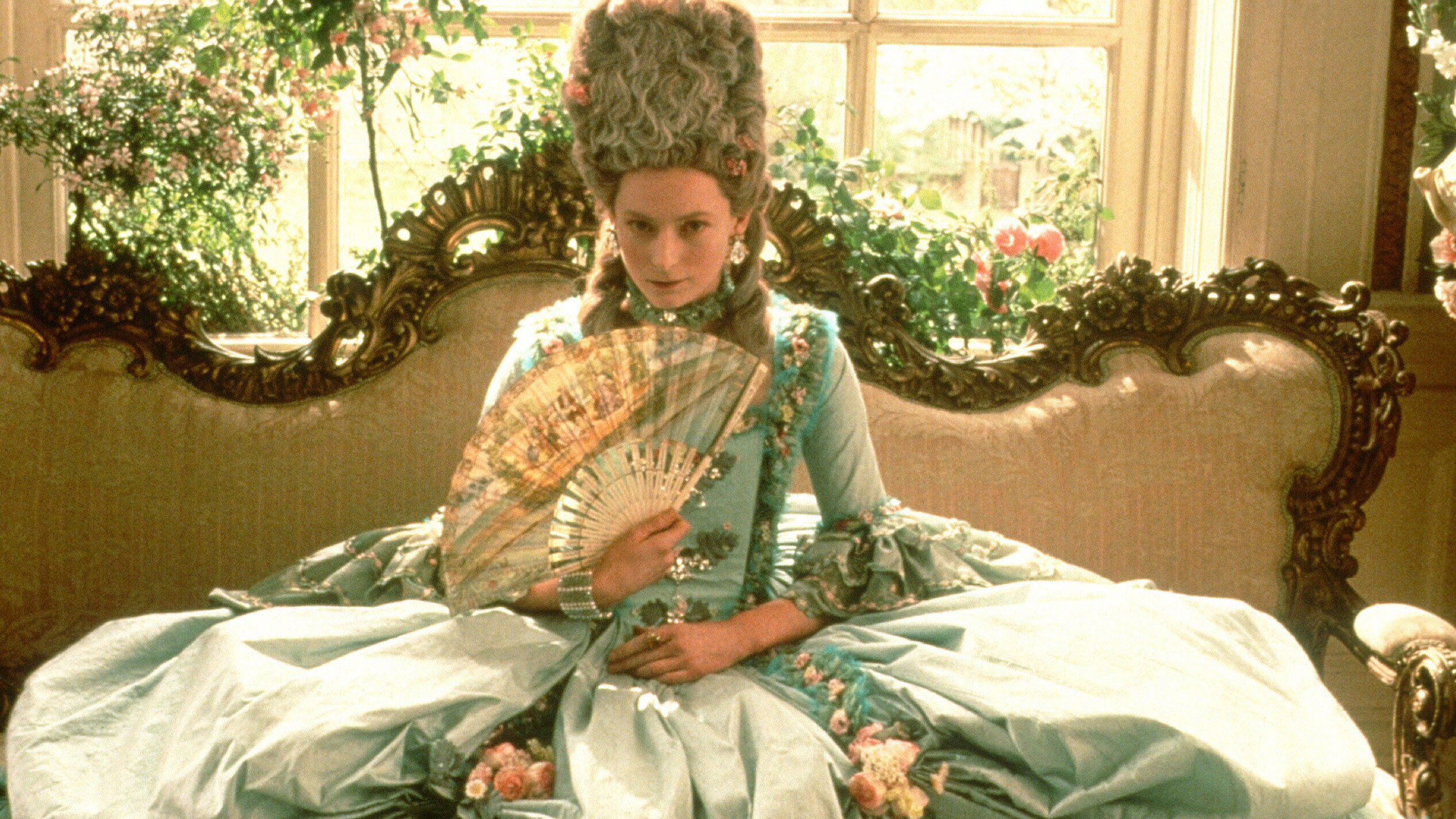
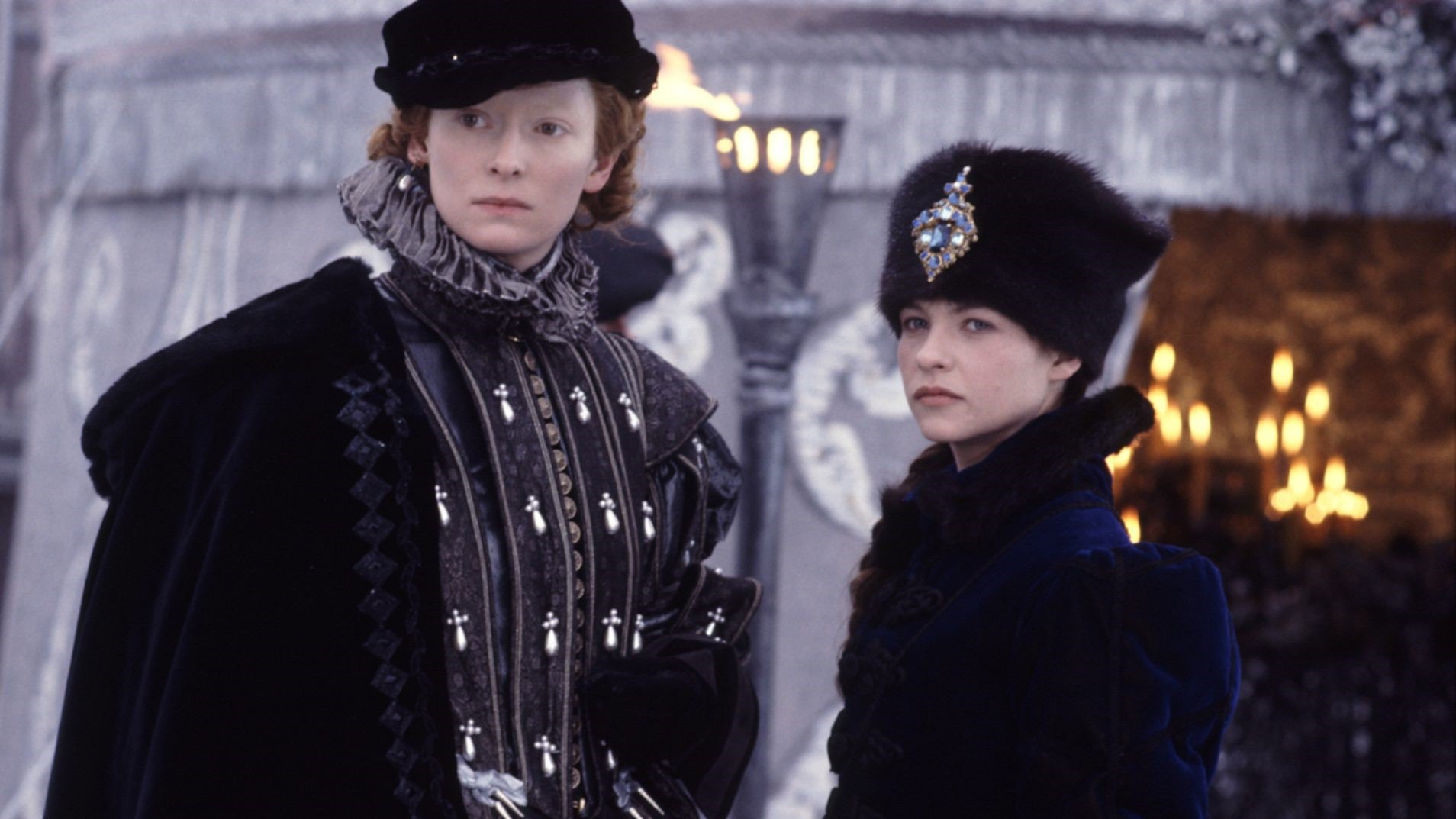
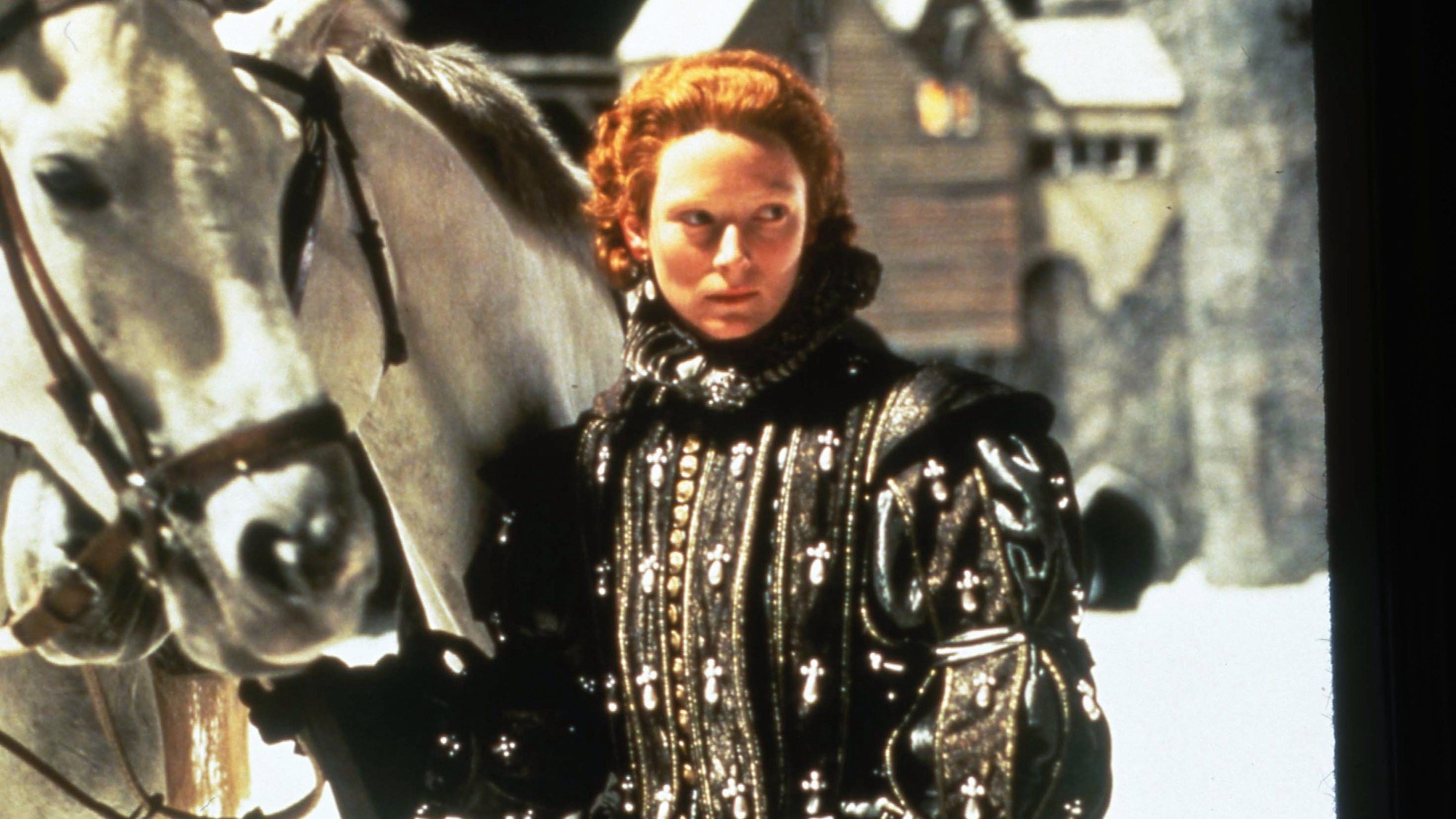
Alexey Rodionov’s cinematography keeps Swinton’s face worth studying amid the changes of visual style. His images give the clothes and settings their due without allowing Orlando to disappear among them. The sets by Stanislav Romanovsky, Ben van Os and Jan Roelfs make the different periods readable, with a degree of elaboration that suits Potter’s fanciful approach. Costume designers Dien van Straalen and Sandy Powell make clothes tell us how a person is expected to behave. We can enjoy looking at the clothes while also noticing how much authority people derive from wearing them.
Hervé Schneid’s editing helps the film cover its long span in 94 minutes, though the brevity sometimes works against it. A change of period can arrive before we have become properly involved in the one being left behind. The music by David Motion and Potter helps these shifts feel playful, and the score is enjoyable company even when the drama feels underdeveloped. Nothing about the film suggests that fantasy needs to be solemn to deserve attention. What it occasionally needs is more time spent on the feelings underneath the display.
The larger weakness is Potter’s tendency to rest once a social rule has been shown to be arbitrary. Showing that ideas about identity change with history is interesting, but returning to that observation does not automatically make it more searching. Some passages repeat a point we have already understood, and the film’s lightness starts to feel like a way of avoiding harder questions. This is a limitation rather than a reason to dismiss a film with so much humour and care in it. Choose it when a curious literary fantasy appeals more than a firmly driven plot.