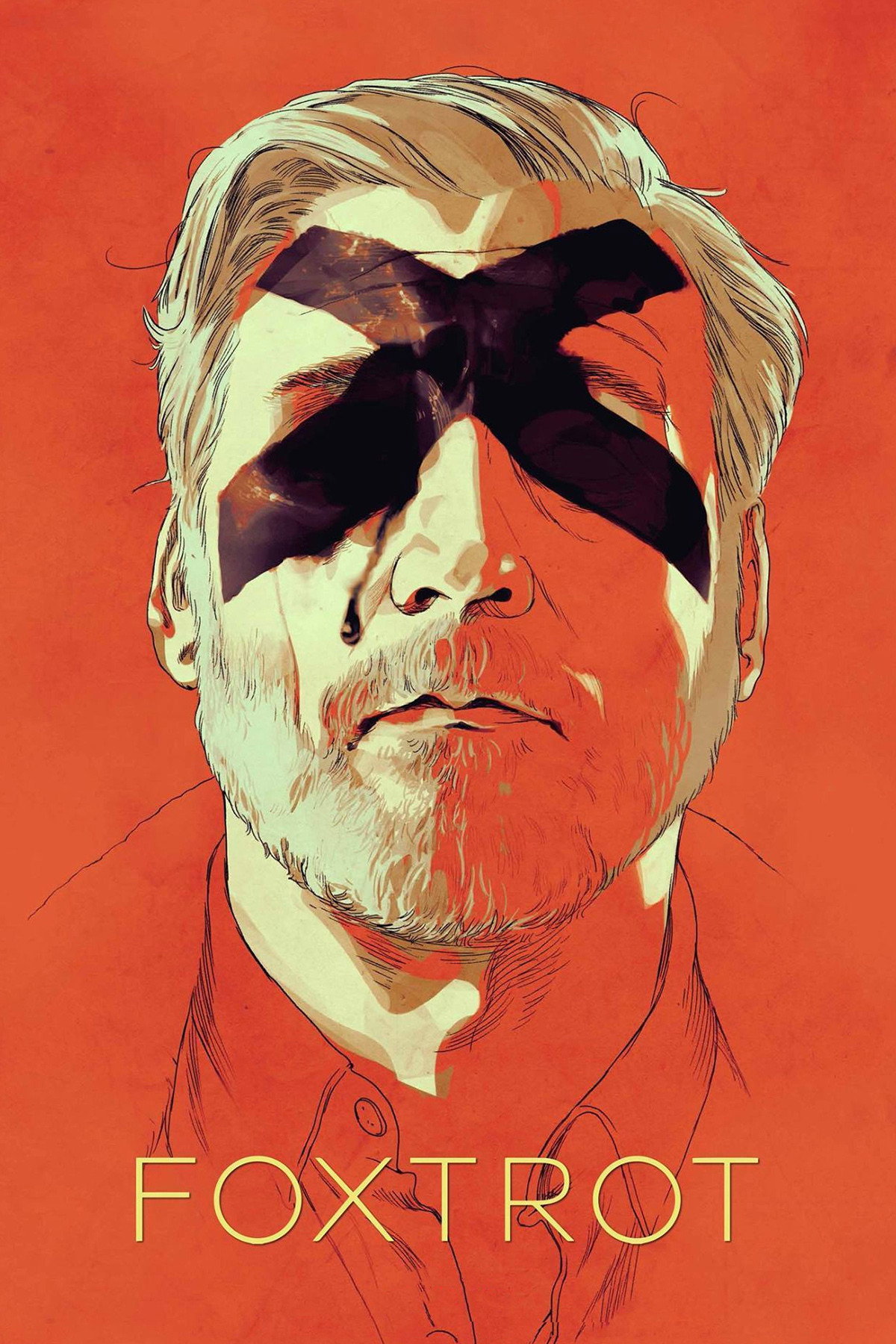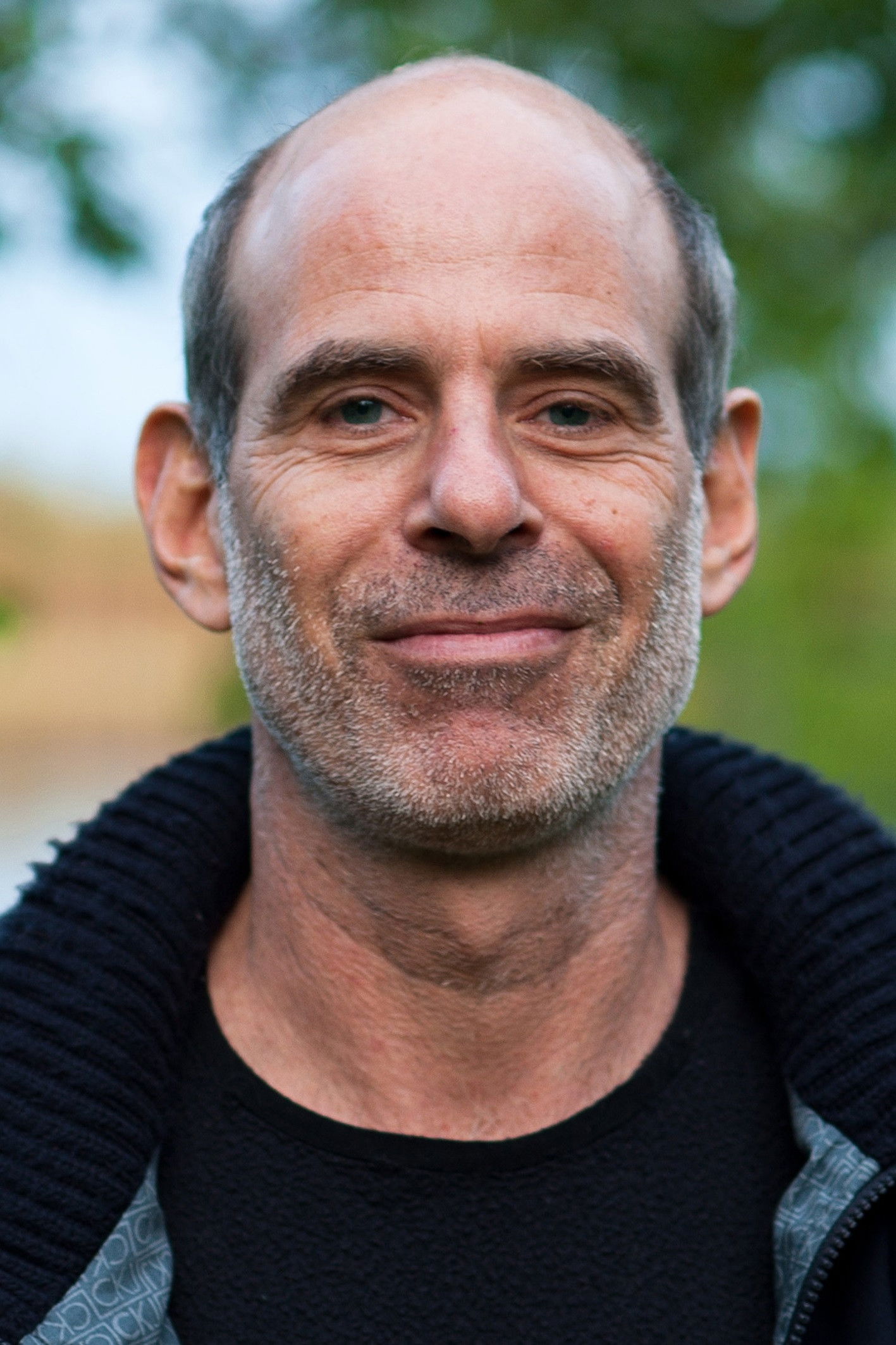
Samuel Maoz has made two features, both about what soldiering does to the men who do it and the families who wait, and both built with rare control. His one fault is that he sometimes stops trusting us to have understood.
Fi1m perspective
A young officer sets an alarm on a father's phone so that he remembers to drink a glass of water every hour. That is how the army in Foxtrot (2017) handles grief, and it is how Samuel Maoz handles it too: by procedure, in silence, with the camera held on Lior Ashkenazi's face for longer than most directors would dare. There is no music for that whole first half hour. The flat is shot from directly overhead, so a man crossing his own kitchen looks like a piece being moved on a board. Maoz sets the idea up once and then leaves it alone.
He came to directing late and by an odd road. He was a tank gunner in the 1982 Lebanon War, trained as a cameraman at Beit Zvi afterwards, and spent years in art direction and television before his first feature, Lebanon (2009), which puts a tank crew through that same war almost entirely from inside the vehicle. Eight years later came Foxtrot, which brings the war home and splits the story into three chapters: the parents, the son and the other boys raising a barrier for passing cars, the parents again. He has said he is planning a third film to finish a trilogy on war and what comes after it. That is the whole filmography, and both films are plainly about the same thing.
What he does well is confine. Giora Bejach, who has shot both films, keeps the Feldmanns' large, expensive flat cold and geometric and the roadside barrier wet and dark, and Maoz keeps us in one place for as long as each chapter lasts. The barrier chapter is the one that horrified us. Cars pull up, papers are handed over, a couple in evening clothes are made to stand in the rain while their boot is emptied, and the boys with the rifles are bored. Nothing is shouted. Maoz has said he wanted to expose war "naked, without all the heroic stuff", and here that means an evening the soldiers will not remember and the people in the car never will forget.
What he does less well is let go. The title of Foxtrot names a dance that ends where it started, and the last stretch of the film insists on that more than it needs to; having spent two chapters trusting us to watch, Maoz spends the third making sure we have kept up. Sarah Adler, awake at last on the kitchen floor with Ashkenazi, sharing a joint and being reasonable in a voice that could break at any second, is the best thing in the film, and those ten minutes are as plain and sad as anything he has made. Then the mechanism shows. It is a small fault in a film we rate highly, and it is the fault a controlled director tends to have: he cannot quite bear to leave a loose end.
Whether the third film ends where it began is the thing we most want to know about it. On the evidence of two features it will be worth the wait, however long he takes.
Biography
Samuel Maoz is an Israeli film director and screenwriter. His debut feature Lebanon (2009) won the Golden Lion at the Venice International Film Festival. His second feature, Foxtrot (2017), for which he also wrote the screenplay, won the Grand Jury Prize (Silver Lion) at Venice.
Maoz was born in Israel in 1962. He served as a tank gunner during the 1982 Lebanon War. After the war he trained as a cameraman at the Beit Zvi School for the Performing Arts and worked in art direction for film and television before making his first feature.