Samuel Maoz’s second film gives a soldier’s parents the worst news, then spends two chapters showing how such news gets made. It is exact, strange and often funny, and a final turn ties the knot tighter than it needed to be.
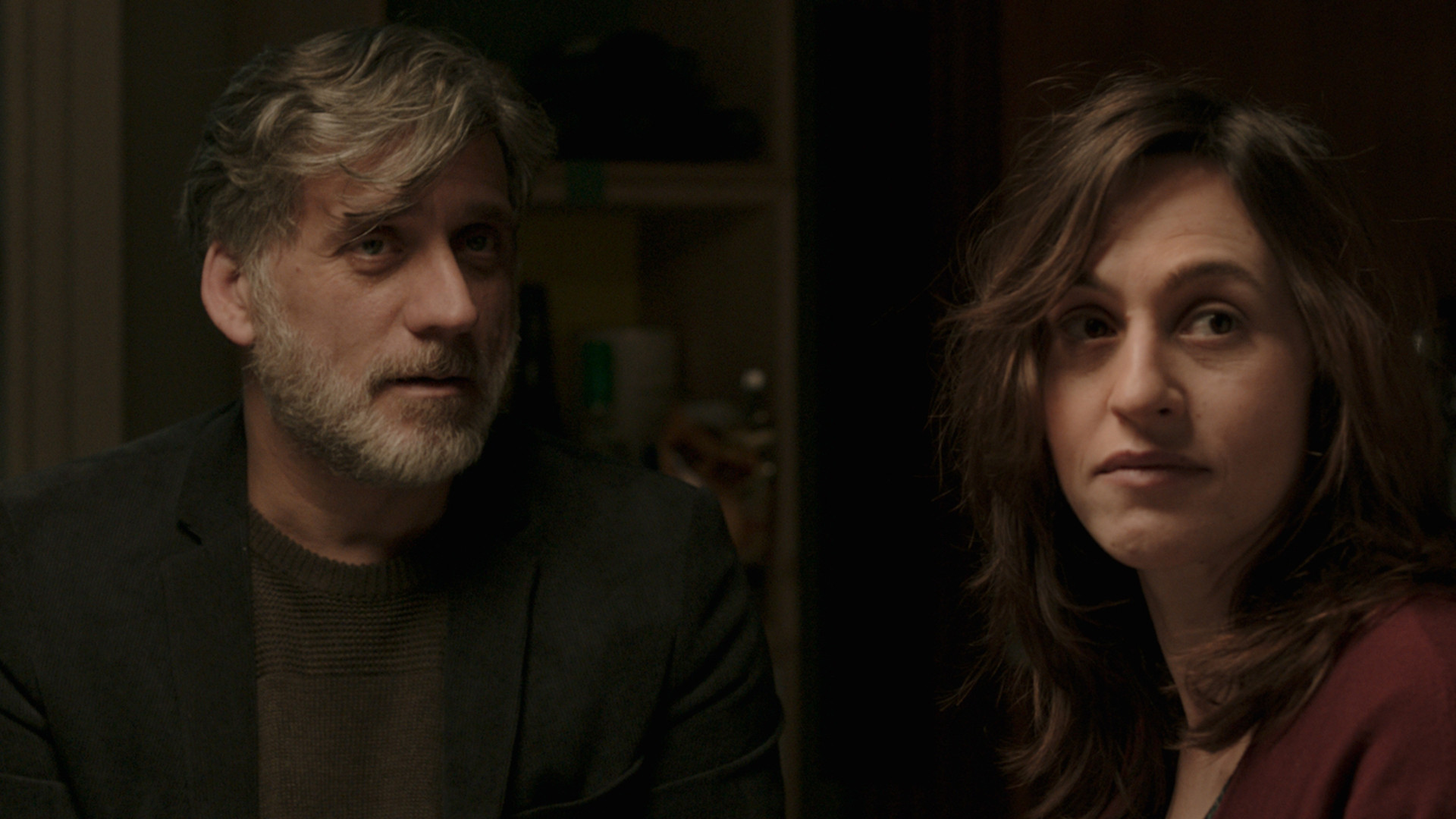
Two soldiers ring the bell, and Daphna Feldmann (Sarah Adler) has understood before either of them has opened his mouth. She goes down in the doorway. Her husband Michael (Lior Ashkenazi) stays on his feet and is told that their son Jonathan has fallen in the line of duty. Then the army’s procedure takes over: a sedative for the wife, a rabbi to talk about the funeral, and a young officer who sets an alarm on Michael’s phone so that he remembers to drink a glass of water every hour. Samuel Maoz, who wrote and directed, plays this without music and hardly takes the camera off Ashkenazi’s face. It is the most controlled half hour of the film.
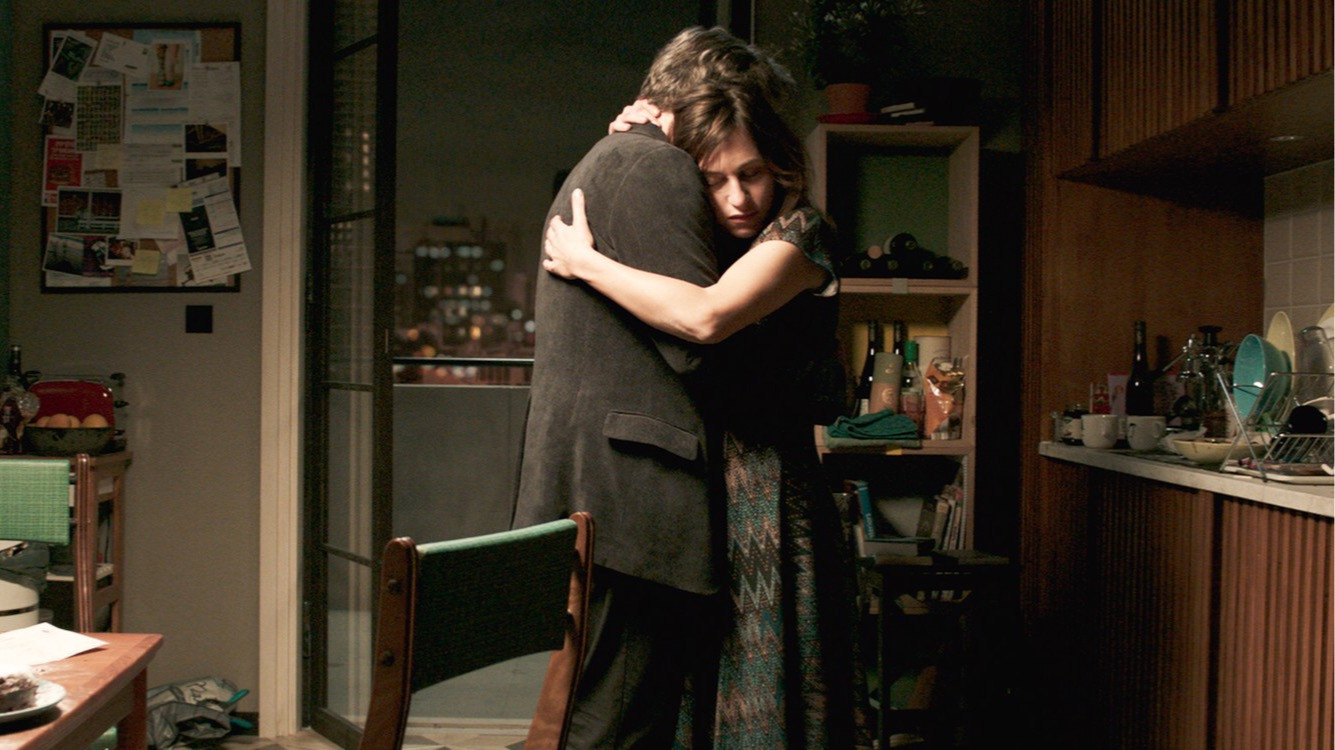
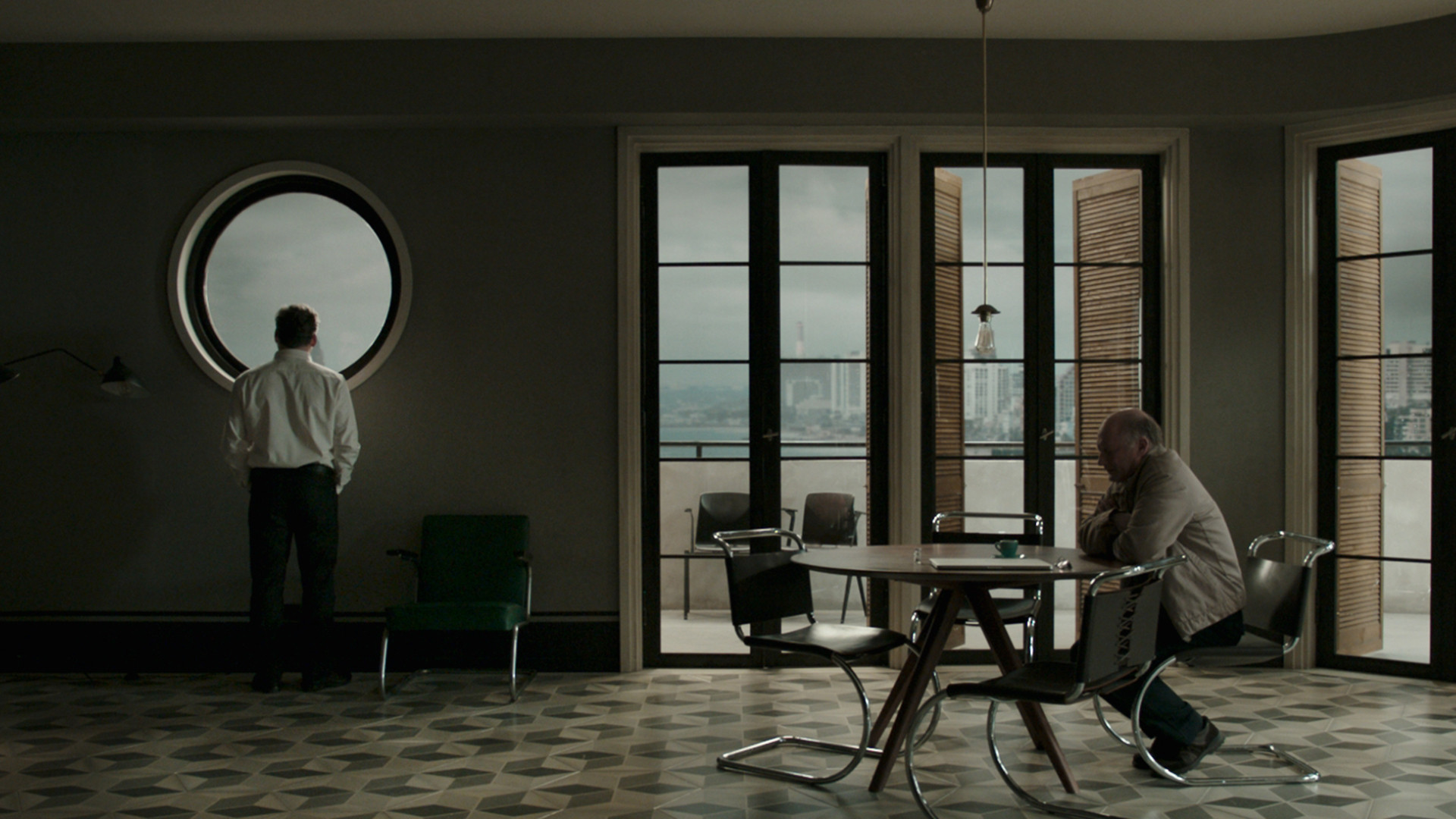
Arad Sawat has built the Feldmann flat as a large, expensive, geometric place, tiles laid in patterns that Giora Bejach shoots from directly overhead, so that Michael crossing a room or lying on the bathroom floor looks like a counter being moved on a board. That is the idea and Maoz does not labour it. Ashkenazi plays a man who has decided to be practical because the alternative is unthinkable; he feeds the dog, he scalds his hand under a hot tap, the alarm goes and he drinks the water. Yehuda Almagor arrives as his brother Avigdor, kind and useless in the way brothers are. Karin Ugowski, as Michael’s mother, is told what has happened and does not retain it. Adler is asleep for most of the chapter, and her one waking scene was harder for us to watch than the news itself.
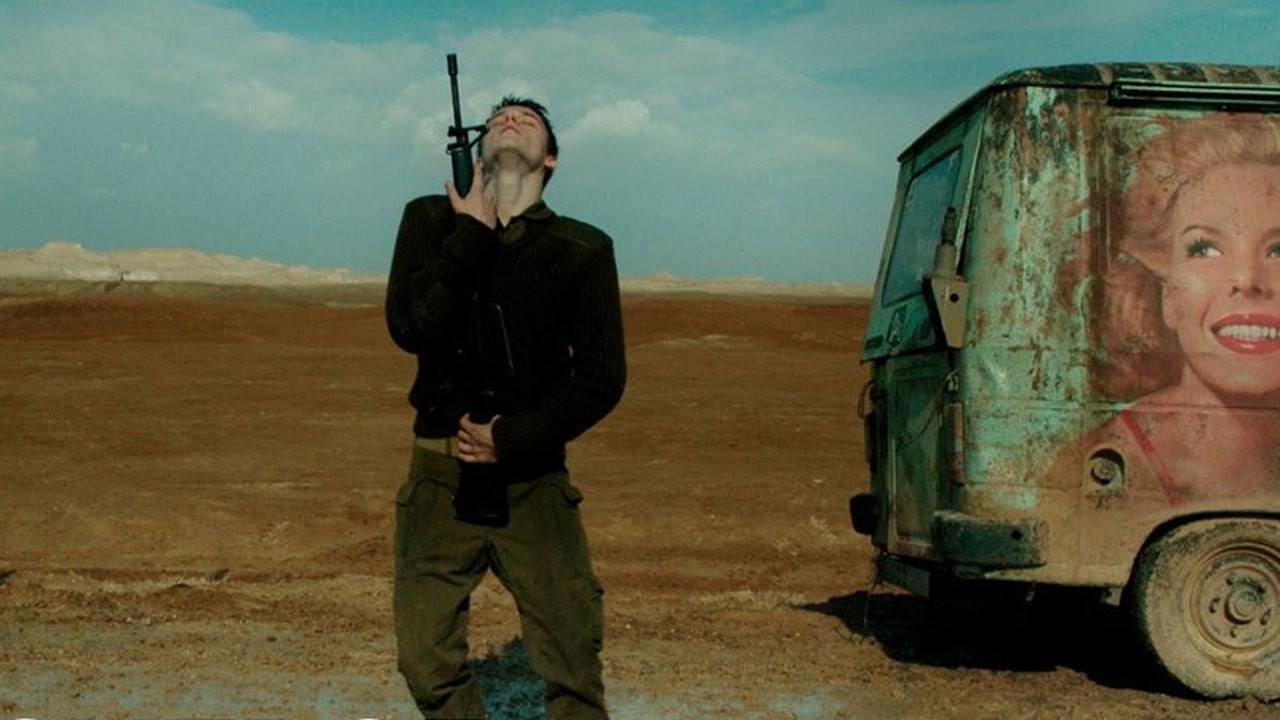
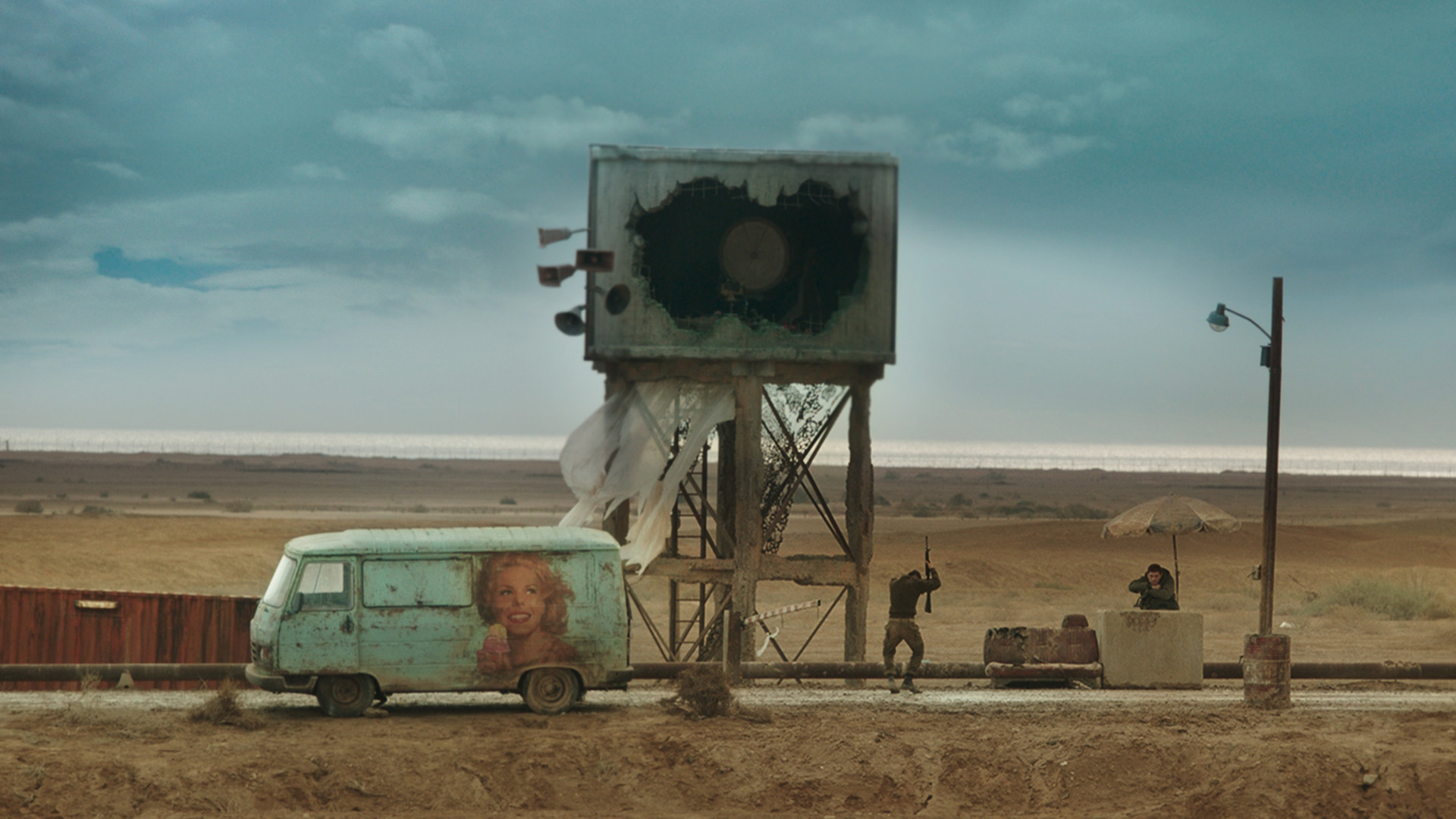
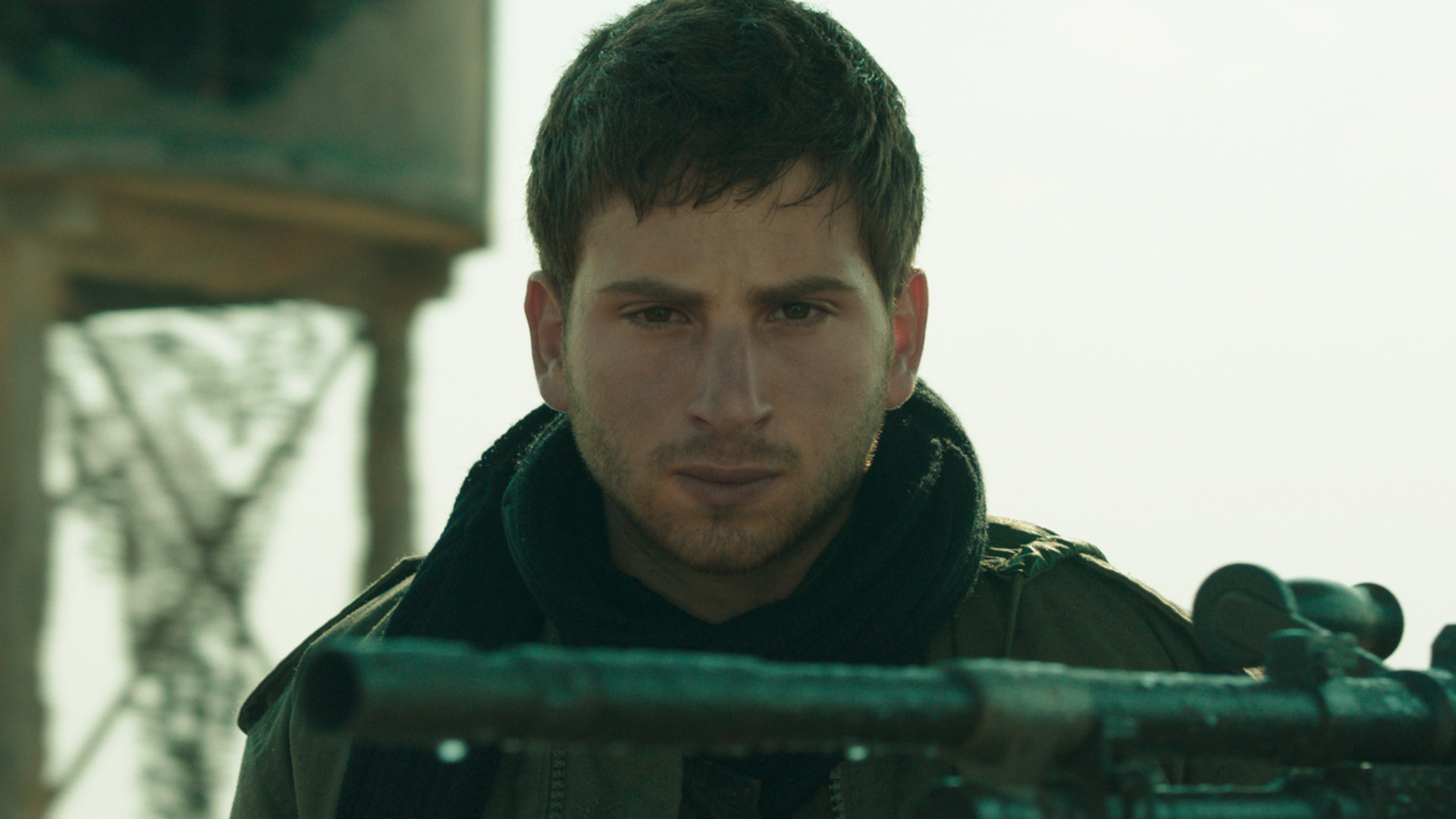
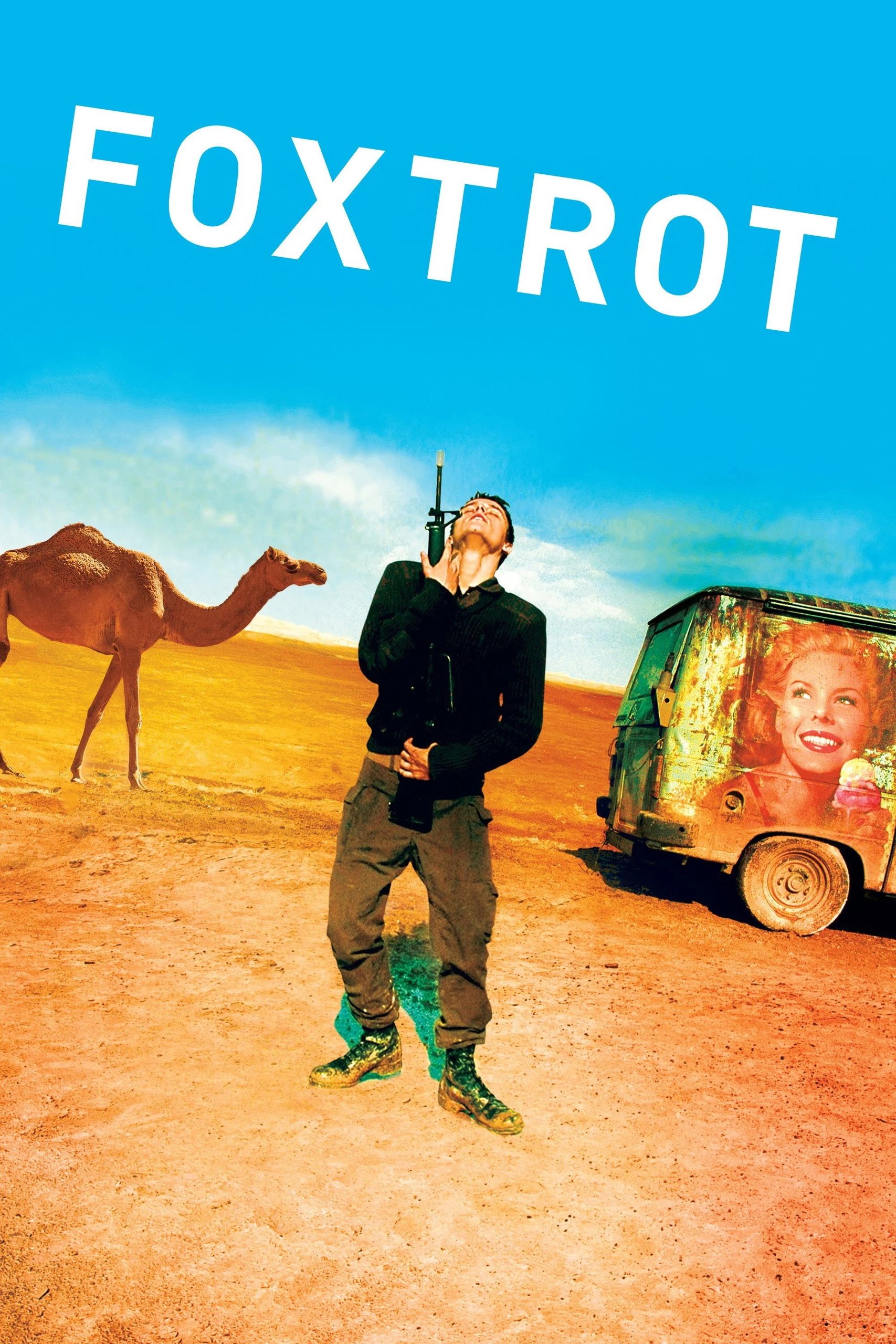
Then the first chapter ends on a turn we will not describe, and the film goes somewhere else entirely: a checkpoint in the desert, a barrier across a road almost nobody uses, four young soldiers and a shipping container that is sinking, slowly, into the mud. They measure the tilt by rolling a tin along the floor. A camel wanders up now and then and they lift the gate for it. Jonathan (Yonatan Shiray) draws comic strips in a notebook. One of the others (Etay Axelrod) dances a foxtrot with his rifle. Bejach shoots this section in wide, level frames the colour of wet sand, and the editors, Arik Lahav-Leibovich and Guy Nemesh, cut it to the rhythm of boredom: long holds, nothing, then headlights.
The cars are where we were horrified. A vehicle pulls up, papers are handed over, the boys decide whether to raise the barrier, and a couple in evening clothes are made to stand in the rain while their boot is emptied. Maoz stages these stops quietly. What frightened us was how routine the evening is for the people holding the rifles and how far from routine it is for the people in the car, and that the film never has to say which of them will remember it. One night it goes wrong, and we will not say how. The score by Ophir Leibovitch and Amit Poznansky, spare throughout, stays out of it altogether, which is the right call.
The third chapter returns to the parents, and to Shira Haas as their daughter Alma, who has been at the edge of the frame until now and is finally given something to do. Adler, awake, is the best thing in it: a woman being reasonable in a voice that could break at any second. She and Michael share a joint on the kitchen floor and talk, and for ten minutes the film is as plain and sad as anything Maoz has made. Then the mechanism shows. The title is a dance that, however far it travels, ends where it began, and the last stretch of the film insists on that a little too hard.
The reviews so far have split on that ending, and we are with the doubters, though not all the way. It does not undo what came before. It just squares off something that had been better left rough. Maoz’s earlier film, Lebanon, kept us inside a tank for its whole length. This one has a flat, a desert and a road, and the people in them are not much freer. We would rather he had left us with the mud and the camel.
It runs 113 minutes, in Hebrew. Watch it in one sitting and read nothing about it first; the chapters only work in the order Maoz has put them. Then argue about the last five minutes, as we did.