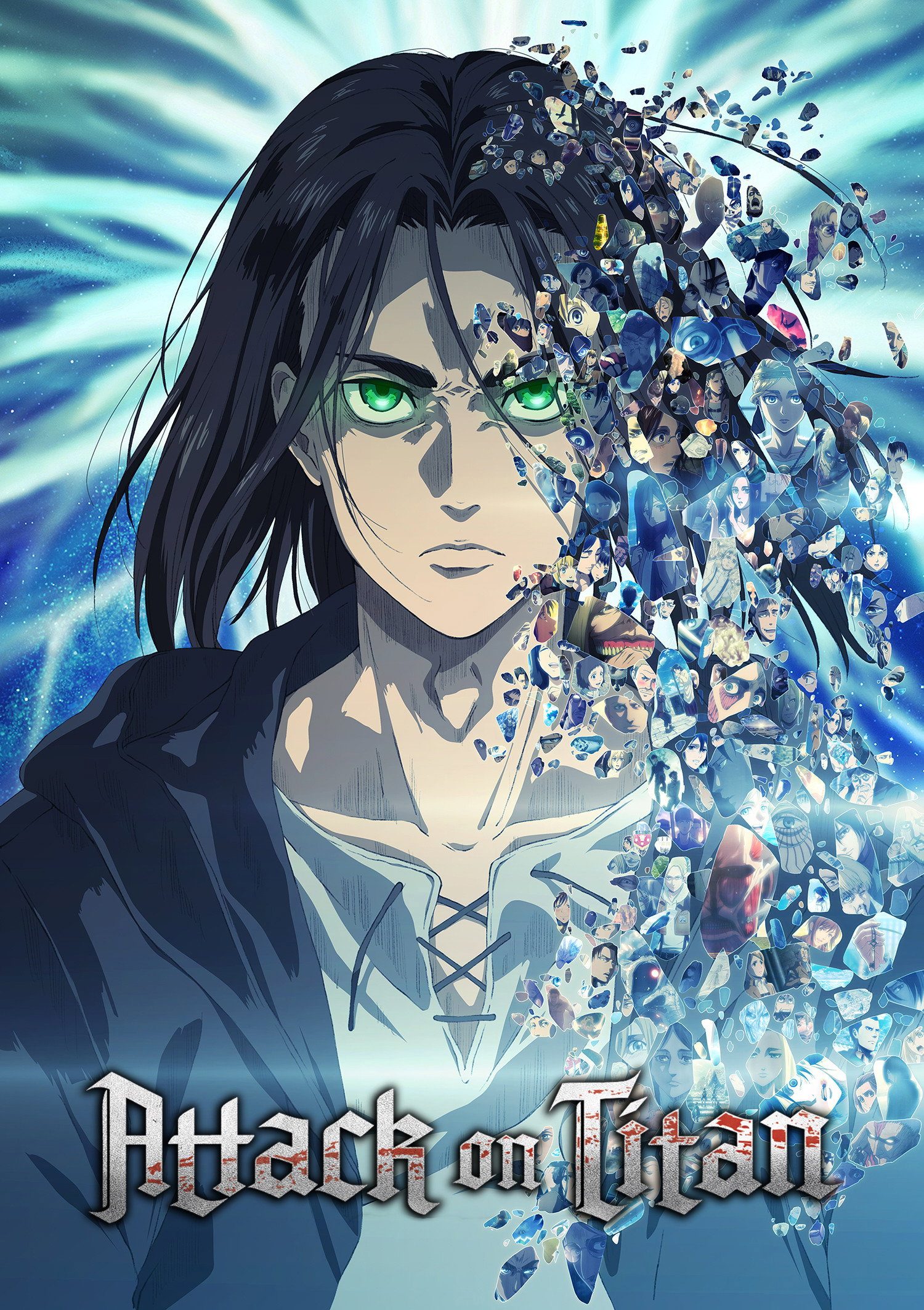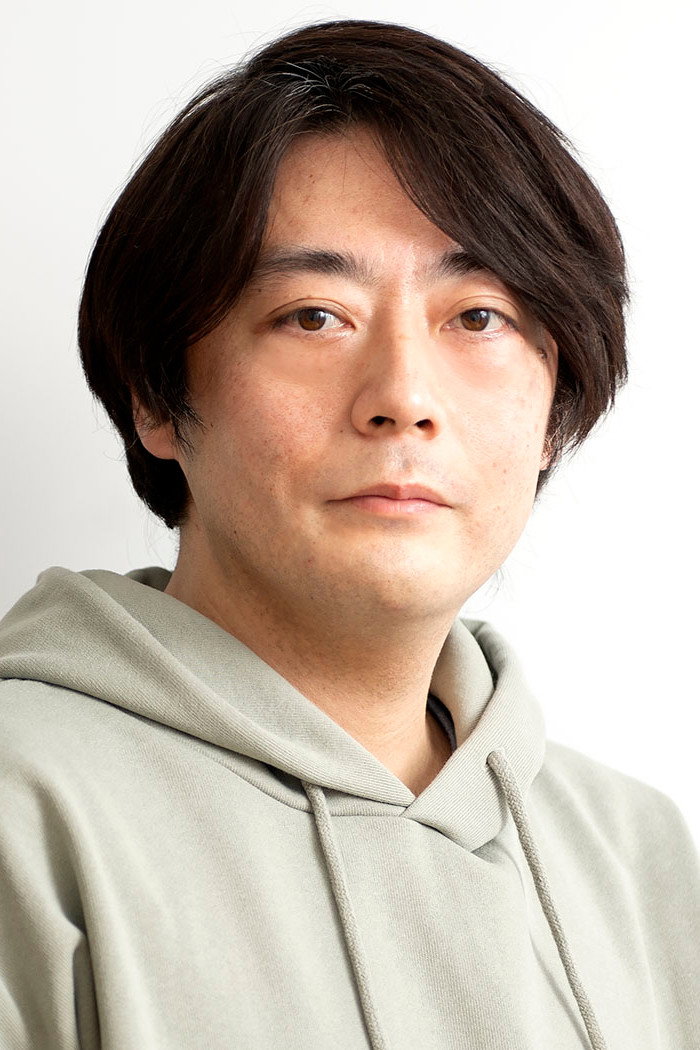
Yuichiro Hayashi inherited Attack on Titan for its final season and let the giants be built by computer. He storyboards like an animator and talks about CGI like a pencil, and the result is careful, capable and sometimes visible at the join.
Fi1m perspective
Late in Attack on Titan the giants change. For three seasons they had been drawn by hand; when the Final Season arrives in 2020 they are built by computer, and they move differently. Yuichiro Hayashi is the director who saw that change through. We scored the series 83 and stand by it, and for a few episodes we noticed the join more than we wanted to: a drawn boy on a drawn wall being chased by something made another way.
He started at the bottom. After an animation school run by Toei he did in-betweens and key animation on Inuyasha from 2001, and he did not direct anything until the PES: Peace Eco Smile web shorts at Studio 4°C in 2012. Around 2014 he went to MAPPA and has more or less stayed there: Garo: The Animation (2014), his first television series; Kakegurui (2017–2019), a gambling thriller; Dorohedoro (2020), a dark fantasy with a great deal of computer work in it; the Final Season of Attack on Titan (2020–2023); and the compilation film Attack on Titan: THE LAST ATTACK in 2024. Every one of them is an adaptation, and every one is dark, violent or both.
What he does, by his own account, is storyboard the important episodes himself and storyboard them as an animator. "I make storyboards from an animator's perspective. I believe the moves of characters won’t have the right impact unless they are within the limitations of hand drawing." That is the sentence to hold onto when the computer-built giants arrive, because it tells you what he was protecting. The people in the Final Season are still drawn, and the computer is spent on the things too big to draw. It is a sensible division of labour, and it is also why the join shows, since the two halves of the frame are made by different means. For a few episodes, with Kohta Yamamoto now sharing the music and the studio changed underneath, we watched the seams instead of the story, and we resented it a little, because the story at that point deserved our whole attention.
None of this makes him an auteur, and the series did not need one. Tetsurō Araki and Hayashi are the names that matter among dozens of credited directors, and Hayashi is the one who finished it, which across 87 episodes is a harder job than it looks. The Final Season is loud, bleak and for most of its run superb, which is what the earlier seasons were, and that continuity is his achievement. He has said computer imagery is just another tool, like a pencil or a brush pen. On this evidence he uses both well and has not yet found a way to hide the change of hands. The next thing he starts, rather than finishes, will tell us more.
Biography
Yuichiro Hayashi is a Japanese anime director and animator. He began working in the industry in 2001, contributing in-between and key animation to Inuyasha, and made his directorial debut in 2012 with the short series Pes: Peace Eco Smile.
Hayashi has directed several series at MAPPA studio, including Garo: The Animation (2014–2015), Kakegurui (2017–2019) and its sequel, Dorohedoro (2020–), and Attack on Titan: The Final Season (2020–2023). He also directed the compilation film Attack on Titan: THE LAST ATTACK (2024). Earlier, he co-directed a segment of Batman: Gotham Knight (2008). His work on Attack on Titan: The Final Season and Dorohedoro received nominations at the Crunchyroll Anime Awards.