An anime about teenagers fighting man-eating giants grows, over four seasons and 87 episodes, into something larger and much bleaker. It is loud, sometimes exhausting, and for most of its run it is superb.
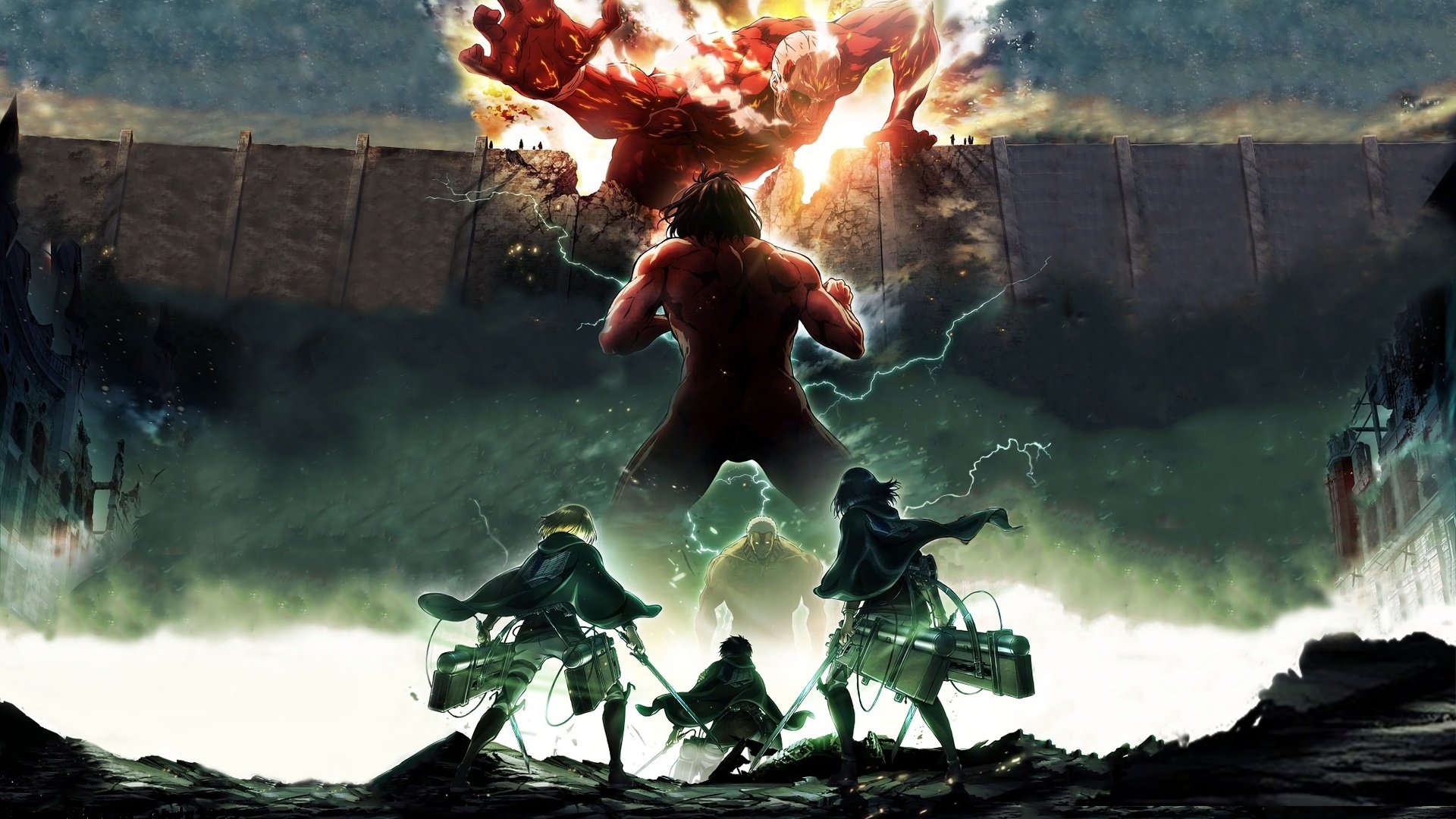
Attack on Titan is adapted from Hajime Isayama’s manga, and the premise fits in a sentence. What is left of humanity lives inside three concentric walls, because outside them are the Titans: giants who look like people, eat people, and appear to want nothing else. The series began on 7 April 2013 and ran, with long gaps, to a Final Season that started on 7 December 2020: four seasons, 87 episodes. For most of that run it is superb. It shouts too much and explains too much, and the last stretch did not land for us as it has for many, but we recommend it.
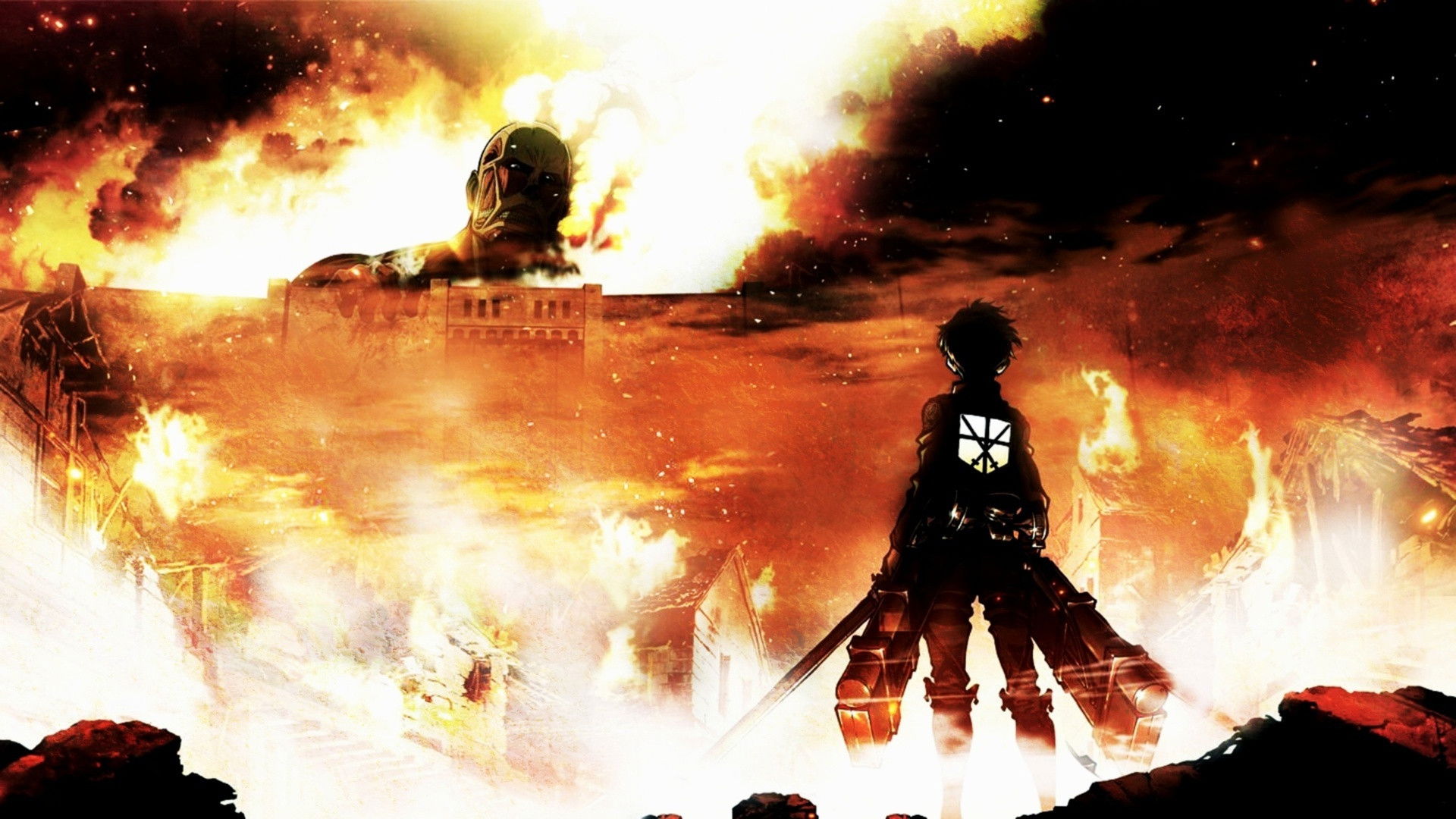
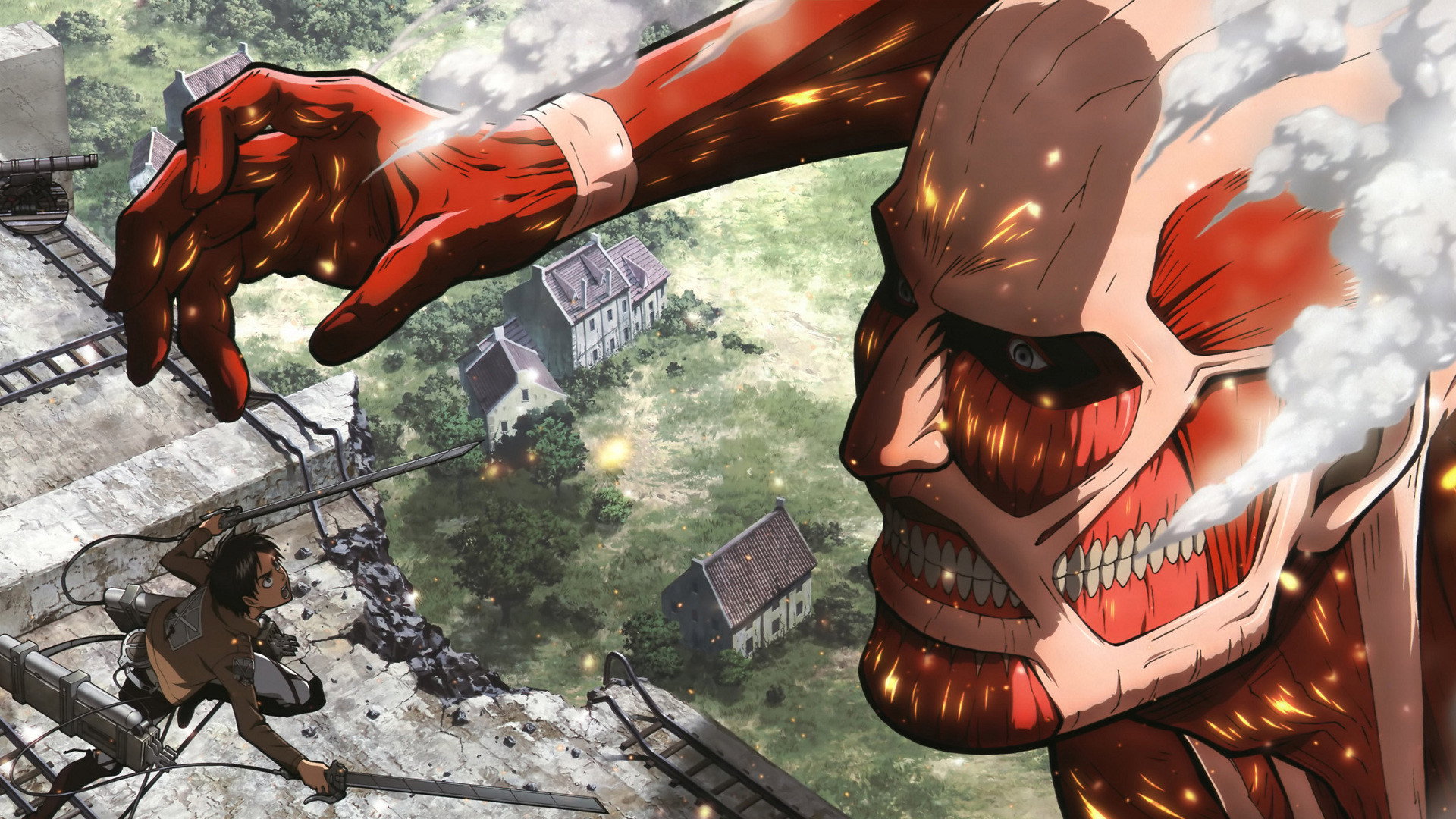
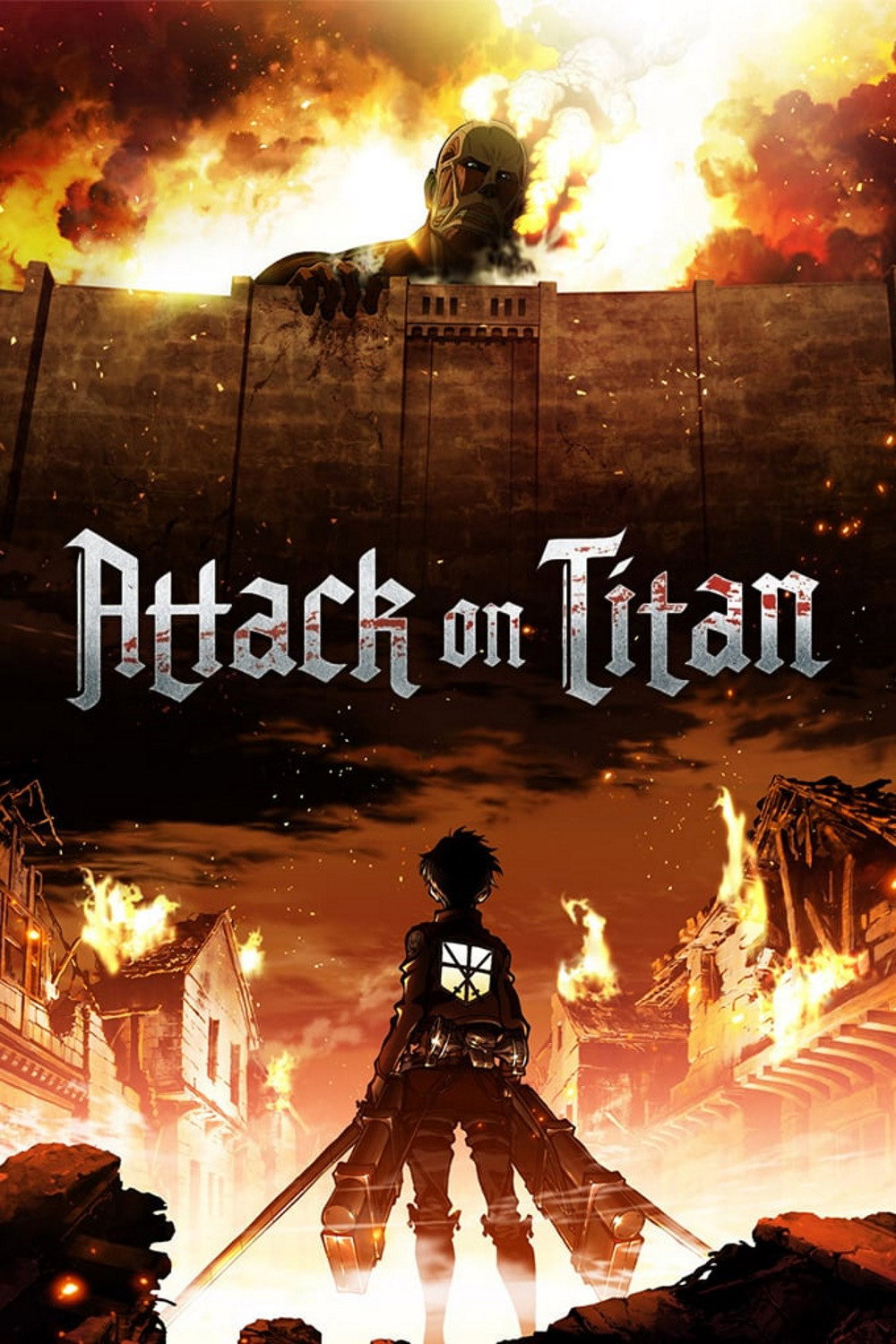
The first episode tells you what you are in for. A face appears over the top of the wall, skinless and bigger than the church, with steam pouring off it. Then the smaller Titans come through the breach, and they are the worst thing in the series: naked, sexless, wrongly proportioned, and grinning. We were horrified, and it was the smiles that did it. They eat people the way a child eats a biscuit, and the animators hold on the chewing. Eren Yeager (Yuki Kaji) watches it happen to his mother while Hiroyuki Sawano’s score, choirs and electric drums and something like a hymn, plays over the top at full volume.
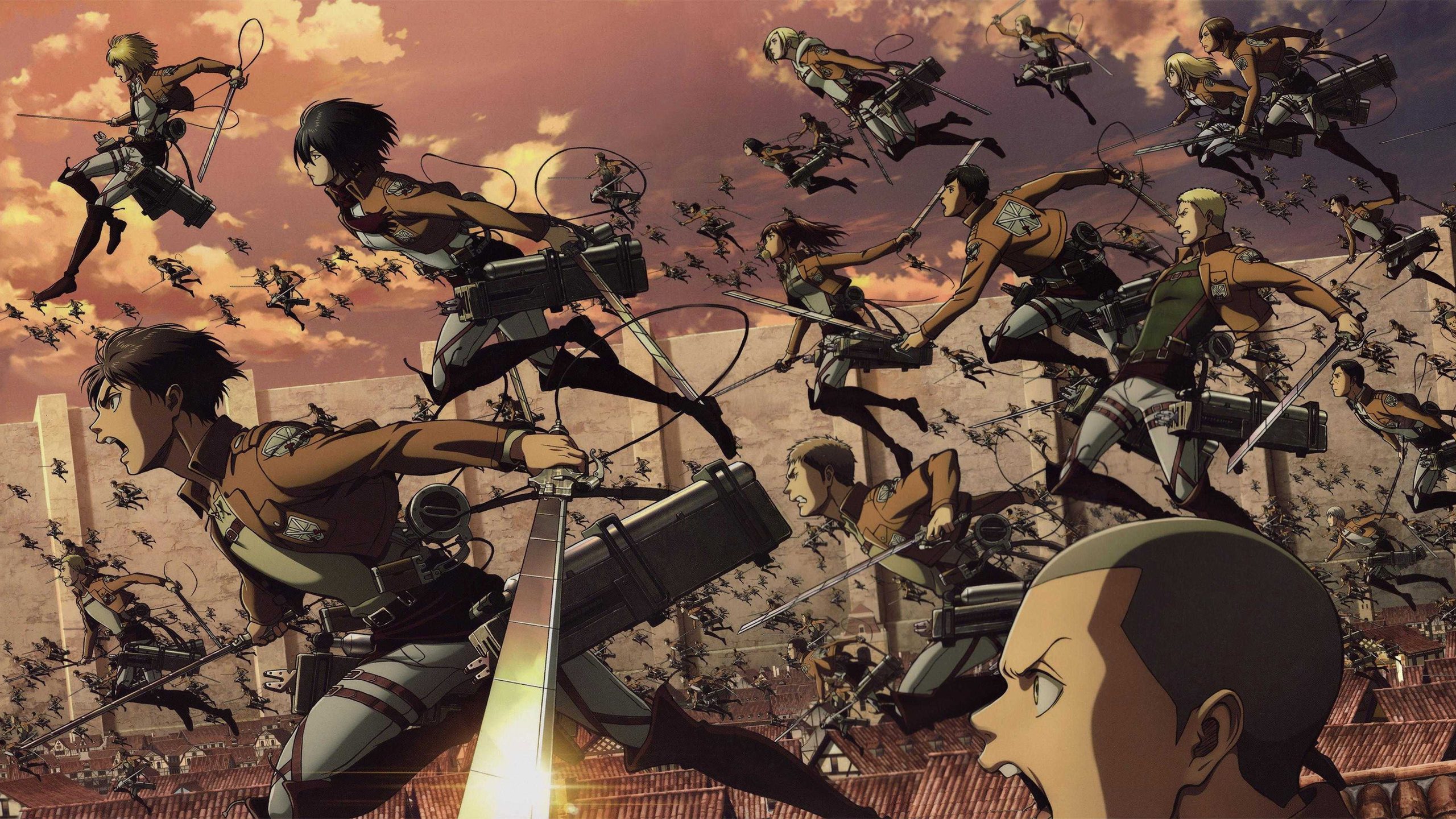
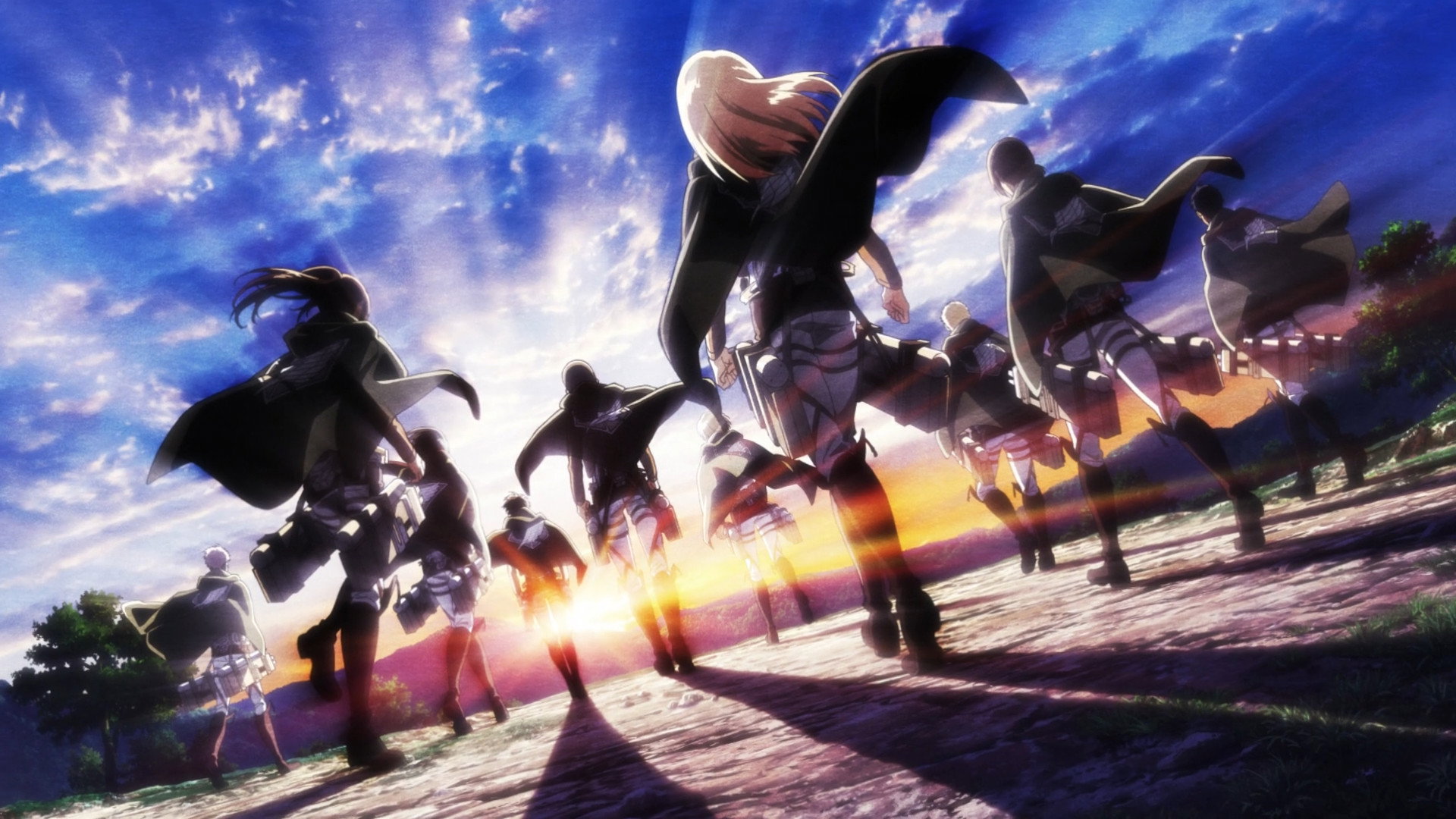
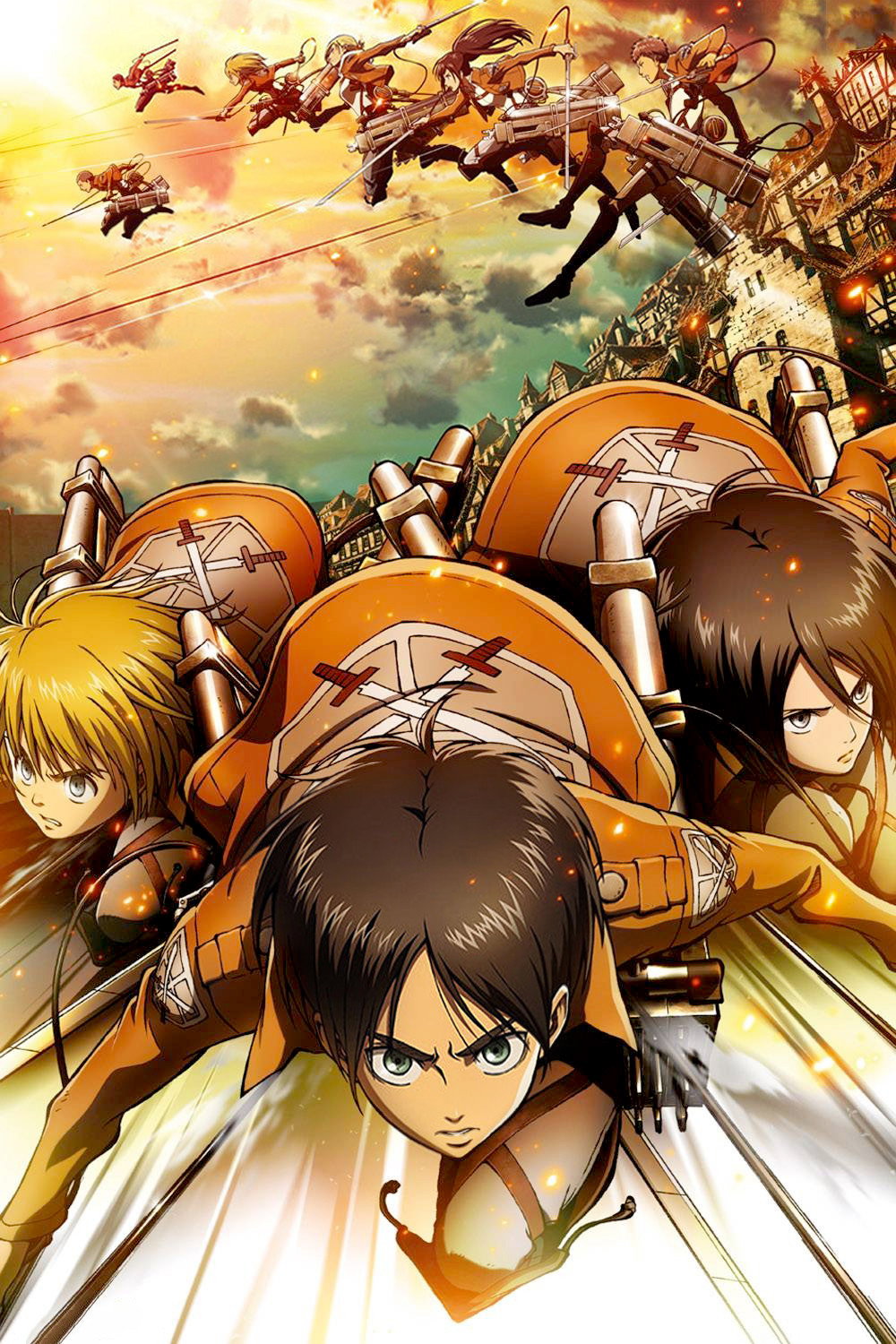
Sawano is why half the audience remembers the series as louder than it is; his music is huge and mostly sung in languages nobody on screen speaks. We did not mind. What we admired more, and what the reviews so far are right about, is the action. The soldiers fight with gas canisters, steel cables and paired blades, firing themselves between rooftops and up the backs of the giants, and the animators draw the whole of each swing rather than cutting round it. Shigeki Asakawa and Kazuhiro Yamada’s compositing gives everything thick black outlines and smeared streaks of speed, so the eye can follow a body through the air. Aya Hida and Masato Yoshitake, the editors, know when to hold a still face and when to let the cutting go to pieces.
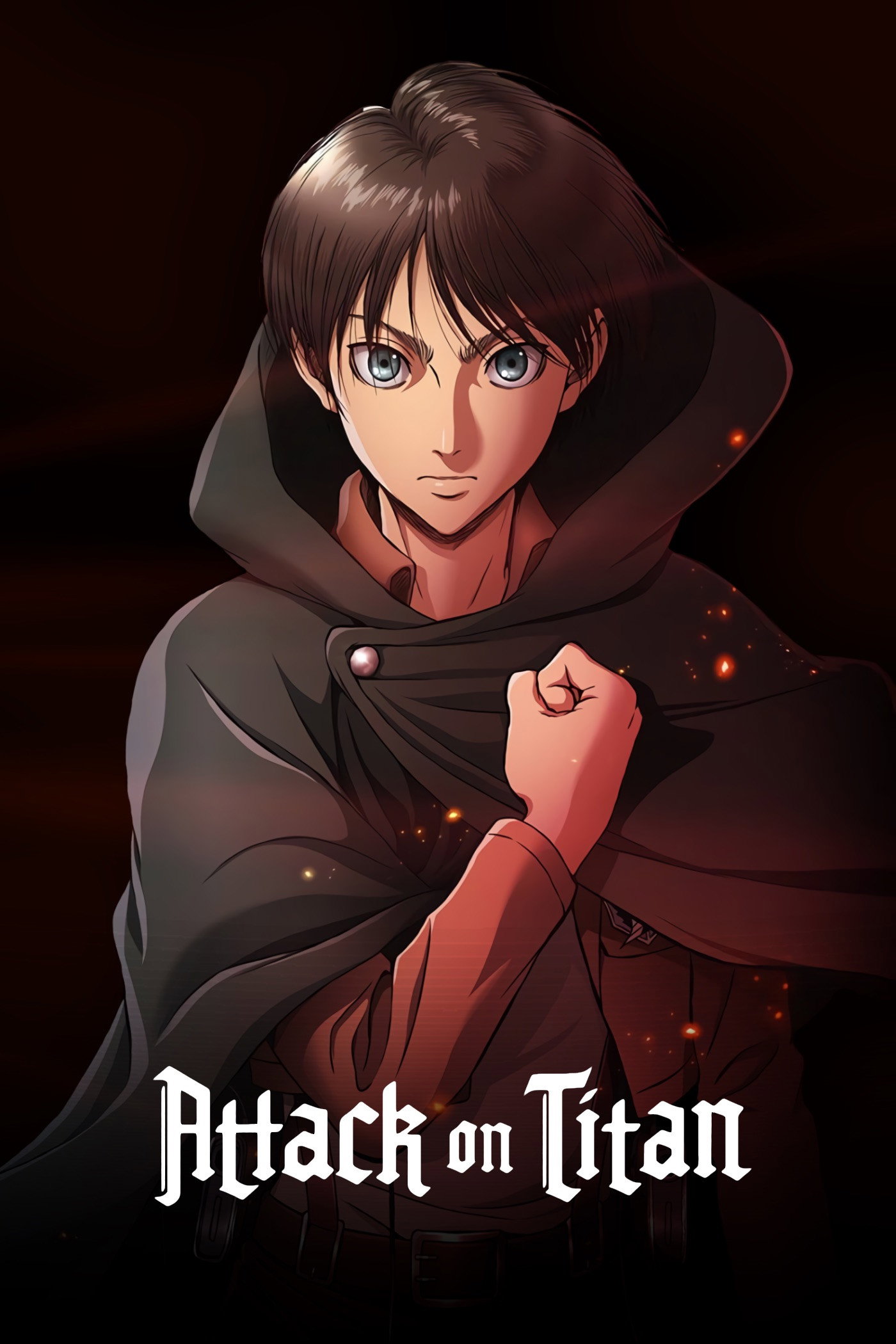
The voices matter more than they usually do in something this violent. Kaji plays Eren at full volume for long stretches, and that is the part as written: the boy who wants every Titan dead and says so. Yui Ishikawa gives Mikasa Ackerman a low, flat voice that hardly rises, and that is where the series keeps its grief. Marina Inoue lets Armin Arlert sound frightened when he is right. Later come Hiroshi Kamiya as Levi, who talks as if bored by his own competence, and Romi Park as Hange Zoë, a scientist delighted by things that should make her run.
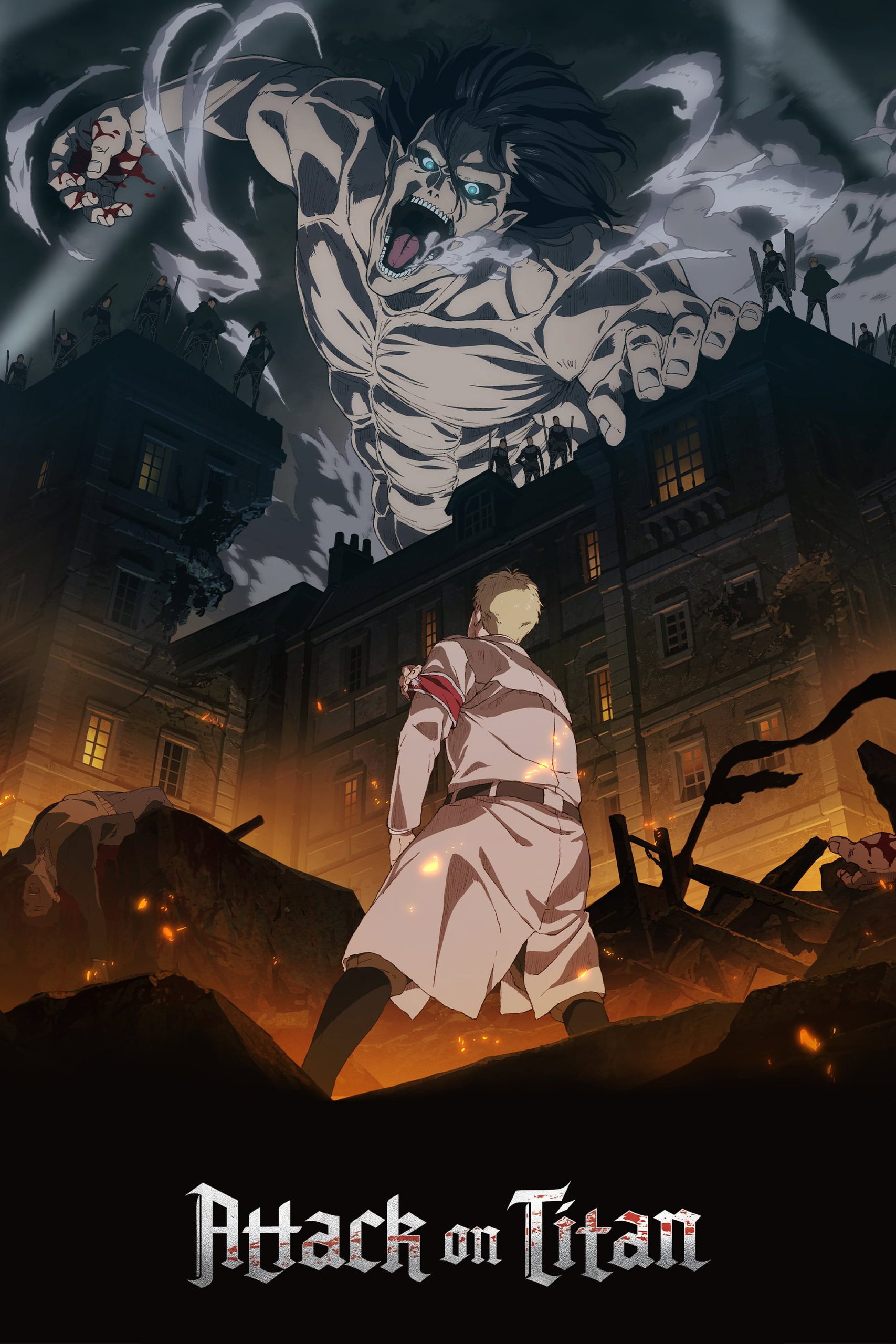
The flaws are the genre’s flaws. Characters explain tactics while falling off buildings. Meetings go on. The stretch of the first season after the fighting stops is a slog of tribunals and corridors, and the first half of the third is a plot about who runs the government, conducted largely indoors. The look changes late, too. Tetsurō Araki and Yuichiro Hayashi are the names that matter among dozens of credited directors, and when the Final Season arrives, with Kohta Yamamoto sharing the music, the giants move differently, built by computer, and for a few episodes we noticed the join more than we wanted to.
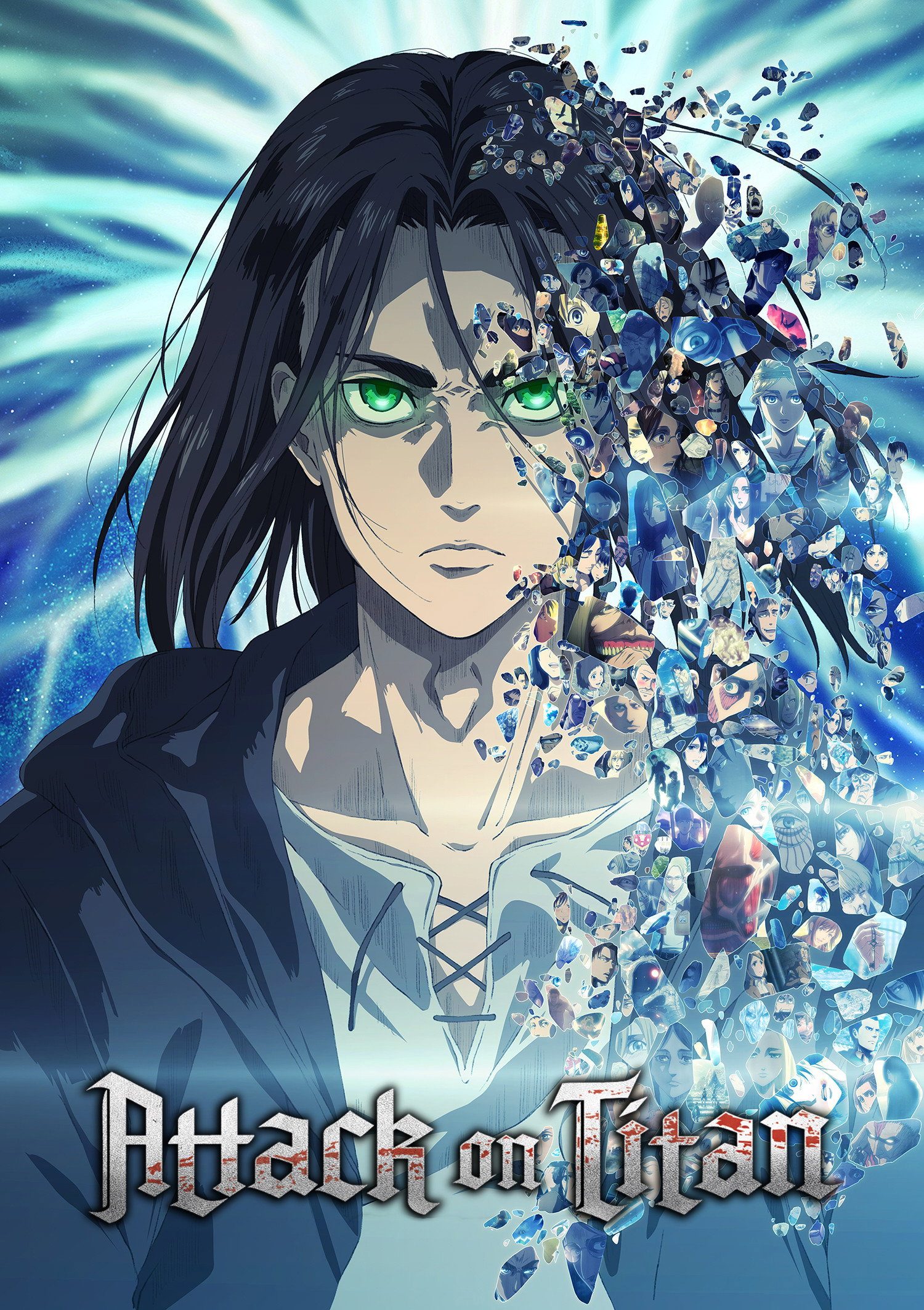
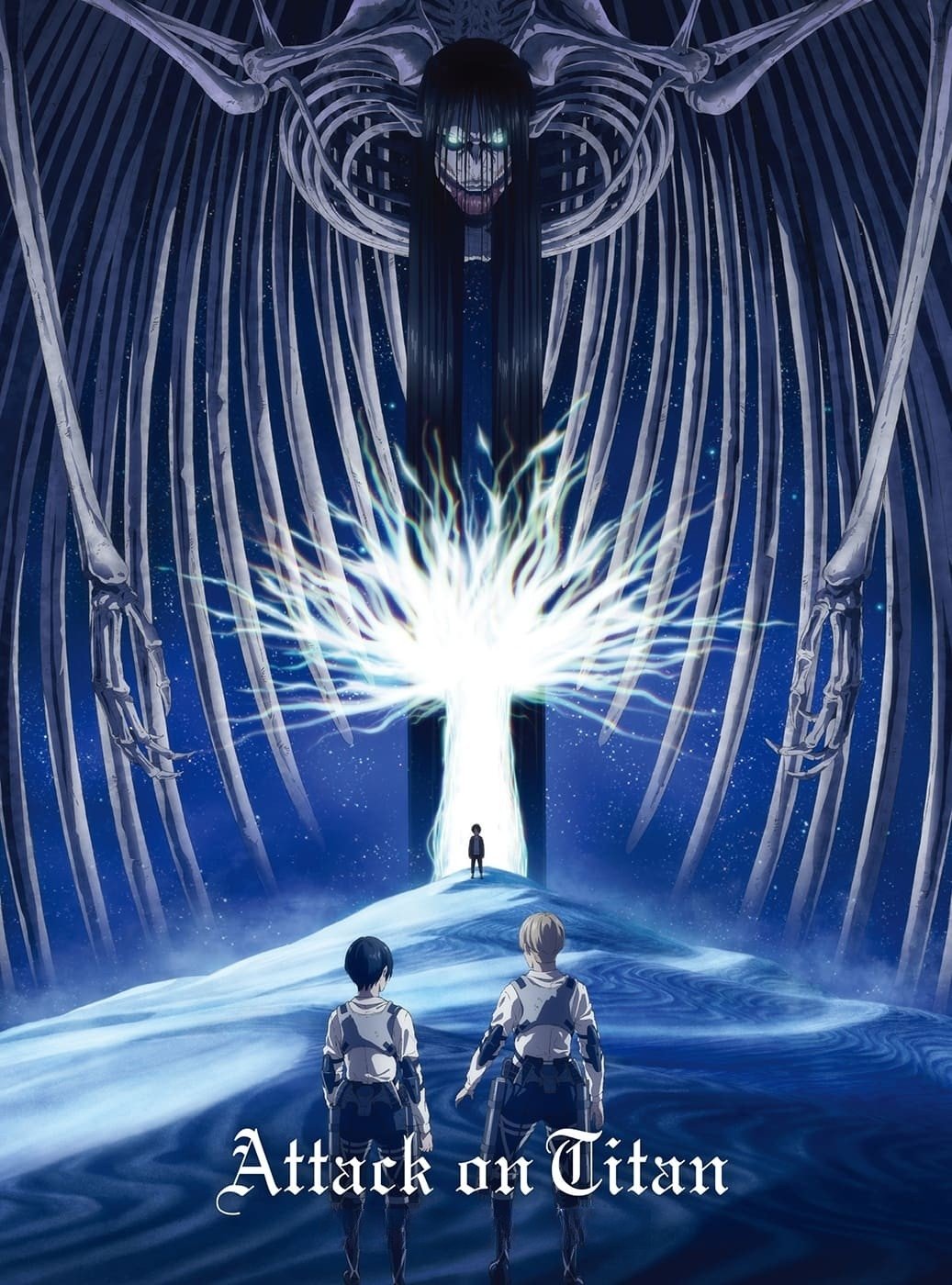
Then the writing, credited to Yasuko Kobayashi, Hiroshi Seko and Noboru Takagi, does something the first episode never promised. The Final Season opens with two new children, Falco Grice (Natsuki Hanae) and Gabi Braun (Ayane Sakura), and asks us to sit where we have not sat before. We will not say where. A series that began by asking us to cheer spends its last year making the cheering feel like a mistake, and it moved us more than we thought a cartoon about giants could. It was Gabi who did it: a child who believes everything she has been told, and is good at her job.
It runs to 87 episodes, it is a 15, and it earns both. Watch it with the Japanese cast and subtitles, do not try to take it in a fortnight, and be ready for a last stretch that has split its audience. We are on the less happy side of that split, and we still think you should get there.