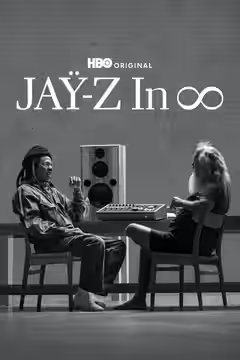
Rick Rubin sits JAŸ-Z down and takes the lyrics apart line by line, and when the series is on the words it is absorbing. Across eight episodes, the friendship that gets him talking is also what stops anyone asking him a hard question.
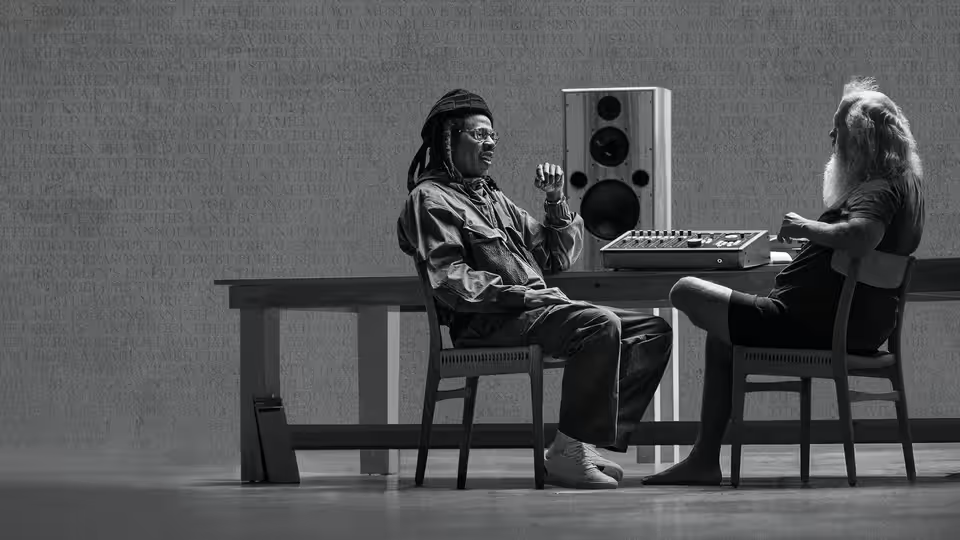
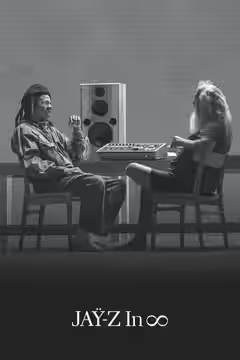
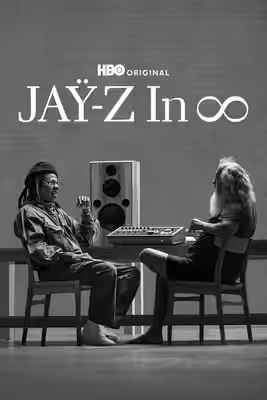
Rick Rubin has made a series about JAŸ-Z that consists, for the most part, of Rick Rubin and JAŸ-Z talking. Rubin directs, and he sits in the frame as the other half of the conversation, which is a choice with a history: he produced “99 Problems” for The Black Album in 2003. The idea is that a producer who respects the words can get a lyricist to explain them, and for long stretches the idea works. The idea is also stretched across eight episodes, and it does not survive the distance.
The good parts are the words. Rubin plays or reads a line, and JAŸ-Z, who has spent thirty years declining to explain himself, explains it: where the internal rhyme sits, which syllable he leaned on, what the boast was hiding. We were happier than we expected to be watching this, and we can say exactly why. It is the pleasure of watching a man who is good at something show his working, and JAŸ-Z is very good at it and has rarely been asked in this much detail. When he catches a line he had forgotten writing and laughs at his younger self, the series is doing something only it could do.
Bradford Young shoots it close and patient. The camera stays on faces, mostly one at a time, and the light is warm and low so that the space seems smaller than it is. Young does not cut away to archive every time the talk slows, which is the right decision; the series is at its best when nothing is on screen but a man thinking. The lyrics appear as text while he speaks, plainly set, and that is the one graphic device it needs.
The trouble is the man asking the questions. Rubin listens well and nods better, and he is plainly a fan, and a fan is the wrong interviewer for a subject this practised. Nobody on screen asks about the money, the business, the disputes with old partners, or the years when the records were worse than the ones being discussed. When JAŸ-Z steers a story towards its flattering end, Rubin lets him arrive. What we get is a portrait the subject would sign, and he probably has.
Then there is the length. Eight episodes is a great many hours of two people talking, and the series has not decided what each hour is for. Points made in the second episode return in the fifth, worded slightly differently. A tangent about the industry goes on until it is a chapter. By the sixth episode we were counting how many were left, which is not what a series about a man this interesting should reduce us to, and we resented it a little on his behalf.
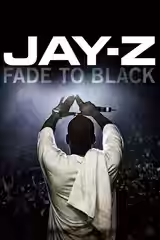
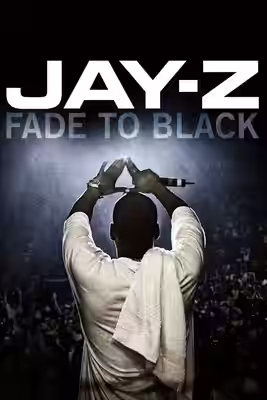
It sits in a familiar place among music documentaries made with the subject’s blessing. Fade to Black (2004) filmed him on stage and in the studio and let the performance do the arguing. This lets him do the arguing himself, at length, to a friend, and the result is fuller on craft and thinner on everything else. Leila Mattimore and David Rohde produce, and one wishes somebody in the chain had asked whether four episodes would have kept the best of it.
If you know the records, watch it, and watch it an episode at a time rather than in a run; the repetition matters less when a week sits between the chapters, and the lyric readings are worth the price of the padding. If you do not know the records, this will not persuade you to, because it never once considers that you might need persuading. It is a long conversation between two men who already agree, and the pleasure of it, which is real, is the pleasure of being allowed to sit in the corner.