Vidhu Vinod Chopra’s drama is worth an evening for Vikrant Massey’s affecting performance. Its faith in hard work is moving, though the repeated lessons about perseverance would benefit from firmer editing.
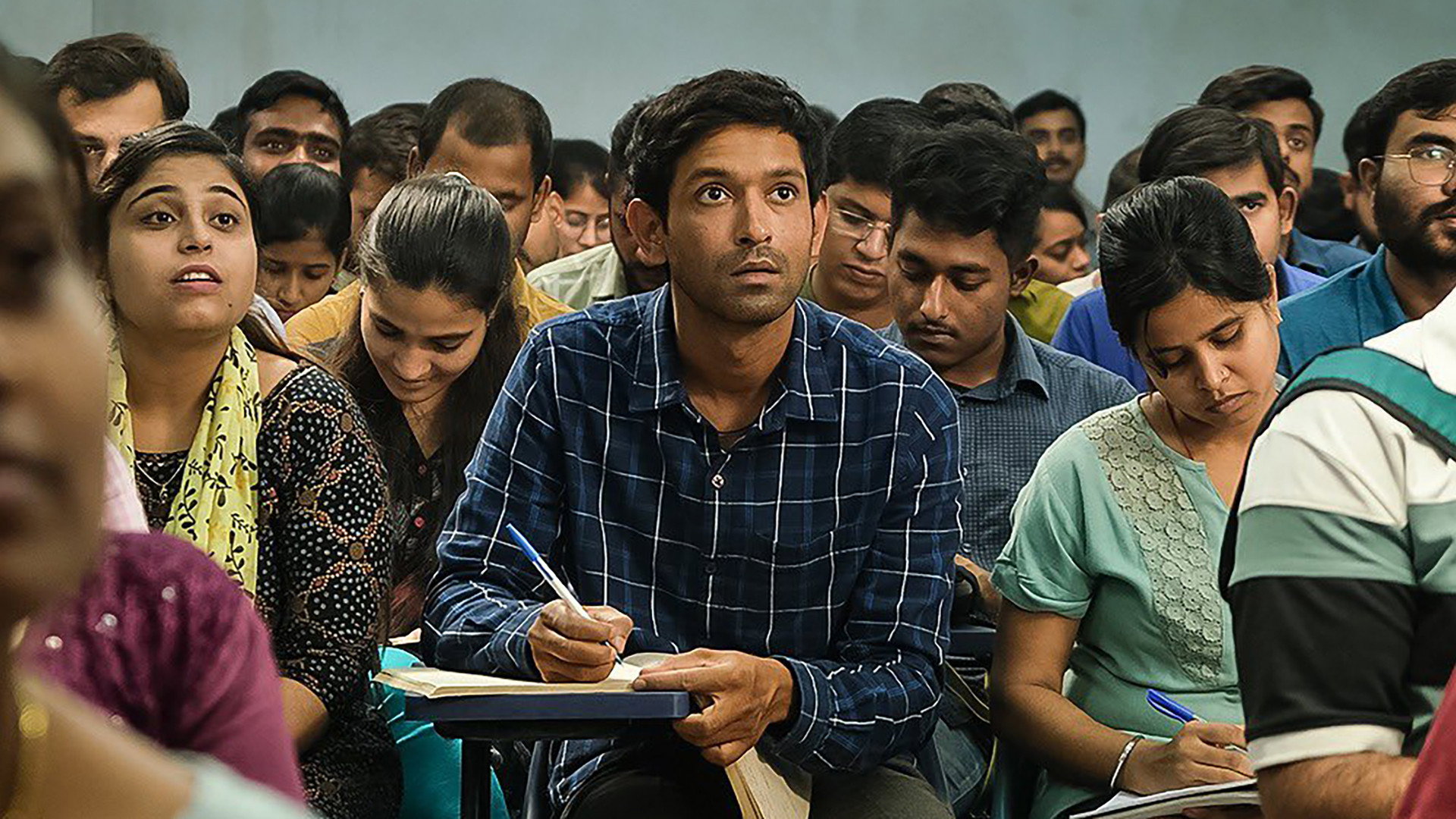
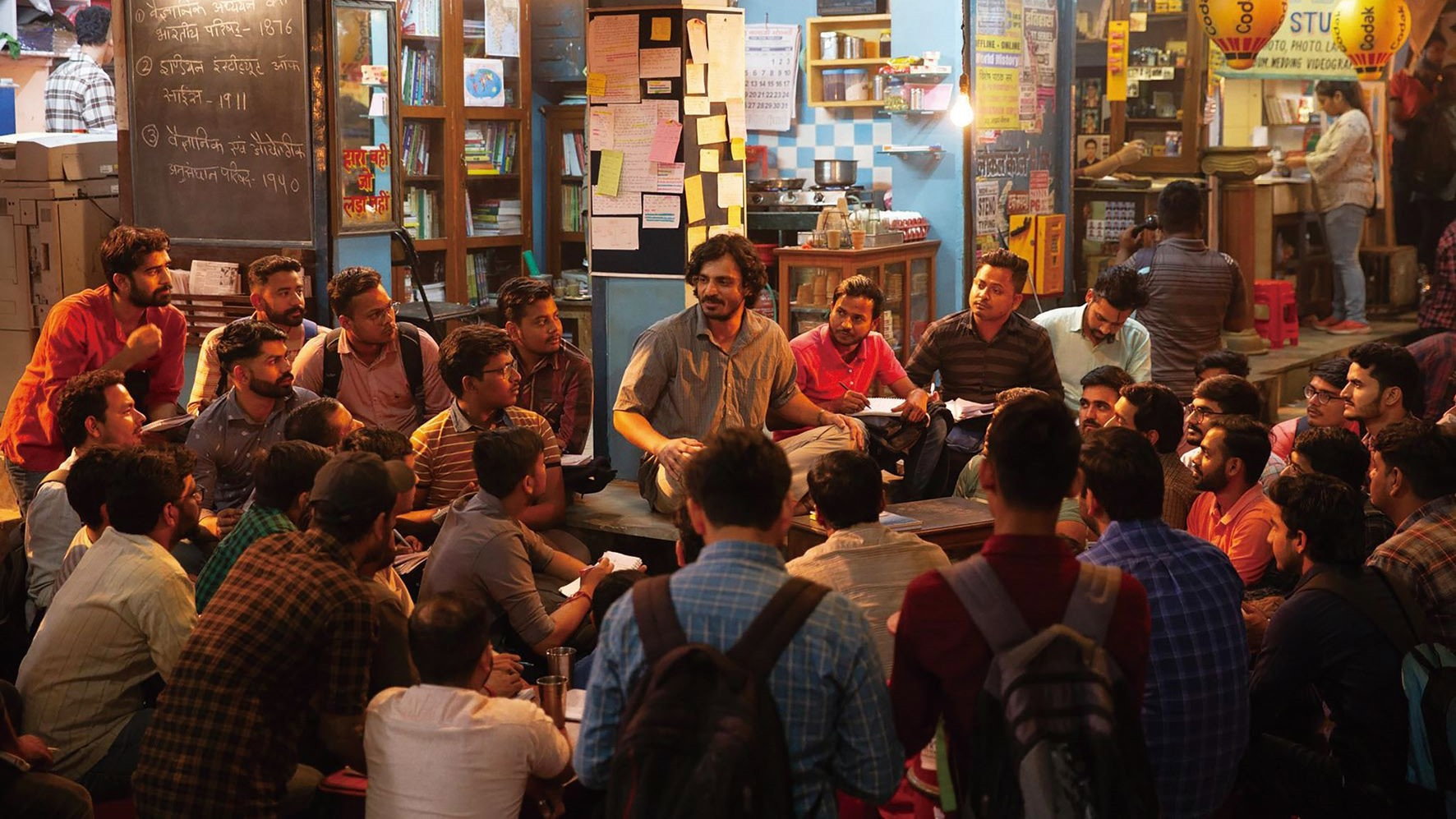
Vidhu Vinod Chopra’s 12th Fail is an affecting, overlong drama that earns most of its sentiment through Vikrant Massey. A young farmer pursues the civil service examinations, and Chopra treats the possibility of a job with the seriousness usually reserved for a far more conspicuous adventure. That is a worthwhile choice. Work can change the conditions of a life, and the film gives us reason to care about the studying that has to come first.
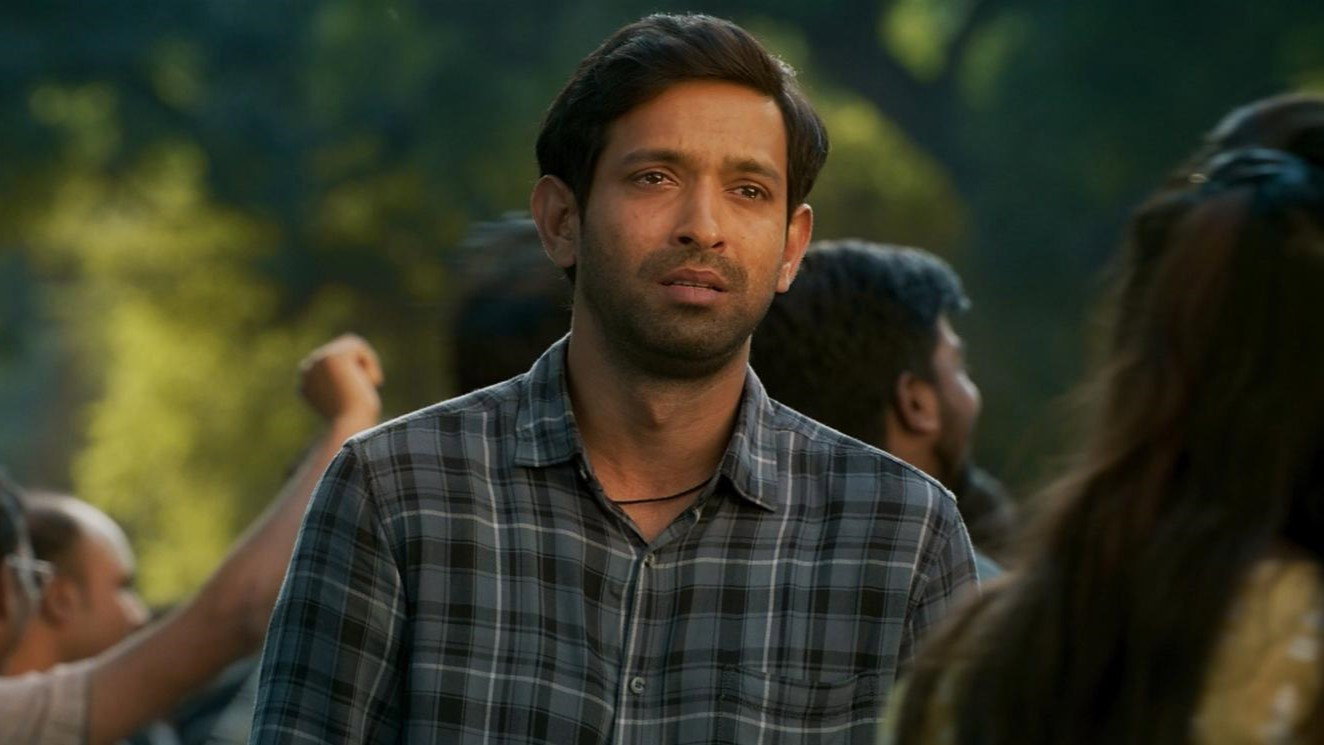
Massey plays Manoj Kumar Sharma without making his determination seem sufficient in itself. There is strain in the performance, and it helps when the writing becomes too certain about the rewards of persistence. We were moved by Manoj’s effort to keep going with the examinations, because Massey makes that effort feel exhausting. The character is being asked to carry a lesson about honest endeavour, but the actor keeps him human enough for us to worry about him.
Rangarajan Rambadran’s cinematography gives Massey’s performance room to register; the attention to Manoj makes the film’s encouragement easier to accept. Shantanu Moitra’s music is more emphatic, and its hopeful feeling sometimes presses an emotion that the acting has already supplied. We do not need quite so much assistance. Moitra’s contribution suits Chopra’s open-hearted approach, but allowing us a little more doubt would make the hope more convincing.
The film draws on Anurag Pathak’s novel, with Chopra and Jaskunwar Kohli credited as writers and editors. Across 146 minutes, they make the importance of persistence clear enough to risk wearing it out. The emphasis on honest effort gives the story a straightforward appeal, but the insistence that cheating will not pay needs less repetition. There is enough at stake in Manoj’s ambition without continual instruction about how to judge it. We remained interested in his pursuit; we could have done with fewer reminders of what it was meant to teach us.
The larger reservation is the faith in meritocracy. Corruption and caste are part of the film’s account of what obstructs success in India, yet its commitment to hard work as the answer makes those obstacles seem more manageable than they should. Determination is a quality worth admiring in a character. It cannot explain why other people, working just as hard, do not get the same chance. Chopra’s optimism is welcome, but the moral certainty reduces a difficult subject to something rather too easily taught.
As an underdog drama, 12th Fail succeeds because it takes an ordinary ambition seriously and has an actor capable of making the labour matter. Its earnestness suits a story built around study and hard work. The trouble is simply that Chopra keeps explaining what Massey has already made us feel. Give it an evening if stories of perseverance are your preference, with some patience for the instruction.