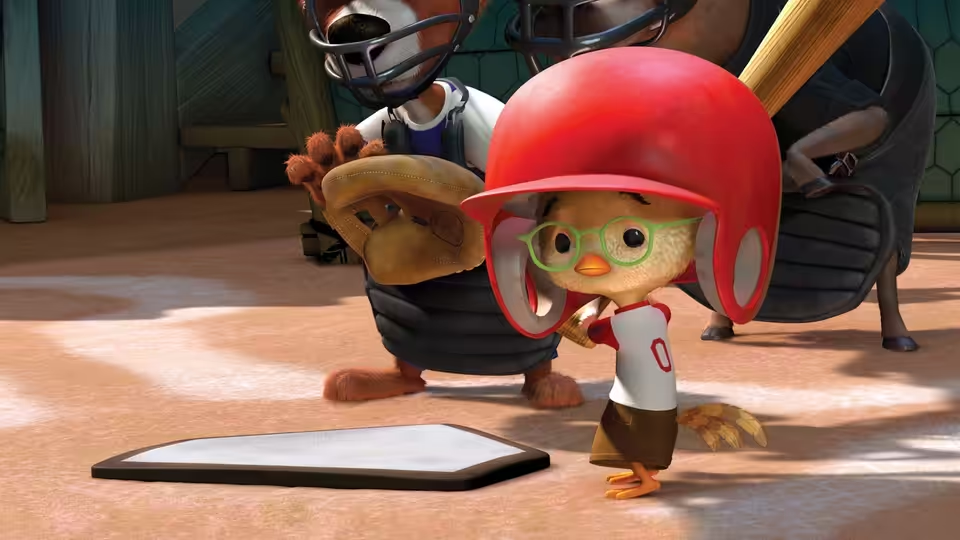
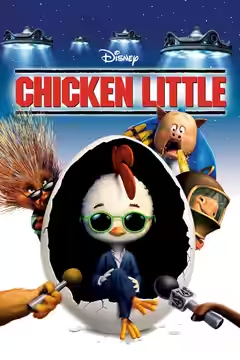
Chicken Little has an able voice cast and some funny visual business, but Mark Dindal lets frantic pacing and borrowed jokes crowd out the characters. Even at 81 minutes, it feels stretched.
Chicken Little is a poor family comedy with enough lively animation to make its failures frustrating. Mark Dindal aims for the speed of a screwball cartoon, while also asking us to take a father-and-son relationship seriously. The trouble is how hurriedly the film moves between them, giving neither the comedy nor the family difficulties enough room to develop. A few good visual jokes suggest a simpler, funnier film than the one we get.
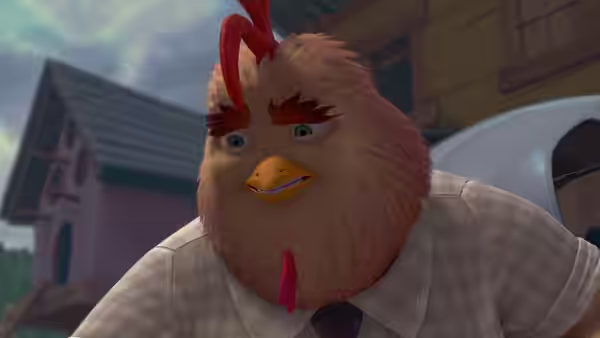
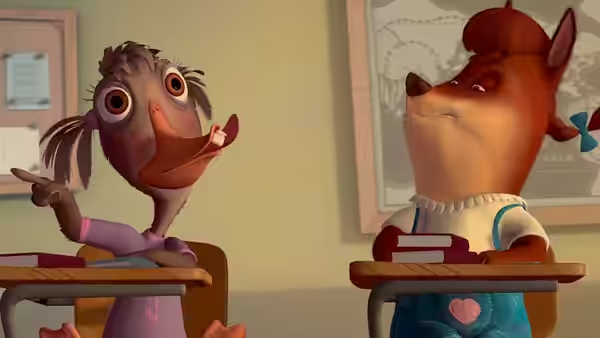
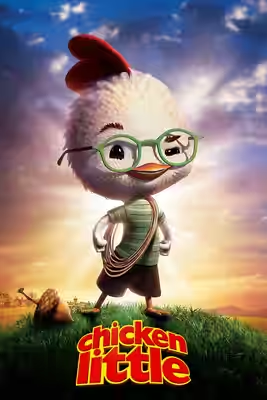
Zach Braff voices Chicken Little, with Garry Marshall as Buck Cluck, Joan Cusack as Abby Mallard and Steve Zahn as Runt of the Litter. The performances supply welcome personality, and their energy suits the animation’s restless movement. Joan Cusack and Steve Zahn are particularly useful company, giving their characters an appealing oddness without making them exhausting. We would happily spend longer with these animals if the screenplay were less anxious to get to the next distraction.
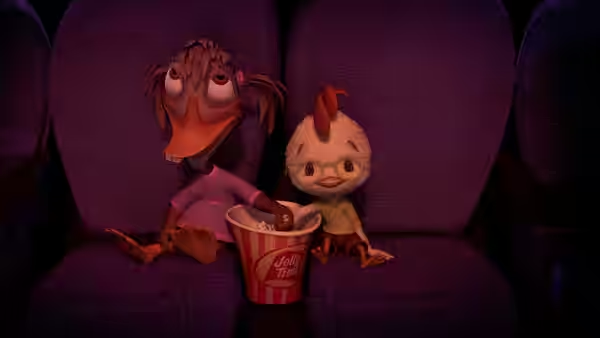
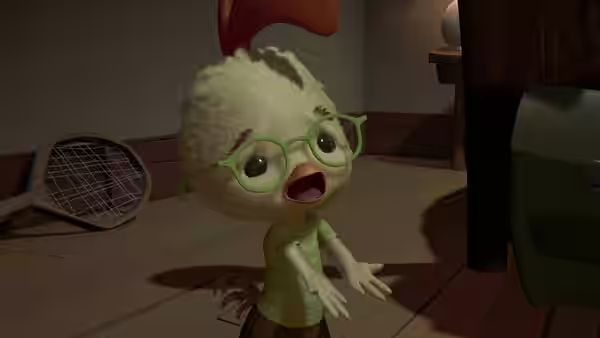
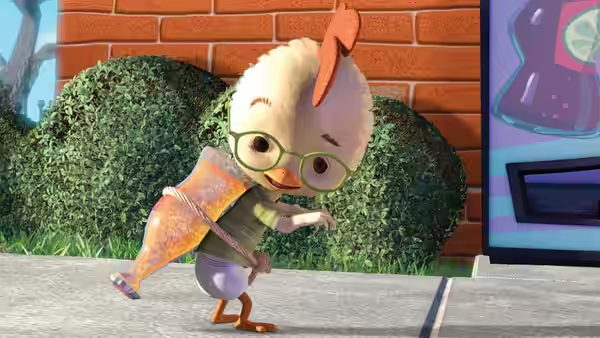
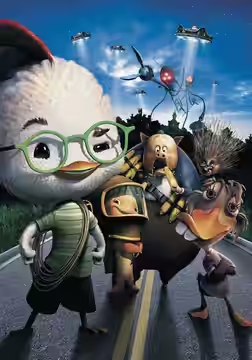
David Womersley’s production design gives the visual comedy plenty to work with, though the crowded activity can make the smaller jokes easy to miss. We laughed at the lemmings gag. It works as visual nonsense without needing a reference to another film to explain why it is funny. The animation’s little changes of posture are another pleasure, suggesting feelings that the dialogue has a habit of overexplaining. These details reward attention even when the broader comedy is trying our patience.
Dan Molina’s editing maintains the screwball pace, but the continual movement leaves too little breathing space around the jokes. Comic reactions need time to register, particularly when the animation can communicate so much through body language. Here, the hurry makes individual moments feel less distinct, and the overfilled story becomes tiring long before it should. A family cartoon can move quickly without making every scene feel as though it has another appointment.
John Debney’s music supports the bustle more readily than it makes the family material persuasive, which is largely a writing problem. The father-and-son scenes ask for an investment that the surrounding comedy has done little to earn. The sentimental emphasis becomes wearing because the film has spent so much time distracting us from the relationship it wants us to care about. More restraint in the musical encouragement would help, but it would not fix the missing groundwork.
Steve Bencich, Ron Anderson and Ron J. Friedman provide a screenplay full of references and too few jokes that belong to these particular characters. The adults are apparently expected to enjoy recognising things, while the children have the constant activity to occupy them. Neither is a dependable substitute for a comic situation allowed to develop through character and consequence. The switches from hectic silliness to family grievance feel especially forced because the writing has not established a steady tone between them.
At 81 minutes, this should be an easy family diversion, and the occasional good gag proves that the comic resources are there. The expressive animation and able cast deserve better than a story that feels stretched even at this length. Children who enjoy constant activity may find enough to hold their attention, though that is a modest defence of a comedy. Choose it for the visual fooling only if a few scattered laughs will be enough.