Film review

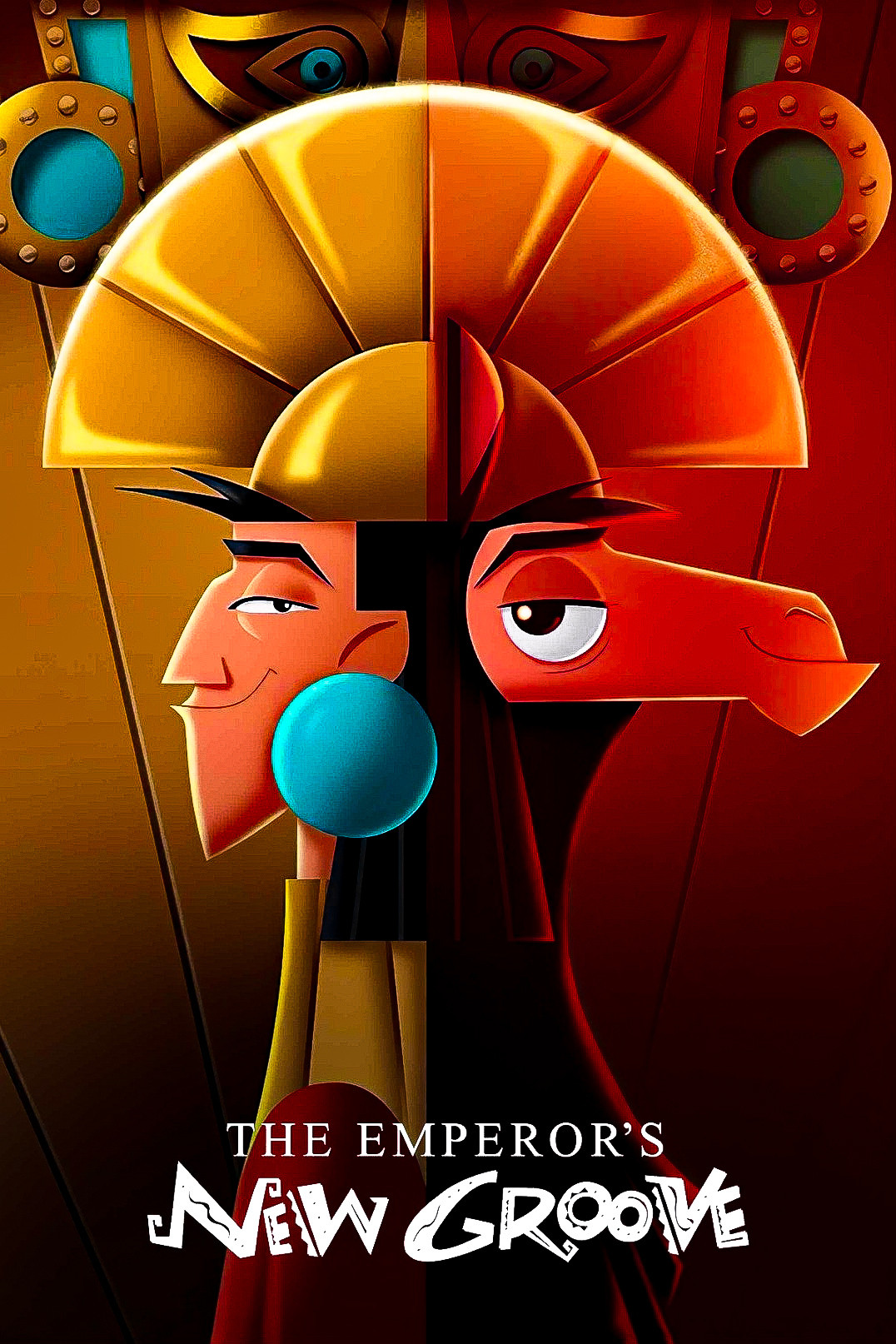
The Emperor's New Groove

2000 · Directed by Mark Dindal · 1h 18m · MPA G

In a sentenceYzma plots murder, Kronk makes spinach puffs, and somewhere behind them a llama is learning a lesson nobody asked for

AdventureAnimationComedyFamily

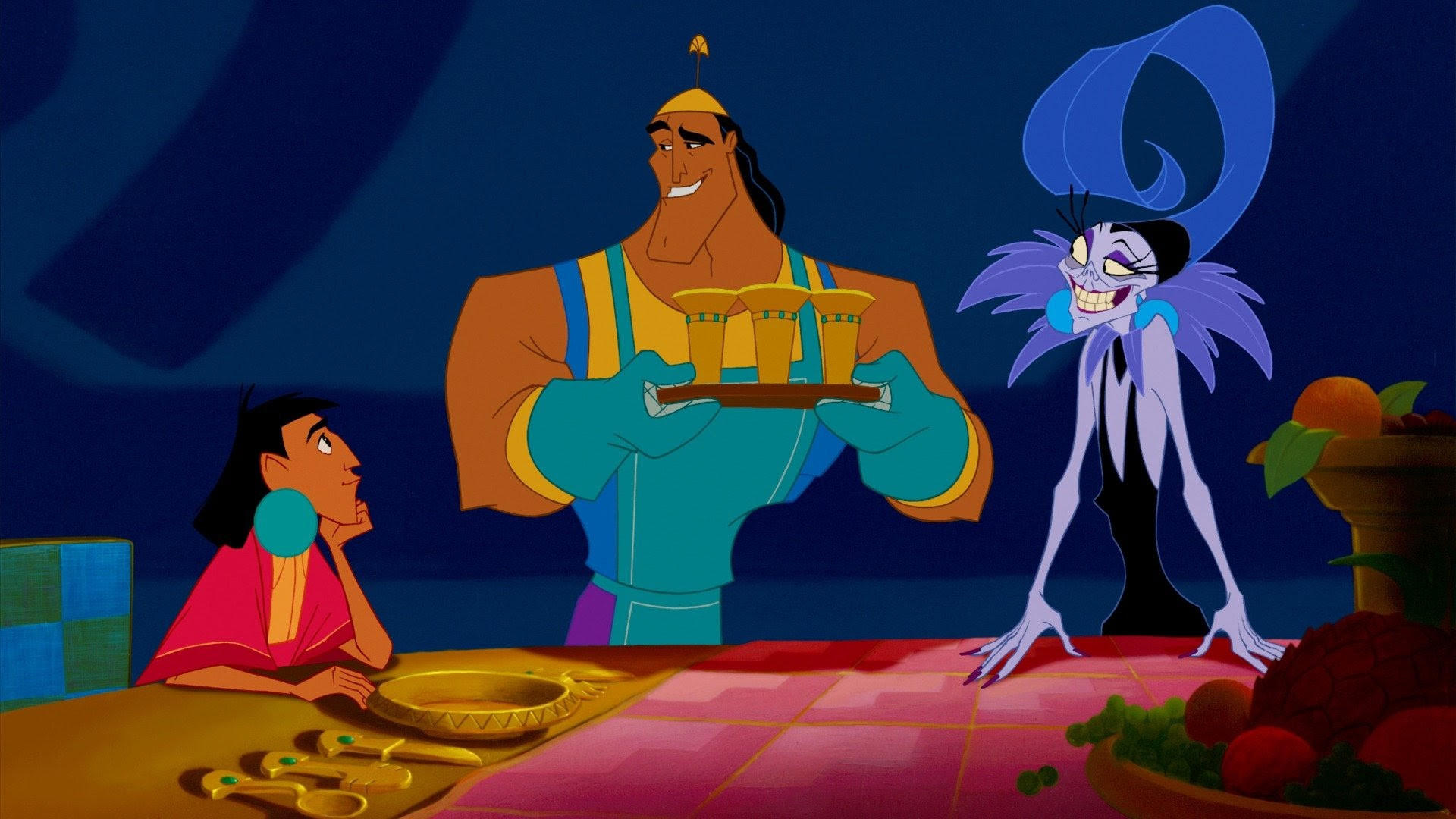
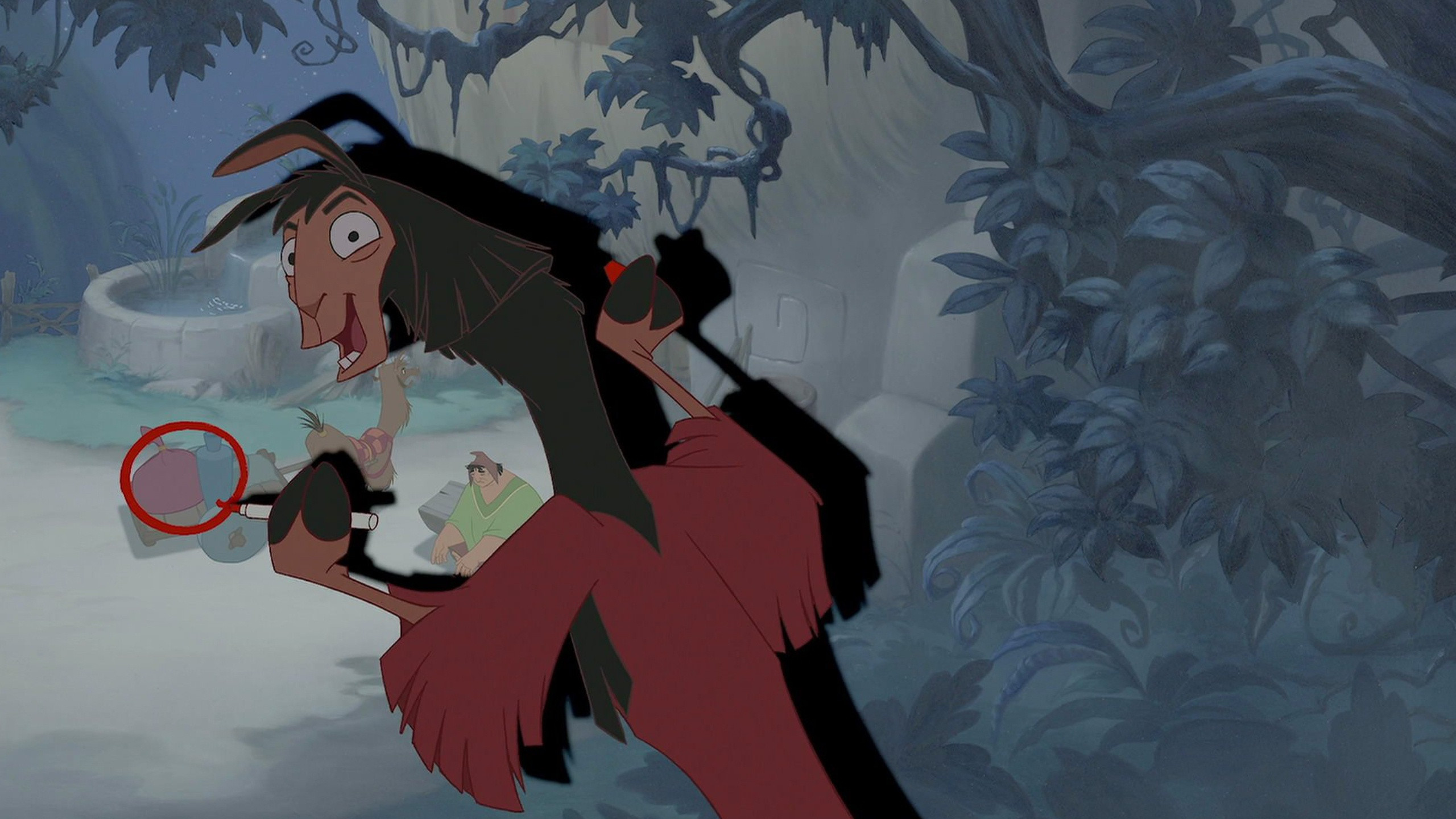
In a mountain kingdom of stone terraces and llamas, the young emperor Kuzco (David Spade) rules from a purple-and-gold palace and thinks about nobody but himself. On his birthday he sacks Yzma (Eartha Kitt), his ancient adviser, for sitting in his throne while he was out, and summons Pacha (John Goodman), a village leader from the hills, to tell him his family’s home is to be flattened for a summer retreat with a pool. Yzma decides to poison the emperor at dinner. Her henchman Kronk (Patrick Warburton), a devoted cook, picks up the wrong vial, and Kuzco wakes up as a llama. Told to dispose of him, Kronk loses the sack, and it lands on Pacha’s cart as he sets off home.

Plays from YouTube when you press play; nothing loads from them until then.

Fi1m review

Mark Dindal’s cartoon throws out the Broadway ballads and the weeping of late-nineties Disney and runs on jokes alone for 78 minutes. Most of them land. The lesson about friendship at the end is the one thing in it the film does not believe.

The Emperor’s New Groove opens on a llama sitting alone in the rain, sobbing, and the llama starts to talk. This, he tells us, is him: Kuzco (David Spade), emperor of a mountain kingdom, a young man who has an old woman thrown out of a window for spoiling his groove. Mark Dindal’s film then goes back to show how he ended up in the jungle, and it does so at a speed the studio’s features of the time rarely tried. There is one song, at the start. After that the usual Disney furniture, the ballads, the dead parent, the swelling chorus, is simply not in the film. It is a chase cartoon in the Warner Bros manner, and we mean that as praise.

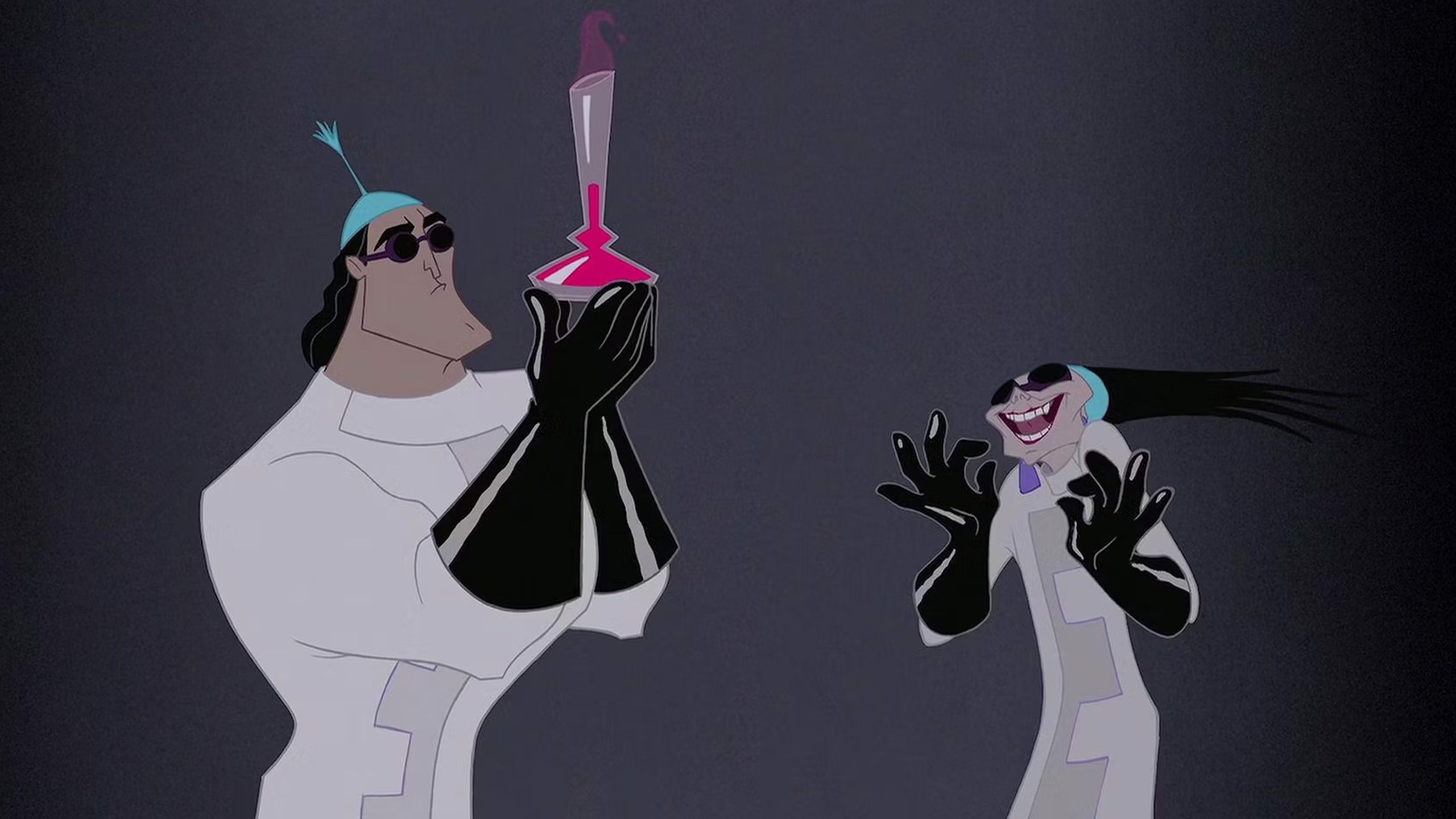
The set-up takes about ten minutes. Kuzco sacks his adviser Yzma (Eartha Kitt) for sitting in his chair. He summons Pacha (John Goodman), a big, patient man from a village in the hills, to tell him that his home is coming down to make way for a summer palace with a slide. Yzma resolves to poison the emperor at dinner, her henchman Kronk (Patrick Warburton) fetches the wrong bottle, and the emperor turns into a llama in front of his soup. Kronk is told to finish the job, and does not, and the sack ends up on Pacha’s cart. From there it is two mismatched travellers trying to get back to the city, and David Reynolds’s script never lets them rest.

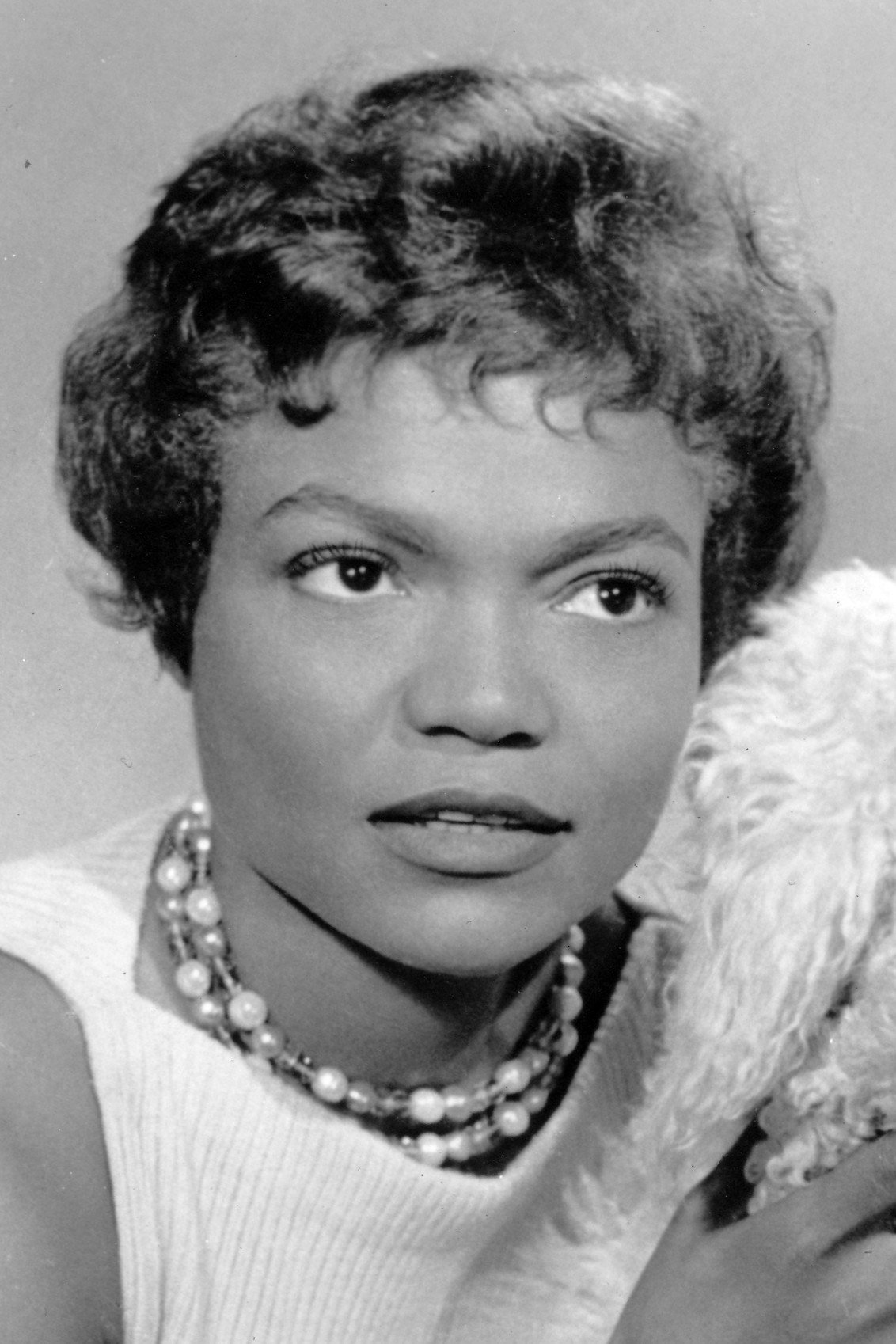
Kitt and Warburton are the film. Yzma is drawn as a coat hanger in purple eyeshadow, all elbows and cheekbones, and Kitt’s voice, which sounds like a gate that has not been oiled since the Incas, makes every line a threat and a joke at once. Kronk is a slab of a man with a baritone he delivers dead flat, whether he is plotting an assassination or worrying about his spinach puffs. He talks to squirrels. He has an angel and a devil on his shoulders who argue in front of him. We laughed out loud, in a way we rarely do at a family cartoon, at the devil’s closing argument, which involves a handstand and nothing else, and we laughed again at the theme tune Kronk hums to himself while creeping through the palace with a sack.

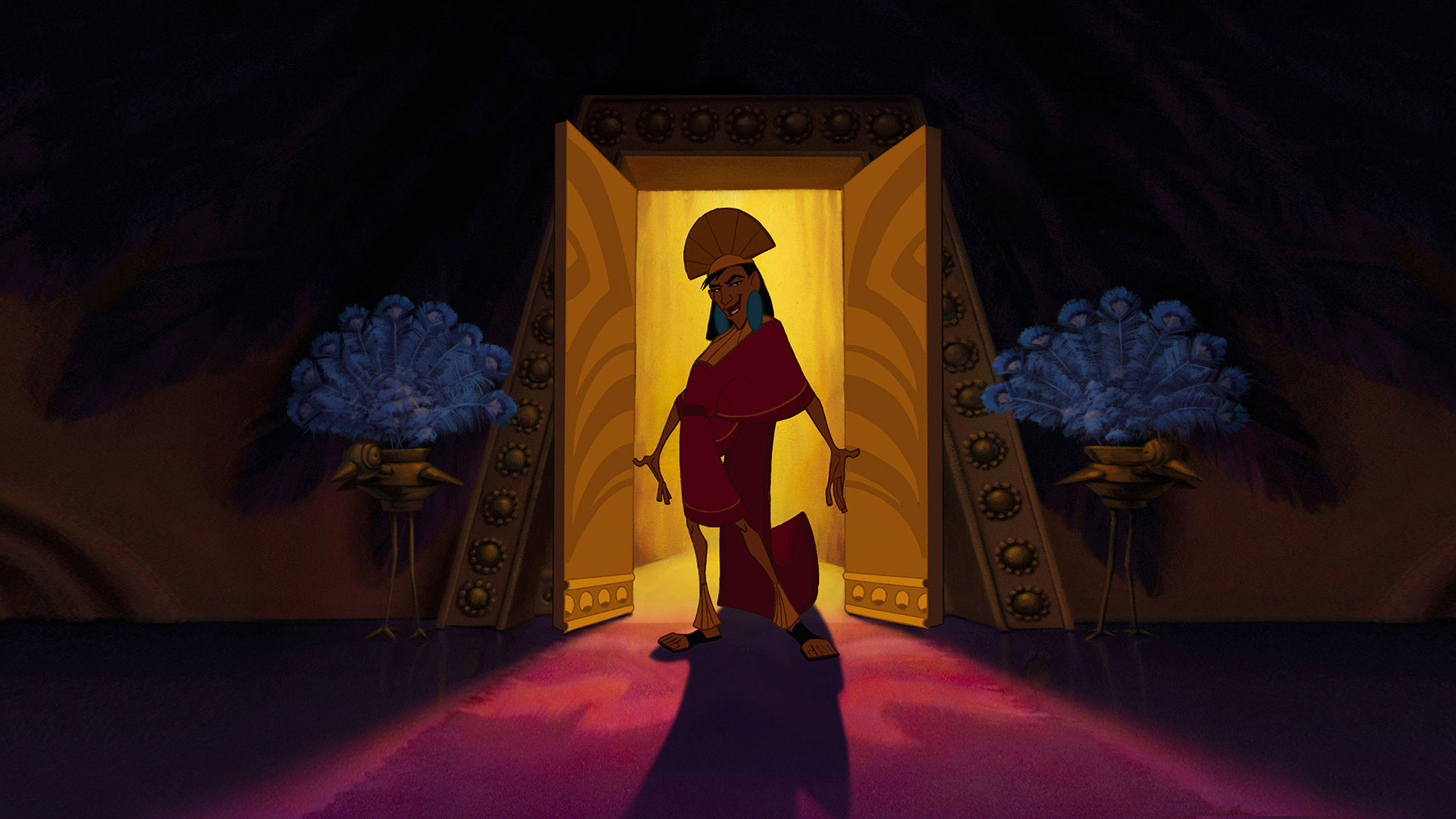
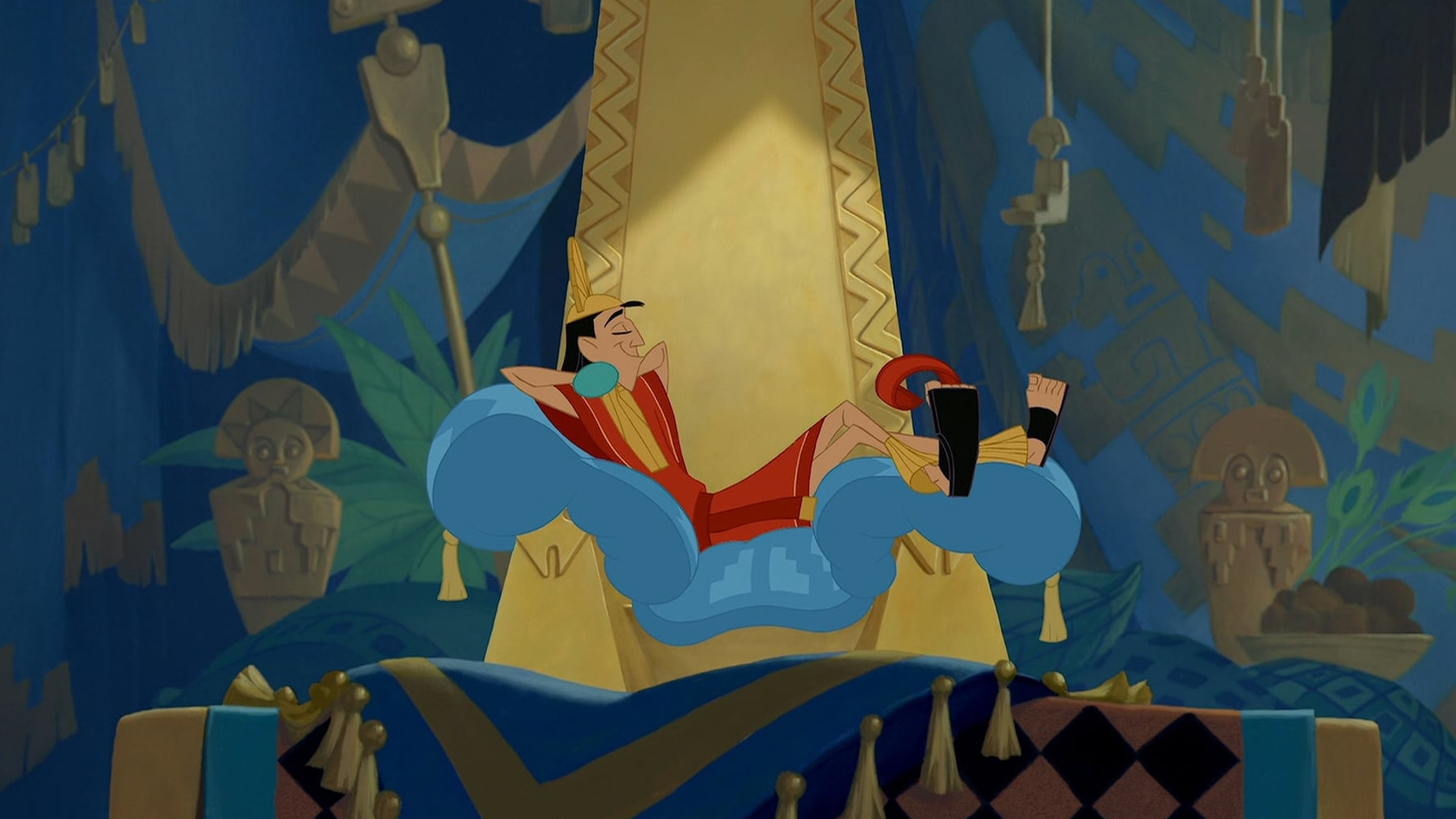
The drawing has been simplified to let all this move. Paul A. Felix’s production design takes the shapes of Incan stonework, the stepped blocks and trapezoid doorways, and tilts them, so that the palace looks like a building that has had one too many. The backgrounds are flat and plain, which is a choice, not a shortcut: the figures can rush in front of them without anything getting in the way. John Debney’s score is brass and bongos and big-band swing, and it hits the gags on the beat the way the old Looney Tunes scores did. Tom Finan and Pam Ziegenhagen cut every scene on the punchline and get out. The whole thing is 78 minutes and we could not name a stretch that drags.

Spade’s Kuzco is meant to be irritating, and he is, which is a risk the film mostly gets away with because Goodman is there to absorb it. Pacha is warm without being soft, and Goodman lets him lose his temper at the right moments. His wife Chicha (Wendie Malick), heavily pregnant and unimpressed by everything, and the children Chaca (Kellyann Kelso) and Tipo (Eli Russell Linnetz) give the film its one household, and the scenes there are quieter and better than we expected.

What the film cannot do is mean it. Kuzco is supposed to learn that other people exist, and the moment when he does is a couple of lines and a hug, hurried through because the film is embarrassed by it. The surrounding jokes have spent an hour teaching us not to take anything seriously, so when we were asked to, we did not. We admired the nerve of a Disney film that will not cry, and we felt nothing at the point where it wanted us to. The anachronisms, a roadside diner, a theme park, a bit of business with a waiter, are funny the first time and a little pleased with themselves the second.

Still, this is the studio remembering it can be silly. The decade before it had been stately musicals with big hearts and big choruses, and here is a cartoon that would rather do a squirrel joke than a sunset. Children will like the llama. Adults will find themselves quoting Kronk for years, and will not be able to explain why.

Critical consensus AI synthesised

79
Positive
9
Mixed
1
Negative
0

Most critics like it, and for the same reason: it is faster and funnier than the studio’s usual output. Nine of the ten reviews are positive. The praise clusters on the comedy, with reviewers pointing to the pace of the gags and the snap of the one-liners, and several trace the tone to Warner Bros. cartoons and 1930s screwball farce rather than to Disney’s Broadway-style musicals. The voice cast is the other point of agreement. Eartha Kitt’s scheming Yzma is named most often, with David Spade, John Goodman and Patrick Warburton close behind, and the animation is generally called sharp and well drawn.

The spread is narrow. The one real reservation comes from Empire, which finds the gags plentiful but the film short on heart and quickly forgotten. Time Out thinks the modernising is self-conscious, though it still counts the result a success. A few reviews note the absence of grand visuals or a big score, but most treat that as a relief rather than a loss.

Los Angeles Times
15 December 2000 · Kevin Thomas
90*

The critic describes it as a delightful, effervescent morality tale conveyed with wit and sophistication that enchants adults as well as children. He singles out the perfect voice casting, exotic Incan-inspired settings, and light, soufflé-like tone with the panache of a 1930s screwball comedy.

Read the full review →
Total Film
16 February 2001
90*

A side-slicingly sharp, bruisingly funny buddy movie that is slick and unlike a normal Disney film, with wit and energy that lifts the studio out of a rut. The finest and funniest Disney for ages, it bristles with wit despite not launching a thousand lunchboxes.

Read the full review →
Evening Standard
10 April 2012
85*

This is one of Disney's wittiest animated features, breaking new ground stylistically with its laid-back, post-modern tone and sophisticated draughtsmanship. The freshness comes from the cartoonists' restless line and the snap of the one-liners, making it too good to waste on children only.

Read the full review →
RogerEbert.com
15 December 2000 · Roger Ebert
85*

The critic calls the film a goofy, slapstick cartoon in the best sense, praising its zany energy, sight gags, and cheeky storytelling that evokes classic Warner Bros. cartoons over typical Disney musicals. He notes the fun buddy dynamic between the self-absorbed emperor-turned-llama and the helpful peasant, finding it upbeat and funny.

Read the full review →
The Guardian
16 February 2001 · Peter Bradshaw
80*

The critic praises this Disney animation as witty, sharply designed and richly voiced, calling it lively and funny rather than worthless. Eartha Kitt's scheming courtier Yzma is singled out for particular praise.

Read the full review →
Variety
10 December 2000 · Robert Koehler
80*

The review notes that Disney's new animators have staged a palace revolt, establishing a fresh, hip attitude with light, taut comedy inspired by Chuck Jones and Tex Avery rather than recent Disney trends. It praises the amusing buddy comedy, farcical chase sequences, and successful modeling of characters on their voice actors, especially the energy from Spade, Goodman, and Kitt.

Read the full review →

Cast

Awards

Annie Award for Best Animated Feature, 2001

Nominated
Annie Award for Best Animated Feature

BAFTA Film Awards, 2001

Nominated
BAFTA's Children & Young People Award - Feature Film

Satellite Award for Best Animated or Mixed Media Feature, 2001

Nominated
Satellite Award for Best Animated or Mixed Media Feature

Critics' Choice Awards, 2000

Nominated
Best Animated Feature

If you liked this, try…

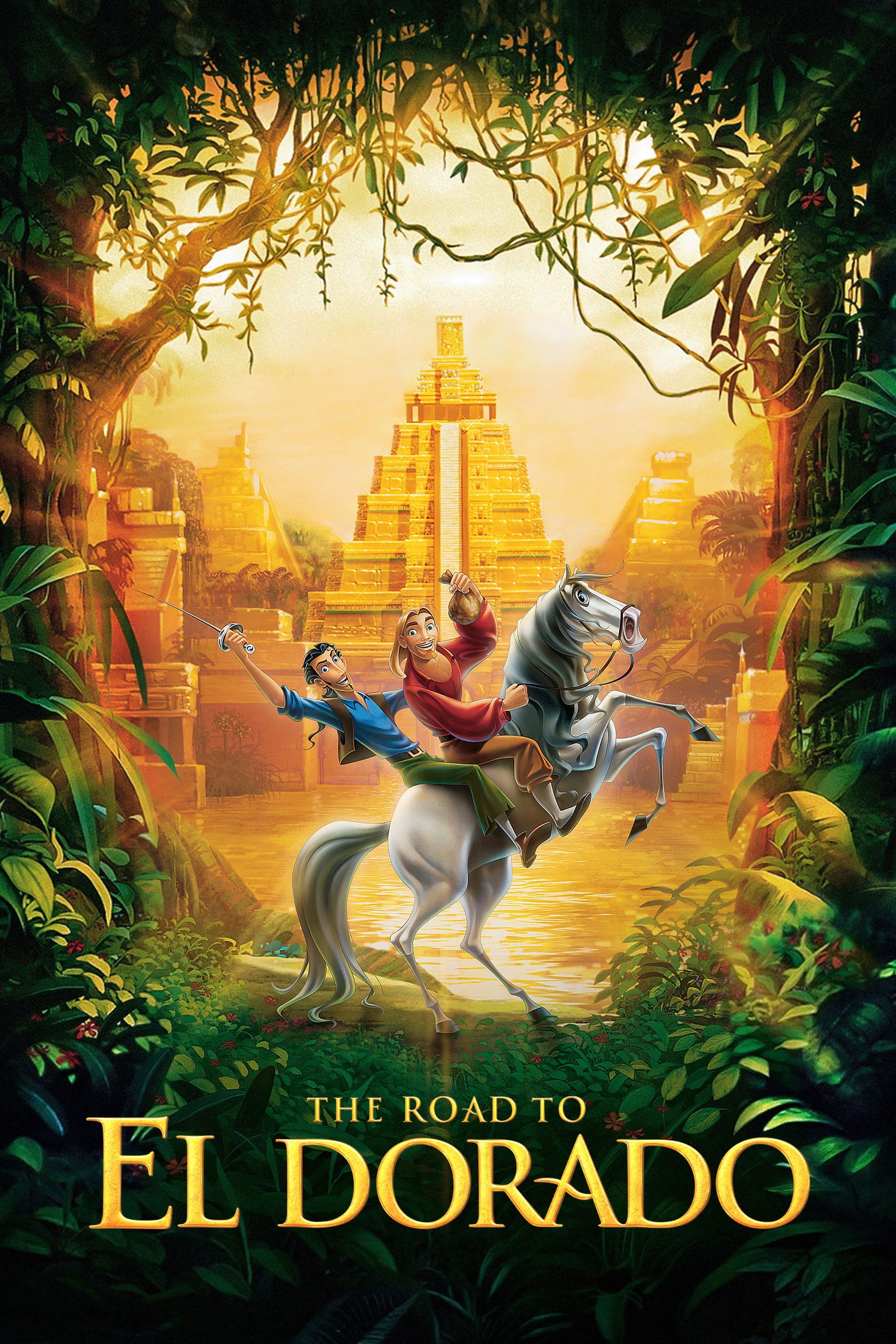
The Road to El Dorado poster

The Road to El Dorado

2000 · Two chancers, one continent, the same year; the other Mesoamerican buddy cartoon.

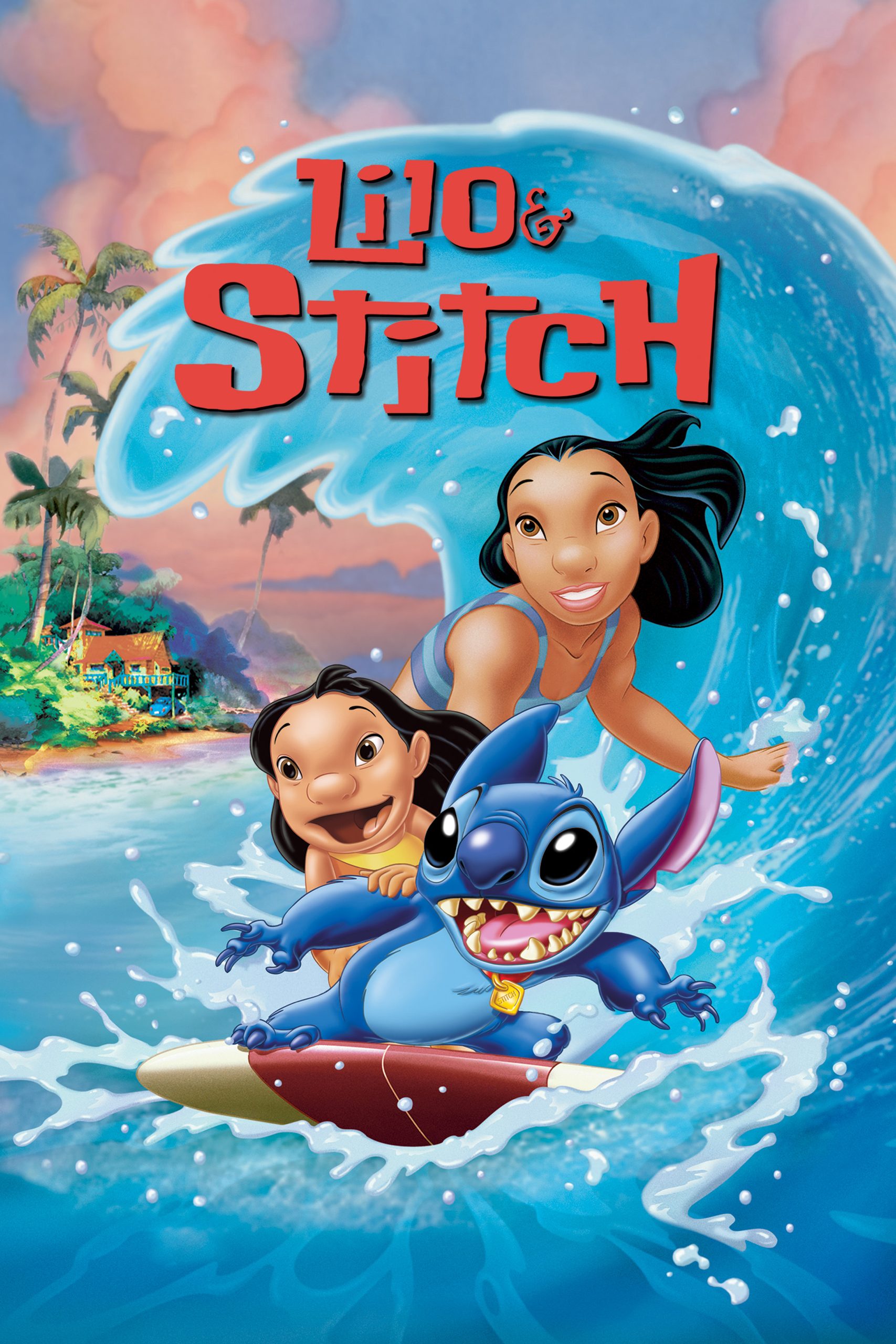
Lilo & Stitch poster

Lilo & Stitch

2002 · Disney off the leash again, this time with a heart that actually works.

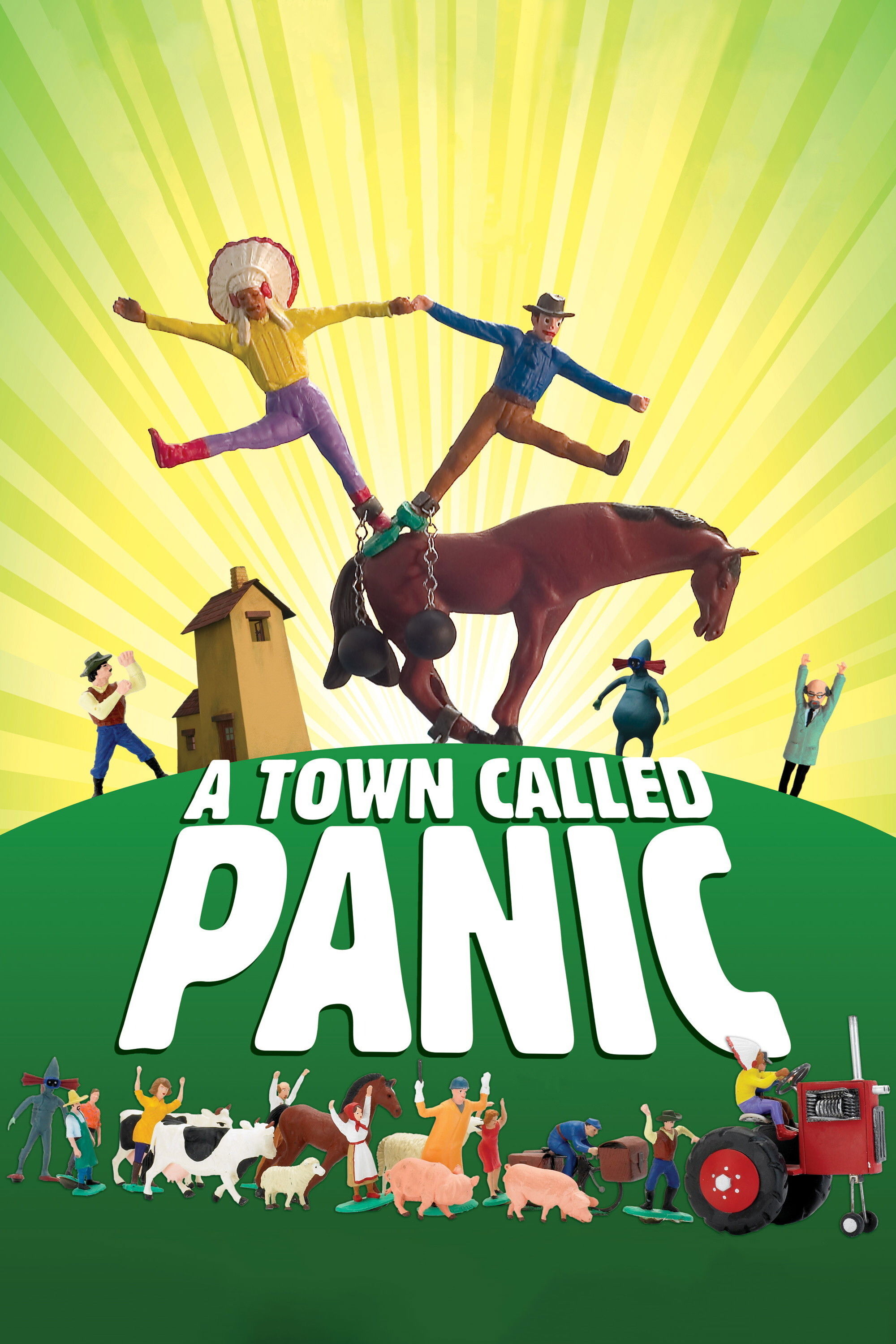
A Town Called Panic poster

A Town Called Panic

2009 · Belgian stop-motion that moves even faster and makes even less sense; a joy.

Midnight Run poster88

Midnight Run

1988 · The buddy chase done for adults, with Grodin as the llama.

Cloudy with a Chance of Meatballs poster

Cloudy with a Chance of Meatballs

2009 · Gag-a-second animation that owes this film a good deal and knows it.