Kurt Kuenne’s memorial to Andrew Bagby is painful, absorbing and worth the distress it causes. The crowded editing sometimes presses too hard, but the family interviews give this documentary a force that needs little assistance.
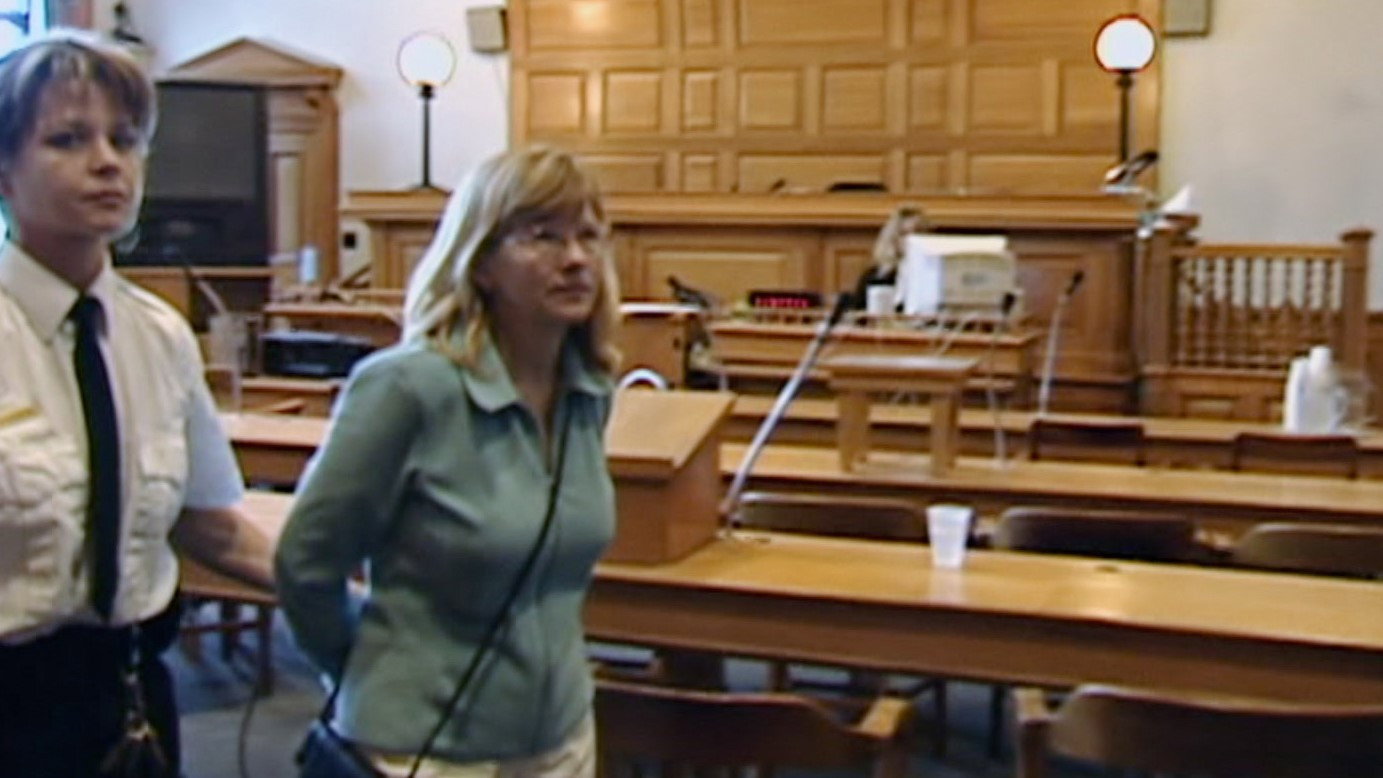
Dear Zachary: A Letter to a Son About His Father is a deeply moving documentary that sometimes pushes its audience too hard. Kurt Kuenne sets out to remember his friend Andrew Bagby, using home footage, photographs and interviews with people who knew him. That personal purpose matters as the film moves into a crime story and a challenge to the Canadian justice system. We recommend it, with a warning about the emotional pressure Kuenne applies.
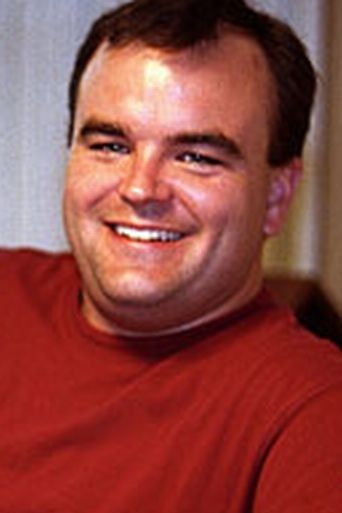
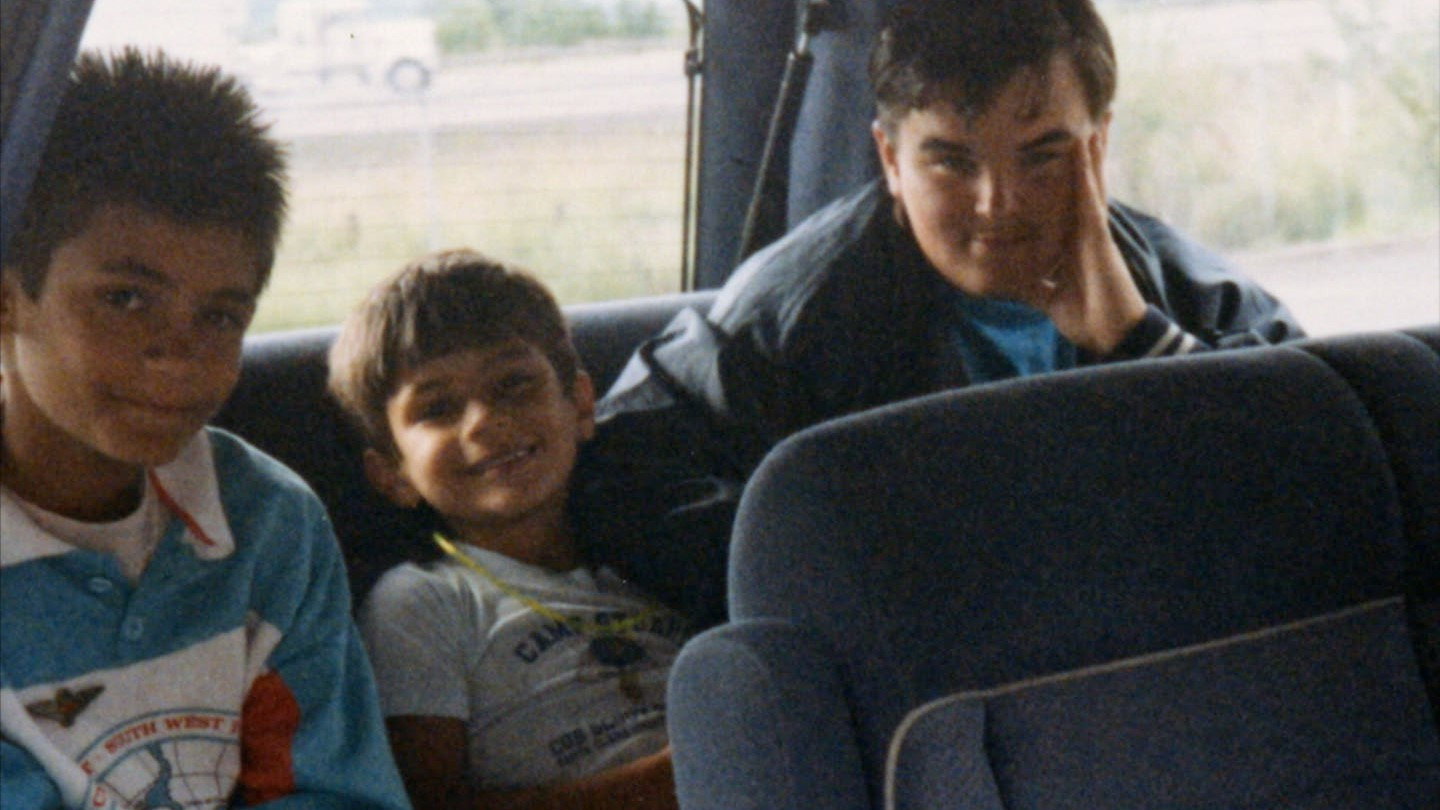
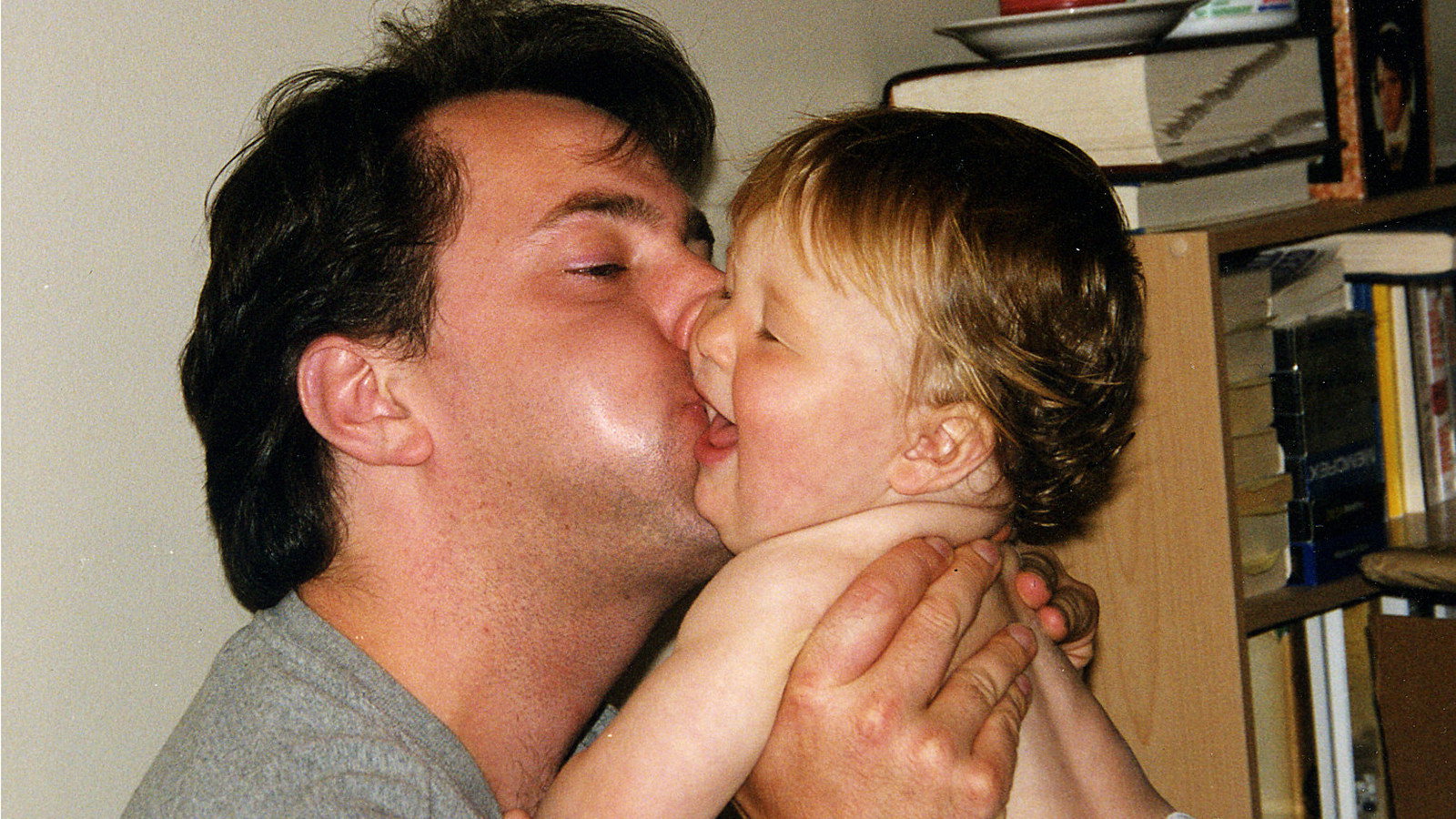
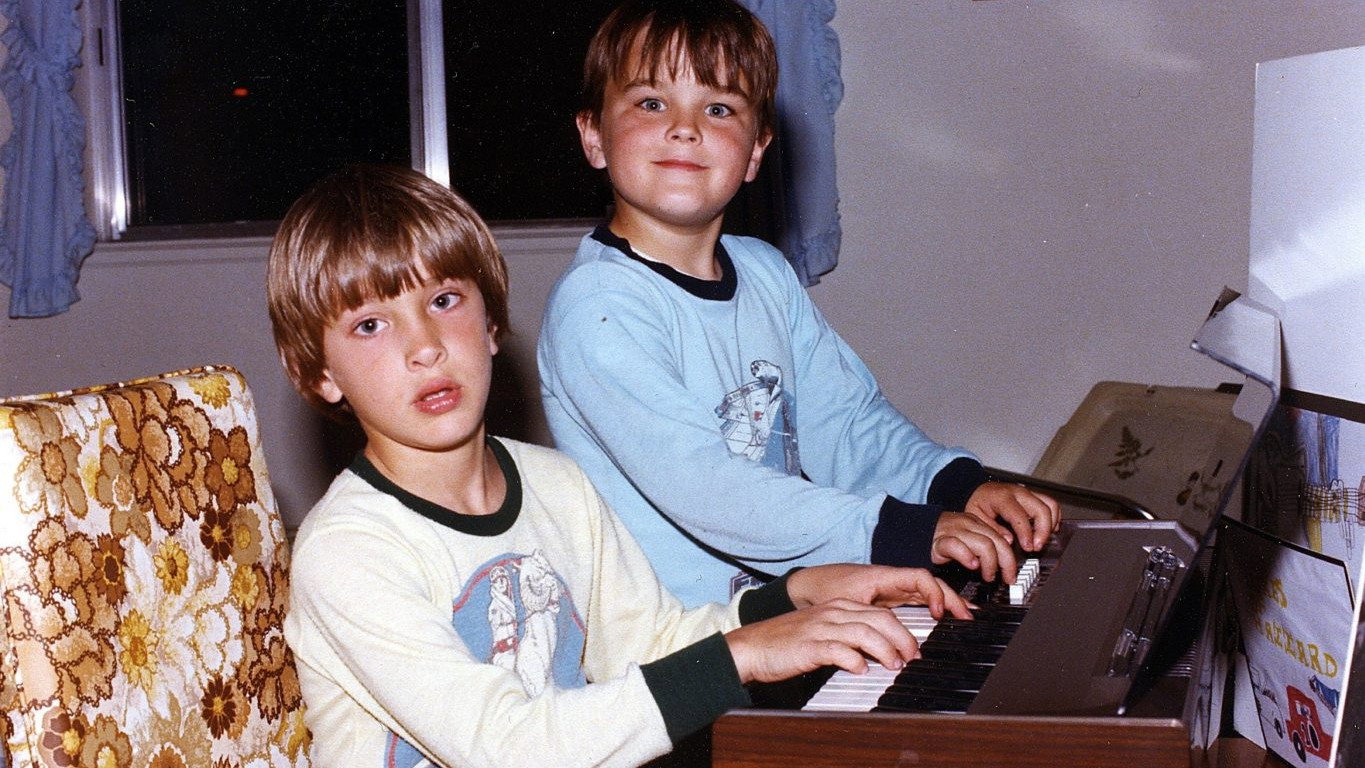
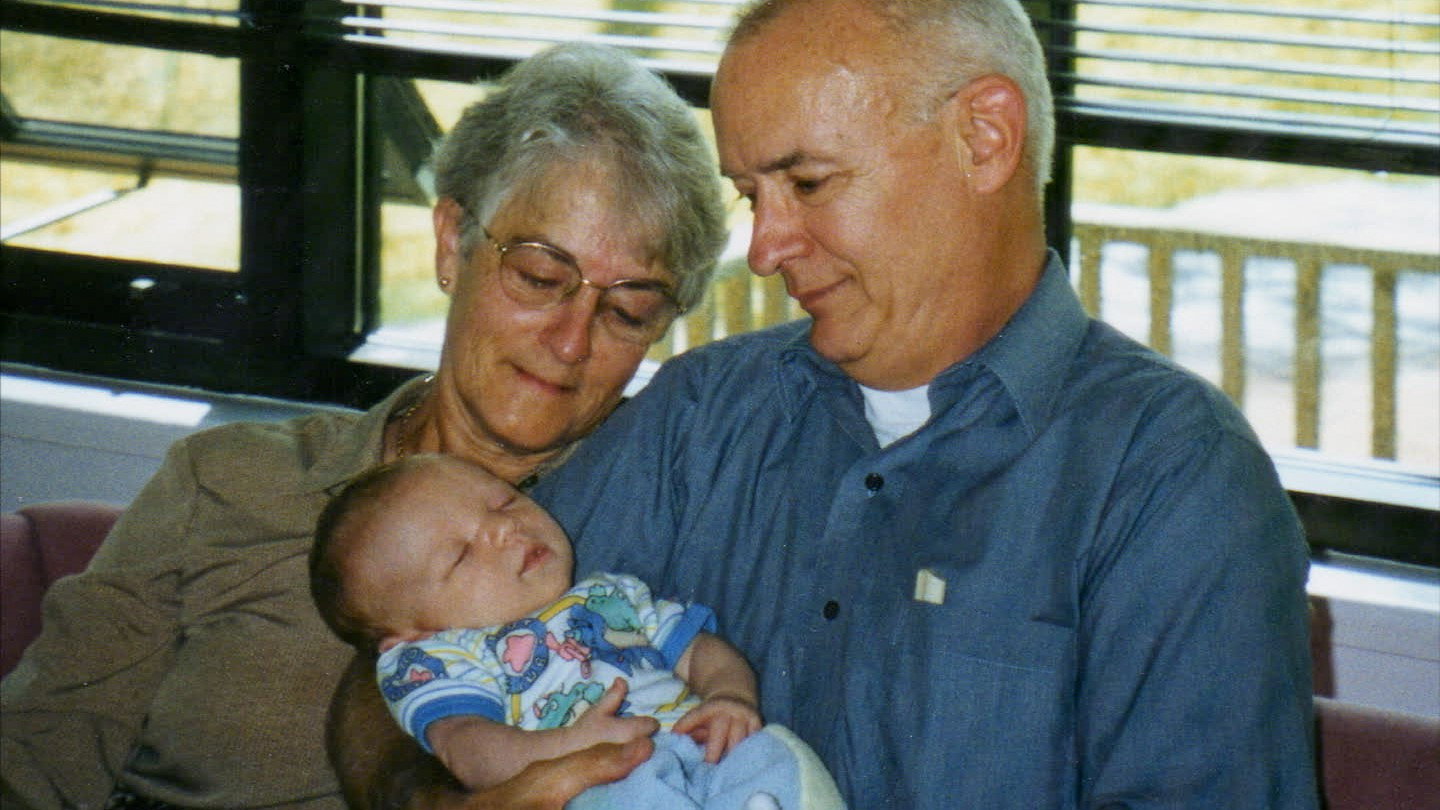
Andrew gets something that victims in crime documentaries are too often denied: time to be remembered by people who loved him. The contributions of friends and relatives build up a sense of someone whose life cannot usefully be reduced to the details of a legal case. The home footage of Andrew, set beside those recollections, moved us more than we expected. Seeing him while listening to people remember him makes those memories immediate, without requiring any knowledge of the case.
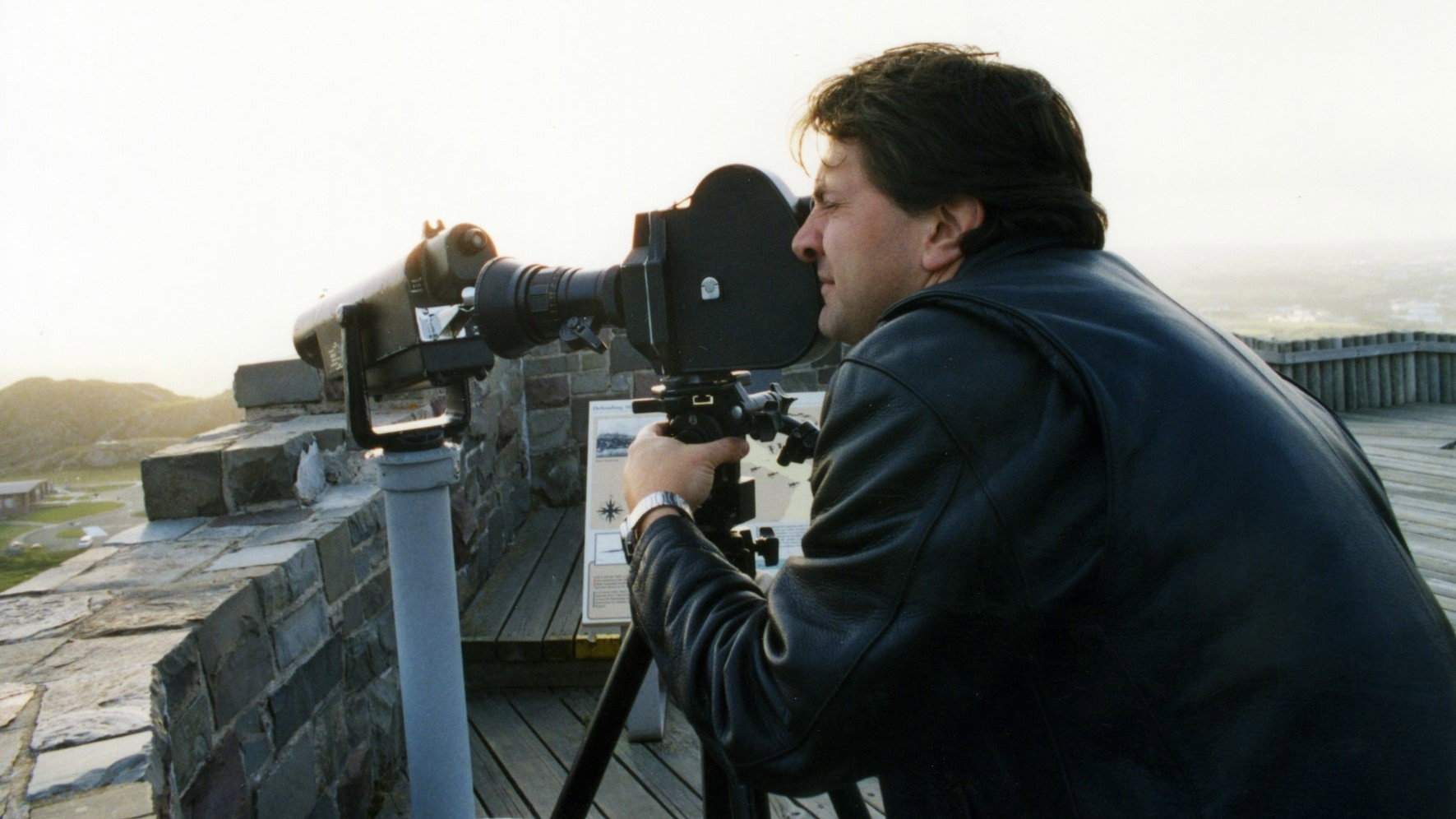
Kuenne directs, writes, shoots and edits, and that concentration of jobs helps explain both the closeness and the occasional overcrowding. As cinematographer, he keeps our attention on the interviewees rather than on making their testimony look impressive. As editor, he brings archive material and spoken memories together at a pace that makes each contribution feel urgent. The assembling of Andrew’s portrait is skilful, although there are moments when we want a face or a recollection to remain before the next arrives.
David and Kathleen Bagby, Andrew’s parents, give the film its strongest reason to keep watching. Their presence prevents the legal material from becoming a succession of grievances against an institution, even as Kuenne’s anger grows more explicit. The film gives their love and distress the attention they deserve. The interviews remain compelling when the surrounding account gets busy, because these are people with more to bear than a documentary can explain.
The difficulty is Kuenne’s determination to make every hurt register at full strength. His cutting can become so crowded that it leaves too little space to absorb what somebody has just said; the emotion is already there, and the insistence can get in its way. Kuenne also composes the music, which feels less necessary when the voices carry so much on their own. A little more quiet would allow the interviews to do their work without competing for our attention.
The film’s turn towards legal reform has force, though anger sometimes takes the place of patient examination. Kuenne’s loyalty is clear, and there is no reason a friend making a memorial should pretend to stand at a distance. There is reason to ask for greater restraint when the same film asks us to judge how a justice system behaves. That part of the film leaves us wanting more explanation of the decisions under attack.
At 94 minutes, this is a demanding watch, and we would not choose it for an evening when we needed distraction. Its attention to Andrew and his family justifies the strain. Go in knowing as little of the case as possible. Leave room afterwards for something other than the next film.