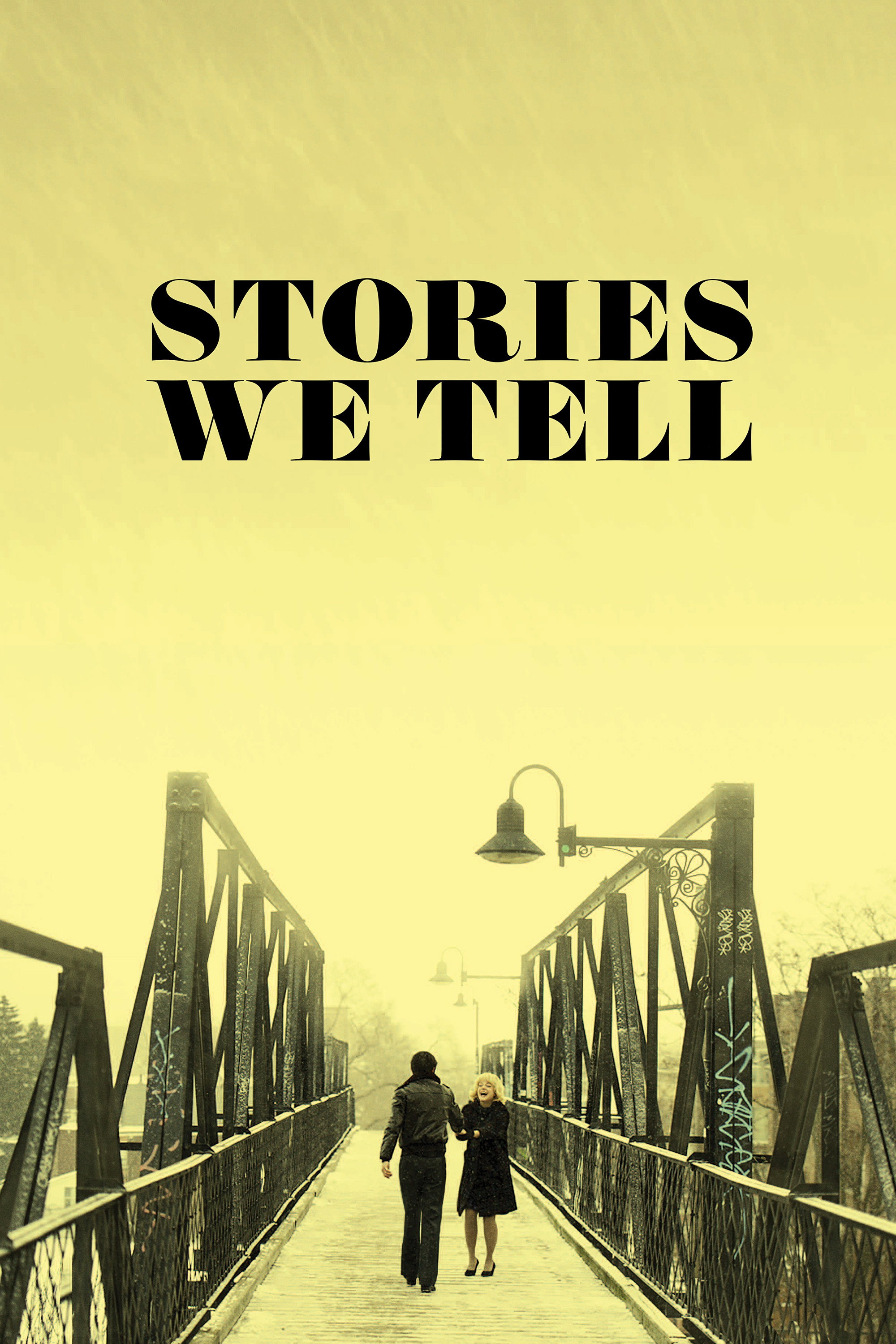
Sarah Polley turns the camera on her own family and asks them to tell her the story of her mother, and they all tell it differently. It is warm, sly and moving; it also keeps explaining its own cleverness after we have understood it.
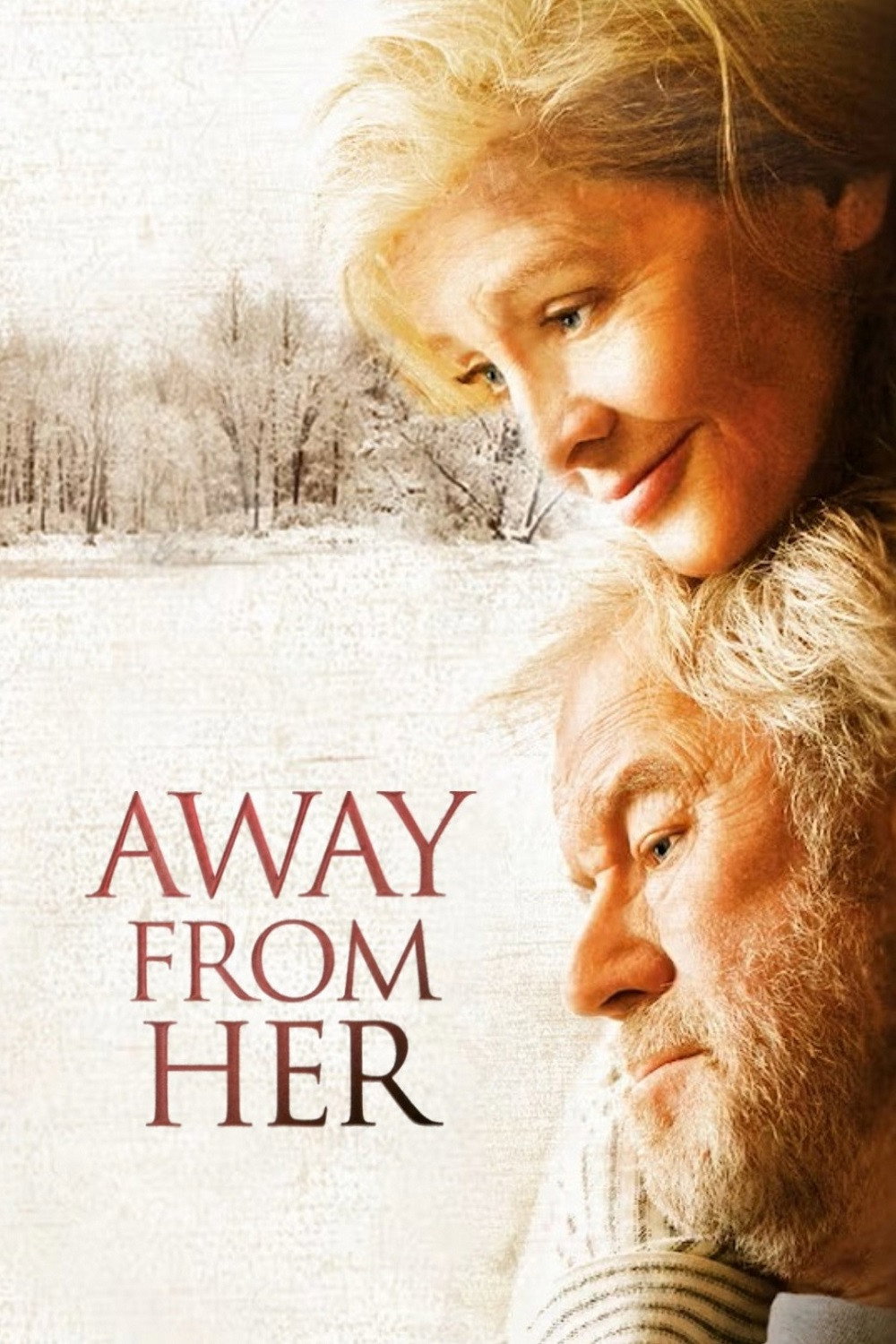
Sarah Polley was a child actor for years before she directed Away from Her (2006) and Take This Waltz (2011), so she knows what a camera does to people asked to be themselves in front of it. In Stories We Tell she points one at her own family. Her father, her brothers and sisters, and a handful of her late mother’s friends are each asked to tell, from the beginning and in full, the story of Diane Polley, an actress and casting director in Toronto who died when Sarah was eleven. No two of them tell it the same way. That is the film, and for most of its 109 minutes it is a warm, sly and unusually honest one.
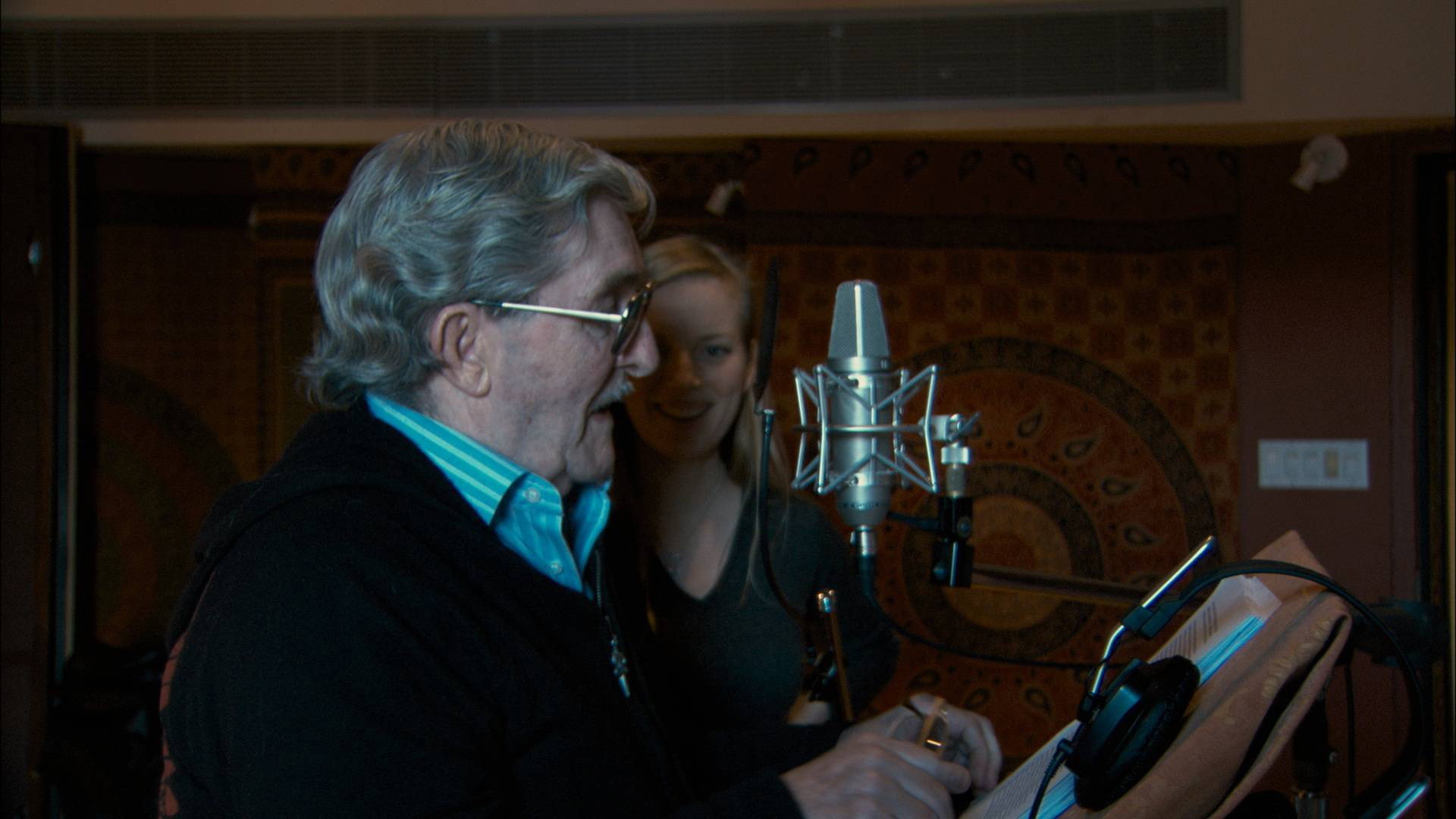
Michael Polley is the anchor. He has written the story down himself, and his daughter puts him in a recording booth to read it, then interrupts from the other side of the glass to ask for a line again. He does the line again. He is English, dry and unhurried, and he reads passages about his own marriage that a vainer man would have cut, with a courtesy that never once asks for our sympathy. It moved us more than we were ready for, watching a man let his daughter direct the hardest chapter of his life and ask only whether the reading was any good.
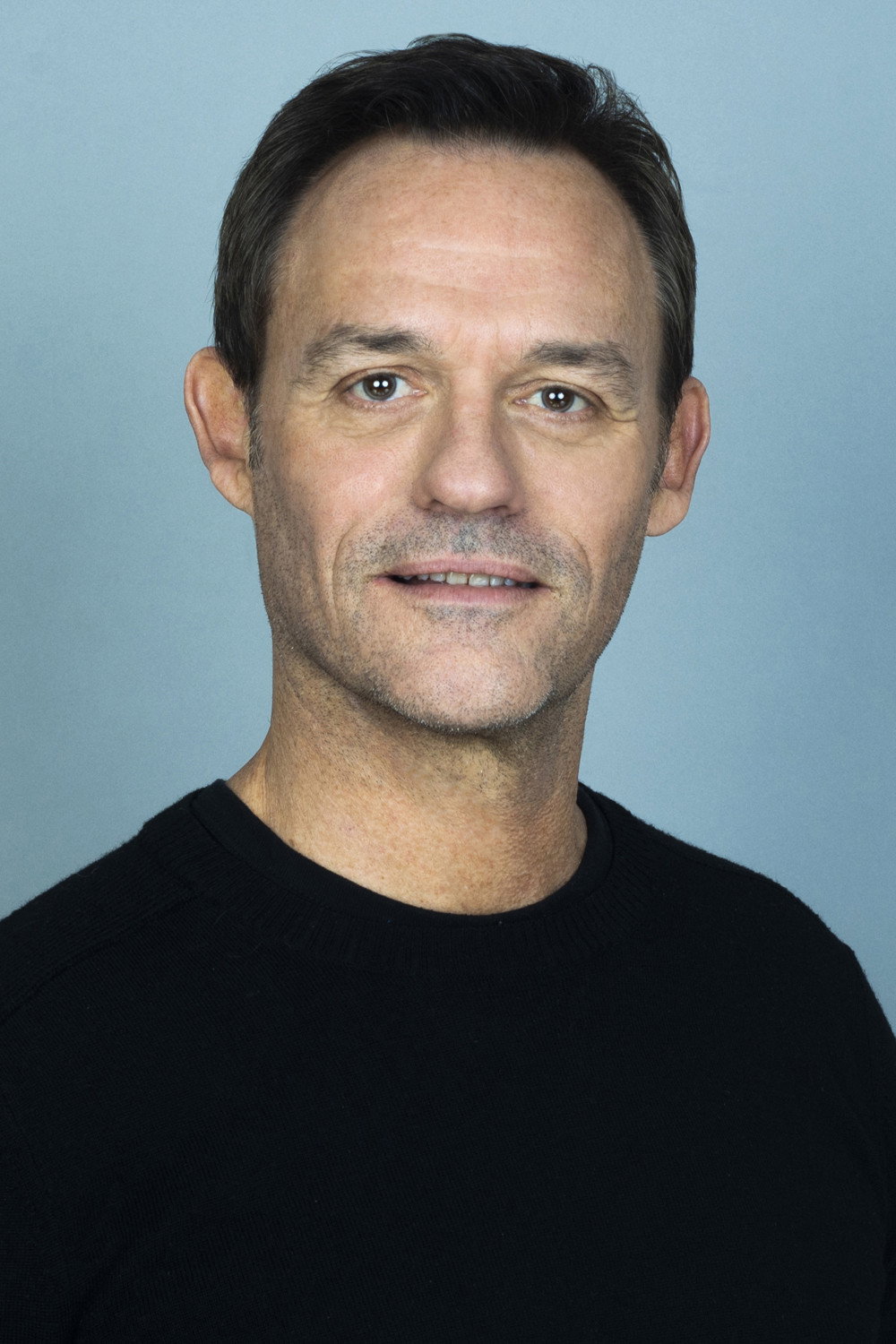
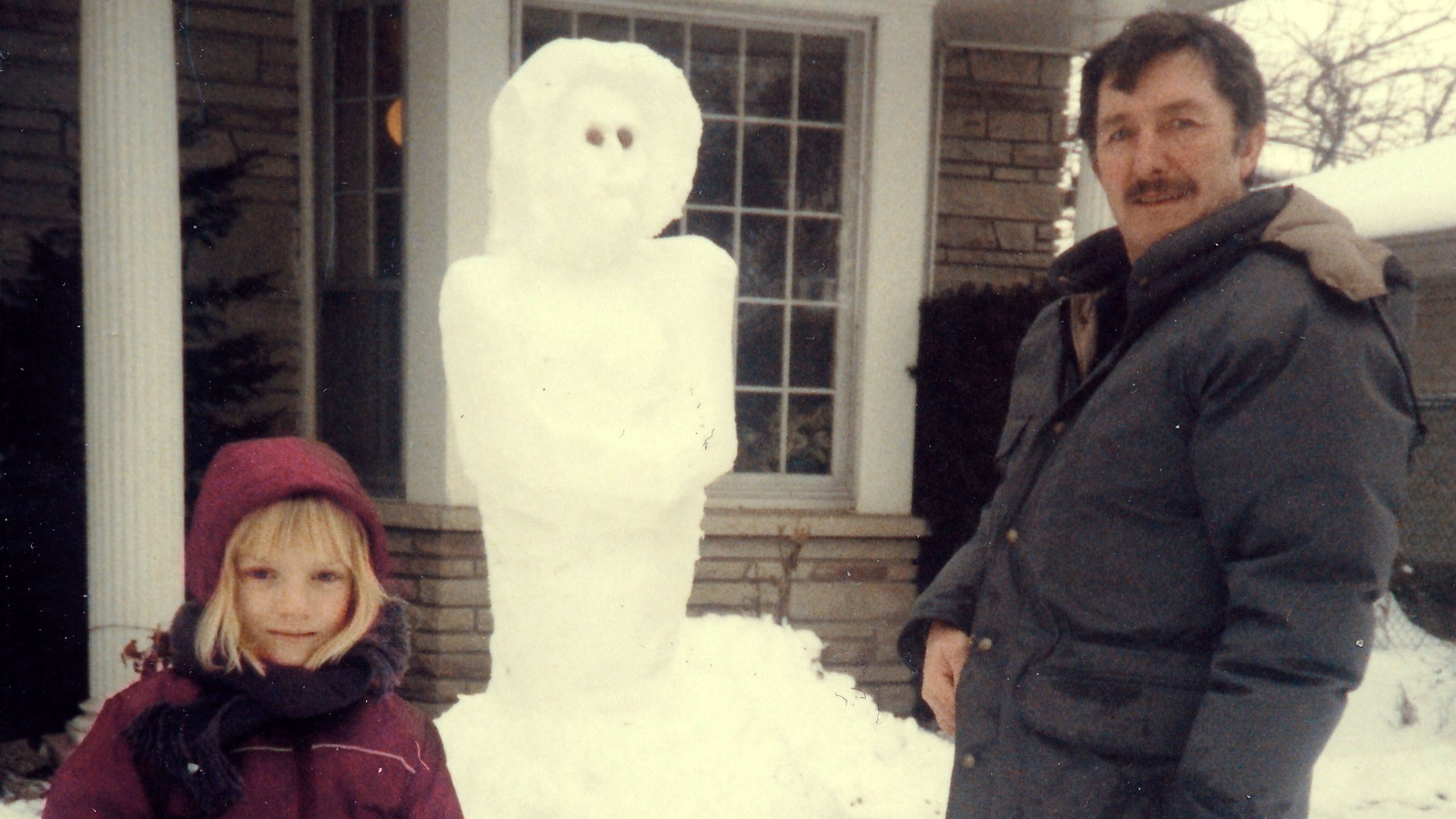
Around him sit the others, in their own kitchens and sitting rooms. Mark Polley, Joanna Polley, John Buchan and Susy Buchan overlap, correct one another and now and then flatly disagree, and Mike Munn cuts them so that a memory begun by one is finished by another who remembers it the other way round. Harry Gulkin, who knew Diane from her time in Montreal, tells his part slowly, and it belongs to the second half. The first hour is built on a family joke, that Sarah looks nothing like her father, and on a winter Diane spent in Montreal doing a play. Everyone remembers the joke. Nobody agrees on the winter.
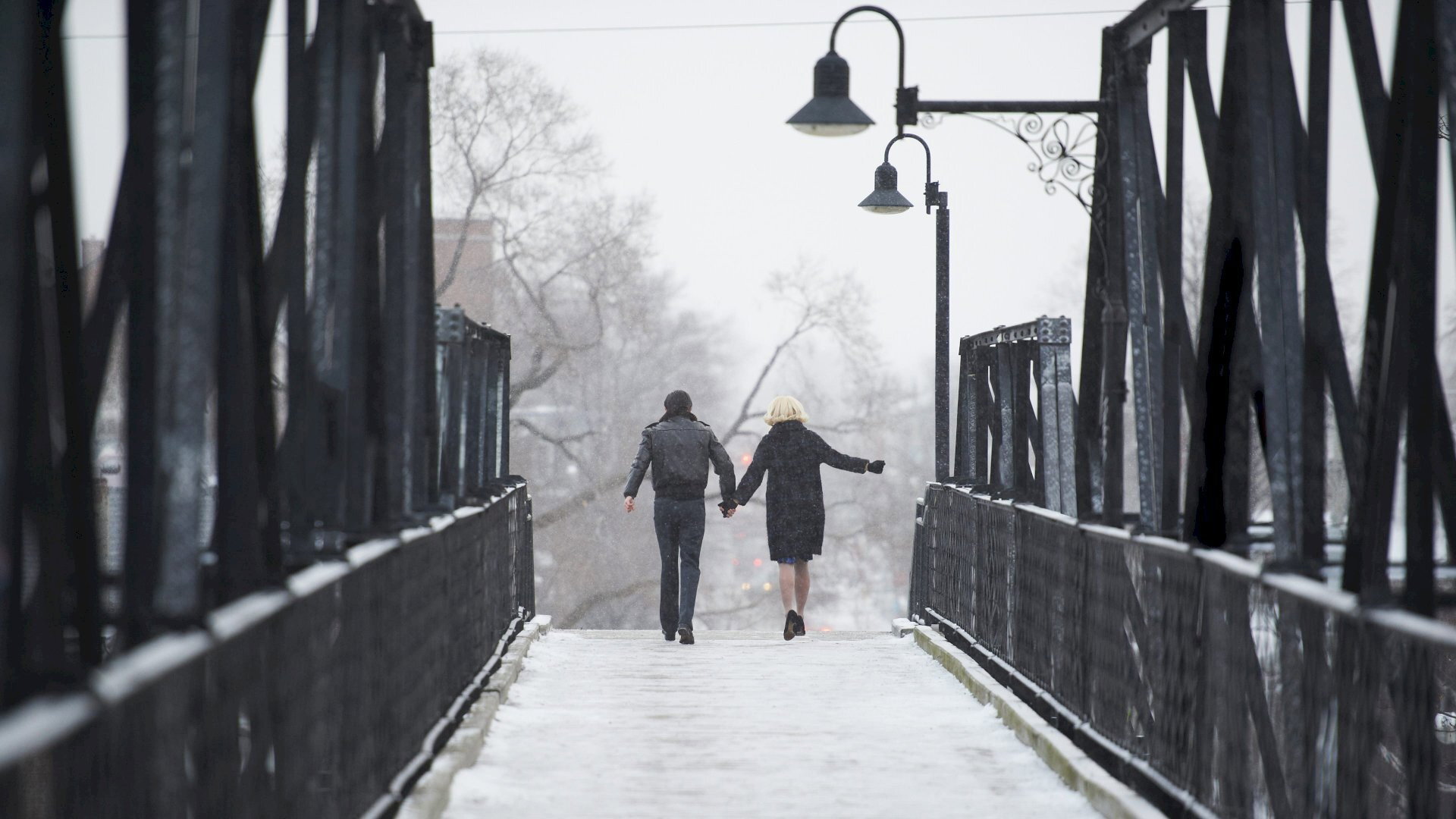
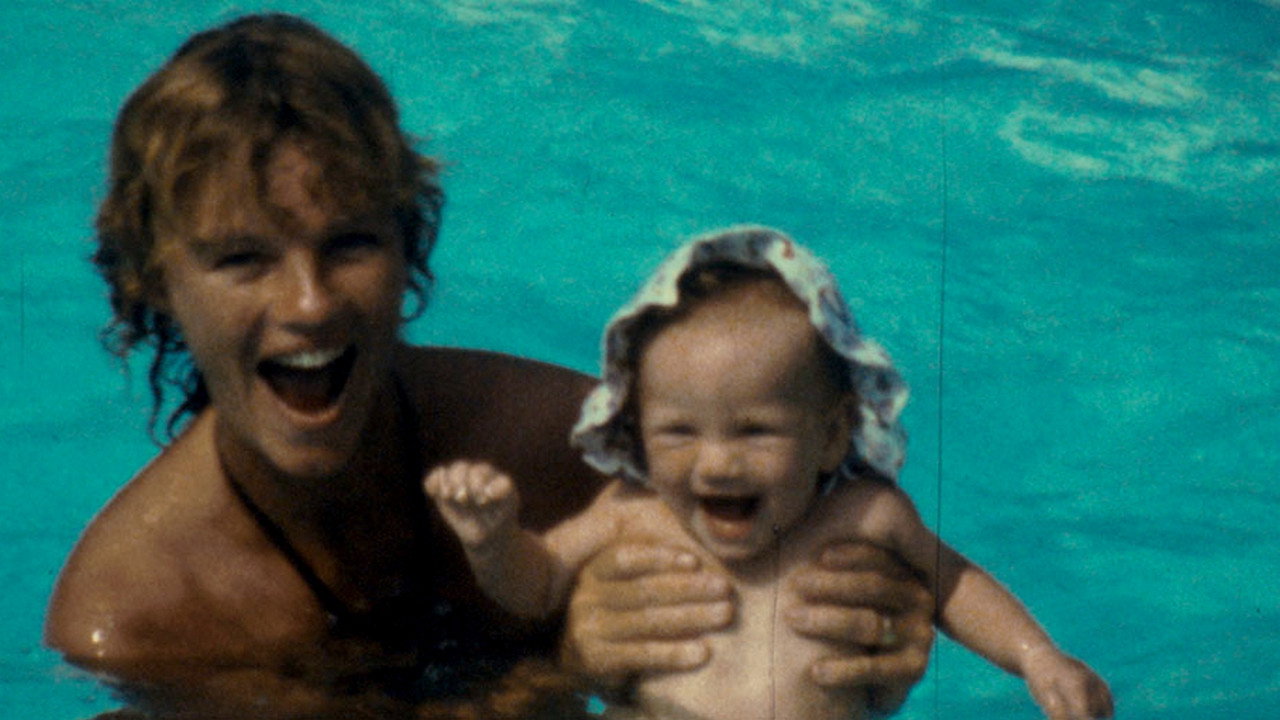
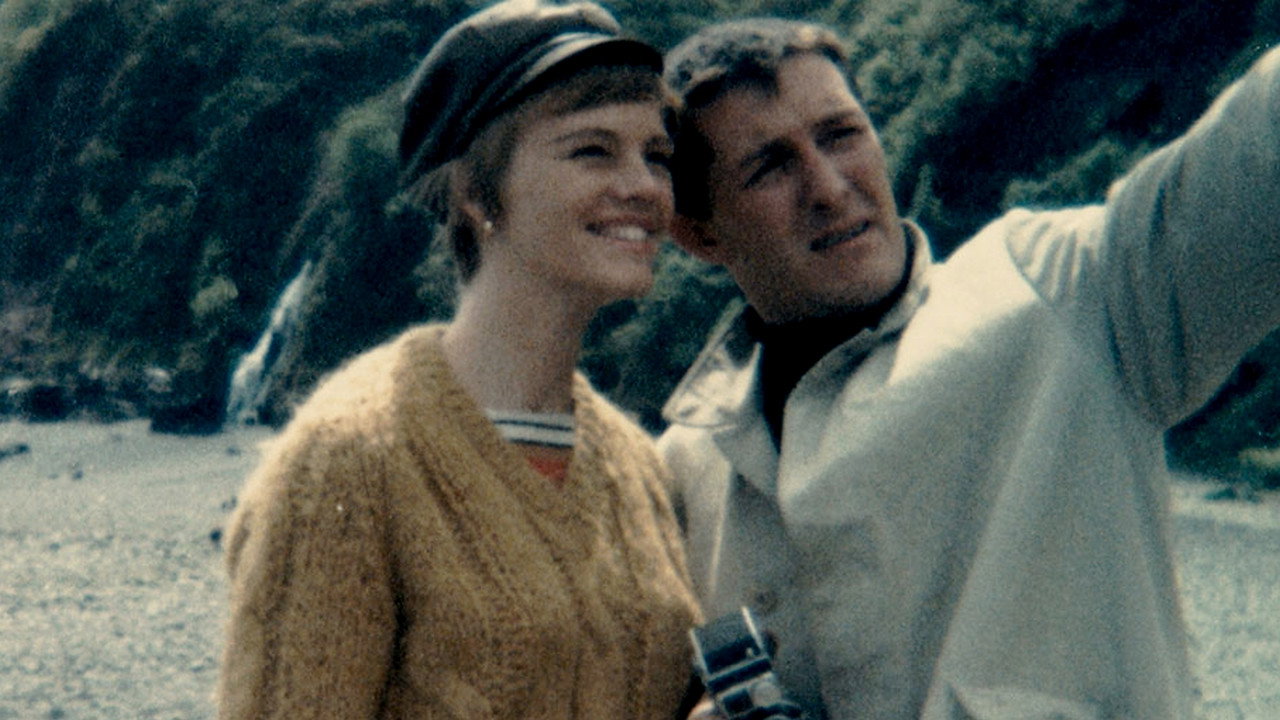
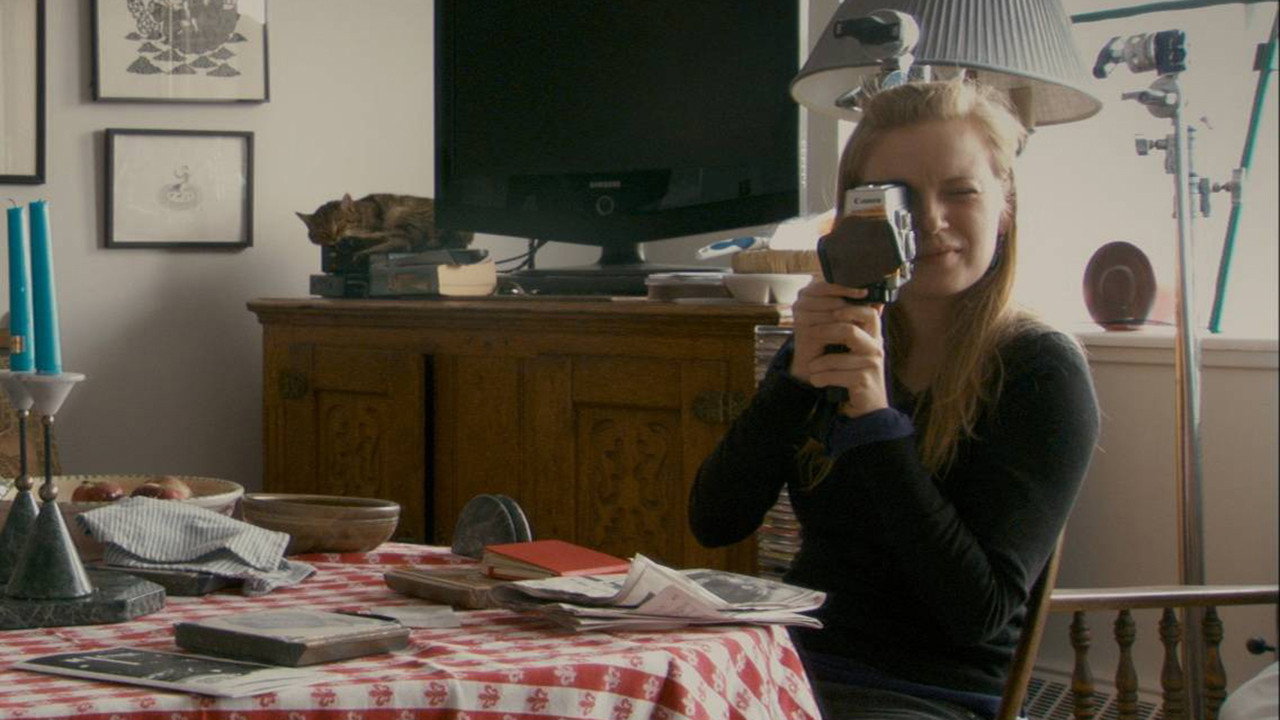
Iris Ng shoots the interviews plainly, in daylight, and lets the family’s old reels do the rest: grainy Super 8 of Diane laughing at whoever is holding the camera, dancing, lighting a cigarette. Some of it is not family footage. Polley has staged scenes with actors on the same stock, and Lea Carlson dresses them so that 1970s Toronto and Montreal look like anyone’s shoebox of reels. For a long stretch we could not tell which was which, and the film knows it, and before the end it says so. Some will call that a cheat. We thought it fair, because the film’s whole case is that a remembered life is largely made up afterwards, and here is some of it being made up in front of us. Jonathan Goldsmith’s score, mostly piano, is quiet and knows when to stop.
The trouble is the last twenty minutes. Having shown us that everyone remembers differently and let us feel it, the film starts to say it out loud. Storytellers are asked what they think of the project. Polley is heard explaining why she made it. One of them argues, at length, about who the story belongs to. The point had landed an hour earlier, and we felt the film tap us on the shoulder to check we had understood. We had. Polley also keeps herself mostly off screen, a voice asking questions, which is a modest choice and a costly one, because the person with the most at stake is the one we come to know least. Diane herself stays a bright blur, which may be the truth of her and is also a little frustrating.
Family documentaries usually have someone to blame. This one does not. Nobody in it is angry, and nobody is asked to be, which speaks either to a remarkable family or to what was left in the edit; we suspect a bit of both. It sits well beside Polley’s own Away from Her, which was also about a marriage and what memory does to it, and this is the warmer of the two.
See it with a sibling, and count how many times one of you says that is not how it happened. It runs 109 minutes and carries a 12A.