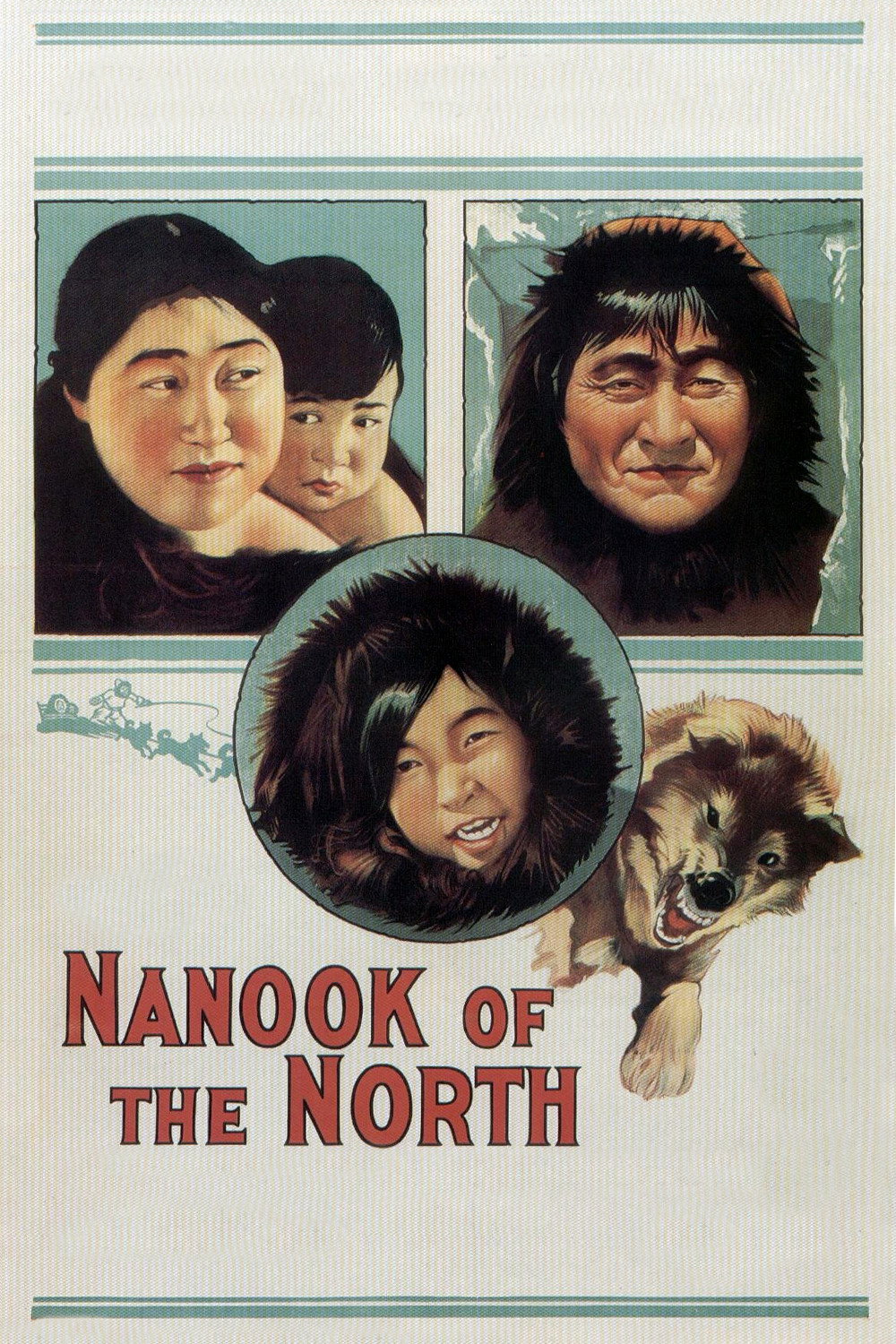
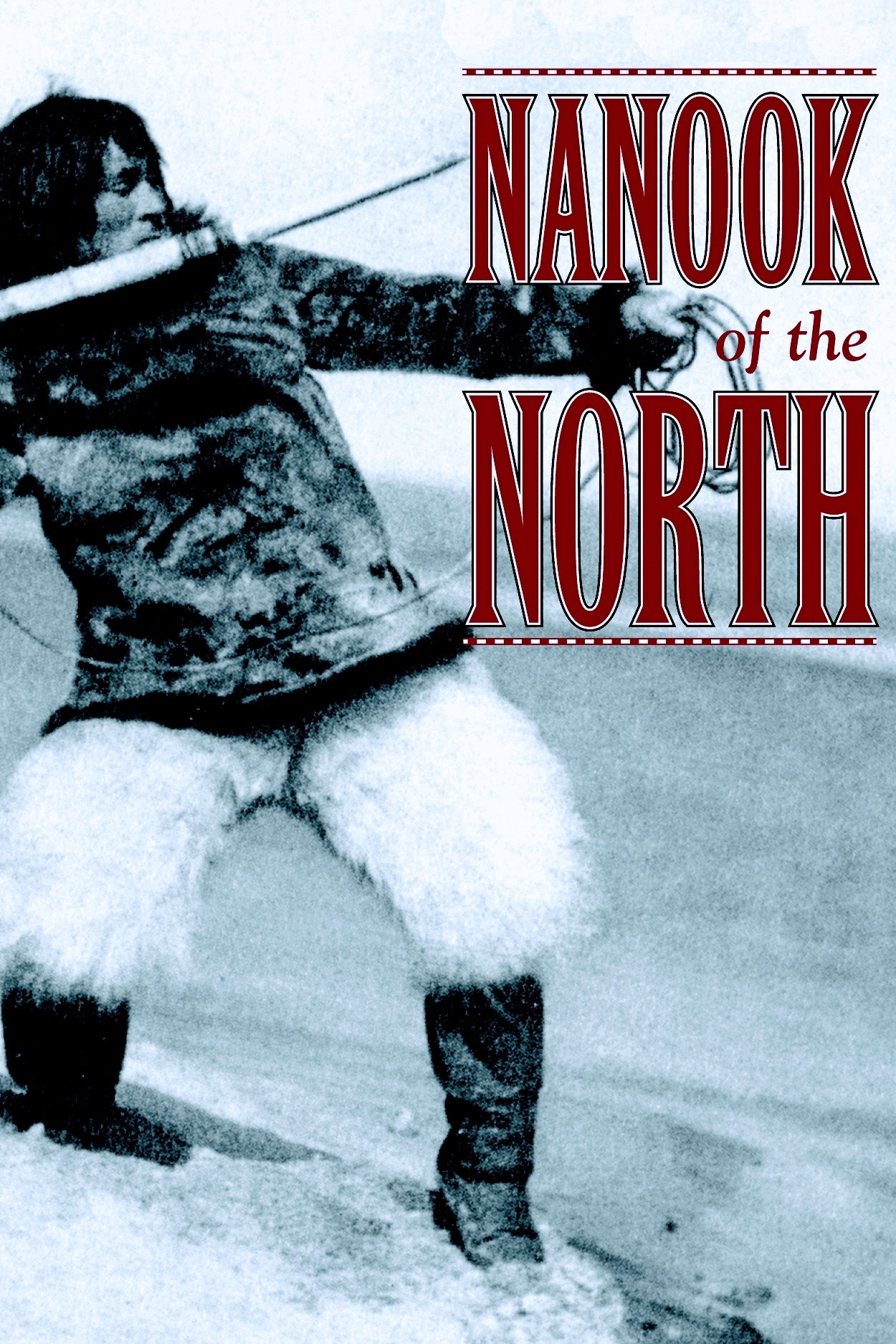
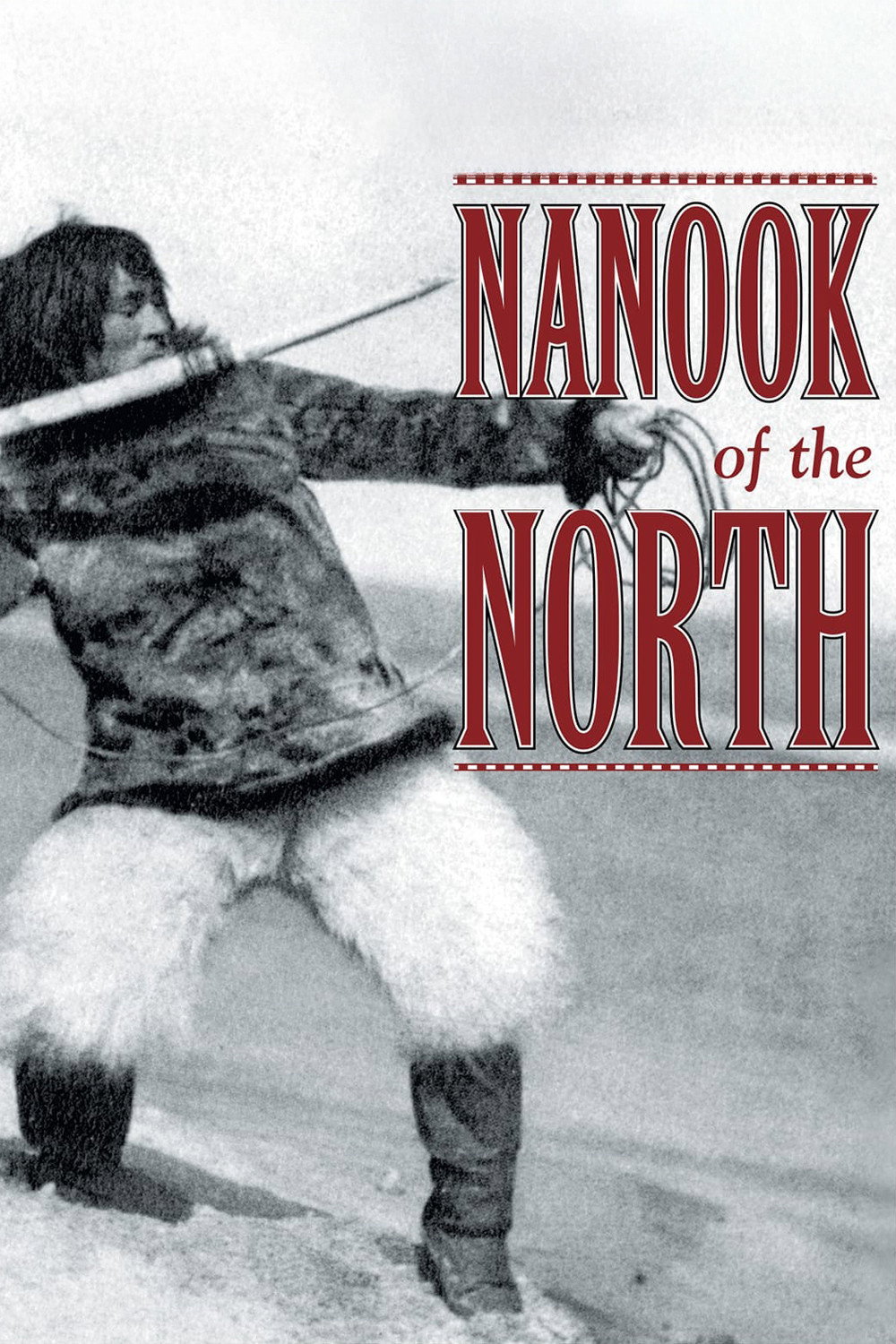
Robert J. Flaherty’s 1922 portrait of an Inuit hunter and his family on Hudson Bay is stitched together, staged in places and openly romantic, and it is still as alive as any silent film we know. Watch it for Allakariallak’s face and forgive the titles.
Robert J. Flaherty had spent years in the north as a prospector before he was a film-maker, and he had shot a great deal of film there that he never showed anyone, because the negative caught fire. When he went back, he went with a different idea: not a survey of a people but a story with a hero in it. One hunter, one family, one year on the eastern shore of Hudson Bay. He wrote it, produced it, shot it and cut it himself, and the result runs 79 minutes, silent, with intertitles doing the talking.
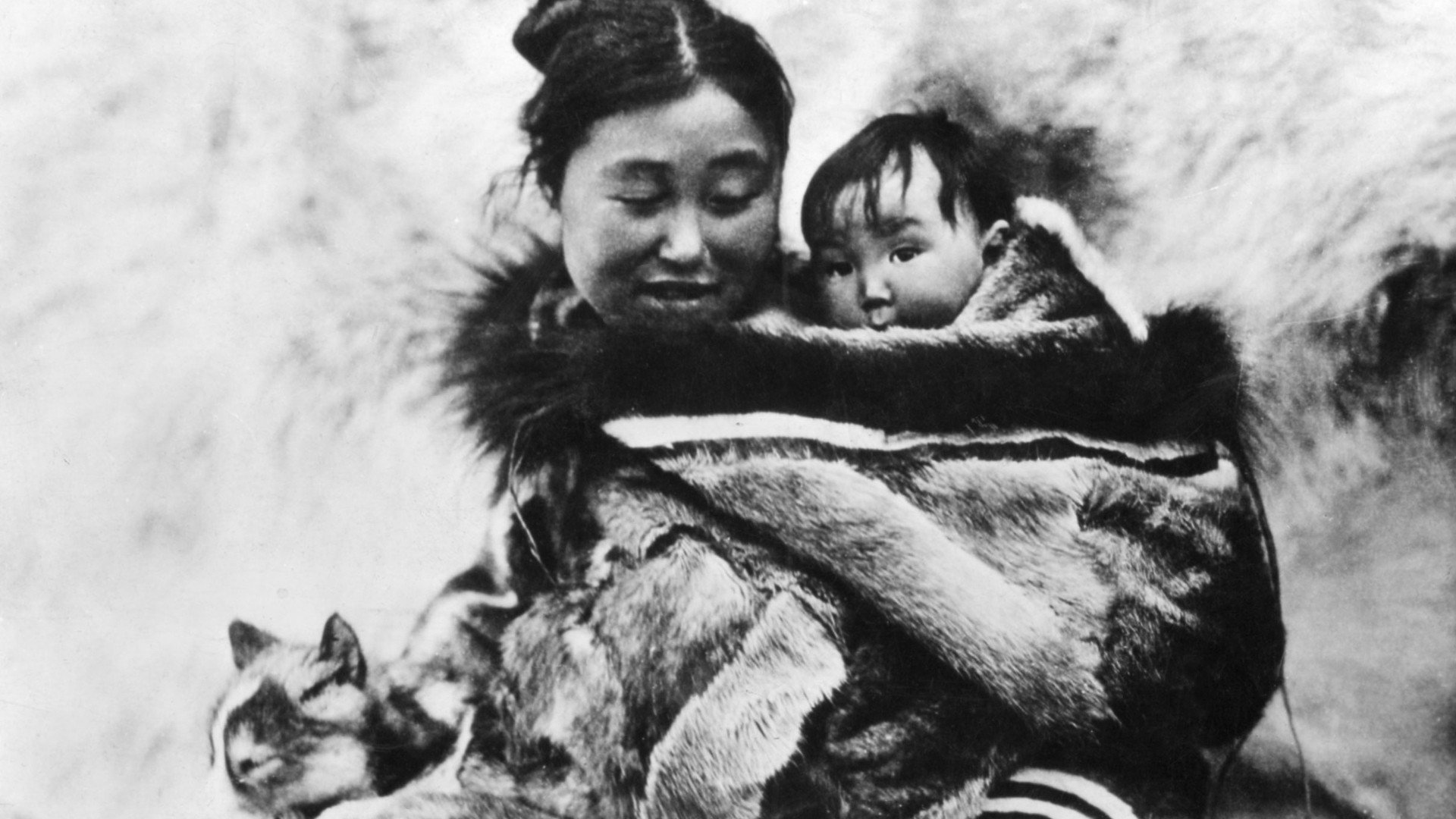
The family arrives by kayak. Nanook (Allakariallak) climbs out onto the rocks, and then a wife (Alice Nevalinga) climbs out after him, then a child, then another, then a puppy, from a boat that seemed to have room for one. It is a music-hall entrance and Flaherty knows it. At the trading post Nanook is shown a gramophone, listens, grins and bites the record to find out what it is made of. We laughed, and a few seconds later we were not sure we should have; the title card has already called him “the happy-go-lucky Eskimo”, and the joke is being arranged for us by the man holding the camera.
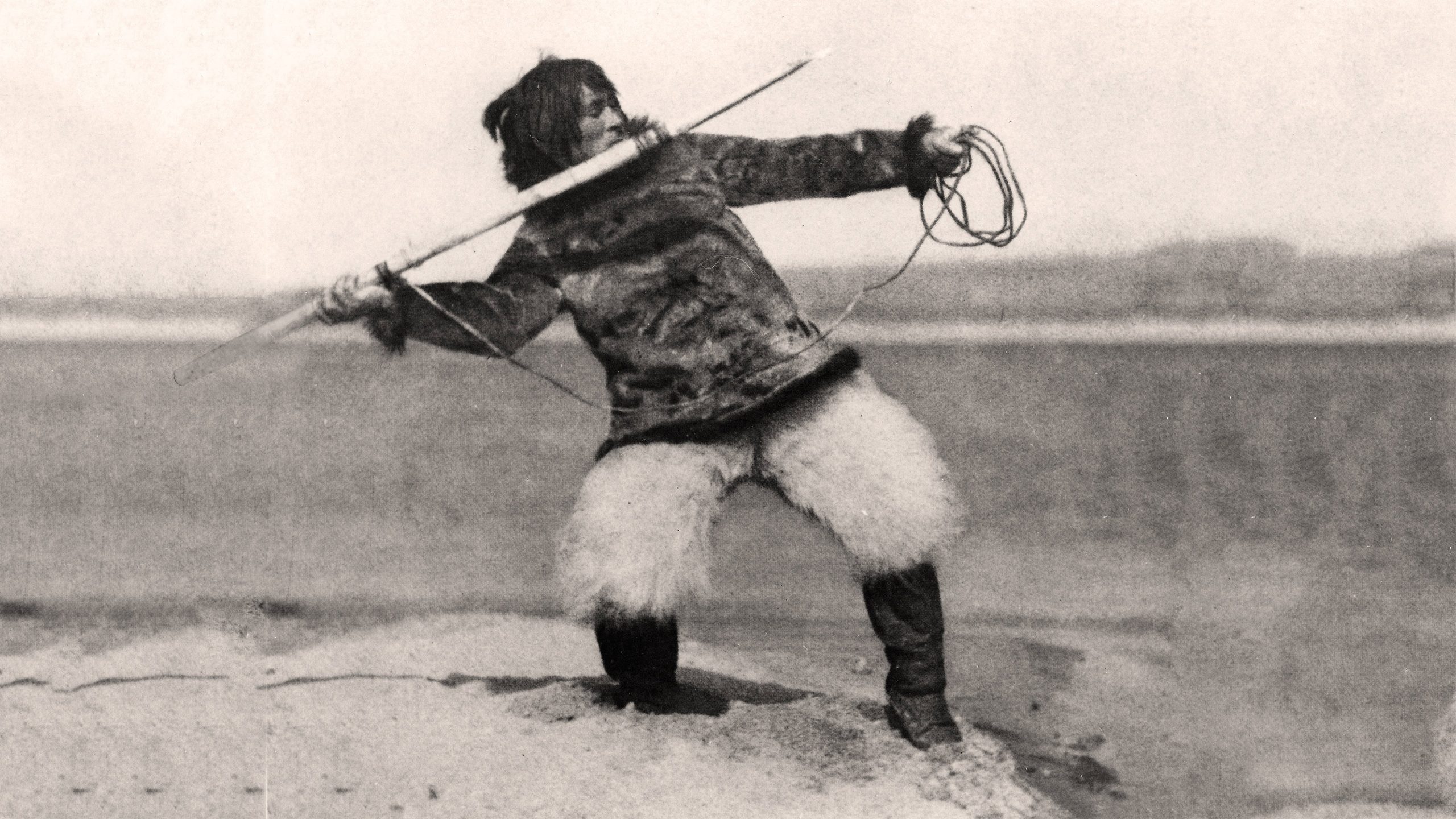
That is the film’s trouble and we may as well name it now. A good deal of what we see was set up. The woman is not Allakariallak’s wife; the harpoons are out of date, because by 1920 men here hunted with rifles; the seal that fights him at the end of a line was dead before the fight started, with men off camera pulling the other end. Flaherty built an igloo with one side missing so the camera could watch the family go to bed. The titles call the people Eskimos, as everyone did in 1922; they are Inuit, and they knew more about what they were doing than the titles allow.
And still the film got us, because Flaherty could see. He lets a shot run for as long as the thing in it takes. The walrus hunt is a line of men on a rope being dragged towards the water by a beast we cannot see, the rest of the herd bellowing from the surf, and there is no cut to rescue us. The igloo goes up block by block, cut from the snow with a long knife, and when Nanook fits a slab of clear ice into the wall for a window, then sets a wedge of snow outside it to bounce the light in, we understood a piece of engineering in ten seconds that a paragraph could not have taught us.
We knew the seal was dead. We had read about it before we sat down. Allakariallak drops his line through the hole in the ice, waits, is yanked flat, digs in his heels, loses ground, and we leaned forward anyway. The knowing did not help at all. Then the family eats, raw, on the ice, while the dogs sit in a ring waiting for what is left, and Flaherty holds on Alice Nevalinga’s face, which the titles call the Smiling One and which is doing exactly that. It moved us more than a staged meal should be able to.
The cutting, credited to Flaherty and Charles Gelb, is the plainest thing in it: one action, then the next. It is right for the material and it is also why the middle sags. The children (Cunayou, Allegoo and Allee) are dried and rubbed down and tucked into fur once more than we needed, and the trading post scenes go on after their point is made. There is no composer, and the music we hear depends on the print; we have seen it with a piano and with a full orchestra and prefer the piano, which does not tell us how to feel about a walrus.
This is the film the documentary starts from, and so does the argument about what a documentary is allowed to do. Every film since that has put a real person in front of a camera and asked them to do the thing again, properly this time, is doing what Flaherty did here. The last reel is a storm, and we will say only that the dogs are outside in it. The tagline promised the actual Arctic, and that, at least, nobody had to fake.