Film review

Once

2007 · Directed by John Carney · 1h 25m · MPA R

In a sentenceA piano shop does more for a romance than most films manage with a wedding

DramaMusicRomance

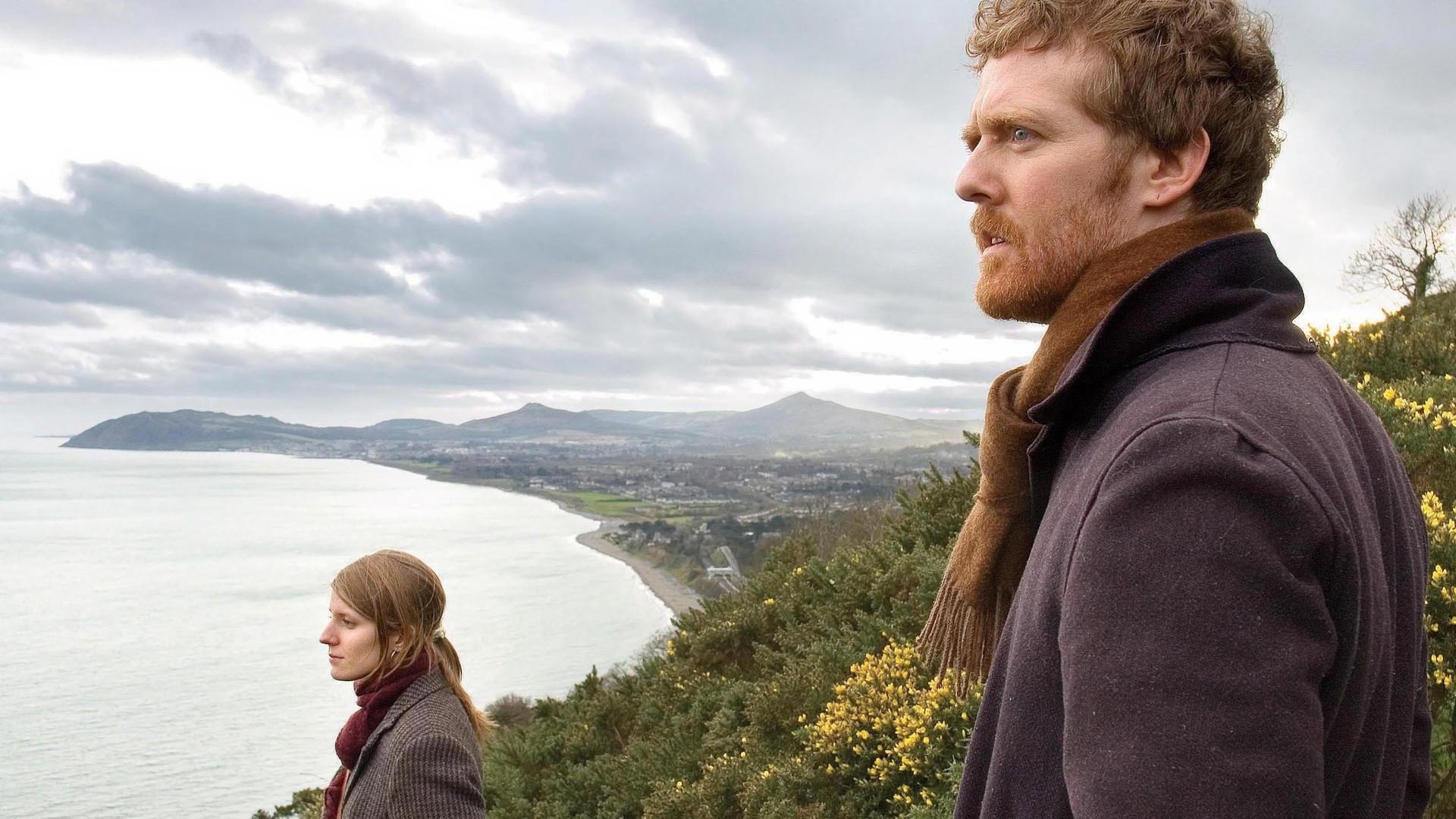
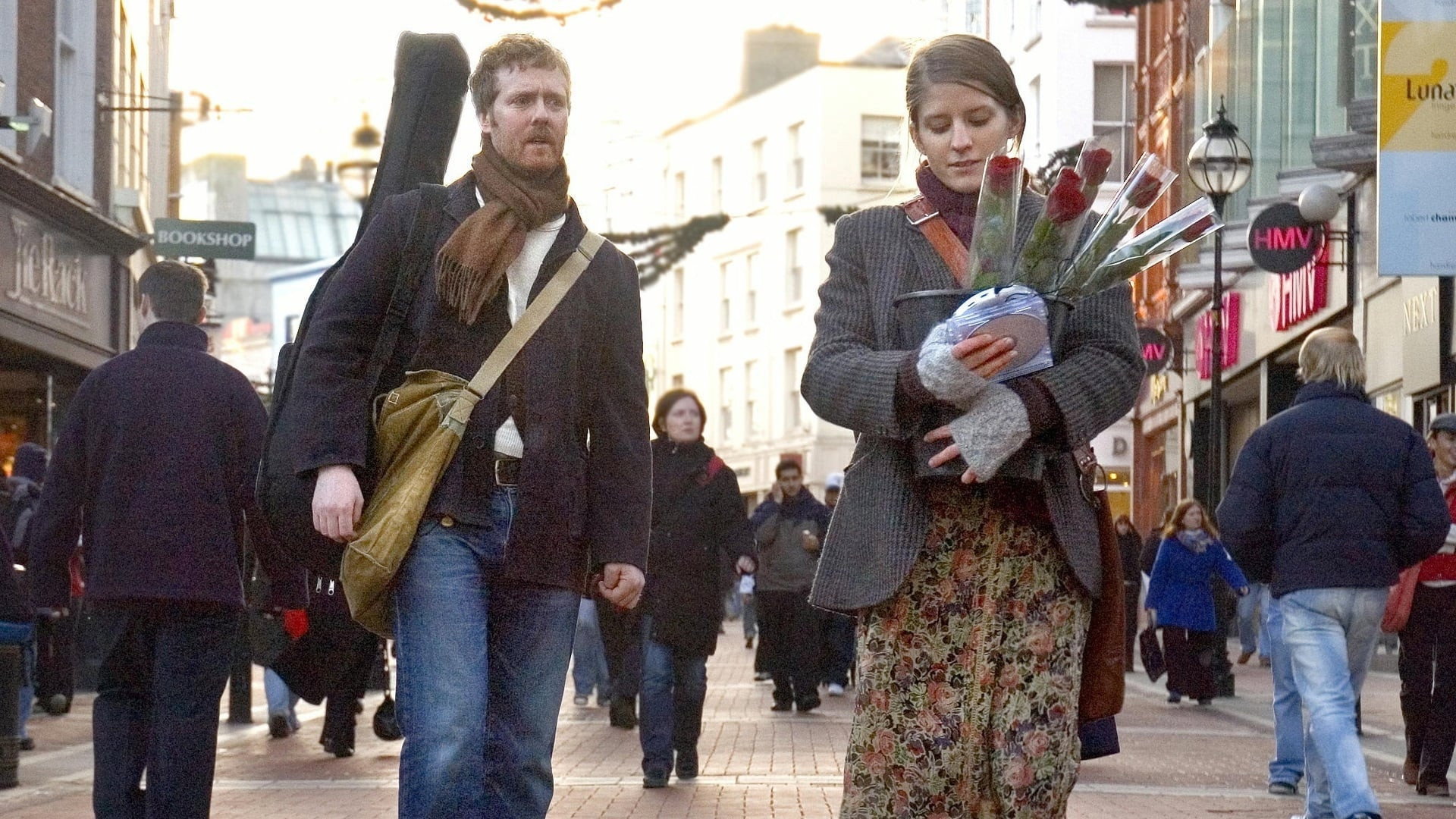
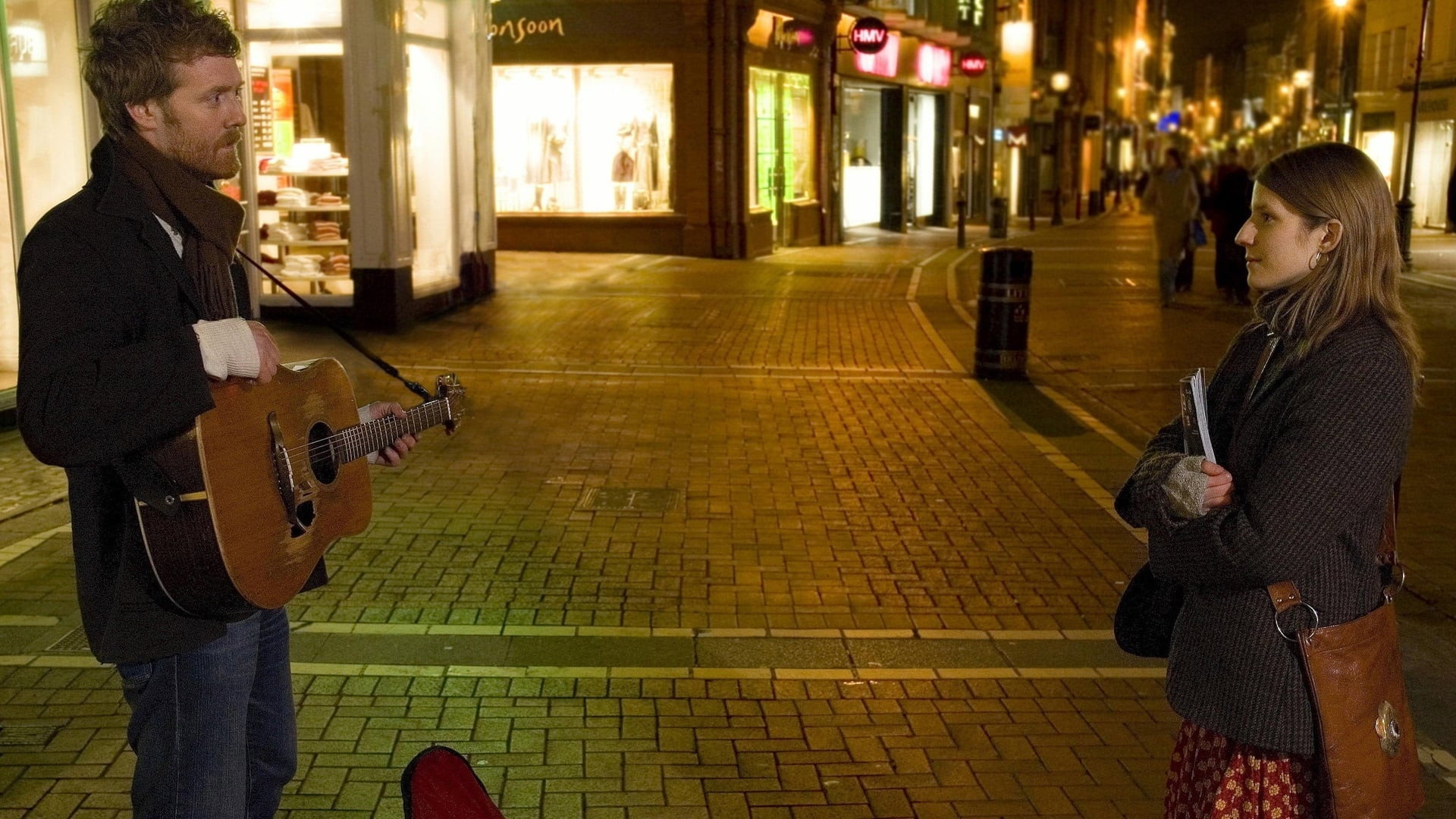
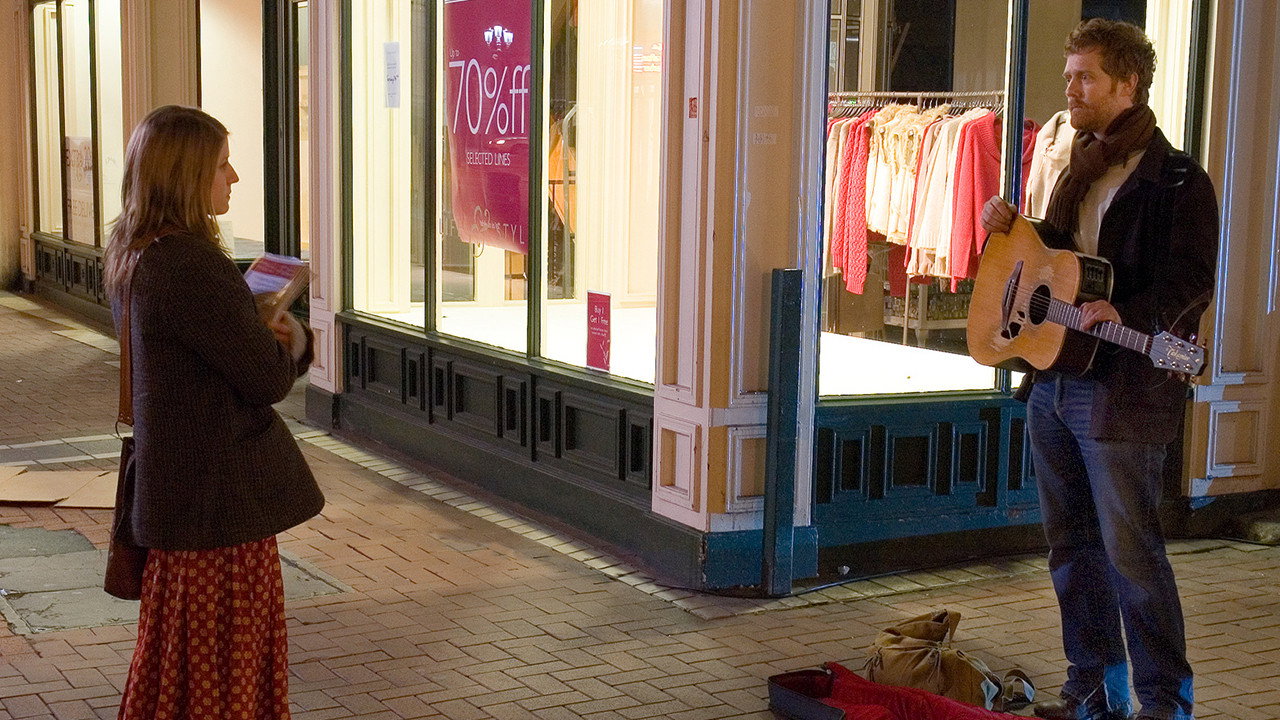
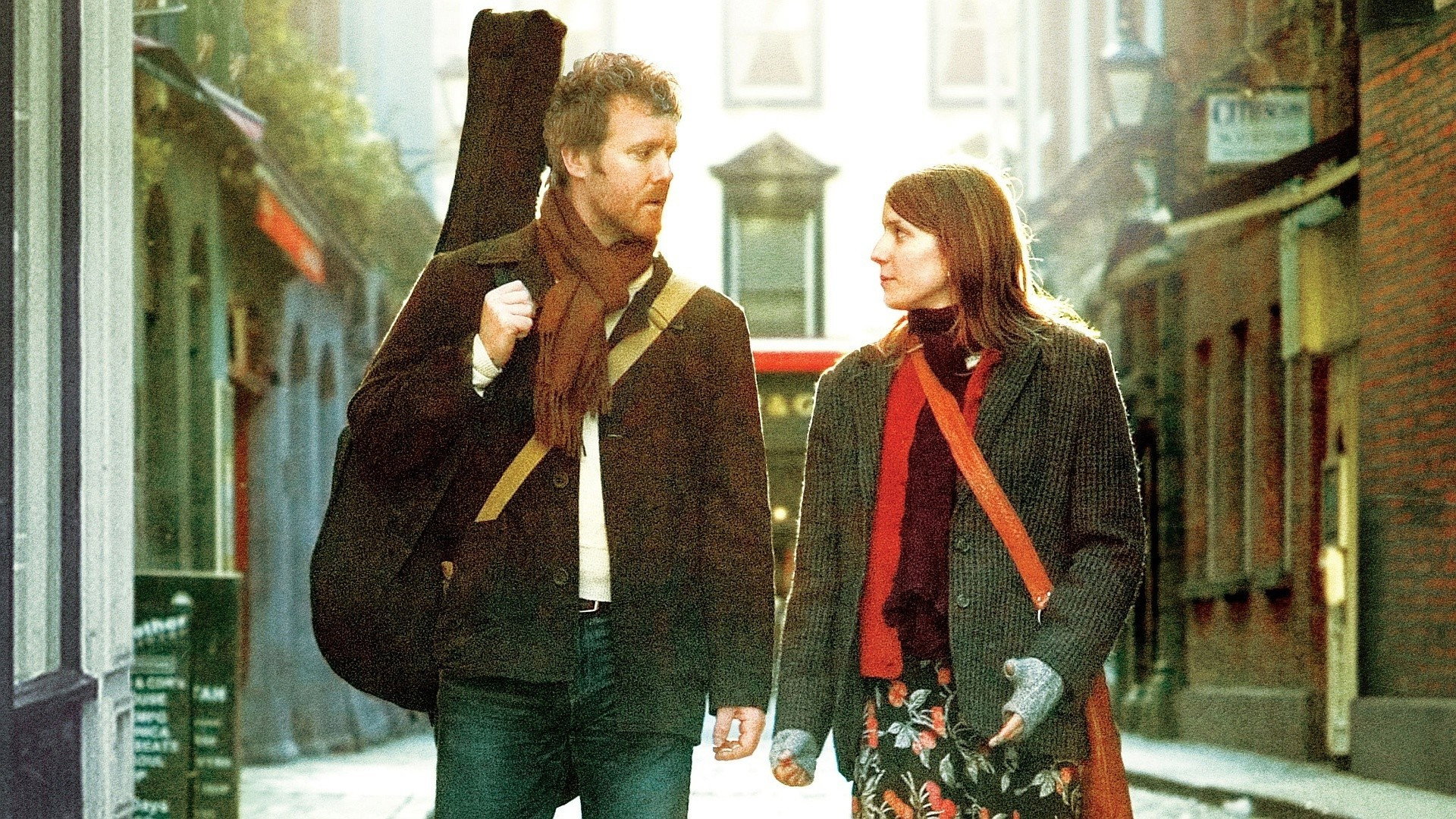
In Dublin, an Irish busker (Glen Hansard) meets a Czech immigrant (Markéta Irglová), and their interest in music gives them a reason to spend time together. A shared performance in a piano shop opens up the possibility of a closer connection. Their friendship carries the prospect of romance, but both find it easier to express themselves in songs than in conversation. Money is scarce, so their musical ambitions come with practical difficulties. John Carney writes and directs this drama about two people getting to know one another by listening to what each can do.

Plays from YouTube when you press play; nothing loads from them until then.

Fi1m review

John Carney’s Once makes its musical romance convincing by giving the songs time and trusting Glen Hansard and Markéta Irglová together. We recommend it warmly, despite photography that sometimes makes it harder to concentrate on the people.

John Carney’s Once is a musical romance we recommend warmly, with a warning that its rough photography occasionally gets in the way. Glen Hansard plays Guy, an Irish busker in Dublin; Markéta Irglová plays Girl, a Czech immigrant drawn into his music. Carney, who also writes the screenplay, gives them something to do together before asking us to care about their attraction. Making music takes time and effort here, and the pair’s limited means help keep a potentially sugary story from becoming too comfortable.

The first performance of ‘Falling Slowly’, in a piano shop, makes the case for the whole film. We were moved more than we expected. The scene allows us to hear why these people might want to stay together: they can make something neither could make quite this way alone. Carney lets the performance run long enough for the pleasure of listening to become part of our interest in them.

Hansard and Irglová supply the music as well as the central performances, which helps the playing feel like ordinary work these people know how to do. Hansard sings with a force that makes frustration audible without another speech to explain it. Irglová’s presence is quieter, and their ease together keeps his intensity from exhausting the film. Some of the songwriting is earnest enough to make us wish for a little less insistence, though the melodies generally earn their place. The rawness of the singing is especially useful when the characters themselves remain guarded.

Tim Fleming’s cinematography is the substantial reservation. The roughness of the images can make it harder to attend to the performers, and we cannot accept every untidy shot as proof of sincerity. Still, the long, intimate shots give the pair time to be interesting without demanding that they perform every feeling for the camera. Tamara Conboy’s production design keeps the Dublin flats and piano shop plausibly ordinary, so the music never seems to require a more flattering room. Those modest surroundings suit a story in which money remains a practical concern.

Editor Paul Mullen understands how much depends on letting a performance last, and the sustained passages of playing are the right choice. Cutting them down to a few useful lines would make the relationship harder to believe. At 85 minutes, the film still feels compact, despite giving music room that a more plot-heavy romance might regard as dispensable. It is pleasing to watch a film about musicians that lets us judge their connection by listening to them work.

Anyone who dislikes musicals is unlikely to be persuaded by assurances that this one is different. The songs are central, and anyone impatient with earnest singing will spend much of the film waiting for people to stop. For us, the modest scale suits a romance whose strongest scenes involve two people trying to make music together. Give it an uninterrupted evening, with the sound at a level that lets the voices matter.

Critical consensus AI synthesised

82
Positive
11
Mixed
1
Negative
0

Most critics respond warmly to Once, with praise centred on how naturally its songs grow out of the characters’ work, friendship and hesitant romance. The leads’ chemistry and musical ability make the performances feel unforced, while the songs express feelings that the pair struggle to put into conversation. The reviews repeatedly value its believable Dublin settings and lack of pretension, finding emotional weight in the small scale rather than asking for more spectacle.

The main disagreement concerns how the film is shot, rather than its music or performances. Time Out praises the long, intimate shots for allowing songs to carry emotion, while Film Comment finds the camerawork poor enough to make the film almost unwatchable, despite acknowledging its heart and good music. That is a marked dissent in an otherwise positive consensus, whose more measured responses still appreciate the low-key storytelling.

RogerEbert.com
24 December 2007 · Roger Ebert
95*

Ebert calls the low-budget Irish film magical from beginning to end and awards it his Special Jury Prize as one of the year's best. He singles out the natural chemistry and performances of the two musician leads as they fall in love through song.

Read the full review →
The AV Club
17 May 2007 · A · Nathan Rabin
95

It is a musical for people who think they hate musicals, with songs integrated organically into a realistic story of two repressed characters whose music expresses their bottled emotions; it is quiet and restrained yet filled with transcendence.

Read the full review →
Los Angeles Times
16 May 2007 · Kenneth Turan
90*

Turan praises the small-scale musical romance as enchanting and unpretentious, a thoroughly winning blend of music and story that resists expected turns. He highlights the naturalness of the musician stars and the rich, satisfying songs that drive the narrative.

Read the full review →
Screen Daily
29 January 2007 · festival review
90*

John Carney's poetic third feature is hailed as the revelation of Sundance, a sublime and beautiful work that is lyrical though substantial. The critic singles out the organic use of music, especially the transcendent first playing of 'Falling Slowly' in a piano store.

Read the full review →
The Guardian
19 October 2007 · Xan Brooks
85*

The critic finds it hard to dislike this low-budget film about a romance and musical collaboration between an Irish busker and a Czech immigrant in Dublin. The review praises its soulful take on music, friendship and hard work, grounded in realistic impoverished circumstances.

Read the full review →
Radio Times
★★★★
80

This is described as a delightful low-budget Irish musical drama that puts a smile on your face and packs an emotional wallop. The critic singles out the stars' real musical abilities for making the film a sweet little charmer despite its modest means.

Read the full review →

Cast

Stills

If you liked this, try…

The Commitments poster82

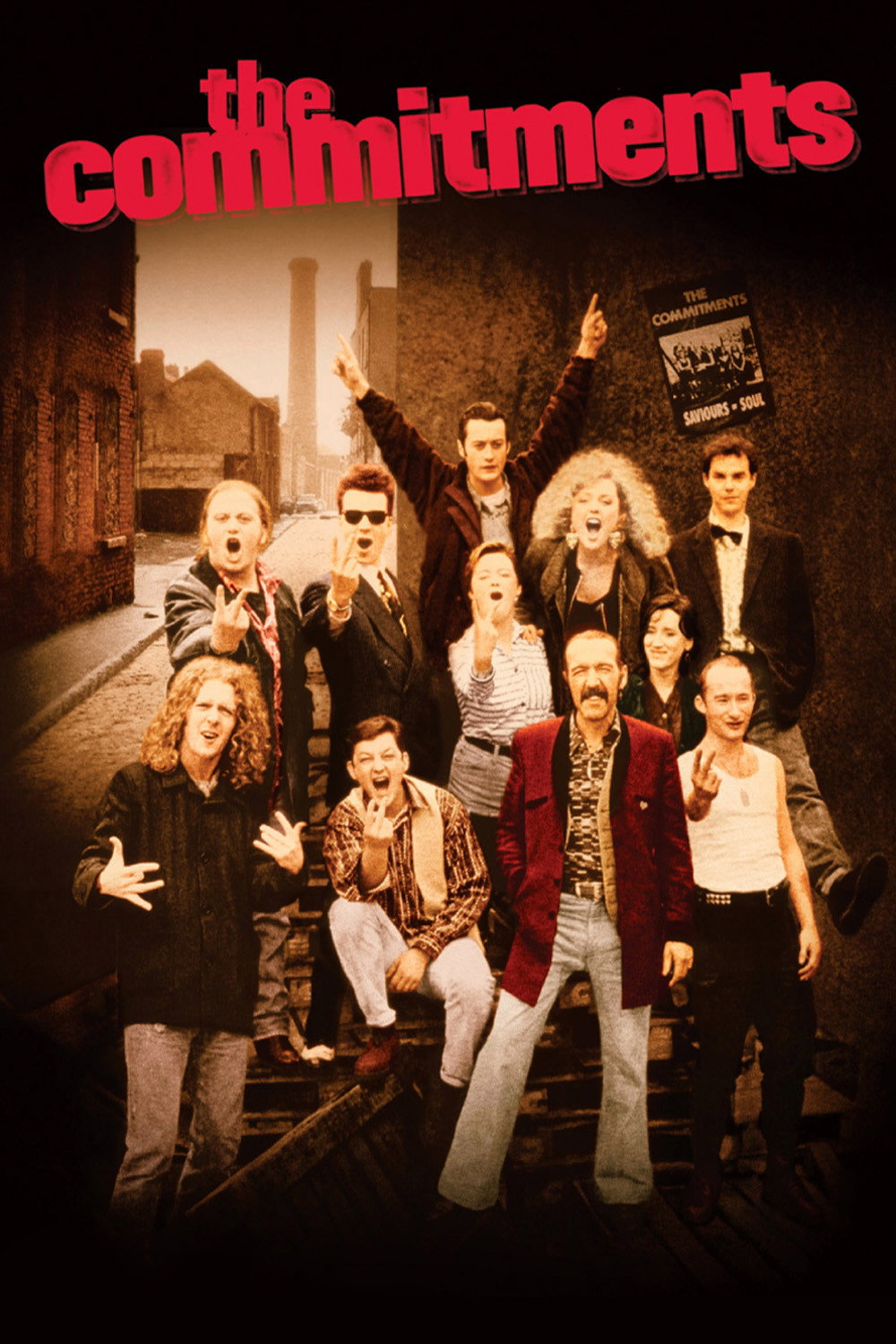
The Commitments

1991 · For more Irish musicians discovering that forming a band also means tolerating people.

Before Sunrise poster89

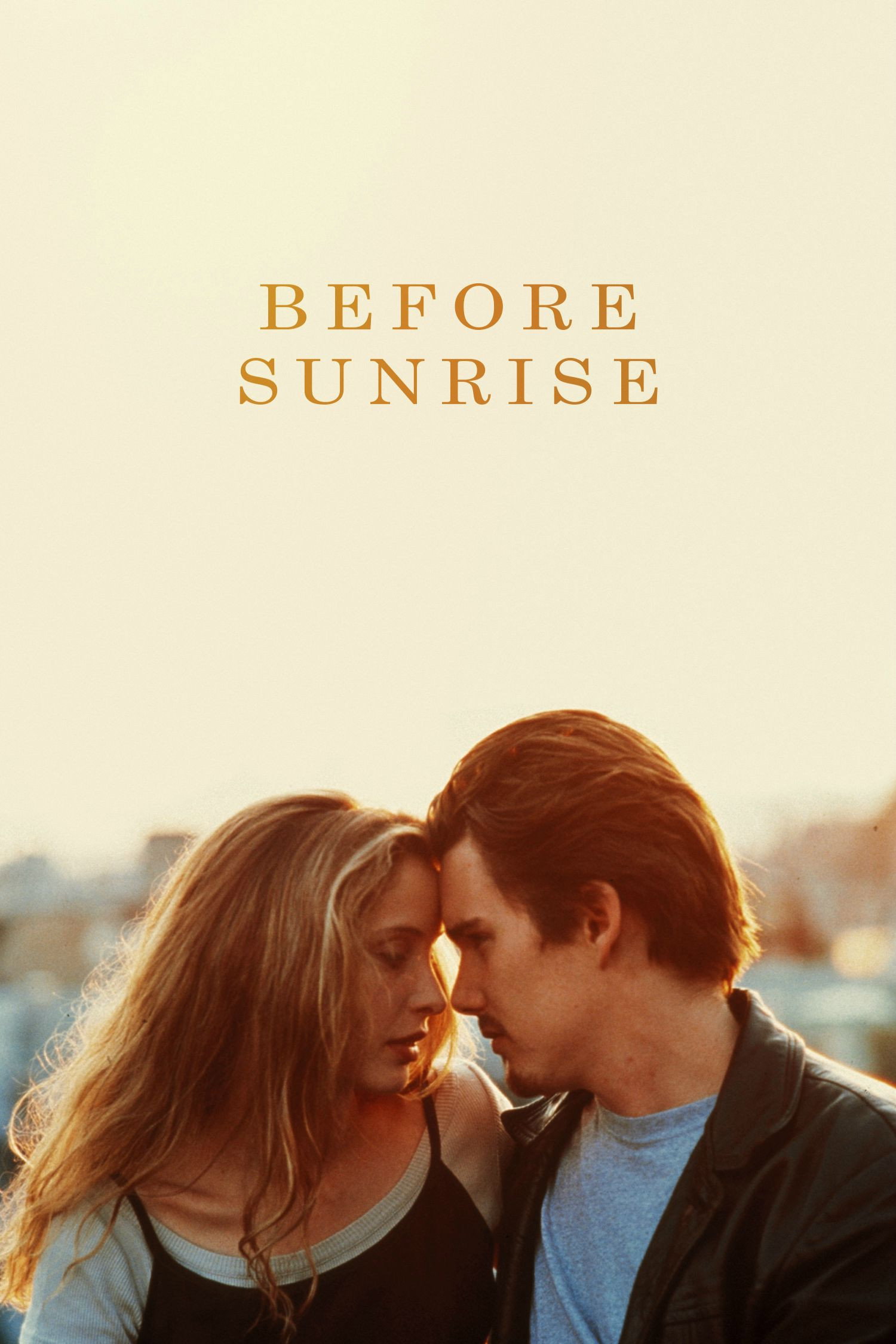
Before Sunrise

1995 · Two strangers build a connection through conversation, with room for awkwardness.

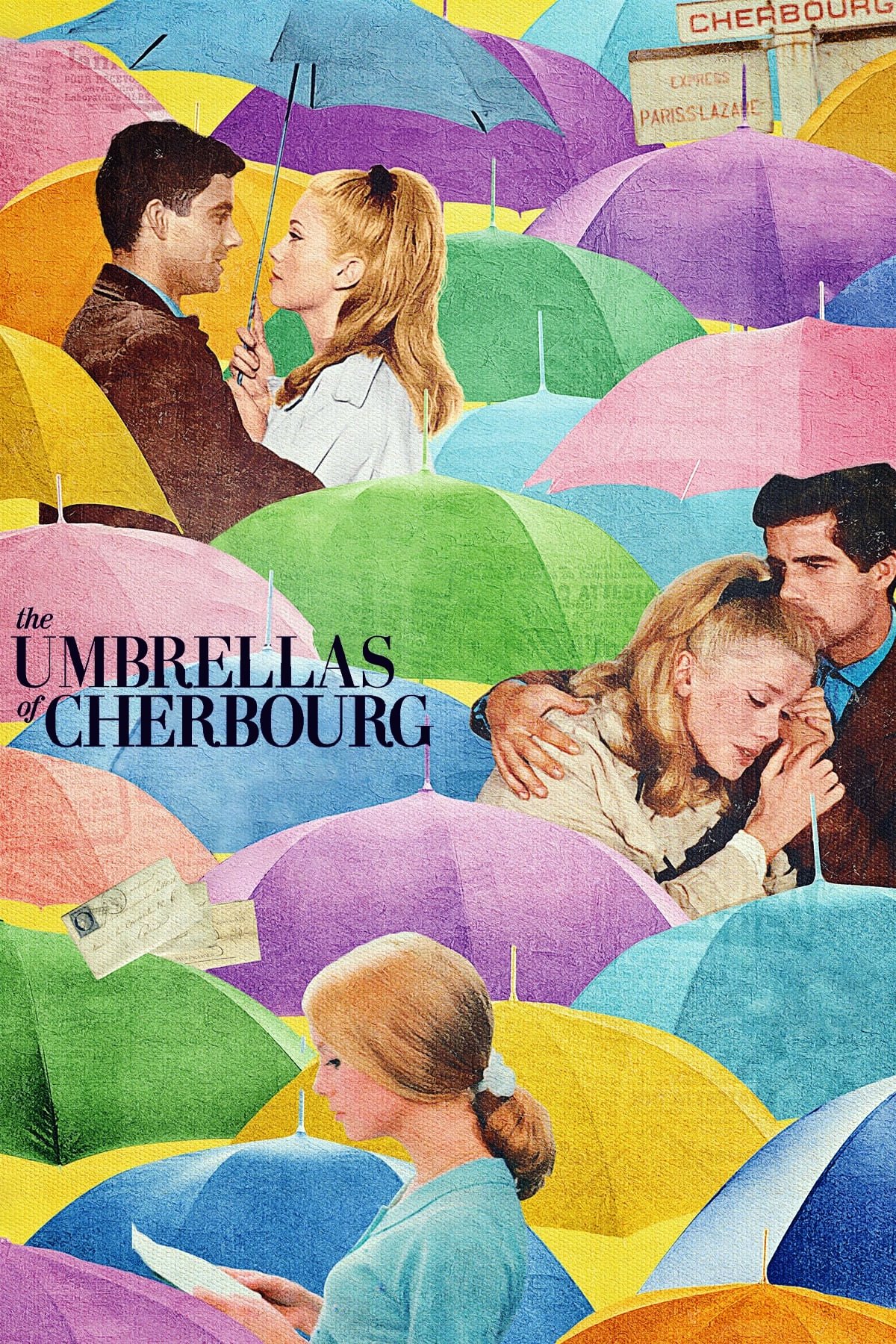
The Umbrellas of Cherbourg poster

The Umbrellas of Cherbourg

1964 · A more stylised musical romance, equally serious about the feelings inside songs.

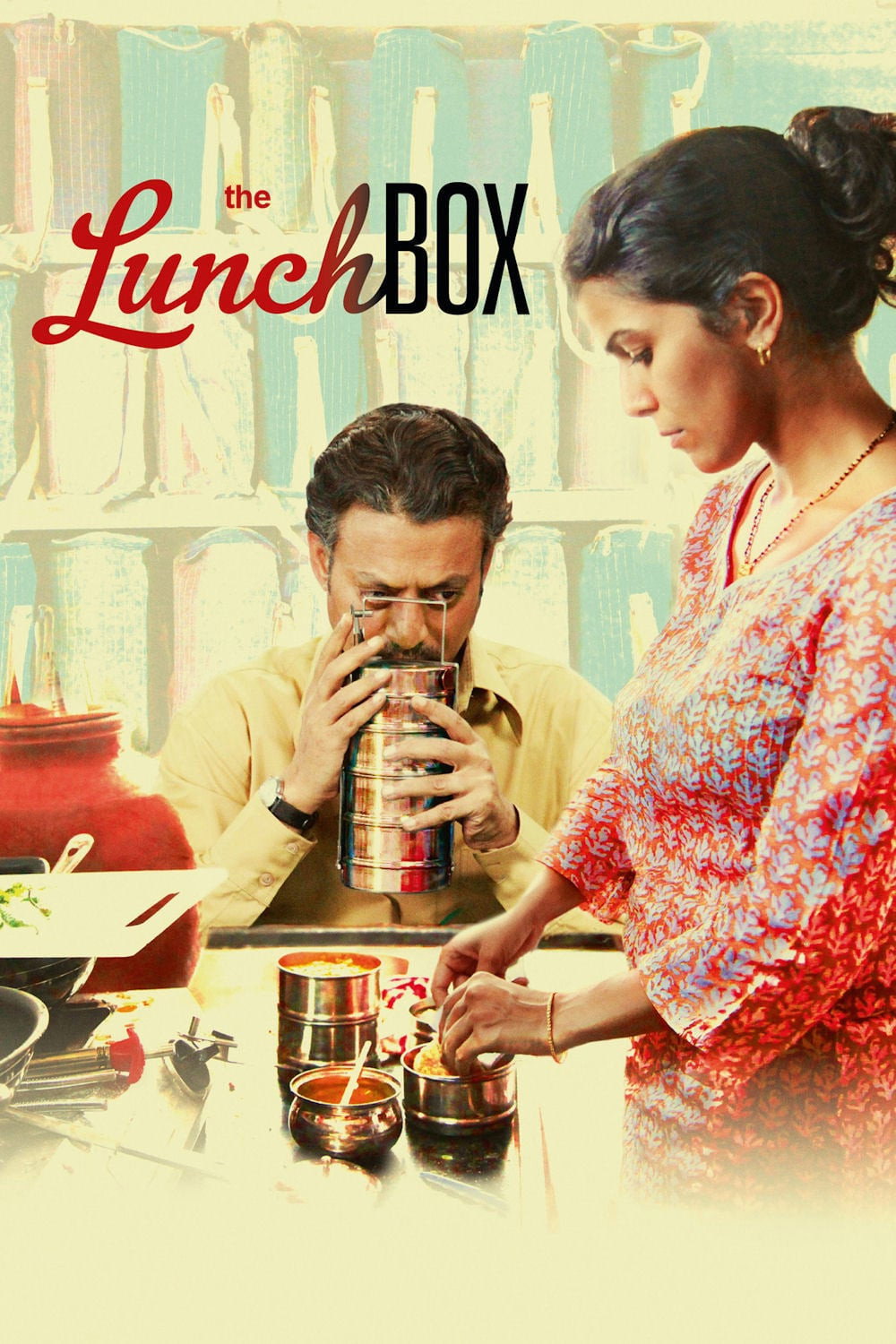
The Lunchbox poster

The Lunchbox

2013 · A patient romance that gives small exchanges the attention usually reserved for declarations.

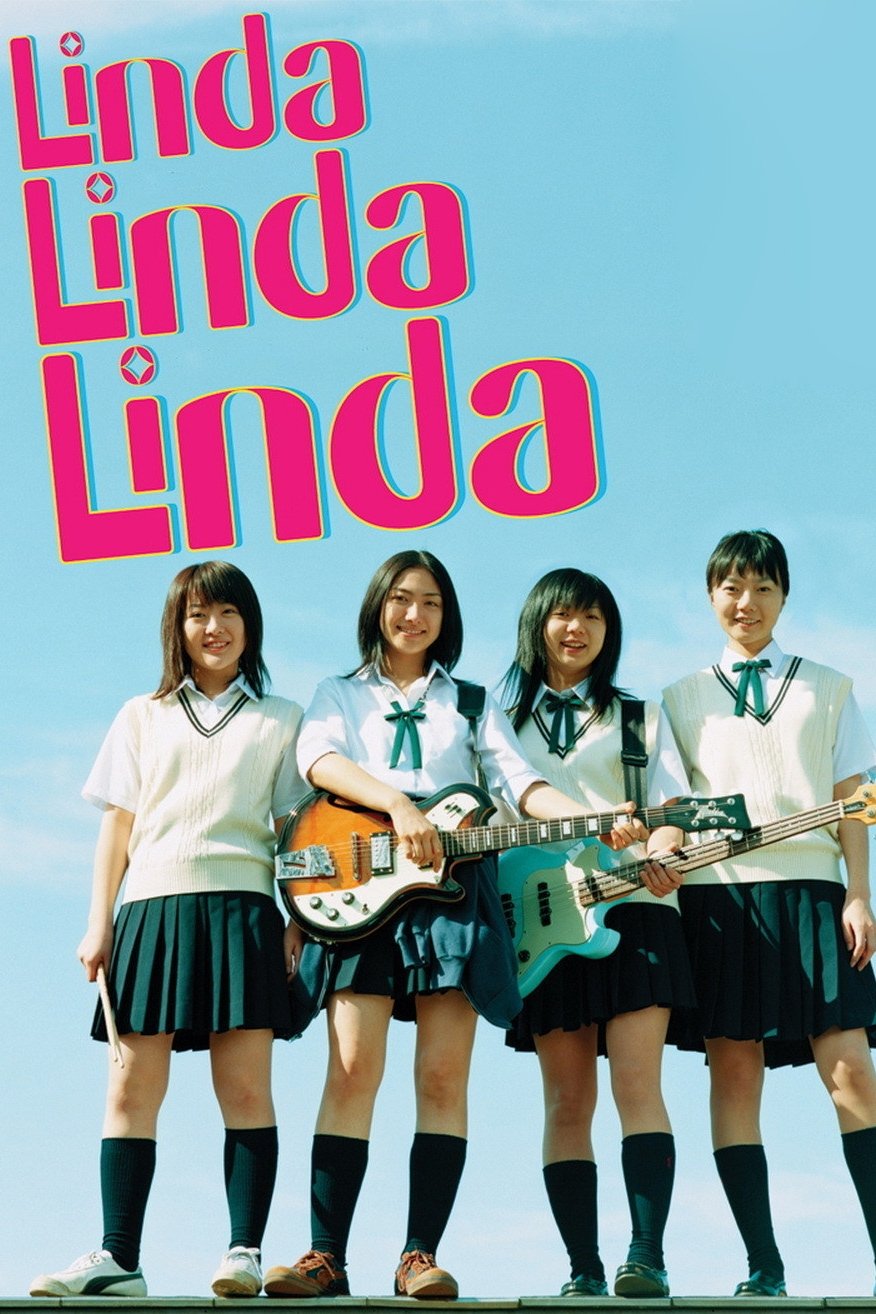
Linda Linda Linda poster

Linda Linda Linda

2005 · For the rehearsals, hesitant friendships and pleasure of finally playing together.