Ken Loach’s building-site comedy is funny and well worth an evening, with a sharp sense of how insecure work shapes people’s days. The romance wavers, and the overlapping chatter sometimes swallows the jokes.
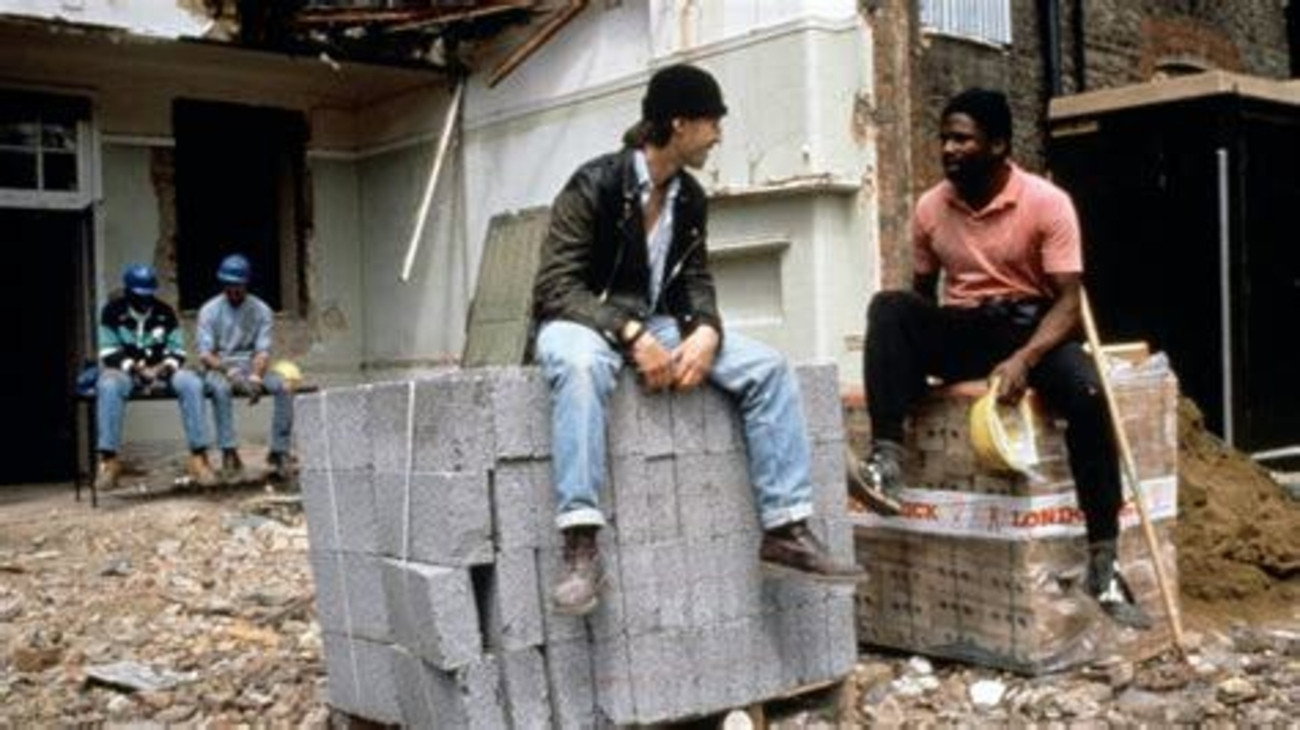
Ken Loach’s Riff-Raff is a good comedy about people whose working conditions give them little reason to be cheerful. On a London building site, labourers get through the day with jokes, small scams and the company of men in much the same position. Bill Jesse’s screenplay takes their work seriously without requiring the workers to be solemn about it. The humour is the main attraction, and it also makes the insecurity harder to shrug off. The romance is less convincing than the scenes on site.
Jesse’s anecdotal script gives the labourers time to joke and scheme without demanding that every exchange advance the story. They are non-union workers, and the scams and safety risks make the terms of their employment plain enough. The banter makes their reliance on one another clear without much explanation. We laughed at the workers talking over one another; their eagerness to get a word in is recognisable to anyone who has spent a day in company.
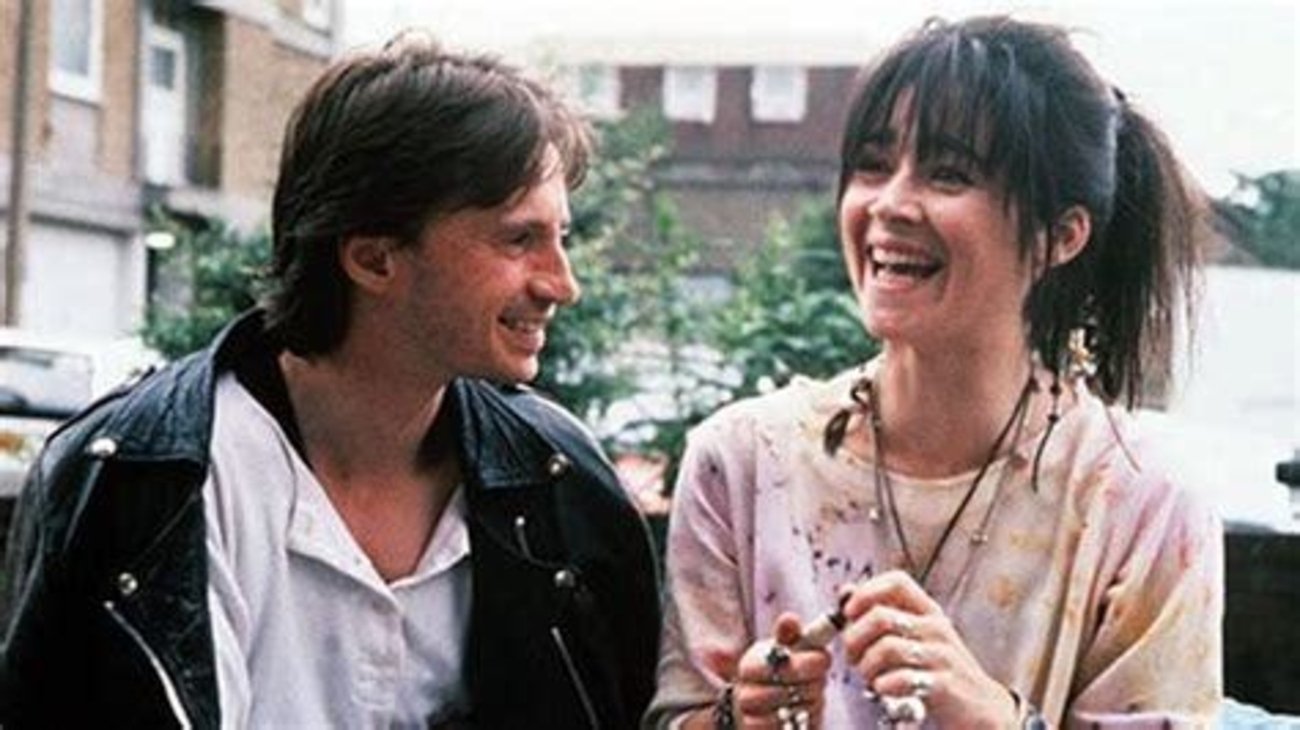
Robert Carlyle’s Stevie is an effective centre for a film that keeps finding interest in the people around him. Carlyle is engaging without making Stevie seem specially entitled to our sympathy, which helps Loach keep the group from becoming mere background. Ricky Tomlinson’s Larry is particularly welcome: he makes the talk feel like something that would carry on if the camera left. There is pleasure in watching these actors listen, interrupt and wait for another chance to speak, and Loach allows that pleasure to last.
Barry Ackroyd’s documentary-style cinematography suits a comedy in which the workers’ behaviour needs to hold our attention. The site feels like somewhere people have to spend their days, and its ordinary appearance makes the dangers more credible. Martin Johnson’s production design works towards the same effect, giving the company a workplace that never seems to be competing with them for attention.
Jonathan Morris’s editing preserves the loose, anecdotal movement, though a firmer hand would have helped some of the improvised exchanges. When several voices compete, the difficulty is simply hearing what has been said, and that costs the film some jokes. Stewart Copeland’s score makes less impression than the cast’s voices, which seems right for a film so dependent on talk.
The romance is the larger problem, because Jesse’s writing is less assured when it leaves the shared routines of work. Emer McCourt plays Susan, but this part of the film gives us less of the casual humour that makes the ensemble so persuasive. The more melodramatic writing asks for feelings that the site scenes have allowed us to arrive at naturally. Loach does not quite make those passages convincing, and we found ourselves waiting to return to the workers.
As a workplace comedy, Riff-Raff understands how much of a job consists of putting up with the people beside us. Its sympathy for the labourers does not oblige it to make them endlessly admirable, which is one reason the humour survives the politics. Give it an evening if talk and companionship are what you want from a comedy, with some patience for the detours.