Christin Freitag’s documentary offers affecting home footage and personal recollections from Corinna Schumacher. The one-sided treatment of Michael Schumacher’s 1994 season limits its appeal: worthwhile for the interested, less useful for anyone seeking scrutiny.
Christin Freitag’s Schumacher ’94 – The Birth of a Legend is an affecting but one-sided sports documentary, worth an evening for those already interested in Michael Schumacher. Its account of his 1994 season is too protective to satisfy anyone looking for much scrutiny. The title makes the intended tribute clear enough. At 105 minutes, though, the film has room to do more than confirm why its subject is admired.
Corinna Schumacher gives it the strongest reason to stay. Her recollections, together with the home footage, bring a closeness that a list of sporting achievements could not supply. We were moved by these personal memories; they make caring about Michael Schumacher possible without requiring an existing interest in racing. That is a substantial virtue, particularly for a documentary whose title could easily persuade the unconverted that there is nothing here for them.
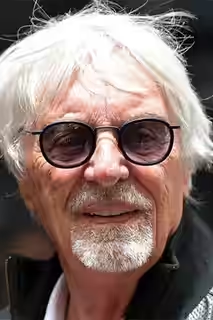
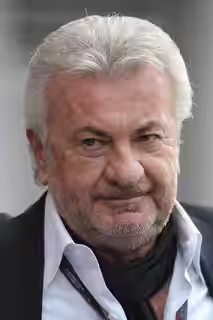
The credited contributors include Flavio Briatore, Bernie Ecclestone and David Coulthard, with Michael Schumacher appearing in archive footage. Those names promise a range of perspectives, but a sympathetic account does not become more searching simply because several people contribute to it. Christin Freitag is good at making personal testimony count; she is less willing to put that testimony under pressure. An affectionate memory deserves its place, but it cannot settle every question about a sporting reputation.
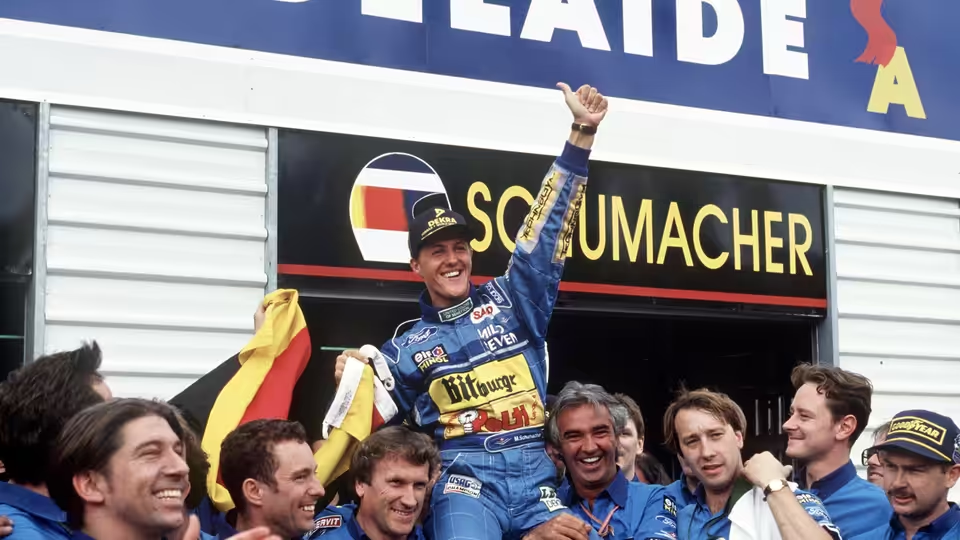
Bobby Good’s editing has persuasive material to work with in the home footage, which supplies much of the film’s emotional interest. That also makes the sympathetic approach easier to accept than it perhaps should be. Nicolai Mehring’s cinematography cannot displace the home footage as the film’s main visual attraction. The images matter because of whom they show and the intimacy they offer, though we would have welcomed a more sceptical use of that material.
Ben Lukas Boysen supplies the music and Benjamin Scholl the production design, with Lennart Betzgen credited as Michael Schumacher. The archive appearance of Michael Schumacher gives a performed portrayal a difficult task: the subject’s own presence is already available to us. The music and production design do not make as strong an impression as the memories. The personal material holds our attention, while the sporting account needs a more questioning approach.
Sports documentaries can welcome viewers who have never cared about the results, and this one has a way in through Corinna Schumacher. If one person is interested in racing and the other is not, those recollections give them something to share. That earns a qualified recommendation, although we would have liked the sporting account to give both viewers more to think about. There is enough feeling here to justify the evening for the curious. Anyone hoping to have their doubts about Michael Schumacher tested should look elsewhere.