Film review

Slacker

1990 · Directed by Richard Linklater · 1h 37m · MPA R

In a sentenceEveryone has a theory and apparently nowhere else to be

DramaComedy

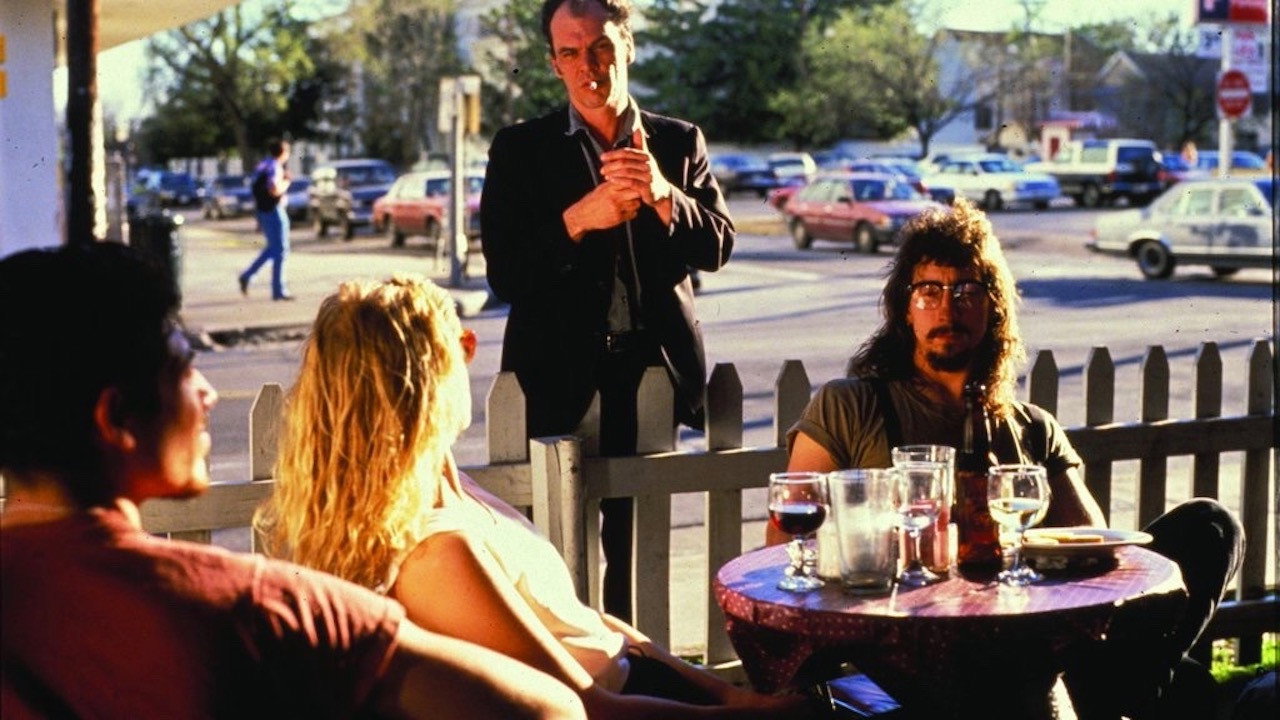
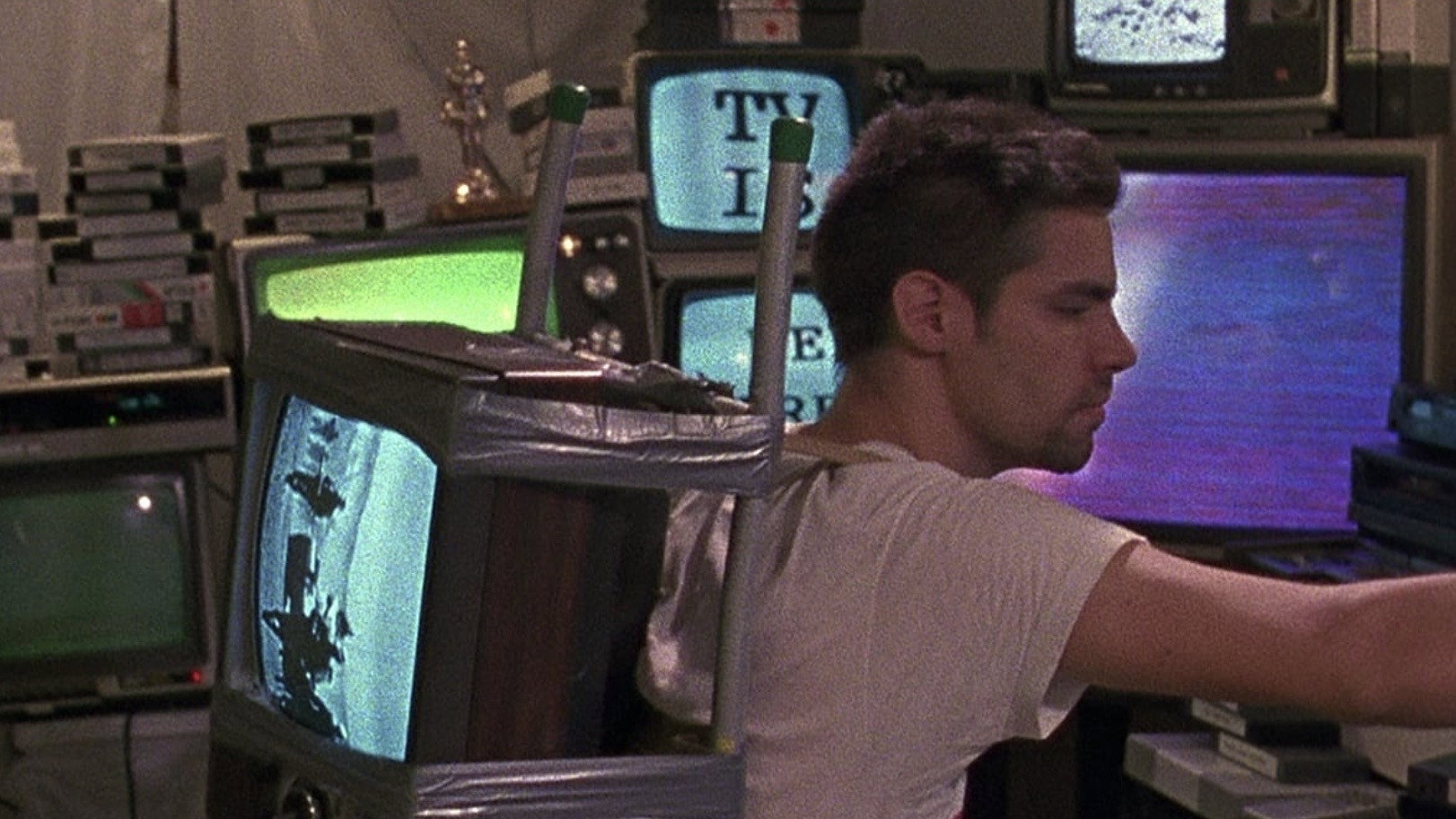
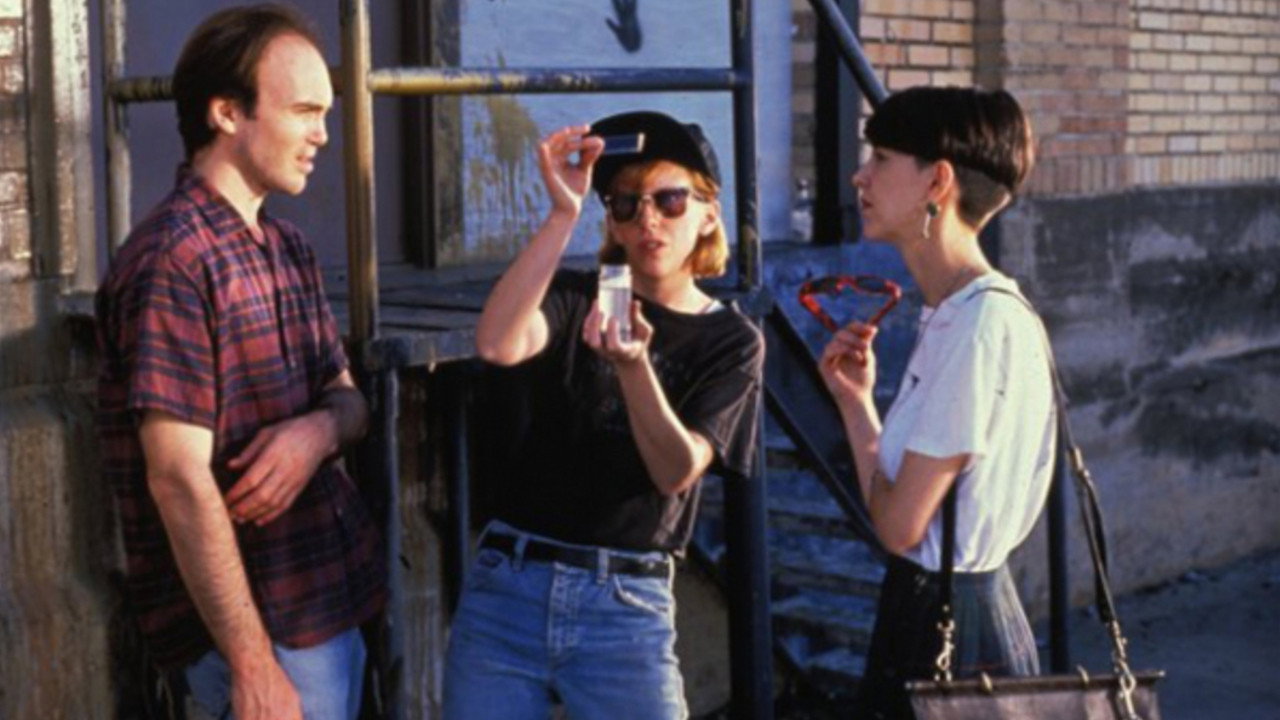
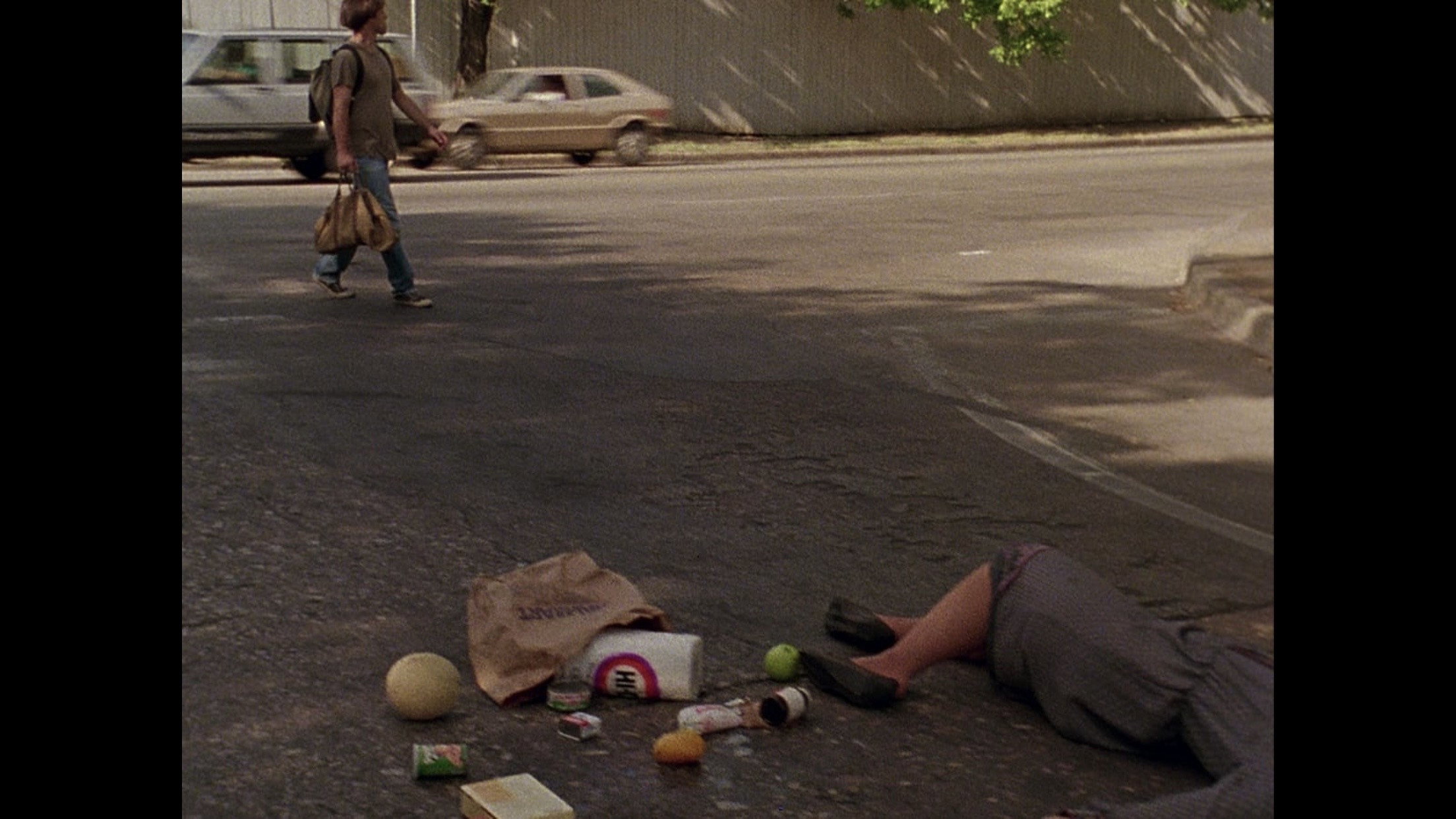
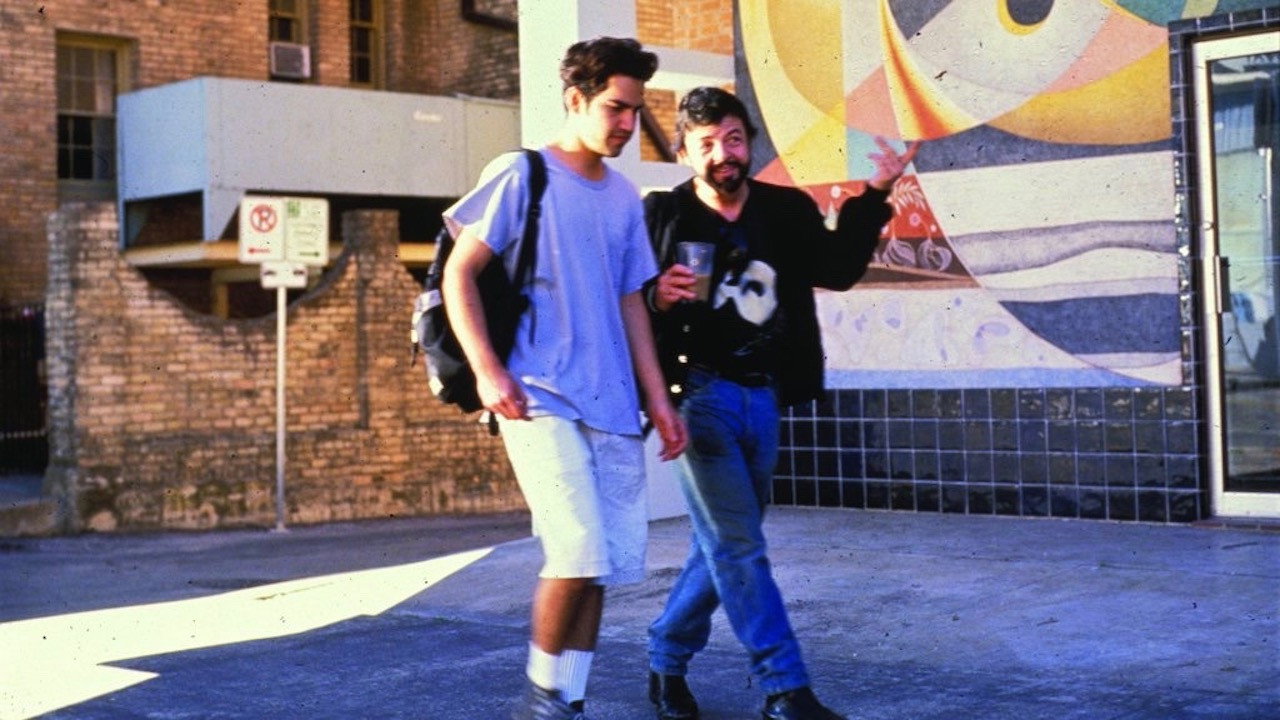
Richard Linklater writes, directs and appears in this comedy-drama following a succession of people through chance encounters in Austin, Texas. One conversation gives way to another as the film leaves a speaker behind and picks up someone else, with no single character holding its attention for long. Ideas and personal theories occupy people who seem in no hurry to get anywhere. Among the cast are Rudy Basquez as a taxi driver, Keith McCormack as a street musician and Dan Kratochvil as Espresso Czar / Masonic Malcontent. Their encounters take the place of a central storyline.

Fi1m review

Richard Linklater’s Slacker makes a funny, absorbing film out of people talking without getting much done. Its habit of changing company keeps it lively, though a few speakers test the patience.

Slacker is funny, absorbing company, provided you can tolerate a conversation that has no intention of getting to the point. Richard Linklater writes and directs a comedy that follows one person, notices another and goes off with them, leaving the expected business of a plot unattended. The interest is in what these people think, what they say and how much of either deserves to be taken seriously. At 97 minutes, it has room for a few conversations we would happily have left sooner.

The changing company is more carefully managed than it first appears. Scott Rhodes’s editing lets each encounter stand on its own while keeping us willing to start again with somebody else. We were delighted when we realised that the film really would keep abandoning people we had just begun to follow. The transitions remain easy to follow, so we can listen to the next speaker without worrying about what we have missed.

Lee Daniel’s cinematography gives the encounters a casually observed look, well suited to all this apparently unplanned conversation. Deborah Pastor’s production design is similarly unassertive: the surroundings leave us free to concentrate on the speakers. Making those spaces insistently quirky would have told us to start laughing before anyone had opened their mouth. Instead, there is time to notice how confidently a person can hold forth, and to decide for ourselves whether the idea being explained is worth much.

Even the character names suggest that Linklater knows these people can be a trial. He plays ‘Should Have Stayed at Bus Station’; Dan Kratochvil is ‘Espresso Czar / Masonic Malcontent’. The names are dry little jokes, but the people are allowed to keep talking after we have understood what makes them funny. Linklater gives their theories a hearing, even when the certainty with which they are delivered becomes ridiculous. He allows us to disagree without treating the speaker as a waste of our time.

The trouble comes when the talking begins to sound interchangeable. Some speakers fall into the same rhythm, and Linklater’s writing sometimes lets a notion run on after we have understood both it and the person explaining it. We grew restless in those stretches, because waiting for the next encounter became more appealing than listening to the current one. Rhodes could have cut some of those speeches without making the speakers any less recognisable.

A conventional comedy would use most of these people as an interruption, then hurry back to the main character. Linklater lets them take up space, and we appreciate his patience even when ours is running out. His jokes do not depend on proving that someone else is sensible enough to put these talkers right. The film gives us the freedom to enjoy their company without having to admire their decisions. Choose it when you fancy listening in on other people’s conversations and can forgive the occasional bore.
Critical consensus AI synthesised

4 of 6
Positive
4
Mixed
0
Negative
0
The AV Club
25 September 2013 · A · Mike D'Angelo
95

The critic highlights the film's distinctive baton-passing structure and its roster of eccentric, named characters as an inventory of Austin misfits and dreamers. It coalesces into a coherent, affectionate yet derisive portrait of principled nonparticipation that is nonstop fun on its wavelength.

Read the full review →
Slant Magazine
22 September 2013 · Budd Wilkins
80*

The critic views Slacker as a profoundly philosophical film whose round-robin vignettes explore characters' worldviews and the sovereignty of the imagination, borrowing structure from classics like La Ronde while satirizing superficial radicalism and celebrating principled nonparticipation.

Read the full review →
The Guardian
3 December 1992 · Derek Malcolm
80*

The critic calls it the most original and entertaining American independent debut of the year, praising its vivid definition of a generation of slackers and its cleverly planned yet apparently spontaneous fly-on-the-wall style.

Read the full review →
Time Out
10 September 2012 · NF
75*

The film is a freewheeling, documentary-style celebration of the eccentric residents of Austin, Texas, linked by chance encounters. It is oddly compelling despite feeling at times like someone else's home movies.

Read the full review →
Empire
1 January 2000 · Kim Newman

The film sharply divides audiences, with some seeing it as a groundbreaking snapshot of a lost generation and others finding it plotless and frustrating. It praises the collection of likeable drifters and Linklater's smart observations as making it one of a kind.

Read the full review →
Los Angeles Times
26 July 1991 · Kenneth Turan

The film celebrates tedium and follows aimless slackers on an aimless tour of their lives with no plot. A very few characters have engaging raps, but most make for a long, boring evening.

Read the full review →

Cast

Stills

If you liked this, try…

My Dinner with Andre poster

My Dinner with Andre

1981 · For the pleasure and occasional irritation of spending time inside someone else’s conversation.

Playtime poster

Playtime

1967 · Another film that rewards looking beyond whoever appears to be the main character.

Clerks poster82

Clerks

1994 · More abrasive company, with the same enthusiasm for talking instead of getting anywhere.

The Green Ray poster

The Green Ray

1986 · For drifting conversations with a lonelier person at their centre.

Tampopo poster

Tampopo

1985 · A similarly wandering comedy, with appetite giving the diversions a purpose.