Kevin Smith makes a convenience-store shift funny enough to sustain a film, largely by letting the clerks talk. The pictures offer less, and some sketches linger, but Brian O’Halloran and Jeff Anderson make the uneven stretches worth sitting through.
Kevin Smith’s Clerks is a funny, observant comedy, though some of its sketches could do with finishing sooner. He writes and directs a day in the lives of convenience-store clerks, and finds enough irritation there to keep a film going for 92 minutes. Work supplies an audience, a place to stand and frequent interruptions from people who expect to be served. Smith takes the talk seriously without requiring us to think that everything being said is sensible.
The subjects are careers, personal relationships and popular culture, but the pleasure is in the attention lavished on them. These are conversations with more energy than the working day seems able to absorb, and Smith understands how an idle discussion can acquire the urgency of an actual problem. We laughed at the seriousness of the pop-culture arguments while customers are treated as interruptions. The joke will be familiar to anyone who has been paid to remain somewhere while wishing they could get on with their own life.
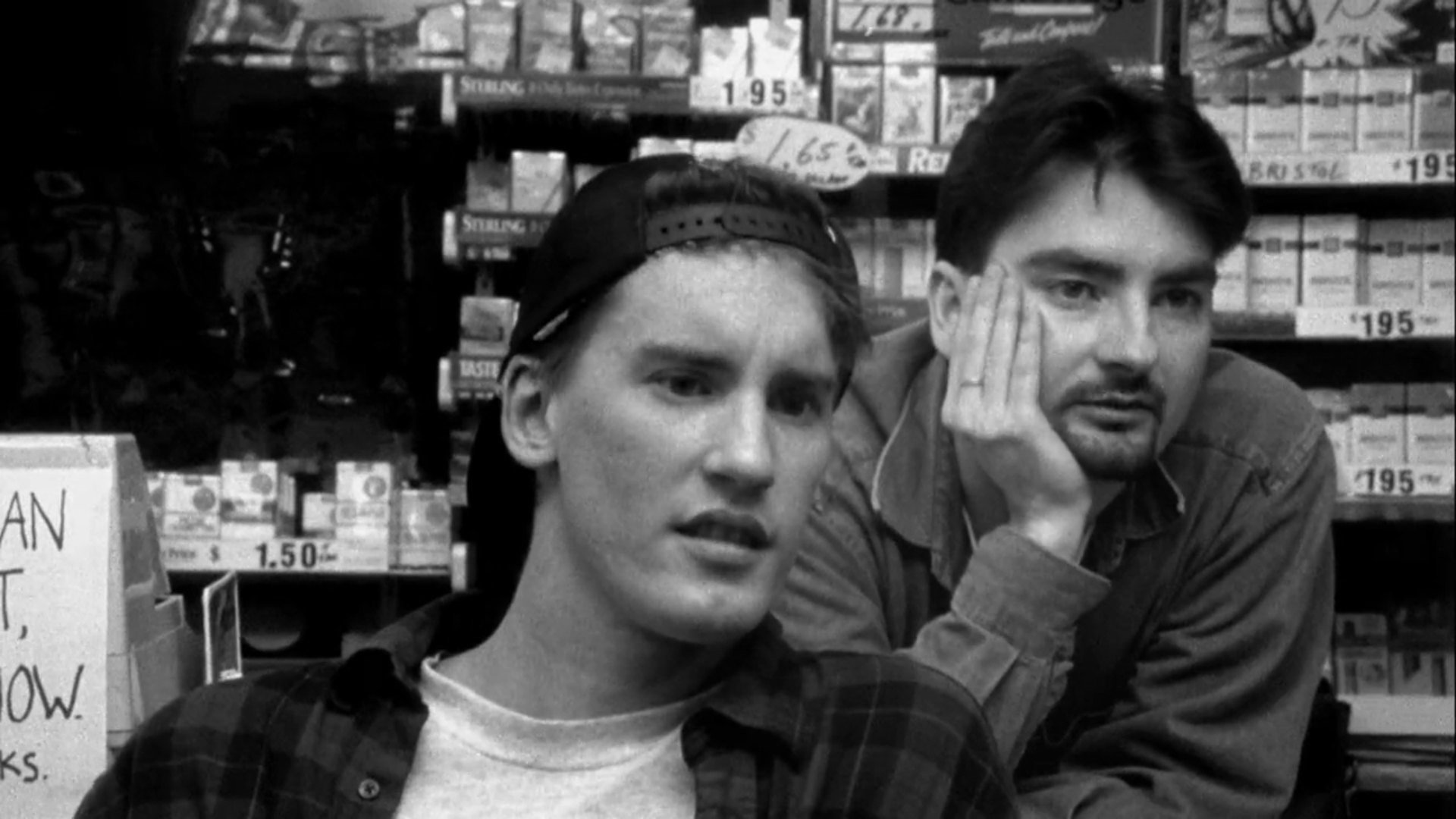
Brian O’Halloran gives Dante’s dissatisfaction a recognisable weight, even when the complaint is becoming tiresome. Jeff Anderson’s Randal makes the exchanges less predictable, with a deadpan manner that helps the obscenity sound conversational rather than prepared for applause. Together they suggest people who have had plenty of practice talking, and considerably less practice listening. Their ease matters because the writing often builds an entire exchange around a comic proposition. Without it, we would simply be waiting for each speaker to deliver the next joke.
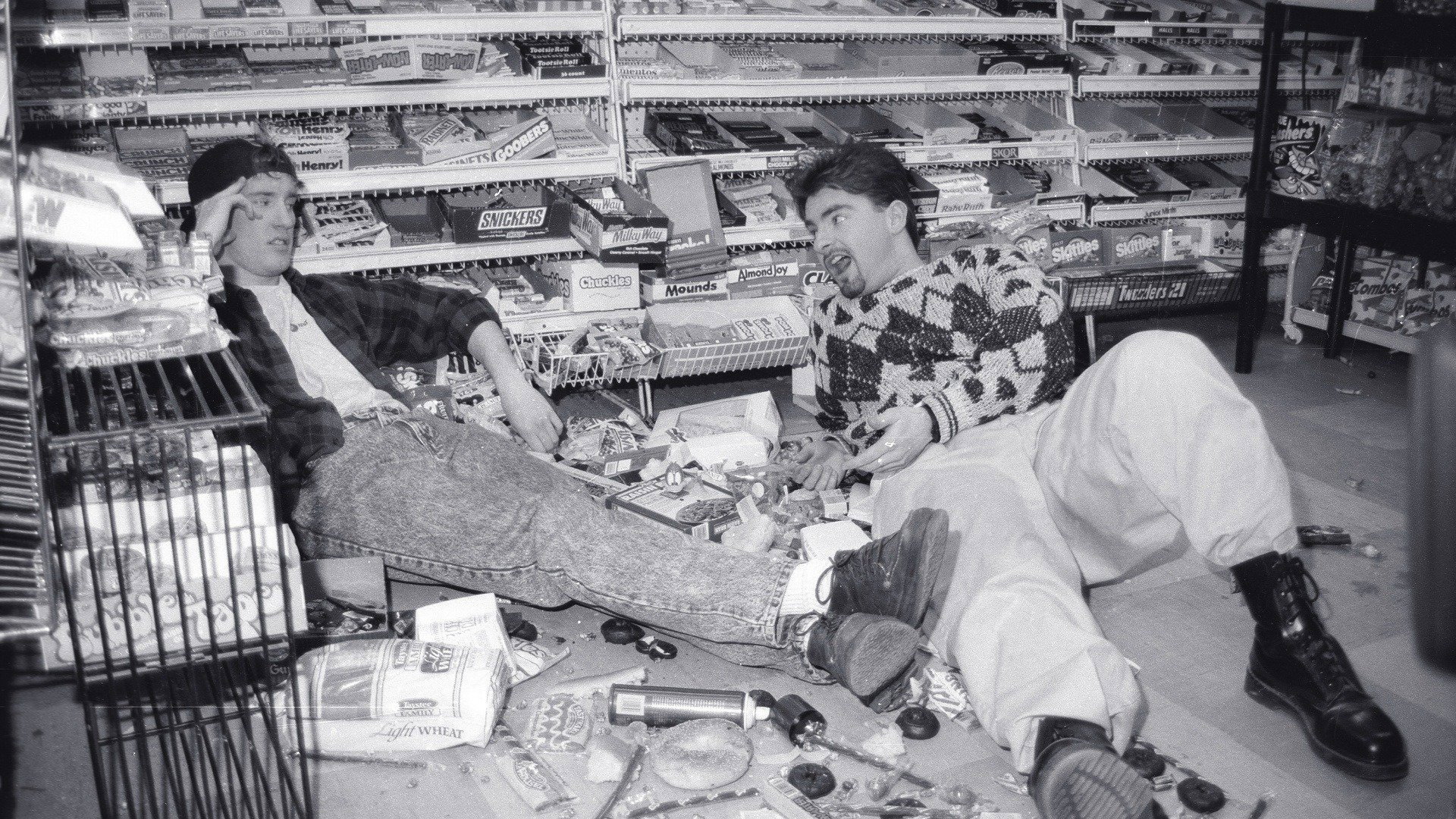
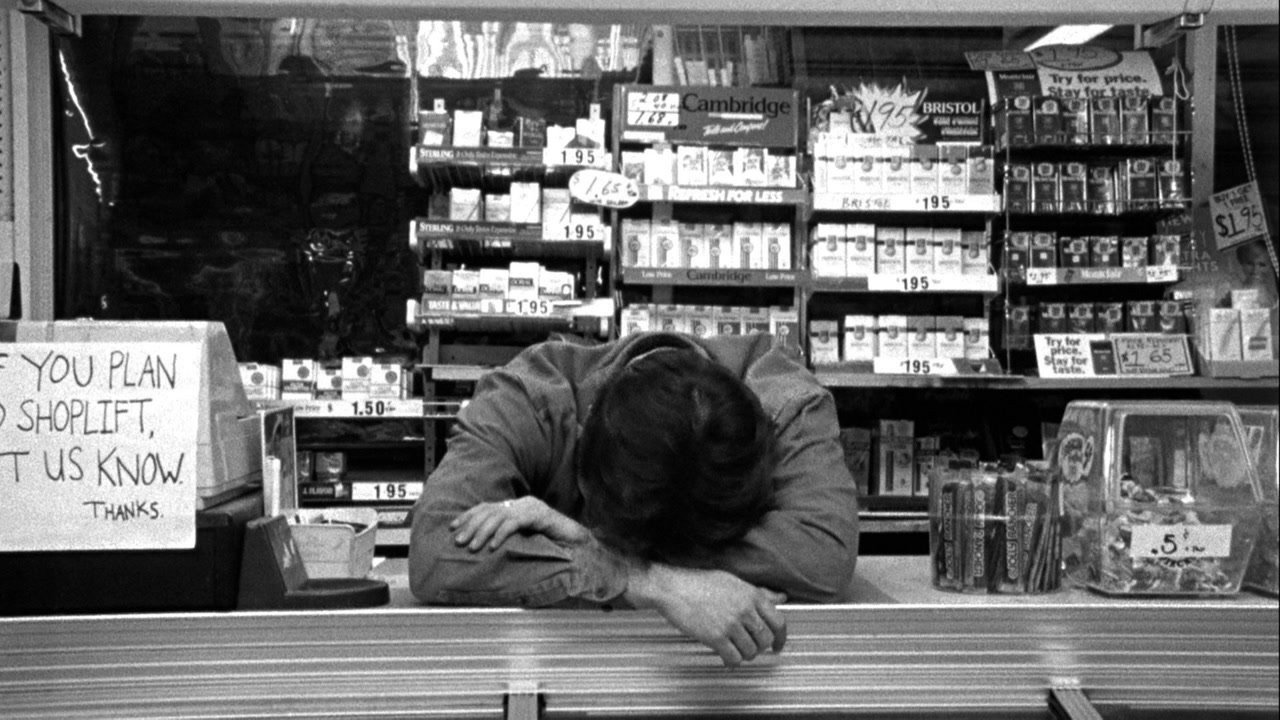
David Klein’s cinematography leaves the shop looking uninviting, which is right for people who would rather discuss their lives than get on with their work. The plain presentation keeps the performances legible, though the pictures seldom add much once we have understood the surroundings. Editors Scott Mosier and Smith allow the exchanges room to develop, preserving the feeling of time available to be wasted. That patience serves the actors, but it is less helpful when an encounter has given us its joke and continues anyway.
The coarseness is mostly funny because it belongs to the talk, rather than arriving as a separate attraction. Sometimes, though, Smith seems so pleased to have found an indecent subject that he does not ask enough of the joke attached to it. The sketch-like construction makes those stretches conspicuous: once an exchange has stopped amusing us, there is not much else happening to distract us. We would lose a little of the hanging about, even if hanging about is plainly part of the reason for making the film.
As a workplace comedy, Clerks is unusually willing to stay with people whose main occupation is discussing something other than work. Smith understands that such talk can be a way of enjoying another person’s company, even when neither speaker is being particularly generous. That keeps the film from becoming merely a collection of complaints about the public. We can recognise the clerks’ boredom without being asked to admire every response to it, and the leads give us enough human warmth to stay interested.
There is enough laughter here to justify tolerating the ragged stretches. The 18 certificate is worth noticing before settling down for an evening of obscene shop talk. We would happily spend another shift with O’Halloran and Anderson. Just do not expect them to be pleased to serve us.